
Content management
Articles, HealthJournals, journeys, biomarkers, drugs and definitions, written and reviewed in one place.
Over a million clinical codes, hundreds of thousands of content items and a media gallery built to turn indecipherable medical data into a story anyone can understand. All of it runs on proprietary technology StoryMD built for this library: its CMS, its Visual Editor and its FHIR-native StoryBlocks. Every item moves through that one system, reviewed before it goes live and versioned on every change, so the library keeps growing well beyond the team that built it.
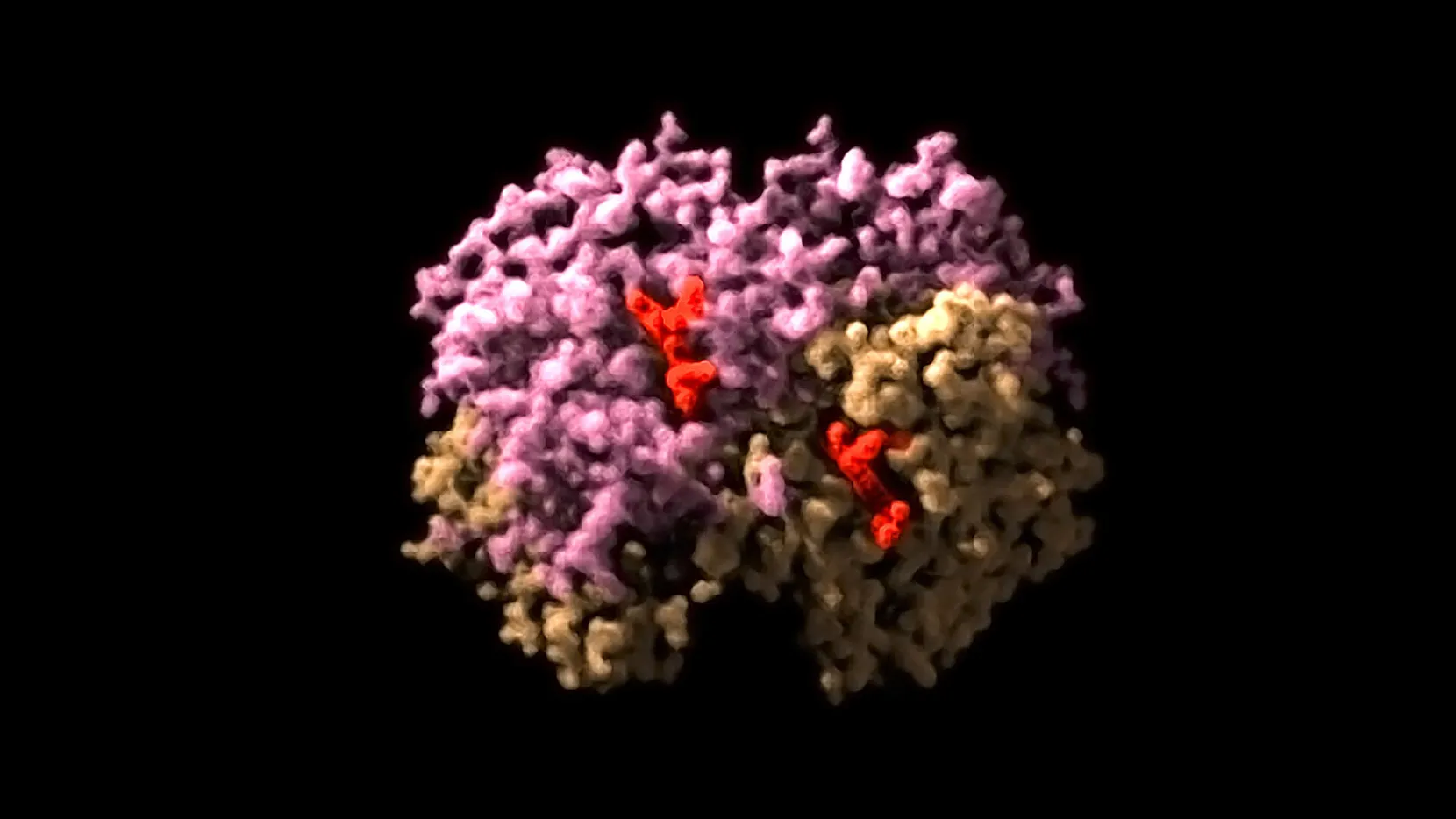
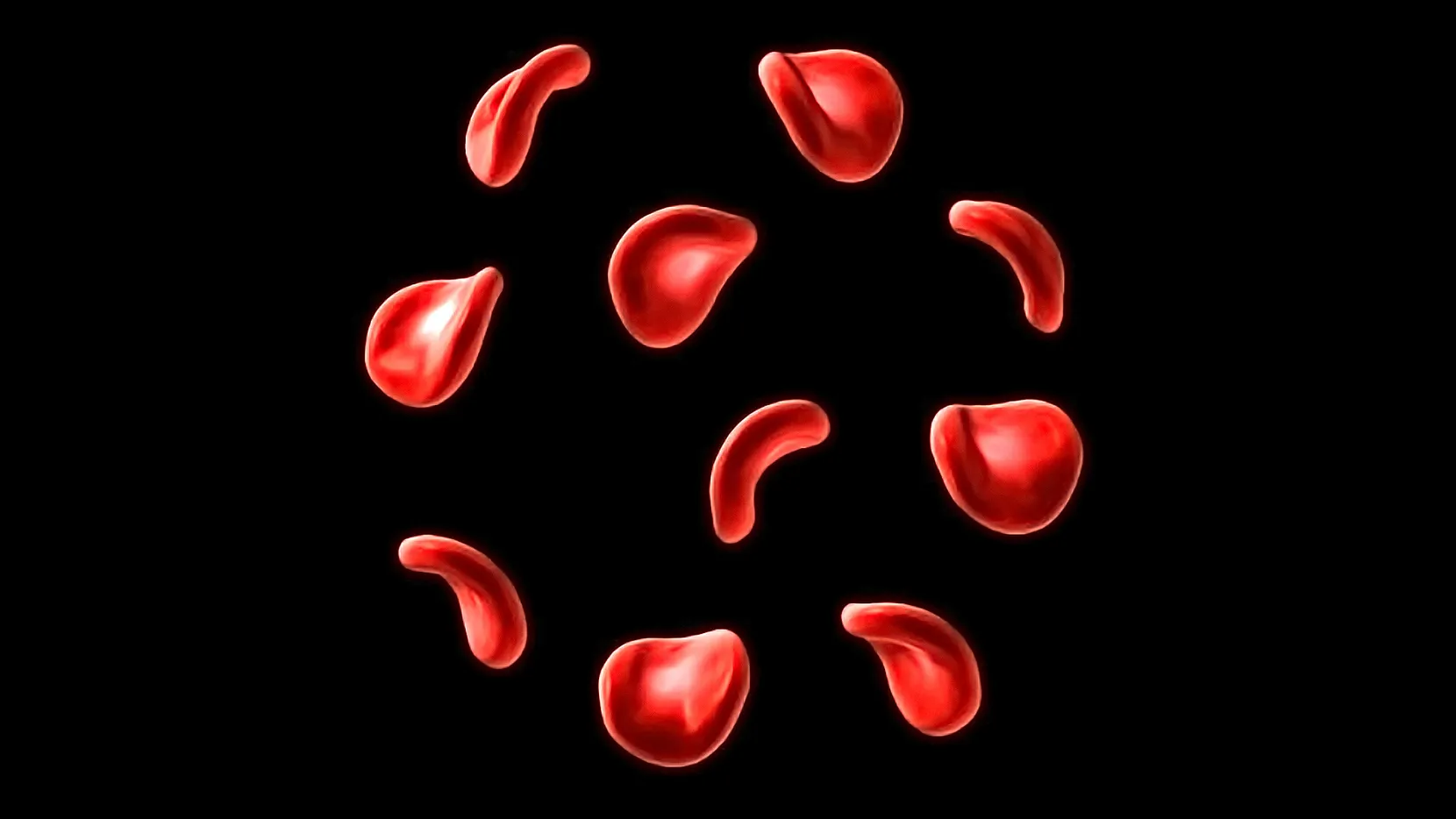
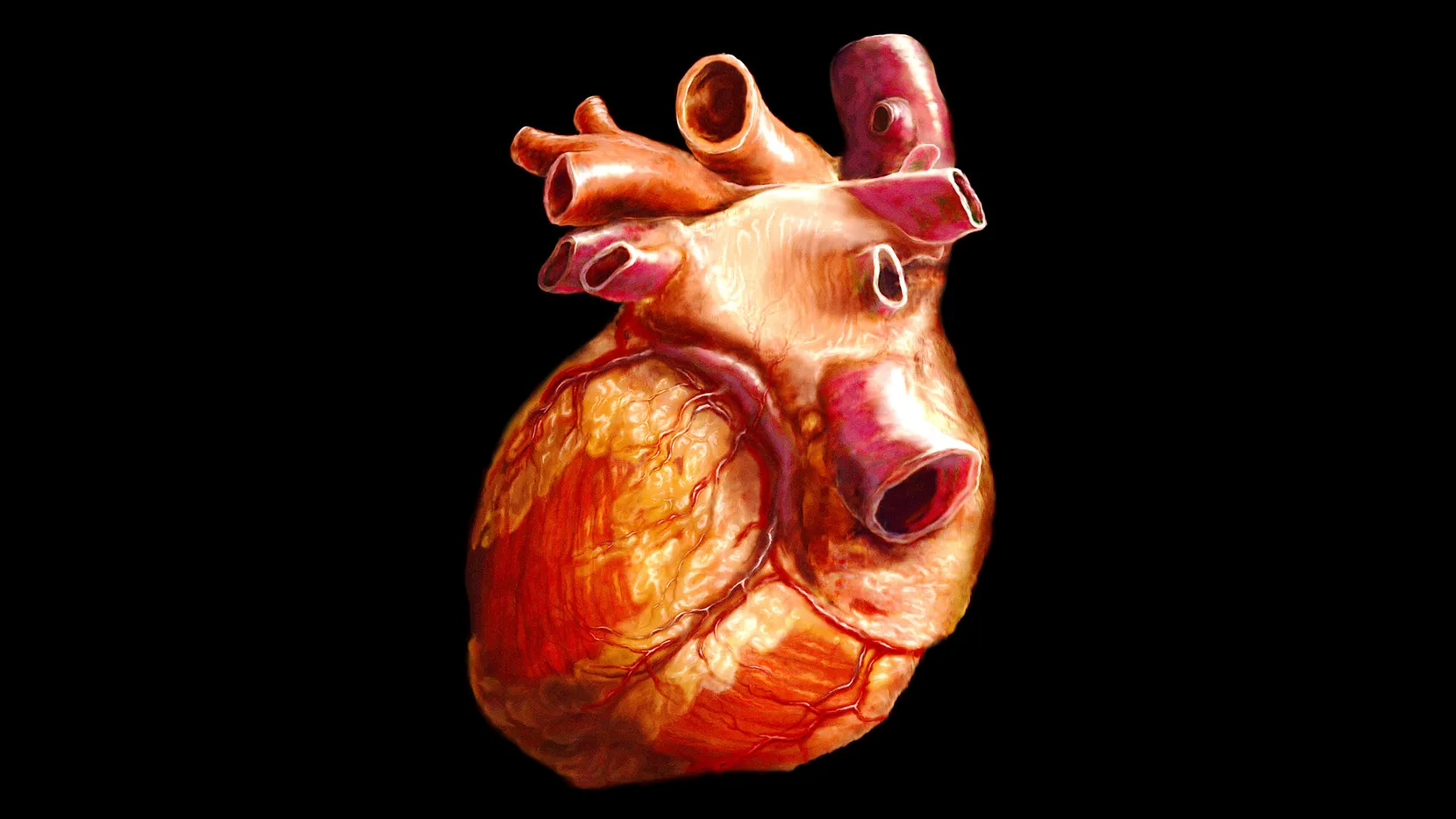
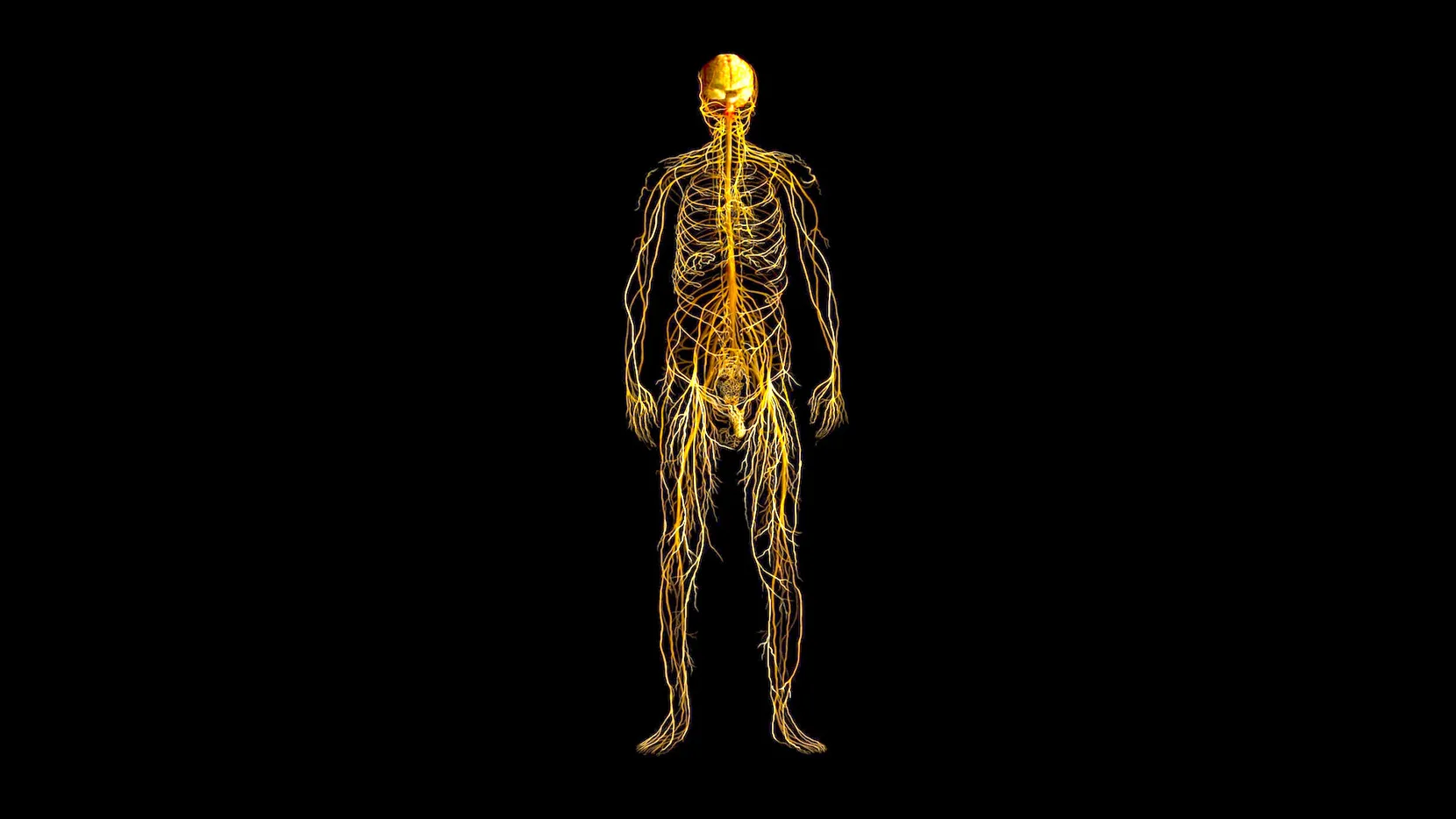
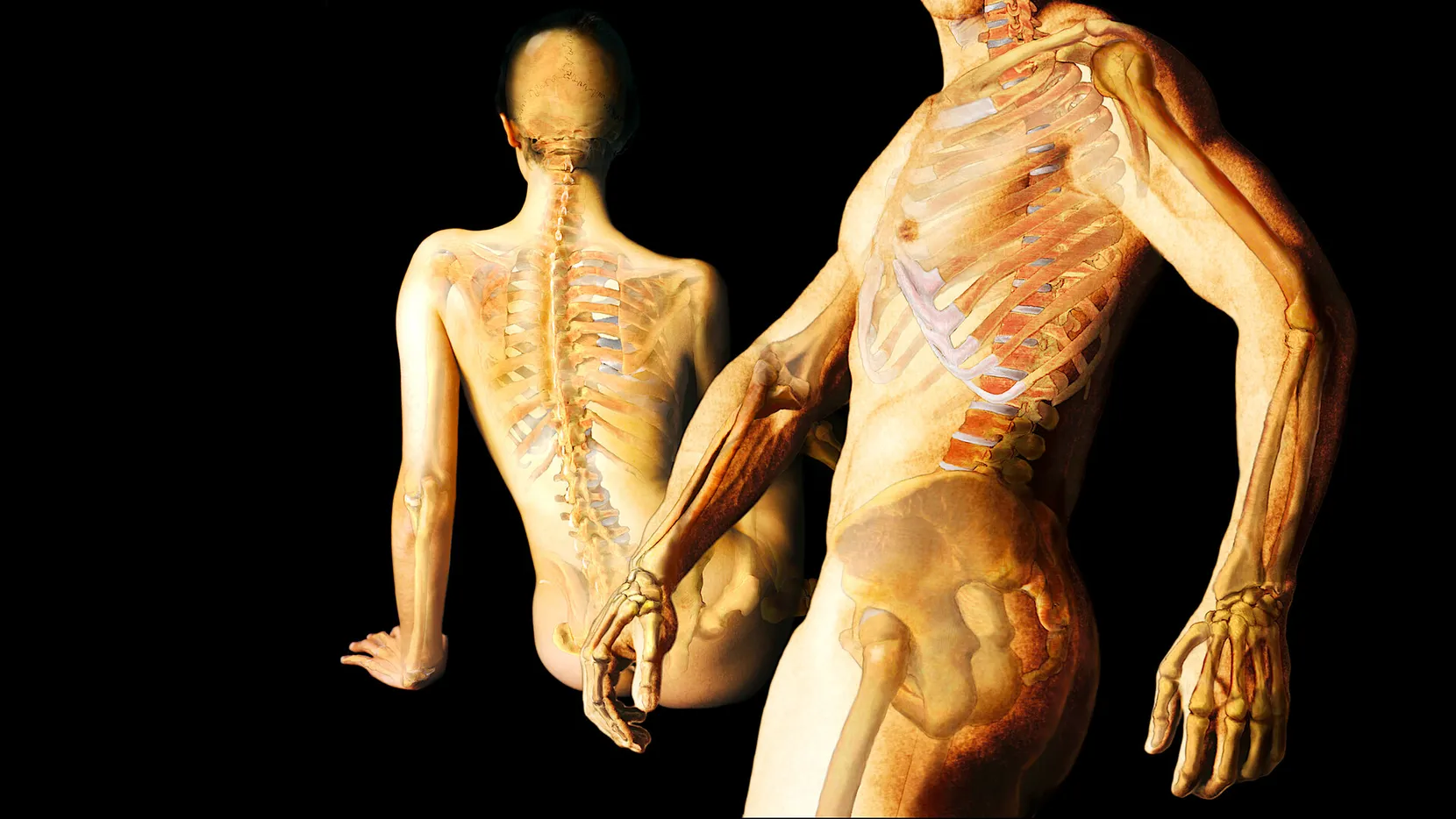
StoryMD codes every item in its library to the globally accepted clinical standards, the framework for managing, exchanging and retrieving health information across any system. StoryMD's own code index ties each lab report, disease, condition, vaccine and drug in the library to the codes a medical record carries.
Every object in the library carries its codes, so its content is machine-readable, interoperable, and HL7- and FHIR-compliant end to end. The standards are public; the coded library is StoryMD's alone.
CVX
The U.S. code set for vaccines, active and inactive, developed and maintained by the CDC's National Center for Immunization and Respiratory Diseases, so historical immunization records can be exchanged too. Elsewhere, vaccines are coded in SNOMED CT.
{"resourceType": "Immunization","vaccineCode": {"coding": [{"system": "http://hl7.org/fhir/sid/cvx","code": "197","display": "Influenza, high-dose, quadrivalent, PF"}]}}
ICD-9
The revision before ICD-10. Most countries moved on from it in the 1990s and U.S. claims in October 2015, so its codes still appear in historical records.
{"resourceType": "Condition","code": {"coding": [{"system": "http://hl7.org/fhir/sid/icd-9-cm","code": "401.9","display": "Unspecified essential hypertension"}]}}
ICD-10
The World Health Organization's international standard for recording, reporting and analyzing health information. In the U.S., ICD-10-CM codes diagnoses and ICD-10-PCS inpatient procedures.
{"resourceType": "Condition","code": {"coding": [{"system": "http://hl7.org/fhir/sid/icd-10-cm","code": "I10","display": "Essential (primary) hypertension"}]}}
LOINC
A common language of identifiers, names and codes for identifying health measurements, observations and documents, maintained by the Regenstrief Institute.
{"resourceType": "Observation","code": {"coding": [{"system": "http://loinc.org","code": "8867-4","display": "Heart rate"}]}}
MedDRA
A rich and highly specific standardized medical terminology for sharing regulatory information internationally on medical products used by humans, maintained by the ICH (International Council for Harmonisation).
{"resourceType": "Observation","code": {"coding": [{"system": "http://terminology.hl7.org/CodeSystem/mdr","code": "10028813","display": "Nausea"}]}}
MeSH
A controlled, hierarchically organized vocabulary from the U.S. National Library of Medicine, used for indexing, cataloging and searching biomedical and health-related information.
{"resourceType": "Observation","code": {"coding": [{"system": "http://terminology.hl7.org/CodeSystem/MSH","code": "D004645","display": "Empathy"}]}}
RxNorm
A normalized naming system for generic and branded drugs, and a tool for semantic interoperation between drug terminologies and pharmacy knowledge base systems, from the U.S. National Library of Medicine. Outside the U.S., medications are also coded in SNOMED CT.
{"resourceType": "Medication","code": {"coding": [{"system": "http://www.nlm.nih.gov/research/umls/rxnorm","code": "206765","display": "lisinopril 10 MG Oral Tablet [Prinivil]"}]}}
SNOMED CT
The most comprehensive, multilingual clinical healthcare terminology in the world, maintained by SNOMED International.
{"resourceType": "Condition","code": {"coding": [{"system": "http://snomed.info/sct","code": "59621000","display": "Essential hypertension"}]}}
UCUM
A code system intended to include all units of measure in current use in international science, engineering and business, maintained by the Regenstrief Institute.
{"resourceType": "Observation","valueQuantity": {"value": 72,"unit": "beats/minute","system": "http://unitsofmeasure.org","code": "/min"}}
UNII
The FDA's free, unique, unambiguous, non-semantic identifier for a substance, based on its molecular structure or descriptive information.
{"resourceType": "Medication","ingredient": [{"itemCodeableConcept": {"coding": [{"system": "http://fdasis.nlm.nih.gov","code": "E7199S1YWR","display": "Lisinopril"}]}}]}
StoryMD built its CMS for one job: creating, curating, managing and delivering a personalized, visually rich health library. It is the core of the StoryMD platform: the library the app shows, the knowledge the health companion answers from and the StoryBlocks every record is made of all come out of it.
StoryMD's editors manage 400,000+ content items in it, from HealthJournals and articles to biomarkers, drugs and definitions, through an editorial workflow built around medical content: publishing controls, review gates, versioning on every object, multilingual support and tiered permissions. Every item is also indexed so search finds it by meaning, not just by keyword.
StoryMD's media library holds its own scientific visualizations alongside images, videos, PDFs and interactives, each one easy to find and ready in whatever format or size a page needs.
Every asset is tagged and described as it comes in, checked so nothing is stored twice, and kept with its full history of changes.
The content, its media and its codes, the StoryBlocks that map it to medical records, the EHR connections that bring records in, and the newsletters and social posts that go out: all of it runs in one system StoryMD built and owns. It is the infrastructure that lets StoryMD build, curate and keep expanding a library no one else has.
Articles, HealthJournals, journeys, biomarkers, drugs and definitions, written and reviewed in one place.
Images, video, audio and documents, searchable, version-controlled and reused across every page.
Story of the Day, Editor's Choice and journey newsletters, planned on one calendar and published to email and to Facebook, Instagram, LinkedIn, Pinterest and X.
Every major standard, from SNOMED CT and ICD-10 to LOINC, RxNorm and CVX, in StoryMD's own code index.
StoryMD's own technology matches diagnoses, medications, lab results, procedures, allergies and vaccines to the library content that explains each.
Health systems and practices on Epic MyChart, Cerner, athenahealth, eCW Healow and Veradigm, plus wearable devices.
StoryMD designed and built its own Visual Editor for rapid, interactive content development and publishing. In it, StoryMD's editors compose HealthJournals and articles in a visually simple way: no dev ticket, no agency, no wait.
They start from a blank canvas or from the library itself, drag in text, media, data and StoryMD's own visualizations, and bring in images from a URL, video from YouTube or Vimeo, or files from their computer without leaving the editor. When a guideline changes or new data comes in, the page is revised in place and live again in minutes, everywhere it appears.
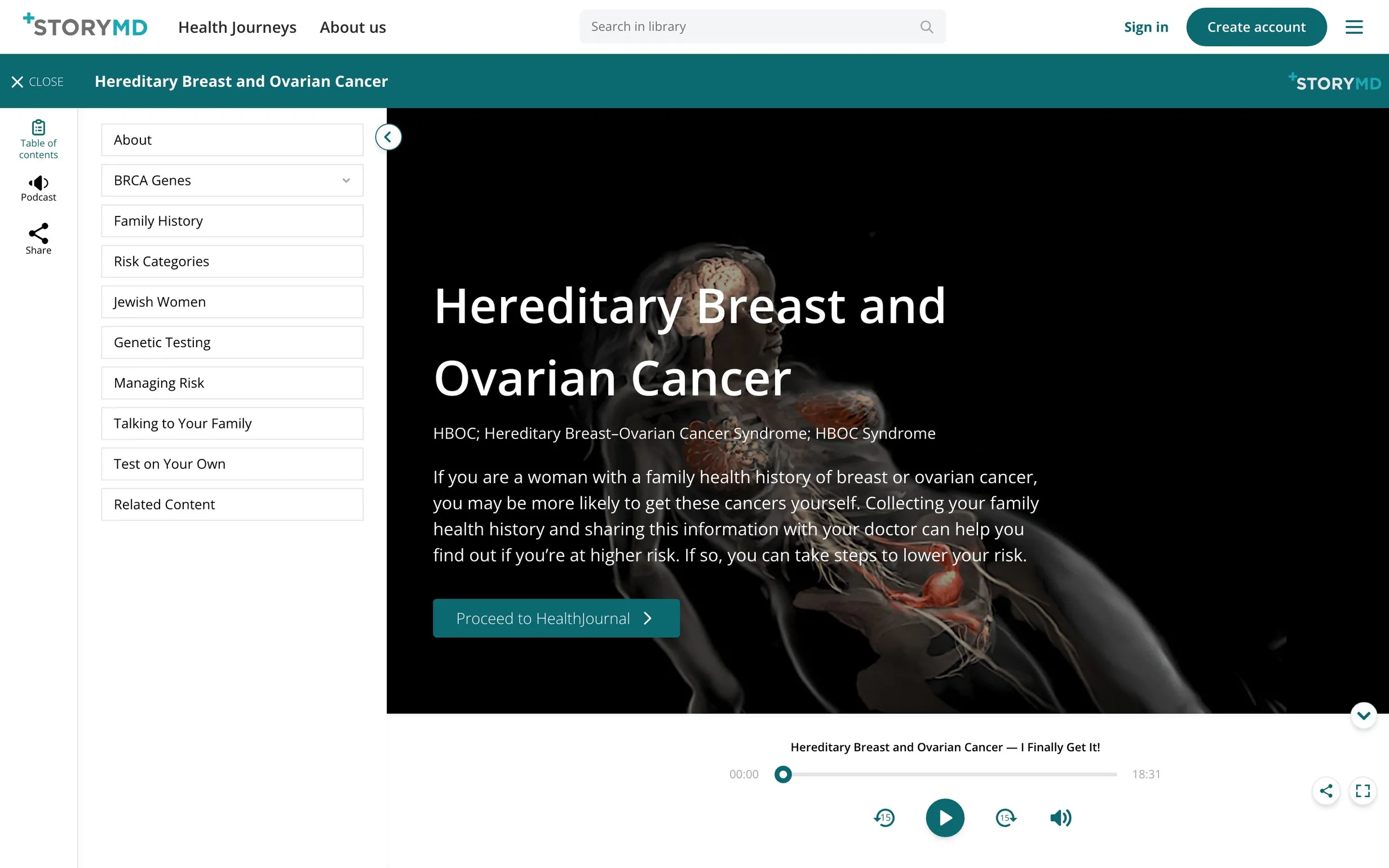
Designed around the way StoryMD's medical editorial team works: composing, review and publishing on one surface, from first draft to live page without leaving it.
StoryMD's own visuals, on Nature and Time covers.
Every page, published under a foundation's own brand.
Medical review and approval live inside the workflow.
Pages built visually, exactly as readers will see them.
Approved changes go live on the published page at once.
Every edit is kept, so nothing is ever lost.
Modules written once, reused in articles and journeys.
Every page tuned for search and social sharing.
Every page, new or revised, follows the same path: composed in the Visual Editor, approved in the same flow and published to every connected surface at once.
Editors start fresh or open any page to revise.
Text, figures, data and StoryMD's visualizations, laid out on the page.
Medical approval happens in the same flow.
Live across every connected surface in minutes.
StoryBlocks are StoryMD's proprietary technology, the building blocks of its AI-driven personal health companion. Built on the FHIR standard, they import seamlessly from the major EHRs; StoryMD's AI then maps the library's coded content onto each patient's own record, converting indecipherable data into a story they can understand and act on.
Each is a flexible collection of data blocks that transforms code into Story: FHIR-compliant and EHR-agnostic on the way in, HL7-interoperable underneath, with personalized health and wellness guidance on top.
Each one starts from a standard FHIR resource and adds what only StoryMD has: the library content that explains it to the person whose record it is in.

Movement and daily activity, in context.

Documented sensitivities and reactions.
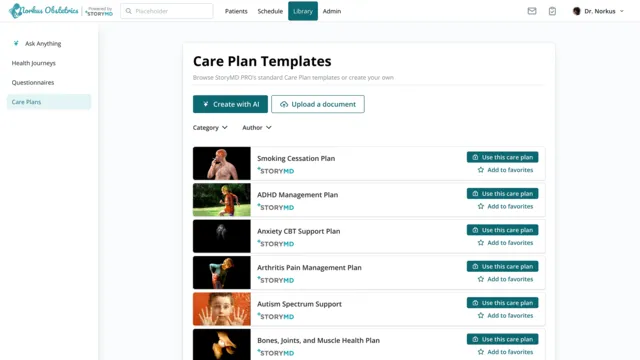
Plans and protocols tied to the record.
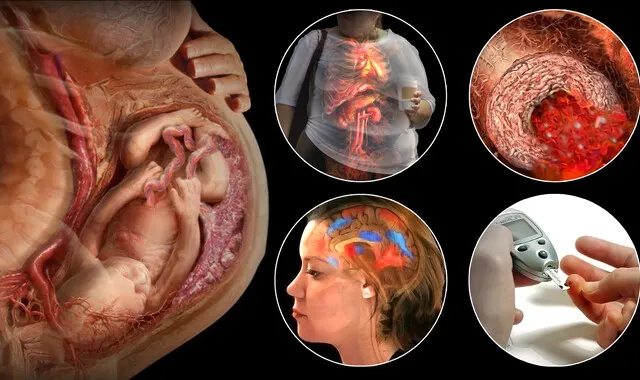
Diagnoses rendered as an understandable story.

Personal health goals and targets.
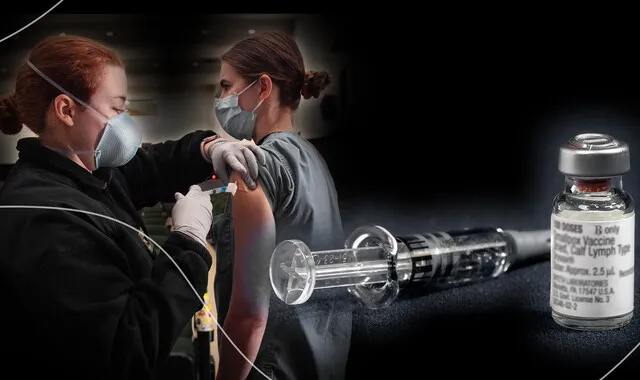
Vaccination history, coded and clear.
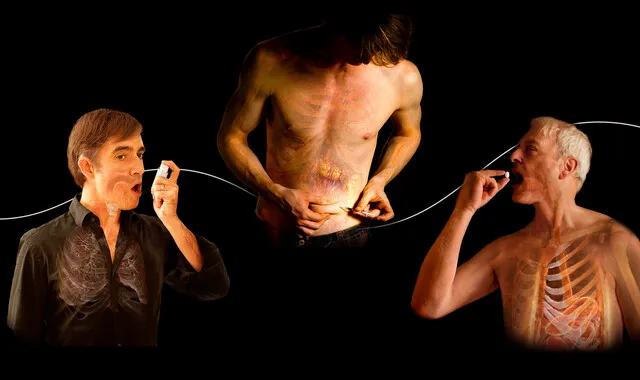
What's prescribed, why and how.
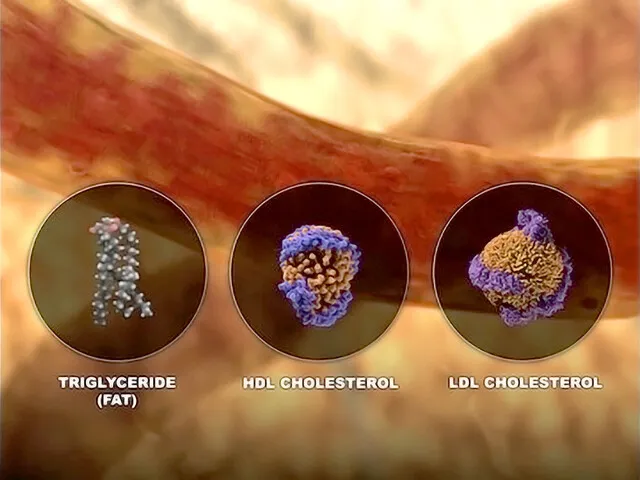
Labs and biomarkers as visual stories.
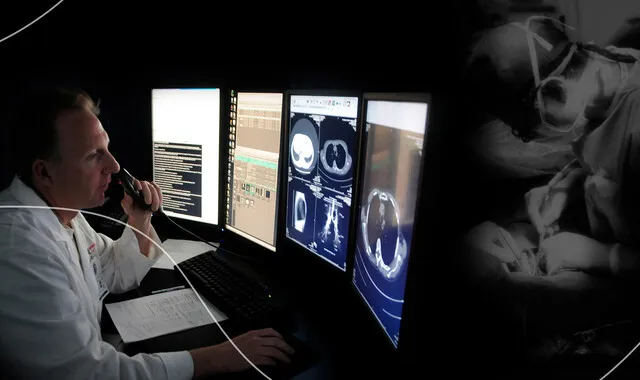
Past and planned procedures, explained.
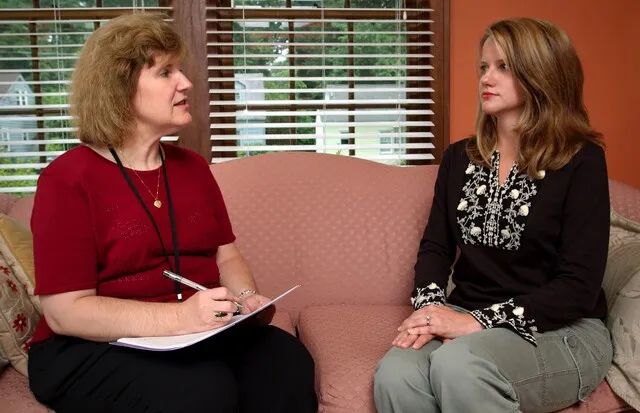
Structured intake and screening.
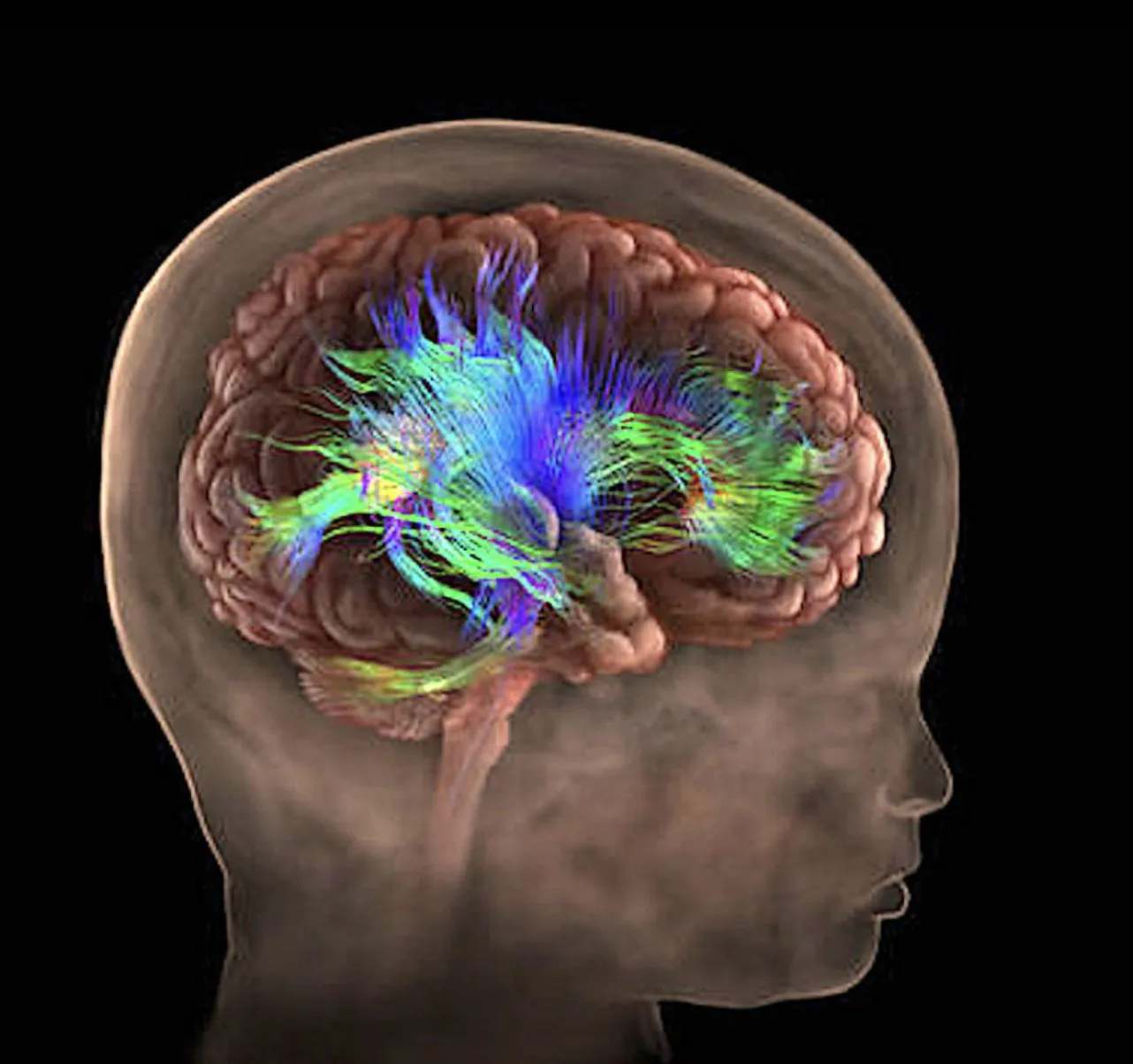
StoryMD's library is interoperable, and HL7- and FHIR-compliant: every item carries the codes medical records use, so it connects to the EHRs, health systems and partner platforms already in place.
Talk to us for a walkthrough of StoryMD's CMS, Visual Editor and StoryBlocks, with the library as it runs today.
