
A journal for each condition
2,000+ rare-disease journals, coded to the same standards as the record and explained in pictures.
A family facing a rare disease often meets specialists who have never seen it. StoryMD gives them a guide that has: coded, visual journals for each condition, mapped to their own record, and a 24/7 companion.

Each disease is rare on its own, but the families living with one face the same challenges: finding information, getting a diagnosis, and finding resources. A diagnosis often takes years, one specialist after another, each with a piece of the record and few who have seen the condition before.
StoryMD brings the pieces together. Its rare-disease journals turn scattered, hyper-specialized clinical data into clear scientific visualizations, mapped to the patient's own record, so the family, and every new clinician, starts from the whole story.
One knowledge base, one record and one companion, for the conditions mainstream health tech leaves out.
2,000+ rare-disease journals, coded to the same standards as the record and explained in pictures.
When a condition crosses systems and specialists, one longitudinal picture keeps anything from falling through the gaps.
The companion explains results, answers questions and preps the family for every appointment.
From a child's first symptoms to the move into adult care, the record and the companion travel with the patient.
From the StoryMD library: what makes a disease rare, the genetics behind many of them, how they are found and treated, and the rare cancers, children's included.
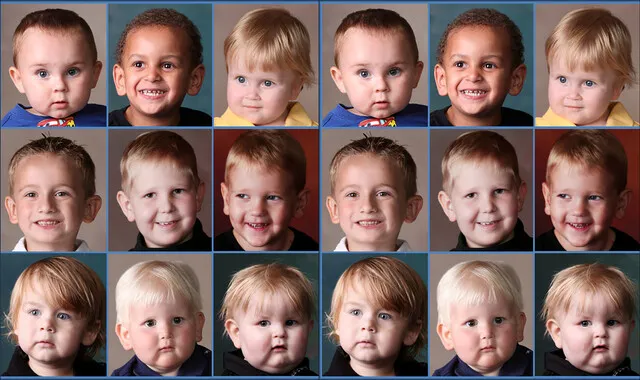 Journal
What makes a disease rare, and the challenges families living with one share.
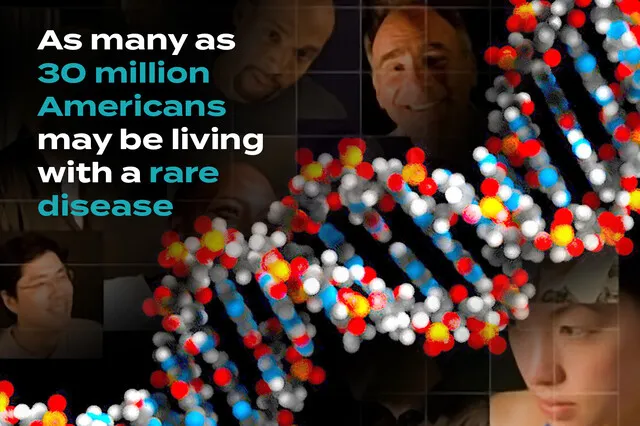 Story
As many as 30 million Americans may be living with a rare disease, and why they need more attention.
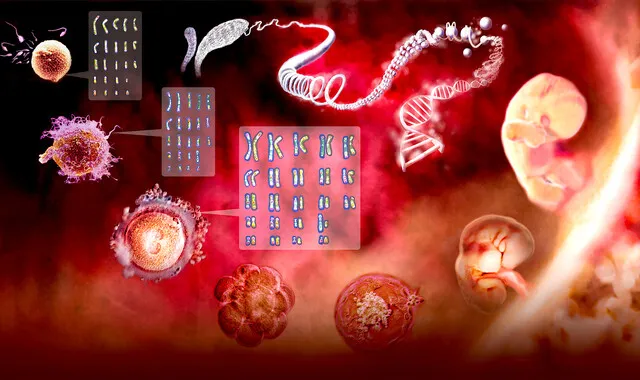 Journal
How a change in a person's genes can cause a medical condition, the main types, and how they are diagnosed.
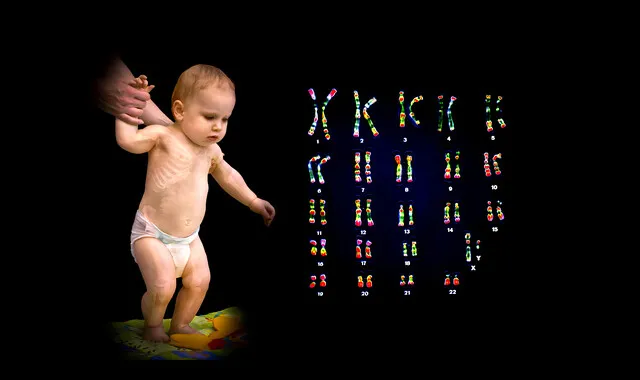 Journal
The metabolic and genetic disorders screening finds shortly after birth, while they are still treatable.
 Journal
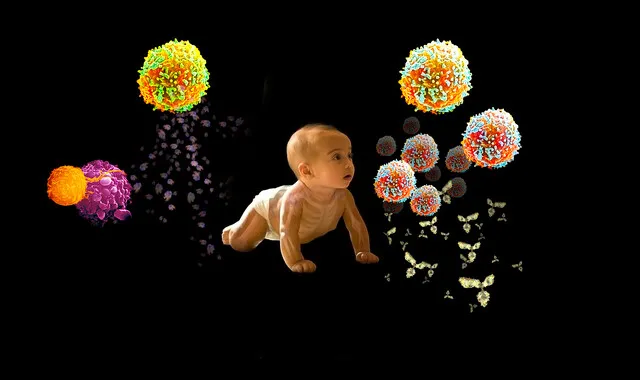
When the immune system doesn't work as it should, and why infections hit harder.
 Journal
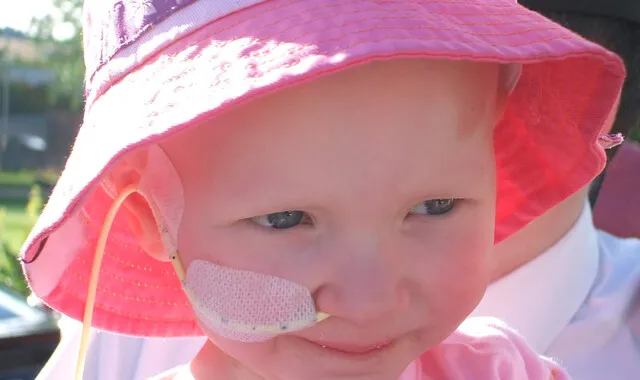
Cancers that each affect fewer than 40,000 people a year in the U.S., and together over a quarter of all cancers.
 Journey
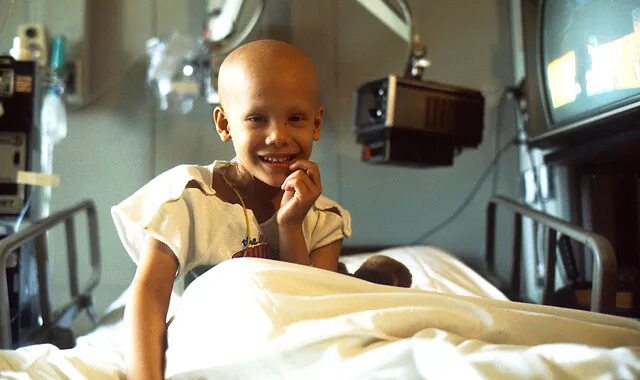
The cancers children and teens face, from diagnosis through treatment, explained visually.
 Journal
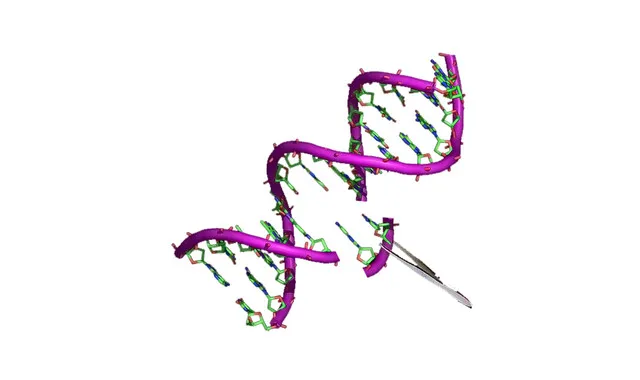
How changing a person's genes can treat or cure disease, from genetic conditions to cancer.
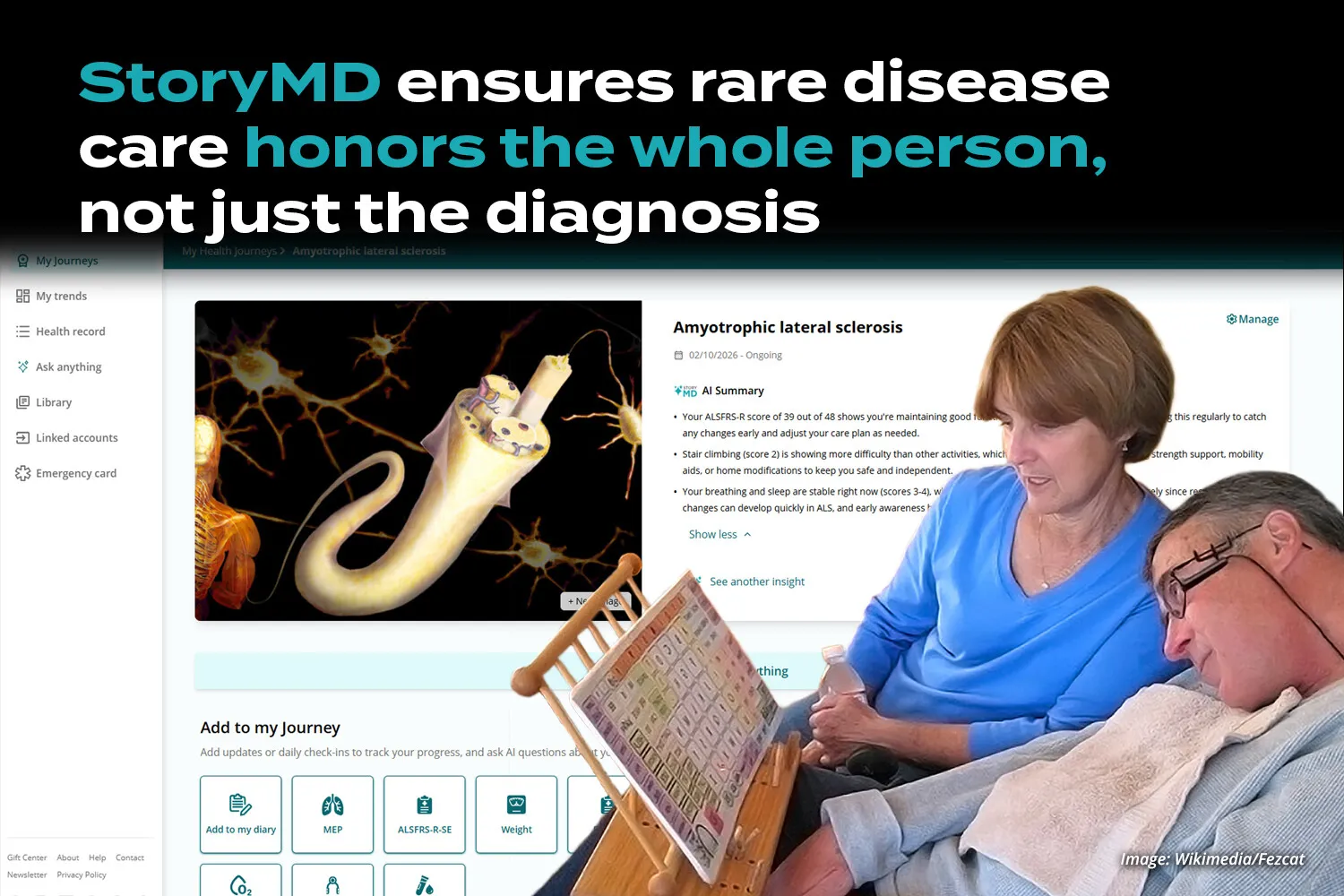
Tracking the whole person, not just the diagnosis, changes rare-disease care: sleep, mood, activity and daily life, beside the labs and the scans, on one record.