
Visual medical literacy
2,000+ coded, visual rare-disease HealthJournals turn dense clinical data into clear illustrations.
Rare-disease families are left clutching PDFs, CDs of scans, genetic reports and half-understood diagnoses. My StoryMD Journeys, powered by an AI health agent, turns that chaos into a living, personalized, visual roadmap.

The AI health agent reads the real record — labs, imaging, genetics, medications, symptom logs, wearables — and speaks the family's language: what this biomarker means, what this gene variant suggests for this child, which symptom to watch. It converts scattered data into a single clinical narrative and a visual timeline a clinician can review in minutes.
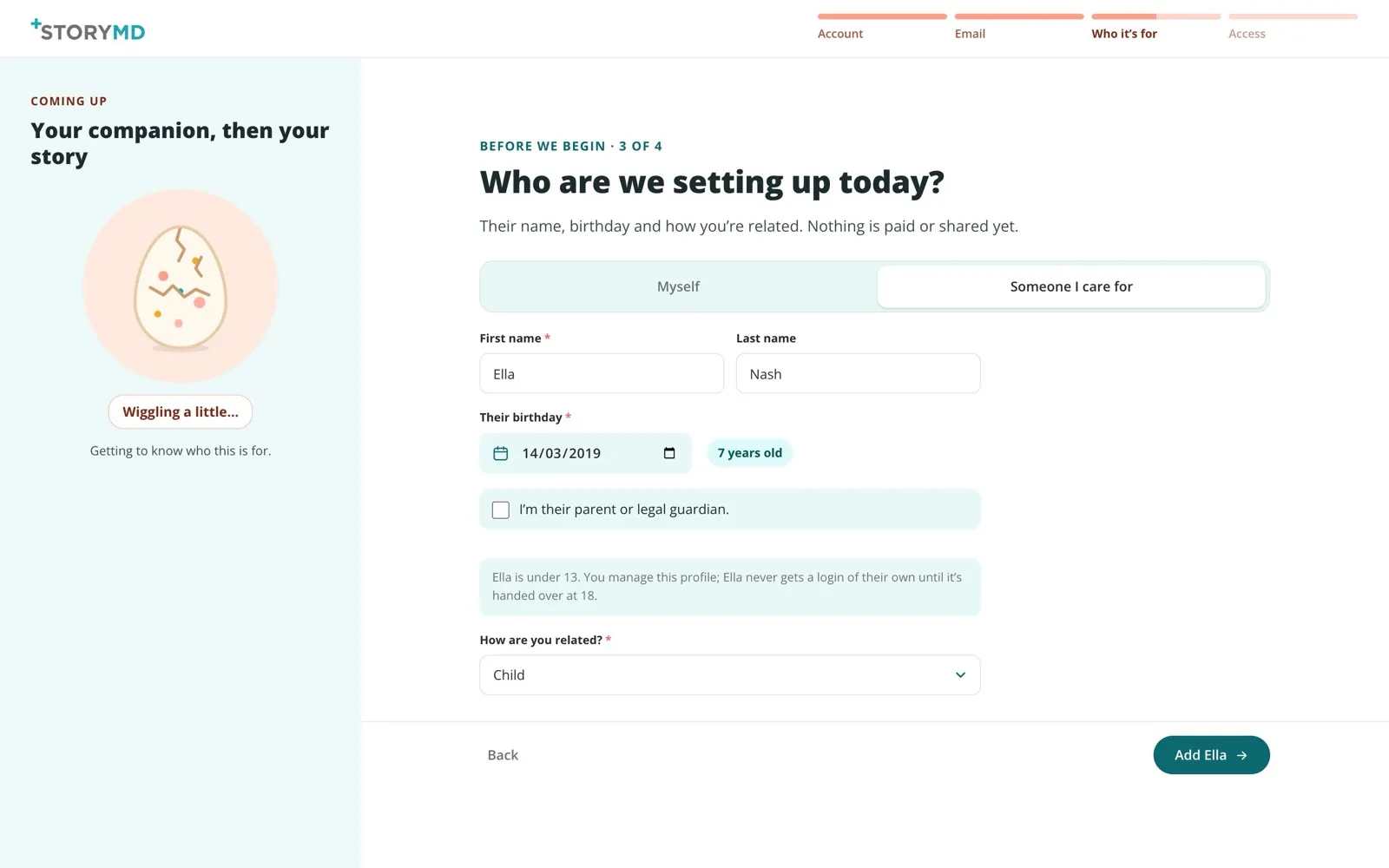
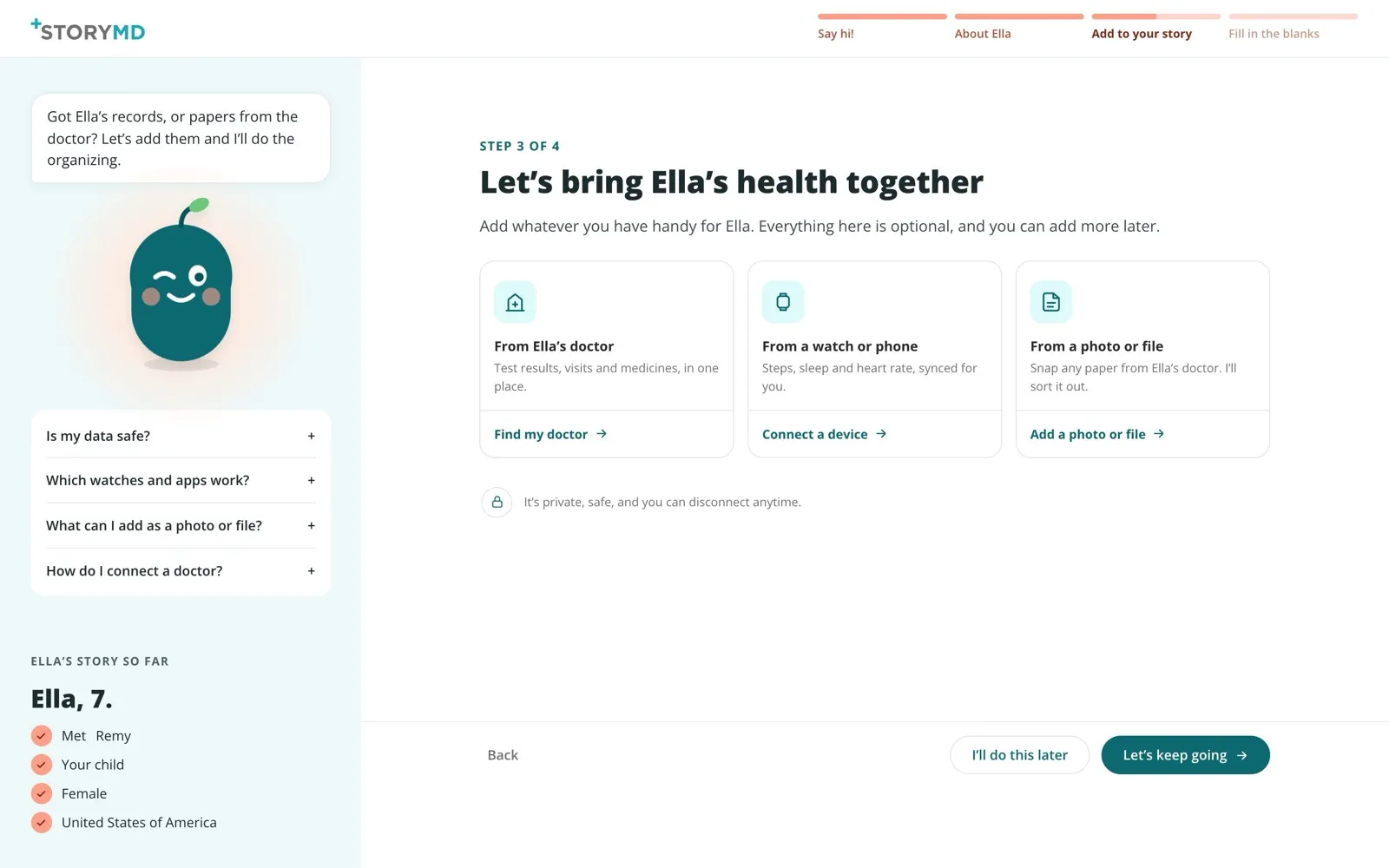
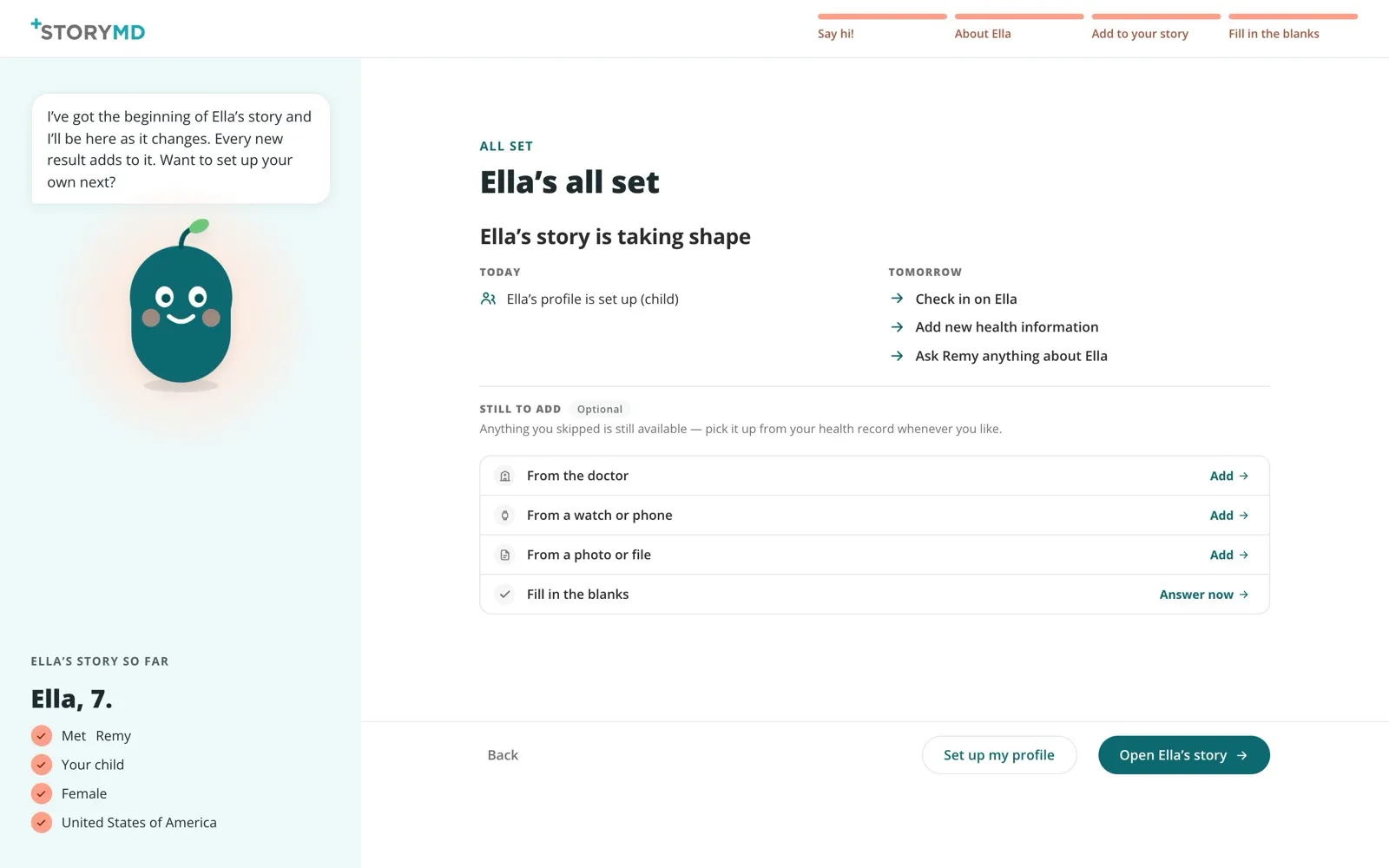
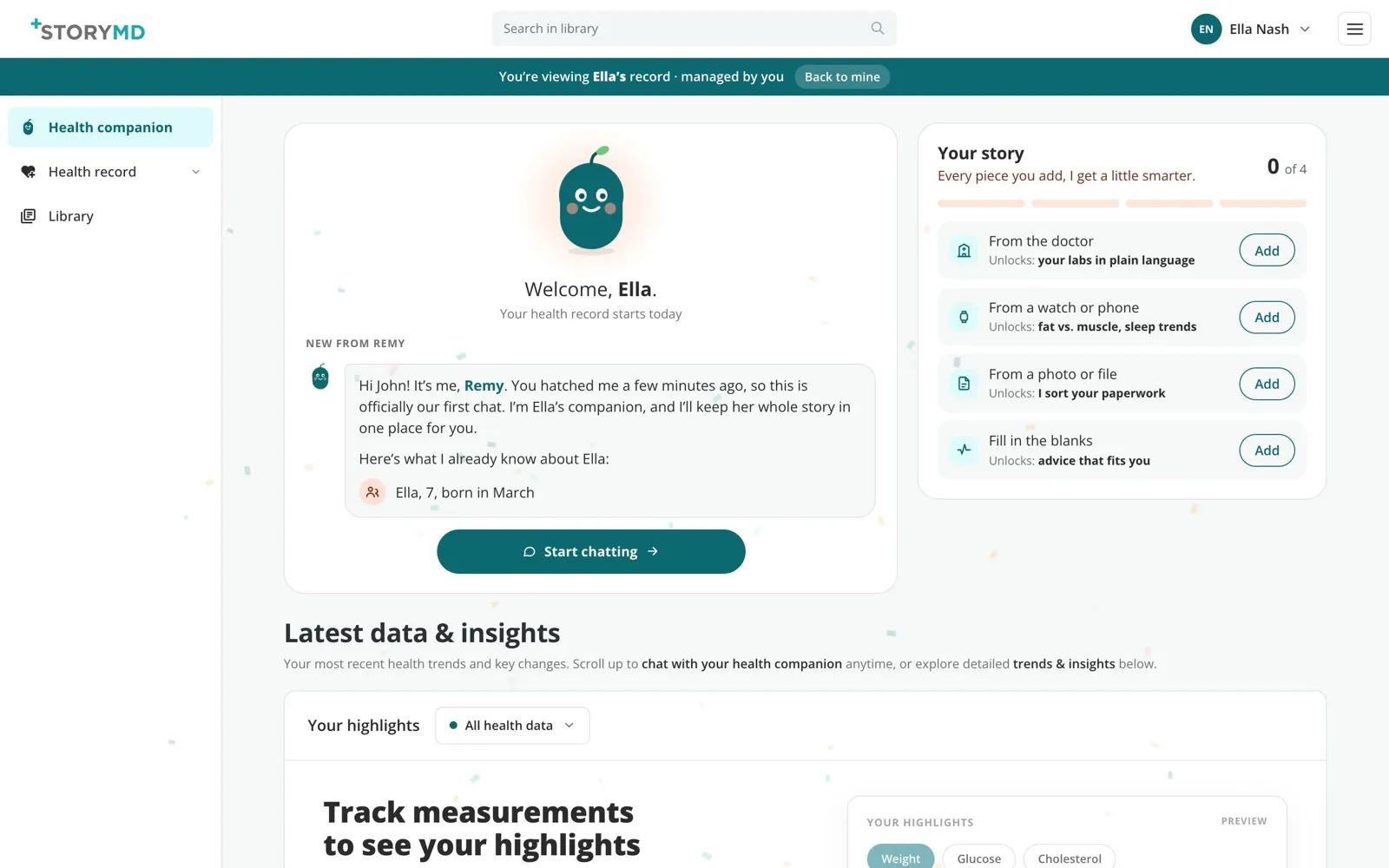
Visual explanations of rare and chronic conditions, and guidance that updates as new results arrive.
2,000+ coded, visual rare-disease HealthJournals turn dense clinical data into clear illustrations.
New labs, symptoms and prescriptions update the roadmap — what to watch, what to ask next.
A companion that knows the whole story, plain-language answers, help with the day to day, and family who can follow along from anywhere.
An ecosystem tool, too: pharma patient-support programs, nurse navigators, advocacy foundations, trial sponsors and pediatric-to-adult care transitions all run on the same unified record.
A companion that knows a loved one's whole story — and helps manage it, every day.
Reads the real record and explains what each result means for this patient — not generic content.
Checklists, appointment prep, symptom and medication logs, and emergency plans — one care coordinator.
Remote relatives can see and understand their loved one's story — and stay connected.
What a rare diagnosis means, how childhood cancers are treated, why the whole child matters, and what caring asks of a family, explained on StoryMD.
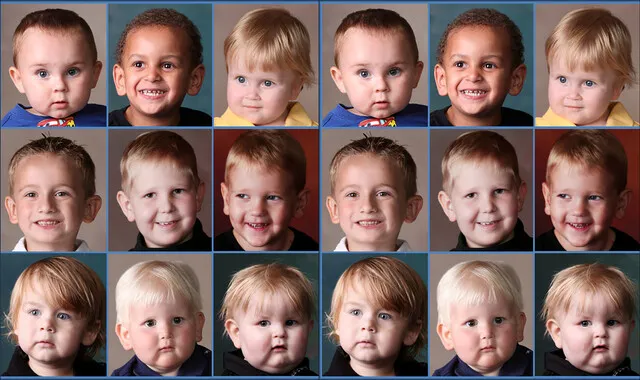 Journal
What makes a disease rare, and the challenges families living with one share.
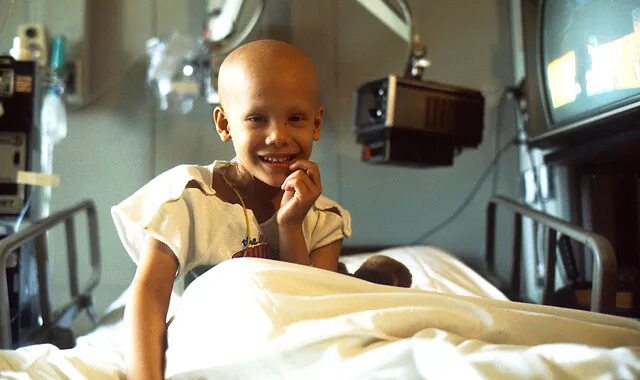 Journey
The cancers children and teens face, from diagnosis through treatment, explained visually.
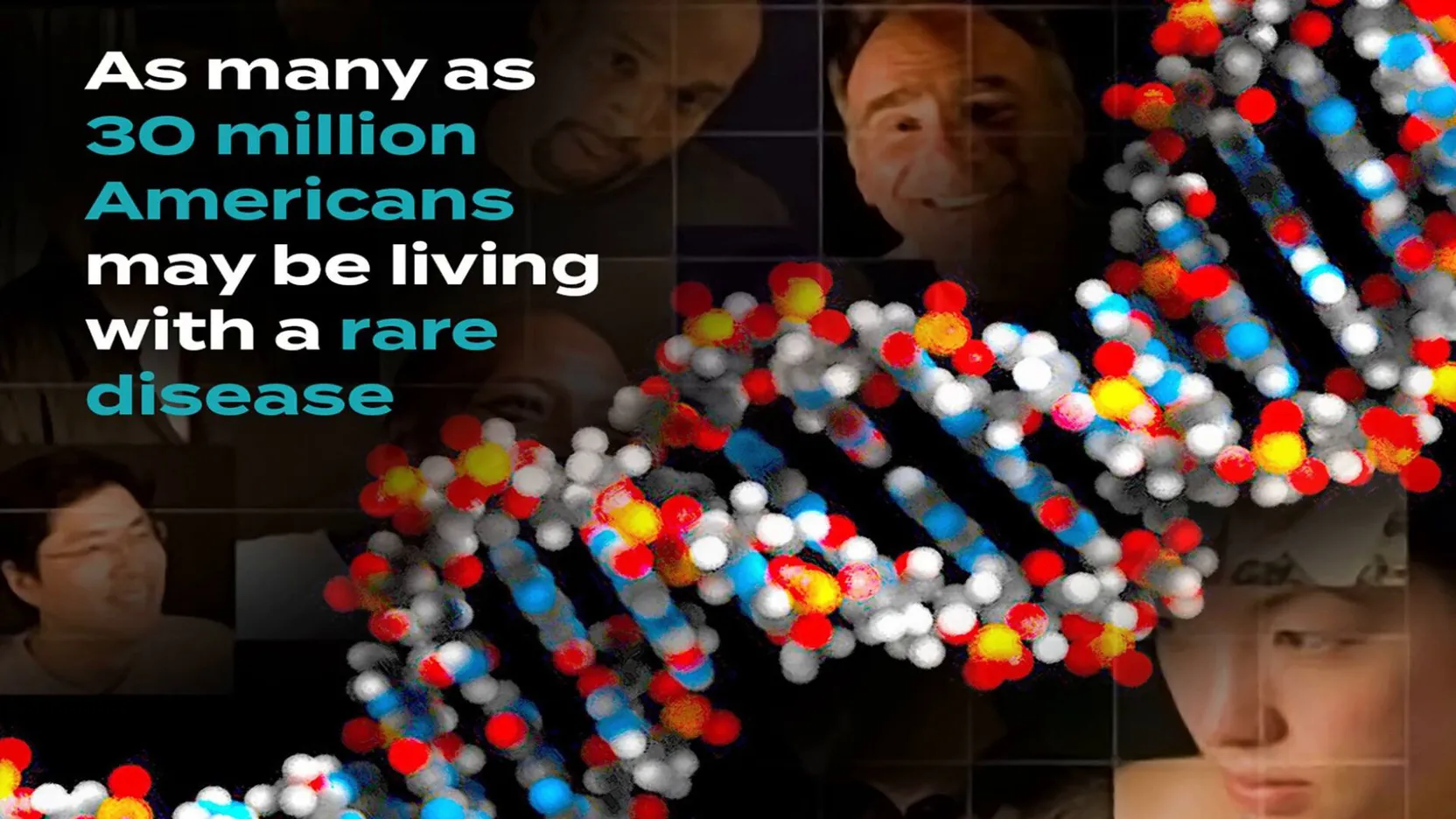 Story
Why tracking the whole person, not just the diagnosis, changes rare-disease care.
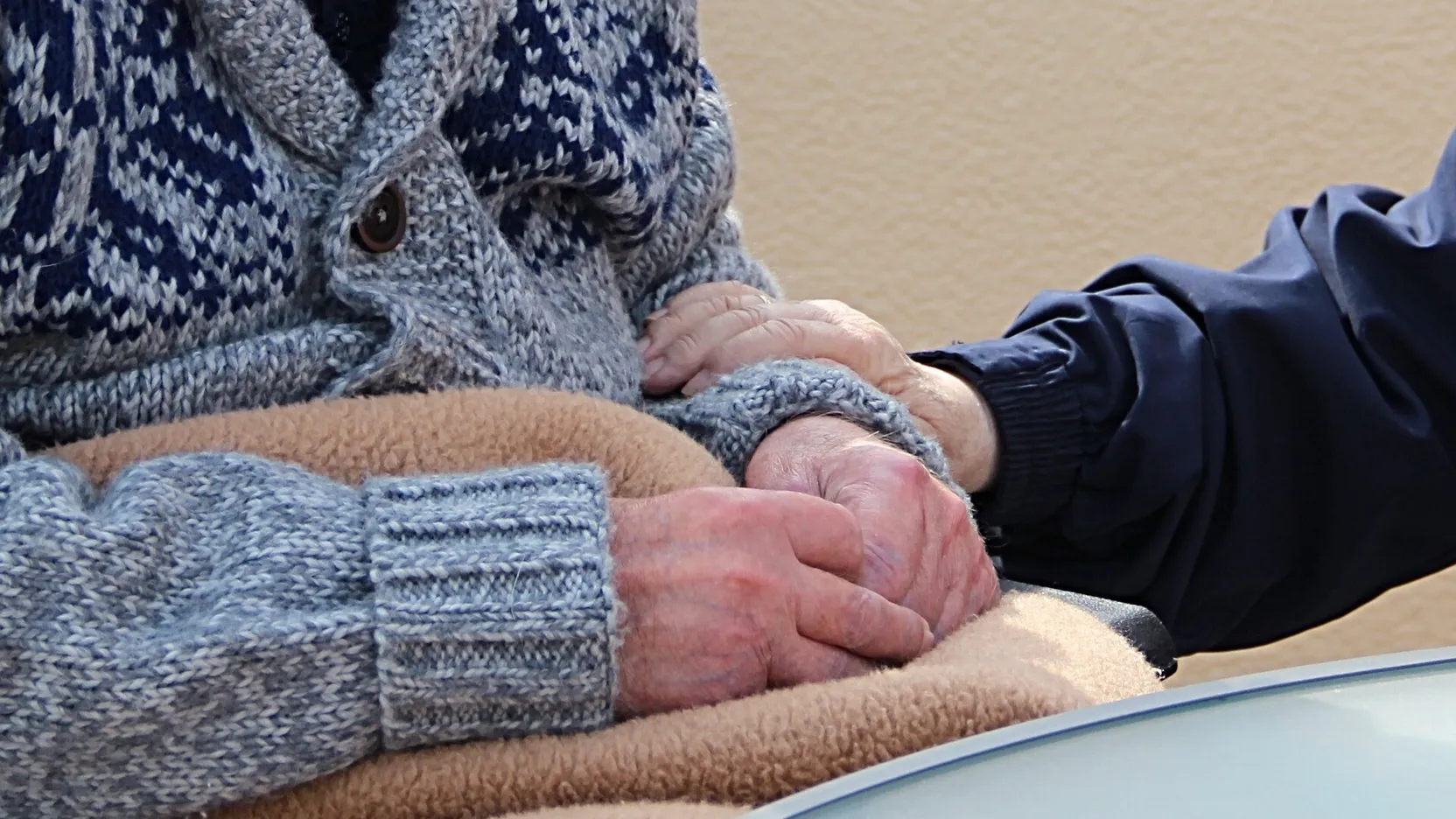 Journal
The day-to-day of caring for someone, and support for the people doing it.
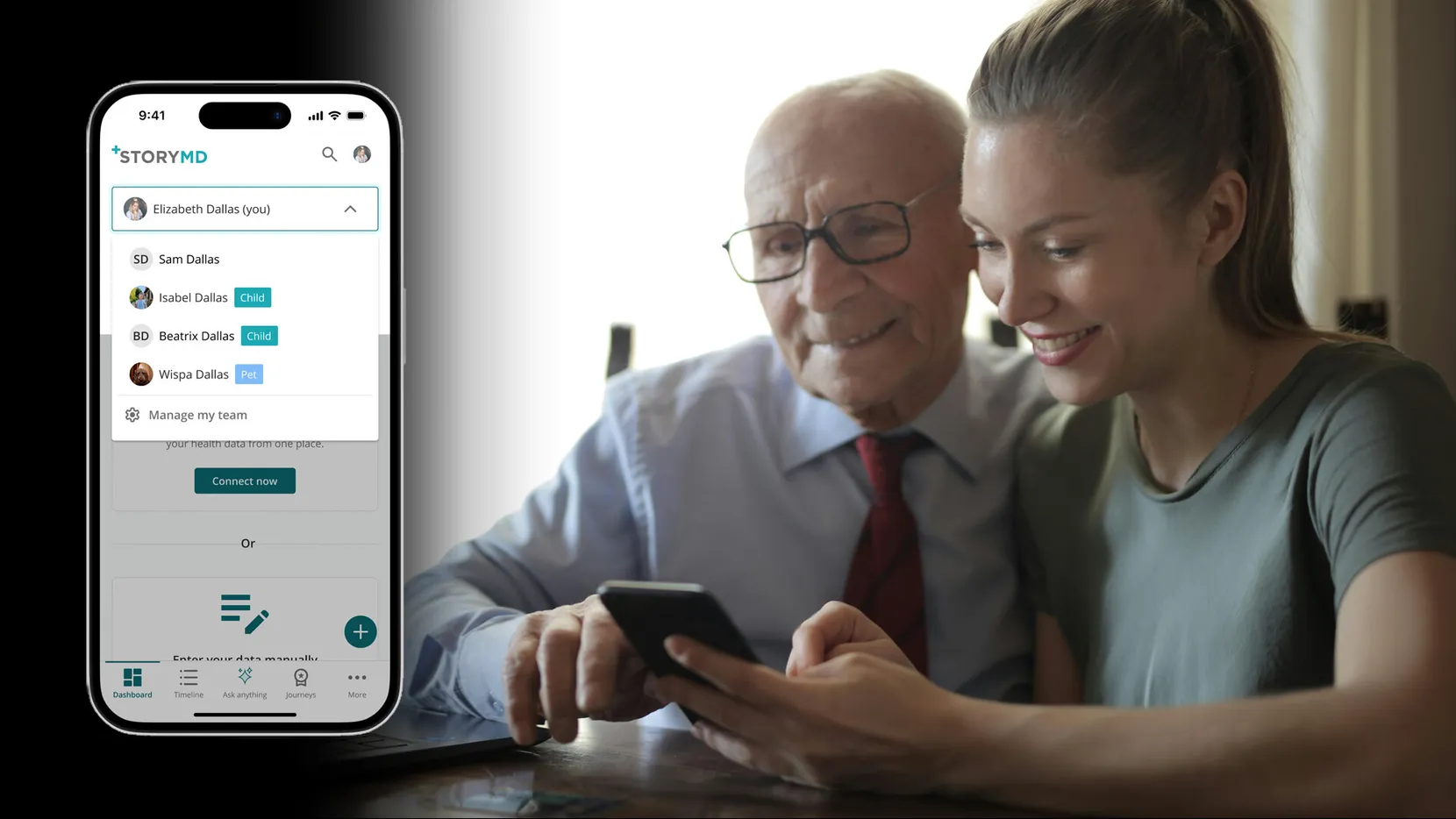
StoryMD's caregiving layer is a secure, all-in-one way for family, friends and caregivers to take an active role in a loved one's care — without the stress that usually comes with it. Their health story follows the person, wherever their care happens.