Start your free trial
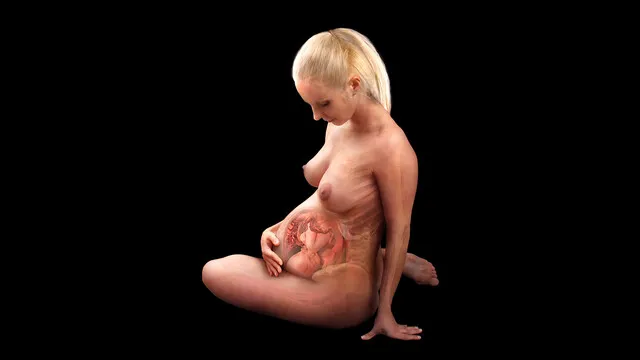
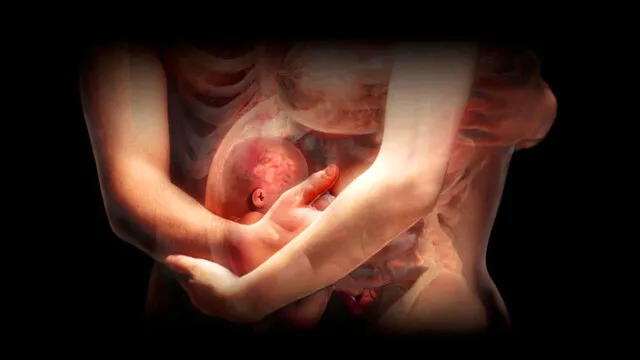
A pregnant woman in profile, the baby visible in her womb

Pregnancy: from one cell to a first breath

In about forty weeks, a baby grows from conception to birth, ready to meet the world, and a mother's body changes to carry it. This is the pregnancy timeline, week by week: how the baby grows, what the mother's body is doing, and the care that tracks them both.

Conception to birth

Forty weeks, stage by stage

Pregnancy is counted from the first day of the last period, in three trimesters. At each stage, how the baby grows, and what to know: the mother's changes and the prenatal care that tracks them.

StoryMD follows mother and baby together, in each of these.

  • The baby's growth
  • The mother's changes
  • Prenatal visits
  • Screenings and tests
  • Vaccines
  1. Conception & implantation

    It begins before anyone knows: a single cell finds its place.

    The baby

    Weeks are counted from the last period, so conception happens around week 2. The fertilized egg divides as it travels down the fallopian tube and, as a blastocyst, implants in the lining of the uterus around weeks 3 to 4. Its outer cells start to form the placenta, and hCG, the hormone a pregnancy test detects, begins to rise.

    • Conception
    • Implantation
    • hCG rises
    • A positive test

    What to know

    A home test can turn positive around the time of a missed period. A daily prenatal vitamin with 400 micrograms of folic acid, ideally started before conception, lowers the risk of neural tube defects. Stop alcohol and smoking, and review any medicines with your clinician.
  2. The embryo & the heartbeat

    A heart begins to beat, and every organ starts to form.

    The baby

    The neural tube, which becomes the brain and spinal cord, closes by about week 6. A simple heart tube starts beating and folds into four chambers; arm and leg buds appear, and every major organ begins to form. By week 8 the embryo is about half an inch long.

    • Neural tube closes
    • The heart beats
    • Arm and leg buds
    • Organs begin to form

    What to know

    The first prenatal visit usually falls between weeks 8 and 10: a dating ultrasound, blood tests, and a talk about diet, medicines and screening options. Nausea, tiredness and tender breasts are common now; small, frequent meals help with nausea.

  3. From embryo to fetus

    The embryo becomes a fetus, its organs in place.

    The baby

    From week 9 the embryo is called a fetus. Fingers and toes separate, the kidneys begin to make urine, and the face takes shape; by week 12 the fetus can open and close its fists. The placenta takes over making the hormones that sustain the pregnancy, and the risk of miscarriage falls.

    • Embryo becomes fetus
    • Fingers and toes
    • Kidneys start working
    • First-trimester screening

    What to know

    First-trimester screening, between weeks 10 and 13, estimates the chance of chromosomal conditions with a cell-free DNA blood test, or with blood tests and a nuchal translucency ultrasound; a diagnostic test such as CVS can confirm a result. Screening is a choice to talk through with your clinician.

  4. A growing bump

    For many, the second trimester is the easiest stretch.

    The baby

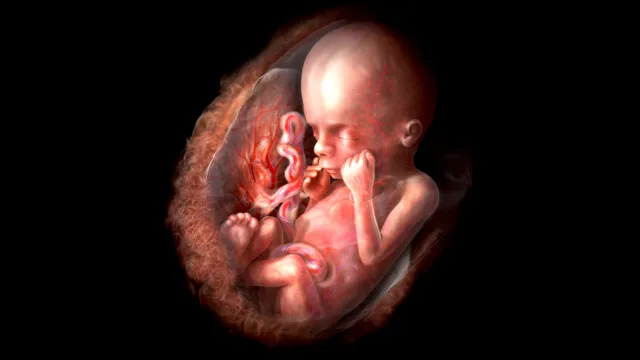
    Nausea usually eases and energy returns. The fetus grows quickly, its skeleton hardening from cartilage to bone; it makes sucking motions and senses light through its eyelids. The uterus rises above the pelvis, and the bump begins to show.

    • Energy returns
    • Bones harden
    • The bump shows
    • The quad screen

    What to know

    Between weeks 15 and 20, a blood test called the quad screen can screen for neural tube defects and some chromosomal conditions, and amniocentesis can confirm a result. Steady weight gain matters now; your clinician will suggest a range for you.

  5. First kicks & the anatomy scan

    The first flutters of movement arrive, halfway there.

    The baby

    Between about weeks 16 and 22, most people feel the first movements, called quickening, earlier in a second pregnancy. The fetus hears sounds, grows hair and is covered in a protective coating called vernix. By week 20 it's about six inches long from head to bottom, and the pregnancy is halfway.

    • Quickening
    • Hearing begins
    • Halfway
    • The anatomy scan

    What to know

    The anatomy scan, a detailed ultrasound at 18 to 22 weeks, checks the baby's organs and growth, where the placenta sits and the amount of fluid. It's often when parents can learn the baby's sex, if they want to.

  6. Lungs, eyes & viability

    The lungs prepare for a first breath.

    The baby

    The lungs begin making surfactant, which will help them inflate after birth, and the fetus practices breathing movements and puts on fat. The eyes open around week 26. A baby born at 24 weeks can survive with intensive care, though every added week in the womb improves the outlook.

    • Lungs make surfactant
    • Eyes open
    • Viability
    • Glucose screening

    What to know

    Screening for gestational diabetes, with a glucose drink, happens between weeks 24 and 28, and a blood count checks for anemia. If your blood type is Rh-negative, an Rh immune globulin shot is usually given around week 28. Learn the signs of preterm labor.

  7. The final stretch

    The baby puts on weight, and the brain grows fast.

    The baby

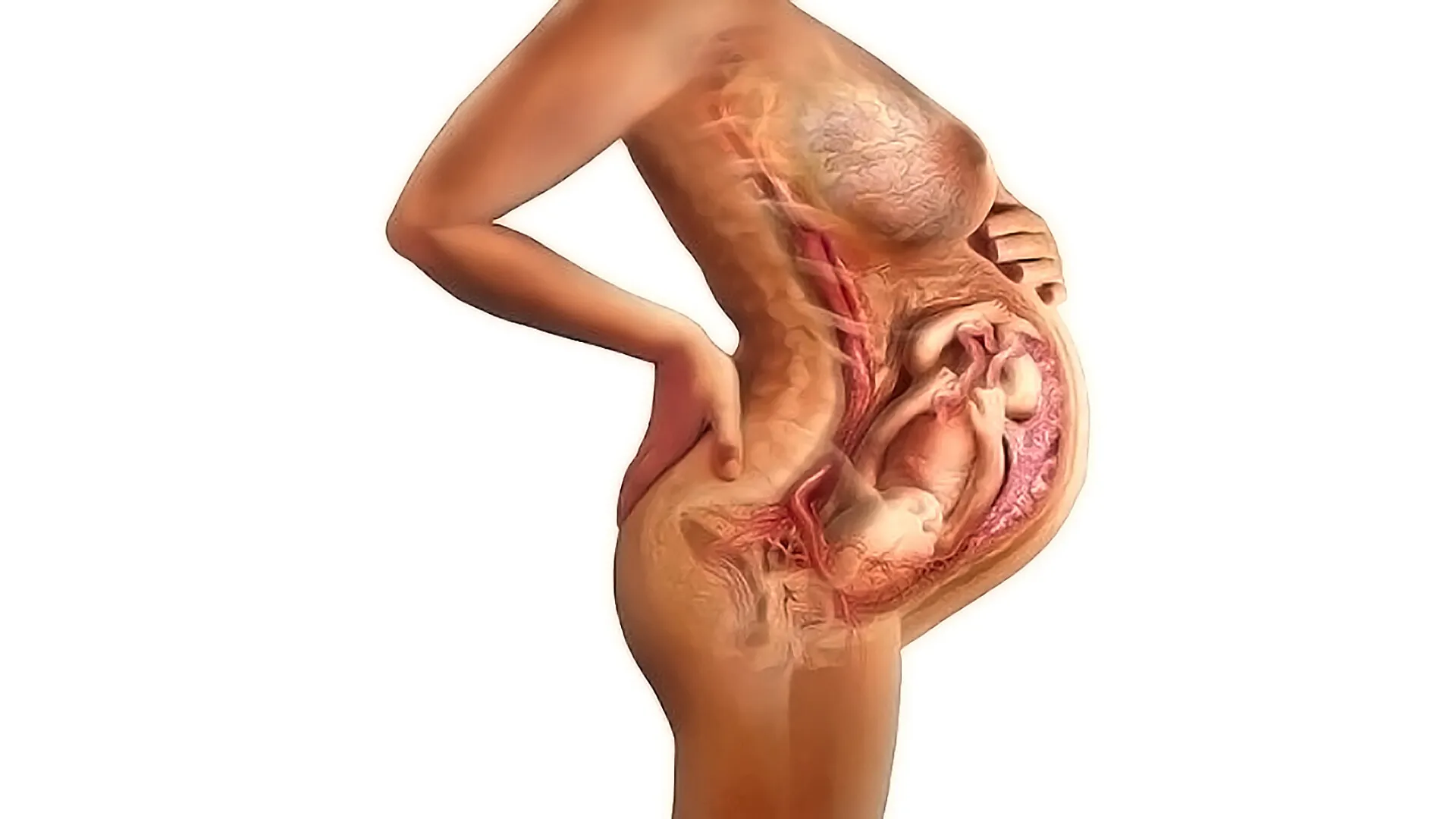
    The fetus opens and closes its eyes, sleeps and wakes in cycles, and gains weight quickly as fat builds under the skin. The brain grows rapidly. For the mother, the growing uterus can bring backache, heartburn, shortness of breath and trouble sleeping.

    • Rapid weight gain
    • Sleep and wake cycles
    • Brain growth
    • The Tdap vaccine

    What to know

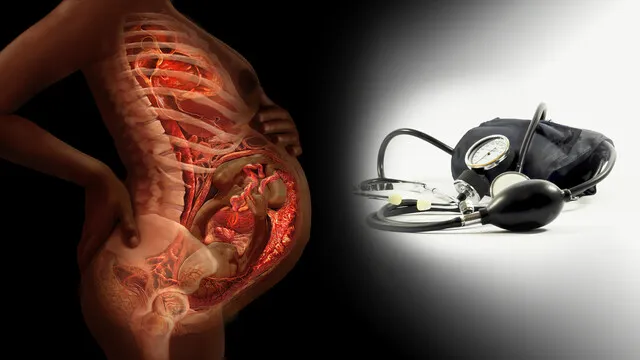
    Visits come every two weeks from about week 28. The Tdap vaccine, between weeks 27 and 36, passes protection against whooping cough to the baby, and an RSV vaccine may be offered at 32 to 36 weeks. Notice how the baby usually moves, and call if it changes.

  8. Getting ready

    The baby turns head down and gets ready for birth.

    The baby

    Most babies settle head down by week 36. The lungs and brain keep maturing, and the bones harden, all but the skull, which stays soft to pass through the birth canal. Braxton Hicks contractions, irregular and painless tightenings, are the uterus practicing.

    • Head down
    • Lungs mature
    • Braxton Hicks
    • Group B strep test

    What to know

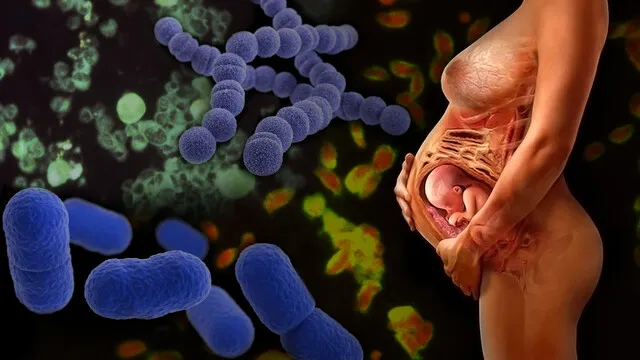
    A swab for group B strep between weeks 36 and 37 tells your team whether you'll need antibiotics in labor. Visits become weekly from week 36. If the baby is breech, your clinician may talk about turning it.

  9. Full term

    Full term: ready to meet the world.

    The baby

    From 39 weeks a pregnancy is full term. The baby's organs are ready to work on their own; it weighs about seven to eight pounds on average and drops lower into the pelvis. Only about 1 in 20 babies arrives on the due date itself.

    • Full term at 39 weeks
    • The baby drops
    • Signs of labor
    • Ready for birth

    What to know

    Know the signs of labor: contractions that come regularly and grow closer and stronger, your water breaking, or bloody show. Past 41 weeks, your clinician will watch the baby more closely and talk about inducing labor.

  10. Labor & birth

    Labor comes in three stages, the last one the placenta.

    The baby

    In the first stage, contractions open the cervix to 10 centimeters: the longest stage, especially in a first birth. In the second, the mother pushes and the baby is born; in the third, the placenta is delivered. About a third of US babies are born by cesarean.

    • The cervix opens
    • Pushing and birth
    • The placenta
    • Skin to skin

    What to know

    Pain relief ranges from movement and breathing to an epidural. A cesarean may be planned, or needed during labor. Afterward, skin to skin and the first feeding begin, and with them the postpartum recovery.

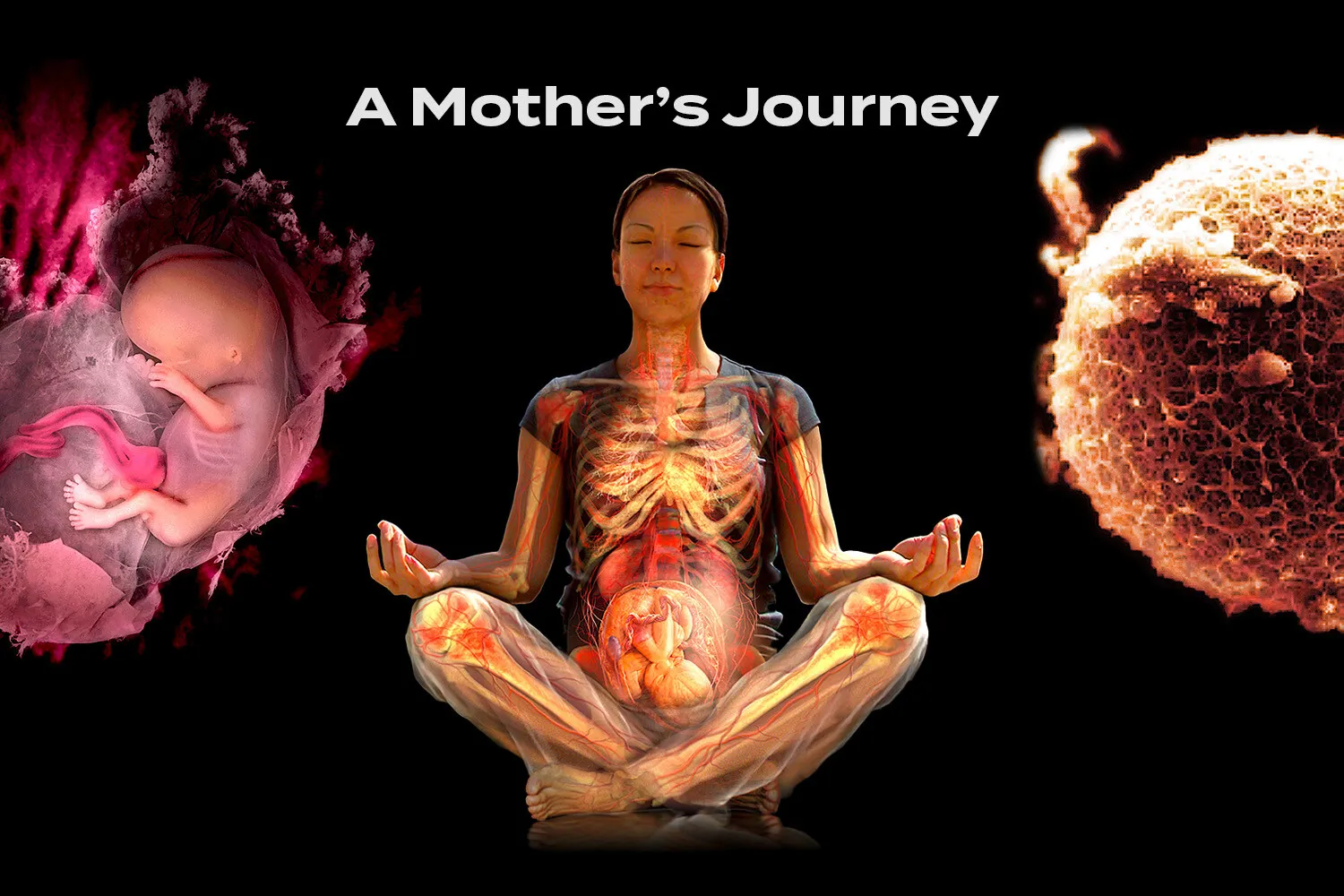
A pregnant woman meditating, her baby visible in her womb, between a fetus and a human egg, under the words “A Mother's Journey”
Pregnancy

Forty weeks, one new life.

From a single cell to a newborn's first breath, pregnancy is the most remarkable growth a body will ever do, and StoryMD follows mother and baby through every week of it.

Explore in the library