Start your free trial
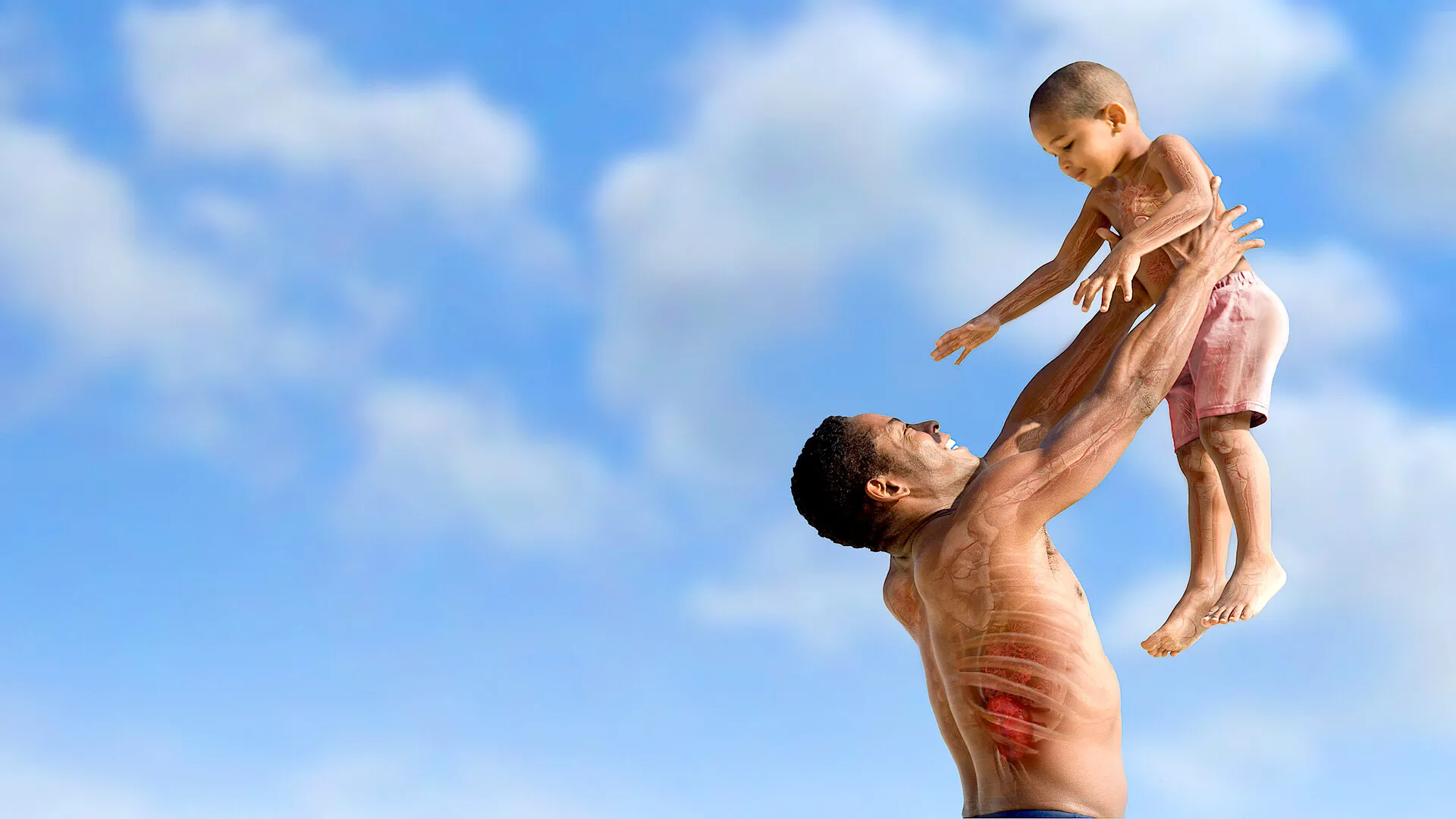
A father lifting his young son into the sky, their muscles and skeletons visible

Men's health: a lifetime of strength, change & discovery

The story of a man's body is a lifelong marvel — an evolving system shaped by genetics, hormones, development, environment and time. From the earliest formation of reproductive anatomy to the transformations of aging, every stage carries two connected narratives: the wonder of the male body, and the conditions that deserve understanding and care.

Conception to older adulthood

The male life course, stage by stage

Seven stages across a lifetime, from the first formation of life to longevity, each carrying the wonder of the body and the conditions that deserve care.

From adolescence on, sexual function, fertility, reproductive hormones and prostate health evolve on timelines of their own. StoryMD connects them across the stages.

  • Sexual function
  • Fertility
  • Testosterone
  • Prostate health
  • Urinary health
  • Preventive care
  1. Embryonic & fetal development

    The male body takes shape in a tightly timed sequence.

    The marvel

    The male reproductive system takes shape through a tightly timed sequence of genetic, hormonal and anatomical events. The SRY pathway commonly initiates testicular differentiation; fetal Sertoli and Leydig cells then contribute signals that organize internal and external reproductive development.

    • Genetic sex development
    • Formation of reproductive anatomy
    • Testicular differentiation
    • Descent of the testes

    What to know

    Differences of sex development; variations in chromosome or hormone pathways; hypospadias; cryptorchidism (undescended testes); congenital conditions of the kidneys, urinary tract or genital anatomy.
  2. Infancy & toddlerhood

    Life outside the womb begins, with a brief mini-puberty.

    The marvel

    After birth, the body adapts to breathing, feeding, temperature regulation and life outside the womb. A temporary activation of the hypothalamic–pituitary–gonadal axis — often called mini-puberty — raises reproductive hormones during early infancy; growth, sensory learning, movement and attachment develop rapidly.

    • Newborn adaptation
    • Mini-puberty
    • Early growth and movement
    • Attachment and brain development

    What to know

    Undescended or retractile testes; inguinal hernia; hydrocele; urinary-tract or genital differences; feeding and growth concerns; early developmental, hearing or vision concerns.

  3. Childhood

    Childhood is a long stretch of growth and skill-building.

    The marvel

    Childhood is a long period of growth and skill-building. Bones lengthen and strengthen, muscles develop with movement and play, and the brain refines language, memory, attention, coordination and emotional regulation; adrenal androgen activity may begin to rise before gonadal puberty.

    • Steady physical growth
    • Bone and muscle development
    • Learning and coordination
    • Adrenarche begins

    What to know

    Growth or endocrine disorders; childhood obesity and metabolic risk; asthma and allergies; vision and hearing problems; type 1 diabetes; injuries; anxiety, attention, learning or behavioral concerns; uncommon but important childhood cancers.

  4. Adolescence & puberty

    Puberty arrives on its own timetable.

    The marvel

    Activation of the hypothalamic–pituitary–gonadal axis drives puberty. Testicular enlargement is usually the first visible sign, followed by rising testosterone, growth acceleration, changes in body composition, facial and body hair, voice deepening and the onset of sperm production; timing and tempo vary widely.

    • Puberty begins at variable ages
    • Testicular enlargement
    • Voice and body-hair changes
    • Sperm production and fertility

    What to know

    Early or delayed puberty; gynecomastia; acne; testicular torsion or pain; varicocele; sexually transmitted infections; depression, anxiety, eating disorders, body-image distress and substance-use risks.

  5. Adulthood & reproductive maturity

    Many men reach their highest strength and fitness.

    The marvel

    In early adulthood, many men reach high levels of muscle strength, bone mass and cardiorespiratory capacity. The testes continue sperm production, while reproductive hormones, erectile function and fertility are influenced by health, age, medications, environment and lifestyle — not by a single fixed biological setting.

    • Physical capacity and conditioning
    • Sperm production continues
    • Fertility and sexual health
    • Cardiometabolic habits take hold

    What to know

    Male-factor infertility; erectile or ejaculatory disorders; sexually transmitted infections; testicular cancer; varicocele; obesity, hypertension, dyslipidemia, diabetes, sleep disorders, depression, anxiety and injuries.

  6. Midlife & changing physiology

    Physiology changes gradually, not off a cliff.

    The marvel

    Midlife is a period of changing physiology, not a universal hormonal cliff. Testosterone may decline gradually in some men, while muscle mass, body composition, sleep, vascular function and metabolic health reflect the combined effects of aging, activity, chronic conditions and medications; the prostate commonly enlarges with age.

    • Gradual hormonal change
    • Shifts in muscle and fat distribution
    • Prostate and urinary health
    • Cardiovascular risk becomes visible

    What to know

    Benign prostatic hyperplasia and lower urinary-tract symptoms; prostate cancer; erectile dysfunction; cardiometabolic disease; type 2 diabetes; sleep apnea; colorectal cancer; depression; and clinically significant testosterone deficiency in some men.

  7. Older adulthood & longevity

    Age alone doesn't define what a man can do.

    The marvel

    Later life can bring meaningful opportunities for vitality, connection and purpose. Strength training, nutrition, sleep, preventive care and social engagement help support function; healthy aging is highly individual, and chronological age alone does not define capability, sexuality or quality of life.

    • Preserving strength and mobility
    • Bone and muscle aging
    • Prostate and bladder changes
    • Cognitive, cardiovascular & social health

    What to know

    Prostate disease and prostate cancer; sarcopenia and frailty; osteoporosis and fractures; cardiovascular disease and stroke; chronic kidney disease; sensory loss; cognitive impairment and dementia; depression, loneliness and medication-related risks.

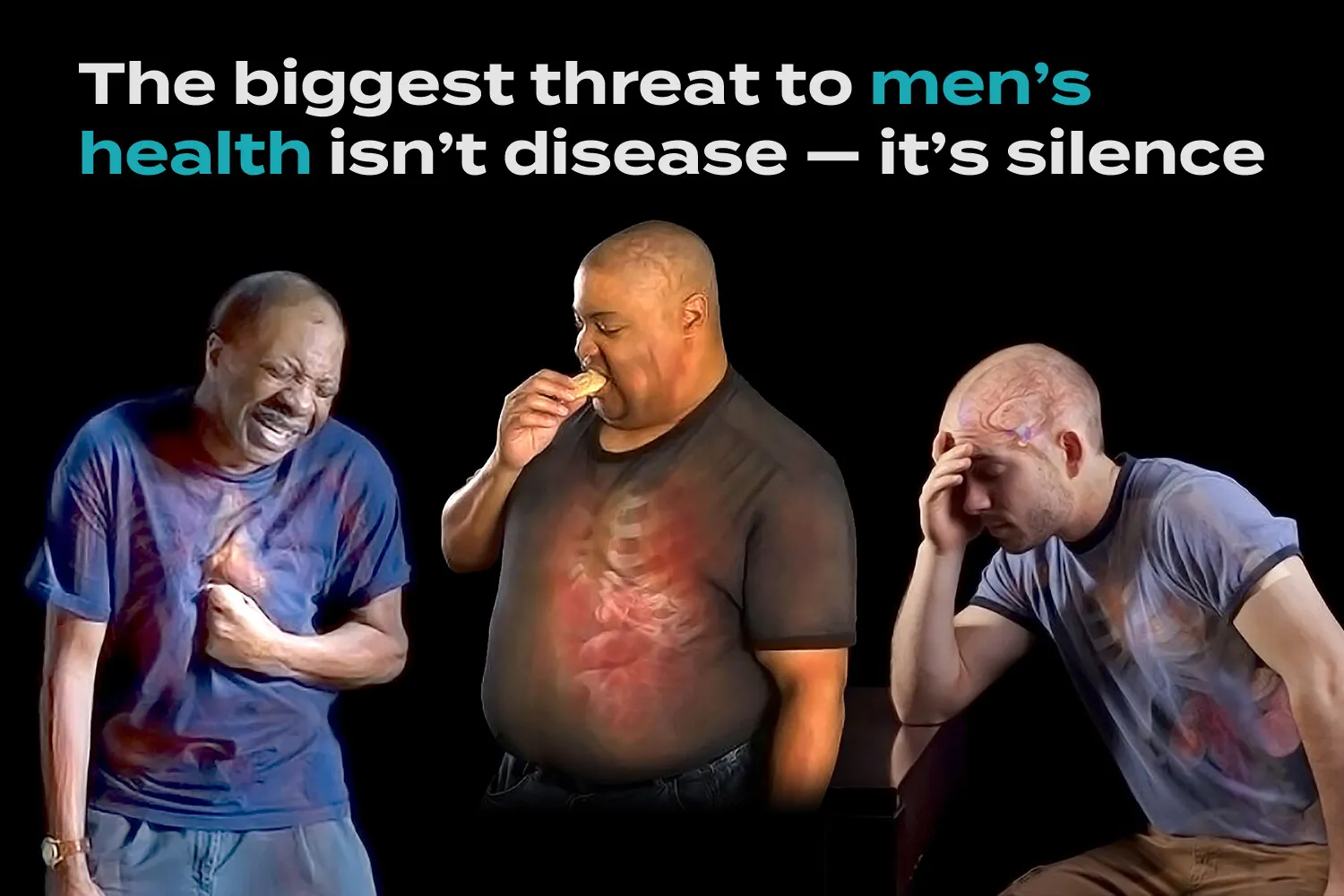
Three men, one clutching his chest, one eating, one with his head in his hand, under the words “The biggest threat to men's health isn't disease — it's silence”
Men's health

Every man the protagonist of his own lifelong health journey.

From the first formation of life to the resilience of older age, the male body is a remarkable story of strength, adaptation, vulnerability and renewal.

Explore in the library