Start your free trial
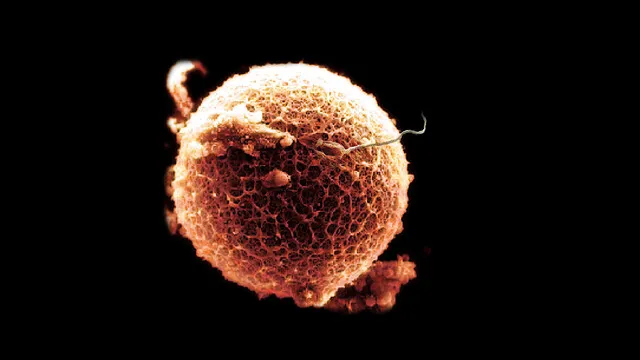
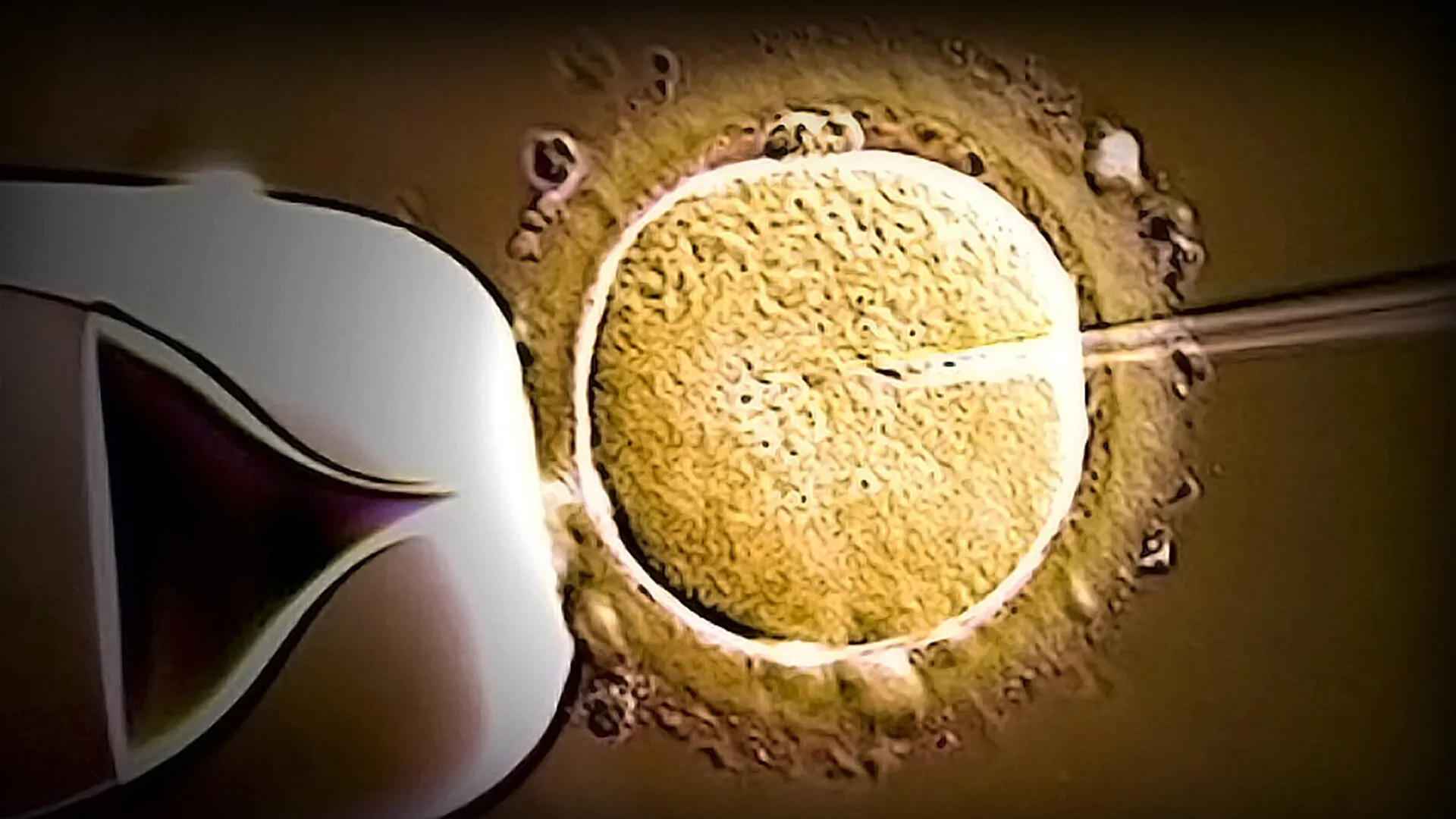
An egg held by a pipette while a fine needle injects a single sperm (ICSI)

Infertility and IVF: assisted reproduction

Infertility is common — about 1 in 8 couples in the US. When conception doesn't come on its own, assisted reproductive technology (ART) can help, and today roughly 2% of US births each year begin with technology like IVF. This maps the path from first questions through a full IVF cycle, step by step.

First tests to pregnancy test

The IVF cycle, step by step

Each step carries two stories: what happens in the body and the lab, and what it means for the people living it.

IVF is one of several paths of assisted reproduction, and StoryMD follows each of them.

  • IUI
  • IVF
  • ICSI
  • Egg donation
  • Sperm donation
  • Egg freezing
  • Surrogacy
  • Genetic testing
  1. Evaluation & diagnosis

    IVF starts with finding the why.

    What happens

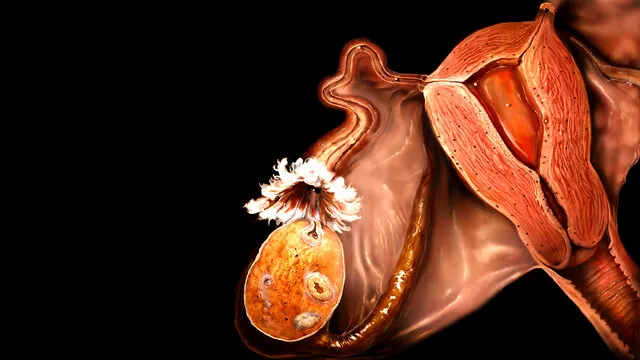
    Doctors measure ovarian reserve (AMH, FSH and an antral follicle count), check the uterus and fallopian tubes by ultrasound, HSG or hysteroscopy, and run a semen analysis. The cause is often found: ovulation disorders like PCOS, endometriosis, blocked tubes, fibroids or male-factor infertility. Sometimes it's unexplained.

    • Ovarian reserve (AMH)
    • Semen analysis
    • Tubal & uterine exam
    • Finding the cause

    What to know

    See a specialist after 12 months of trying, or after 6 months from age 35, since fertility declines with age. IVF isn't always the first step: lifestyle changes, medication and IUI (washed sperm placed in the uterus around ovulation) often come first. The diagnosis shapes the plan.
  2. Ovarian stimulation

    Many eggs grow at once, instead of the usual one.

    What happens

    Daily hormone injections (follicle-stimulating hormone) grow many follicles at once. Ultrasound and blood tests track them, while a GnRH medication keeps the eggs from releasing too soon. When they're ready, a “trigger” shot of hCG matures them for retrieval.

    • FSH injections
    • Follicle monitoring
    • Trigger shot (hCG)
    • OHSS watch

    What to know

    This is the most medication-intensive step, and its main risk is ovarian hyperstimulation syndrome (OHSS): usually mild, but worth watching. Doses are tailored to ovarian reserve and adjusted at each monitoring visit.

  3. Egg retrieval

    A short procedure collects the eggs.

    What happens

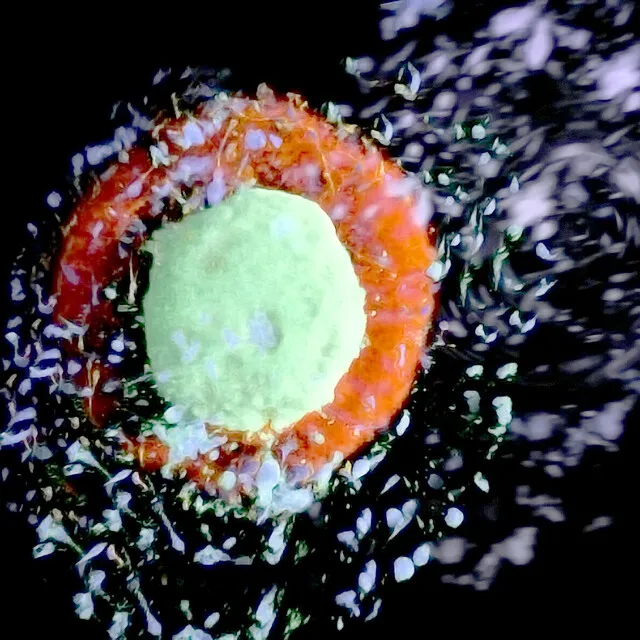
    About 34 to 36 hours after the trigger, under sedation and guided by transvaginal ultrasound, a thin needle draws the fluid, and the eggs, from each follicle. The same day, a sperm sample is provided or surgically retrieved, and the eggs head to the lab.

    • Ultrasound-guided
    • Light sedation
    • Same-day sperm
    • 20 to 30 minutes

    What to know

    Retrieval takes about 20 to 30 minutes; most people rest and go home the same day, with some cramping or spotting. Not every follicle holds a mature egg, so the number retrieved varies from cycle to cycle.

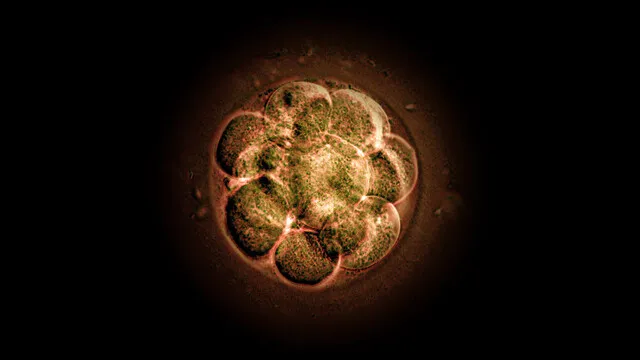
  4. Fertilization & embryo culture

    In the lab, egg meets sperm and embryos begin to grow.

    What happens

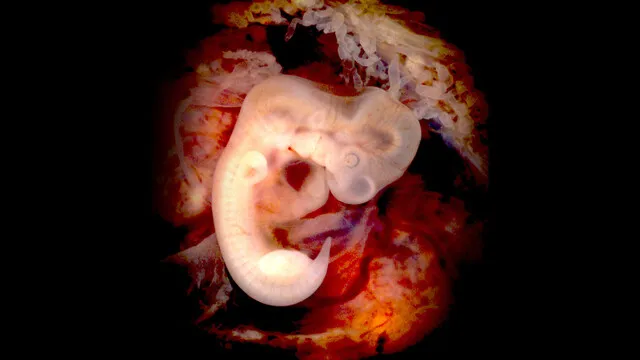
    Eggs and sperm are mixed together (conventional insemination), or a single sperm is injected into each egg (ICSI). Fertilization is checked the next day, and embryos grow for 5 to 6 days to the blastocyst stage. Some families add preimplantation genetic testing (PGT), and surplus embryos can be frozen.

    • Insemination or ICSI
    • Blastocyst (day 5 or 6)
    • Optional PGT
    • Freezing embryos

    What to know

    Not every egg fertilizes, and not every embryo reaches blastocyst: some loss at each step is expected. ICSI helps with male-factor infertility or a prior fertilization failure. Freezing banks embryos for a frozen transfer, which many clinics now prefer.

  5. Embryo transfer

    A single embryo is placed in the uterus.

    What happens

    Guided by ultrasound, a thin catheter places an embryo in the uterus: a quick, usually painless step that needs no anesthesia. It may be a fresh transfer, or a frozen embryo transfer (FET) in a later cycle, with the uterine lining prepared by estrogen and progesterone.

    • Single-embryo transfer
    • Fresh or frozen (FET)
    • Lining prep
    • Donor & surrogacy

    What to know

    Clinics increasingly transfer a single embryo: twins and triplets carry real risks, from preterm birth to complications for parent and babies. Donor eggs or sperm, and gestational surrogacy, open other paths when they're needed.

  6. The two-week wait & test

    Then comes the hardest part: the wait.

    What happens

    Progesterone supports the uterine lining while you wait. About 9 to 14 days after transfer, a blood test measures beta-hCG, the pregnancy hormone; a rising level across repeat tests signals a pregnancy, later confirmed by ultrasound.

    • Progesterone support
    • Beta-hCG test
    • Age & embryo quality
    • Emotional support

    What to know

    With your own eggs, the chance of a live birth per cycle is highest under 35, often around half, and falls with age, sharply after 40; donor eggs raise the odds. Many people need more than one cycle, and support matters as much as the medicine: counseling, and groups like RESOLVE.

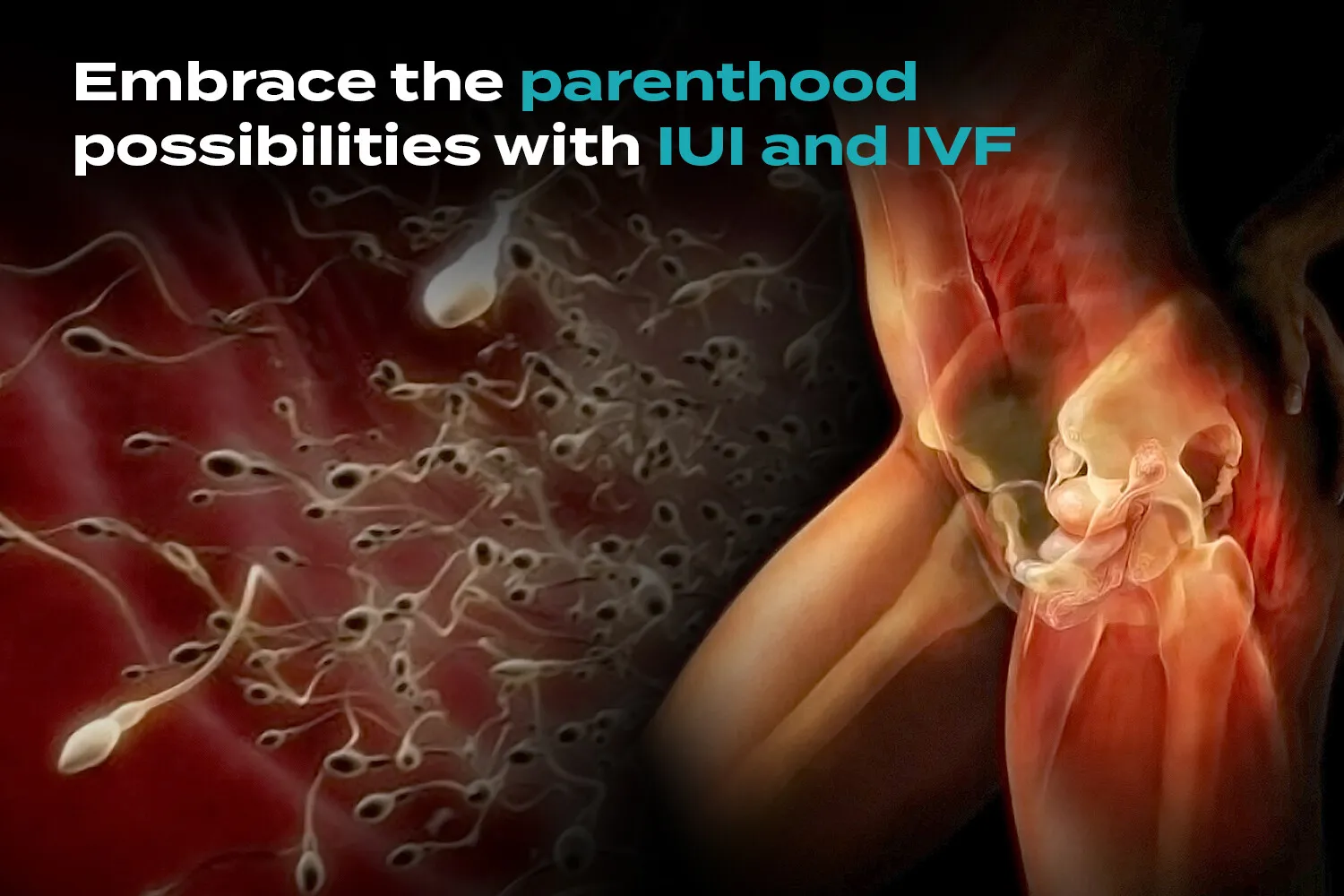
Sperm swimming toward a woman's reproductive organs, under the words “Embrace the parenthood possibilities with IUI and IVF”
Assisted reproduction

Science in the service of a very human hope.

The path can be long, but it has never offered more options — and roughly 2% of US births each year now begin here.

Explore in the library