Start your free trial
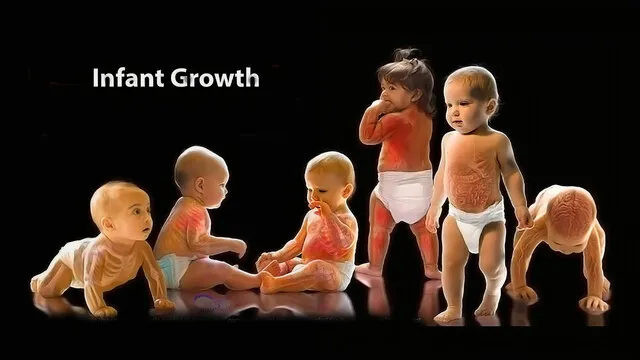
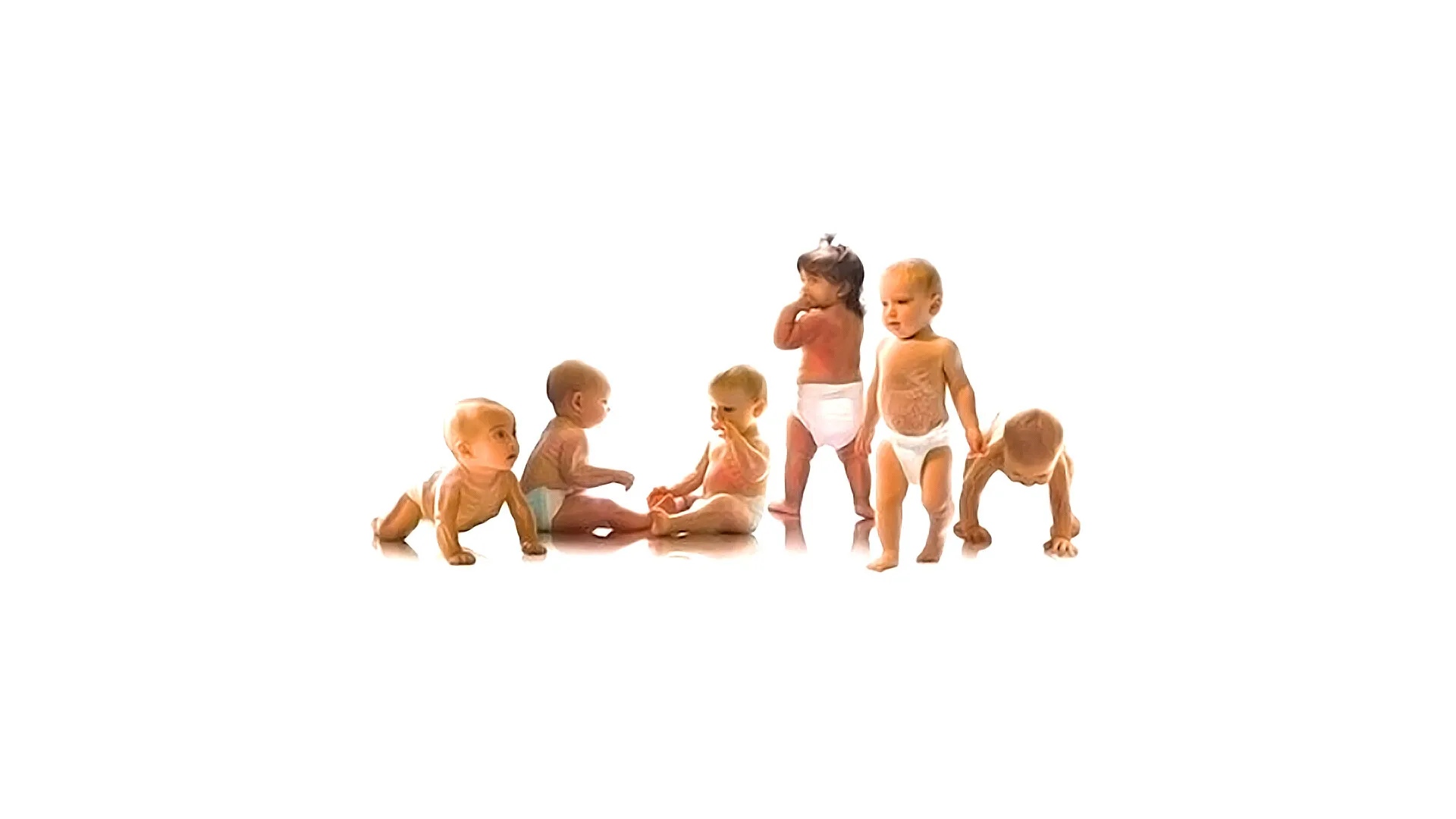
Six babies in a row, from crawling to sitting, standing and taking first steps

The first five years: milestones from birth to age 5

From the first hours after birth to the threshold of school, a child grows across every dimension — body, movement, thinking, language and relationships. This is the map of what most children reach, and when, with the well-child visits that track the way.

Birth to 5 years

Milestones, stage by stage

At each stage, the milestones most children reach (about 75% of them, from the CDC's “Learn the Signs. Act Early.” checklists) and the well-child visit that tracks them. A milestone is a guide, not a deadline.

StoryMD follows a child's growth in each of these dimensions, at every stage.

  • Physical growth
  • Gross motor
  • Fine motor
  • Cognitive & neurological
  • Language & communication
  • Social & emotional
  • Sensory
  1. The newborn

    A newborn arrives wired for connection.

    What emerges

    Reflexes — rooting, sucking, grasping, the startle — run the show, and the senses are tuned to you: baby focuses best 8–15 inches away and prefers your face and voice. Feeding and bonding are the real work of these first weeks.

    • Newborn reflexes
    • Focuses on faces
    • Lifts head briefly
    • Hands to face

    Well-child visit & act early

    The first checkup happens in the hospital: Apgar scoring, a vitamin K shot, eye medication, hearing and blood-spot screening, and bilirubin and heart checks. At the 2–5 day and 1-month visits, the team checks jaundice, reflexes and feeding, and how the whole family is adjusting.
  2. First smiles

    The first social smile is a milestone you feel.

    What emerges

    Baby coos, turns toward a voice, notices their own hands and kicks energetically. By four months they hold the head steady, roll from tummy to back and reach for everything in sight.

    • Social smile
    • Coos & consonants
    • Rolls over
    • Reaches for toys

    Well-child visit & act early

    The two- and four-month visits center on growth and development rather than procedures: tummy time, safe sleep and feeding. For babies born early, milestones are measured by corrected age.

  3. Reaching & rolling

    Half a year in, baby knows the faces they love.

    What emerges

    They laugh, babble and take turns making sounds, roll both ways, sit with support, pass objects from hand to hand and bring everything to the mouth — the surest way an infant explores the world.

    • Knows familiar faces
    • Sits supported
    • Babbles
    • Explores by mouth

    Well-child visit & act early

    The doctor looks for teeth and talks through solid foods, safe sleep and home safety: stair gates, a rear-facing car seat, poisons locked away. Flag anything about hearing, vision or how baby responds to you.

  4. Sitting & standing

    Baby sits alone, pulls up to stand and cruises the furniture.

    What emerges

    They respond to their name, copy sounds and gestures, point to communicate, play peekaboo and feed themselves with their fingers — and may say a word or two with real meaning as toddlerhood begins.

    • Pulls to stand
    • Points to ask
    • First real words
    • Peekaboo & patty-cake

    Well-child visit & act early

    The 9-month visit brings the first formal developmental screening and a check for anemia; the 12-month visit adds lead and iron checks. Reach out promptly if your child loses a skill they once had.

  5. First steps & words

    First steps arrive, and first words with them.

    What emerges

    Toddlers point both to ask and to show, follow simple commands, enjoy books and try new words — two or three at 15 months, more by 18, when pretend play and scribbling begin.

    • First steps
    • Points to share
    • Three or more words
    • Pretend play begins

    Well-child visit & act early

    Developmental screening is repeated at 18 months, with autism-specific screening at 18 and 24 months, and dental checks begin. Corrected age still applies for children born preterm.

  6. The toddler

    Two words become phrases, then real conversations.

    What emerges

    Toddlers copy adults and other children, run and climb stairs, and begin to notice — and care — when someone is upset. By three they ask who, what, where and why, name colors and lose themselves in pretend play.

    • Two-word phrases
    • Copies others
    • Real conversations
    • Cares when others hurt

    Well-child visit & act early

    Developmental screening is recommended at 30 months. Visits weigh language and social-emotional growth as much as motor skills; flag worries about speech, social connection or behavior early.

  7. Into childhood

    Preschoolers tell stories, follow rules and take turns.

    What emerges

    They speak in sentences of four or more words, draw a person with several body parts, count to ten, write some letters of their name, hop on one foot and help with simple chores — ready for the next chapter.

    • Full sentences
    • Tells stories
    • Counts to ten
    • Ready for school

    Well-child visit & act early

    Keep up well-child visits through the preschool years; they are how concerns get caught early. Talk about pre-literacy, screen time, and any worry about attention, speech or coordination.

A toddler walking on the beach holding both parents' hands, under the words “Healthy habits make a happy family!”
The first five years

Five years, a thousand firsts.

Every child writes this timeline in their own hand — the milestones simply tell you when to cheer, and when to ask for help.

Explore in the library