Start your free trial

391 HealthJournals

Bacteria, viruses, fungi and parasites

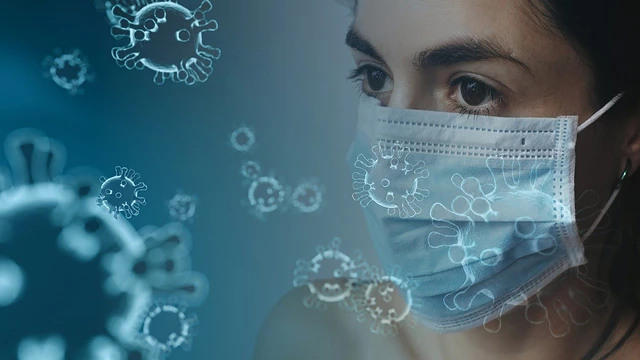
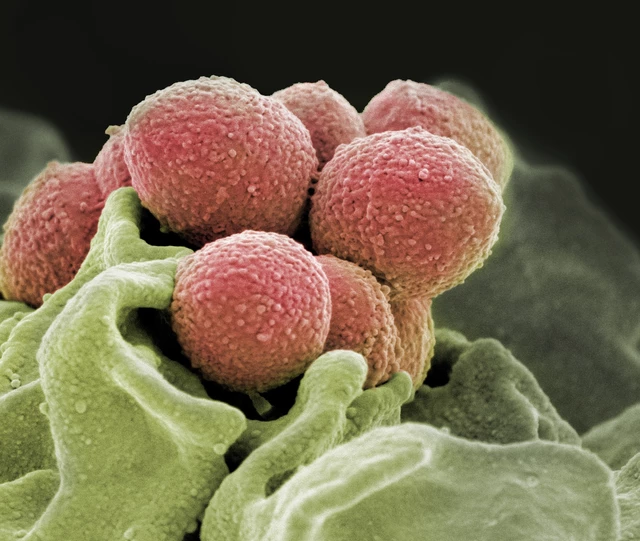
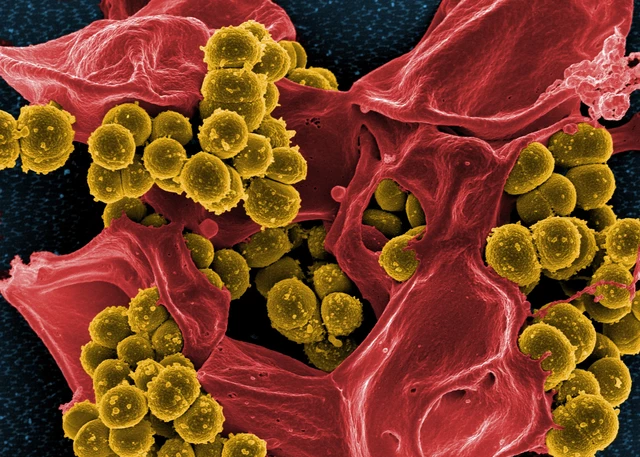
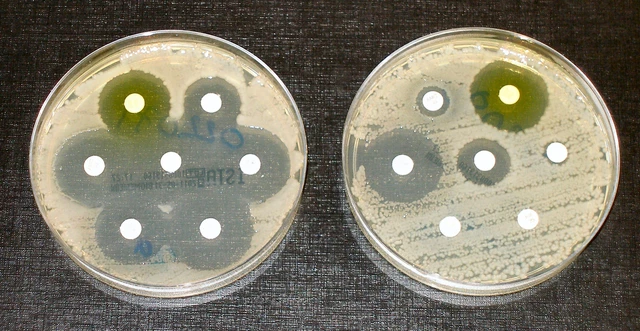
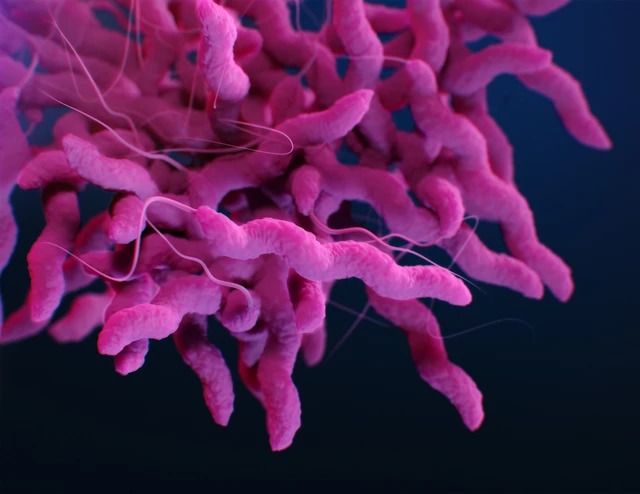
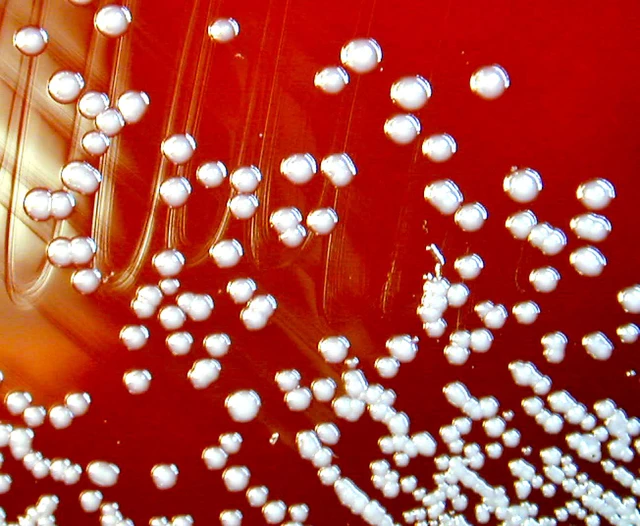
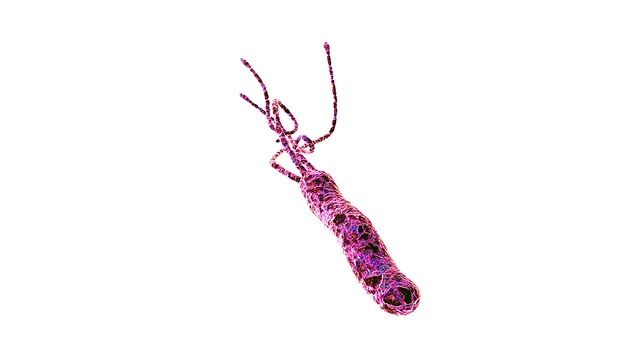
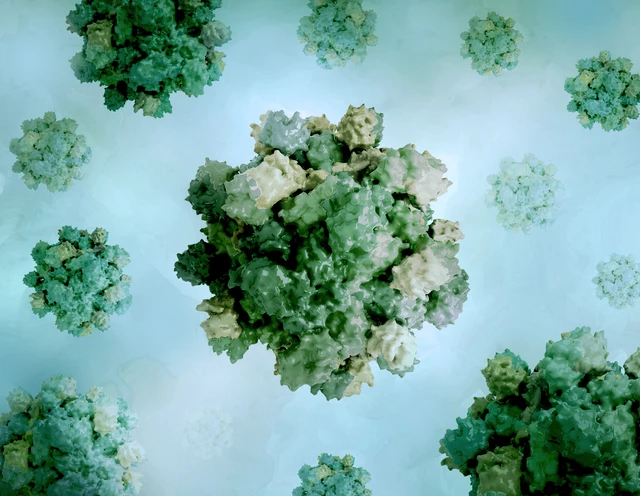
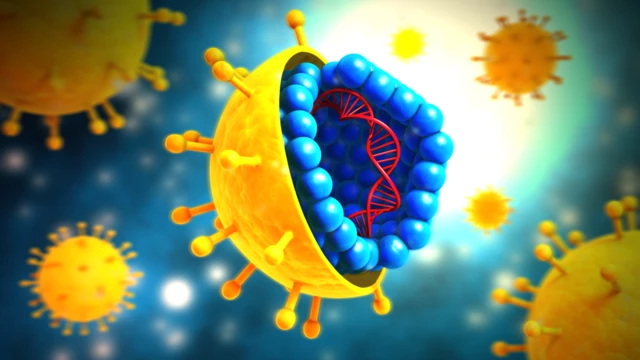
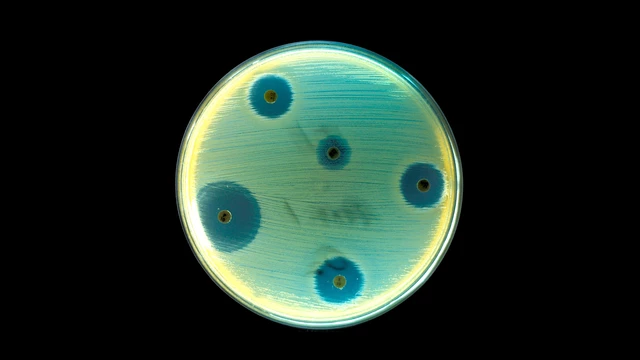
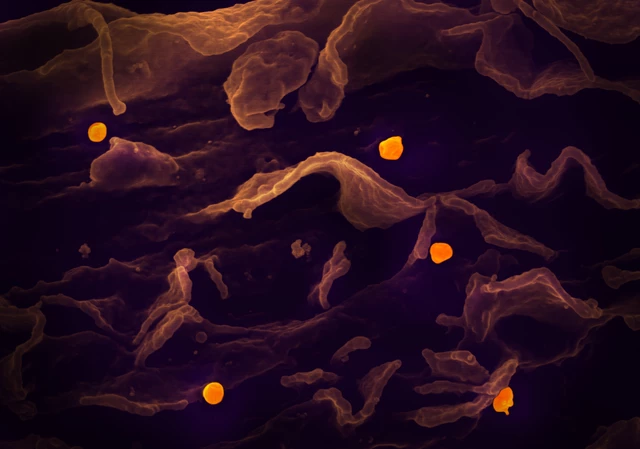
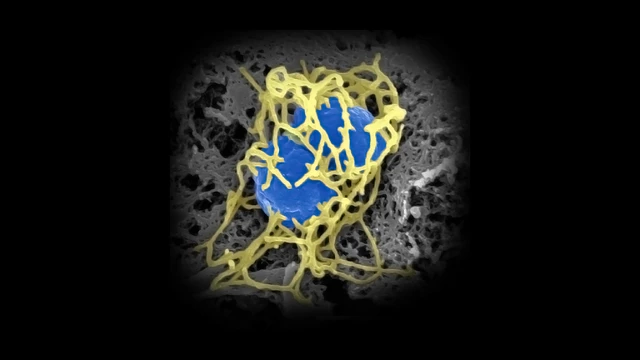
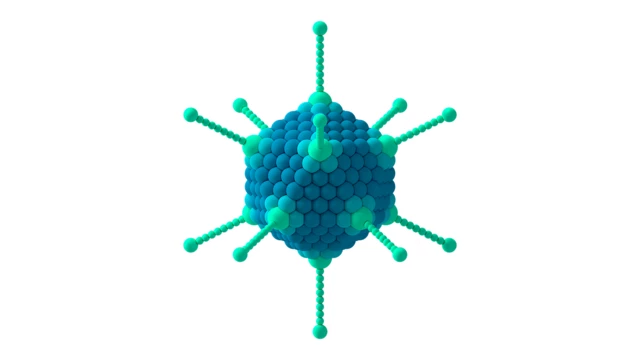
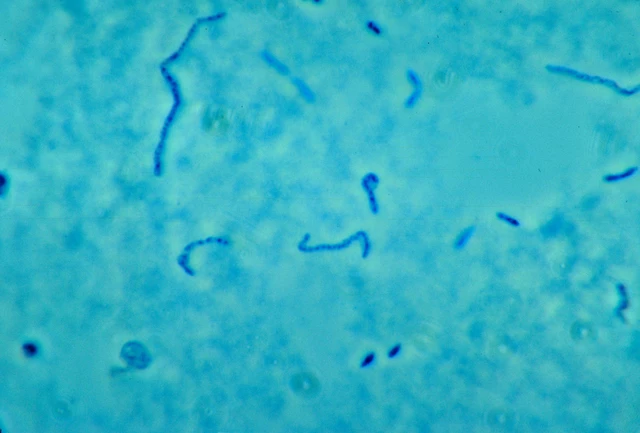
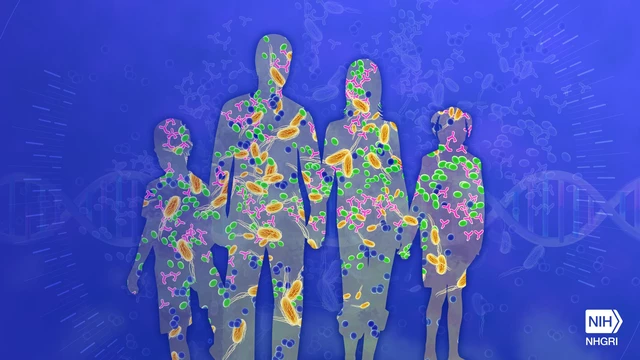
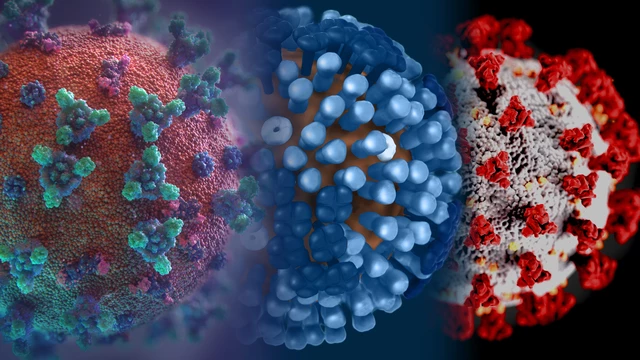
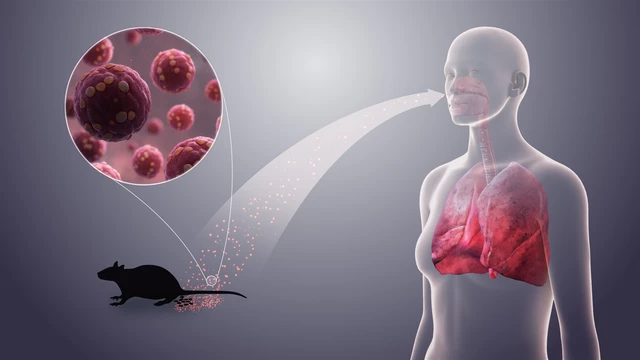
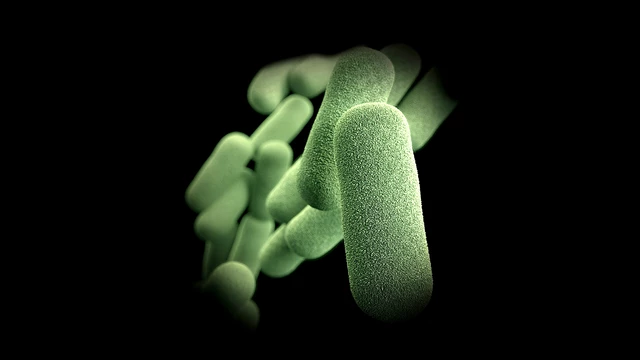
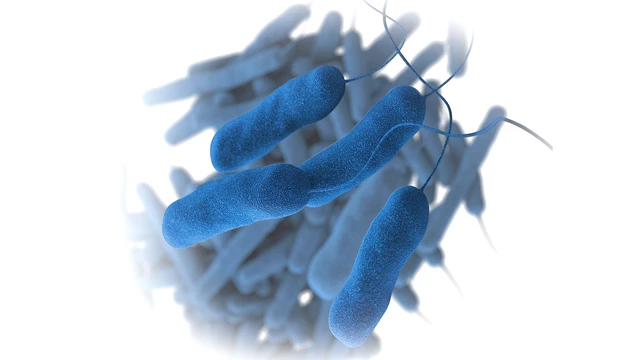
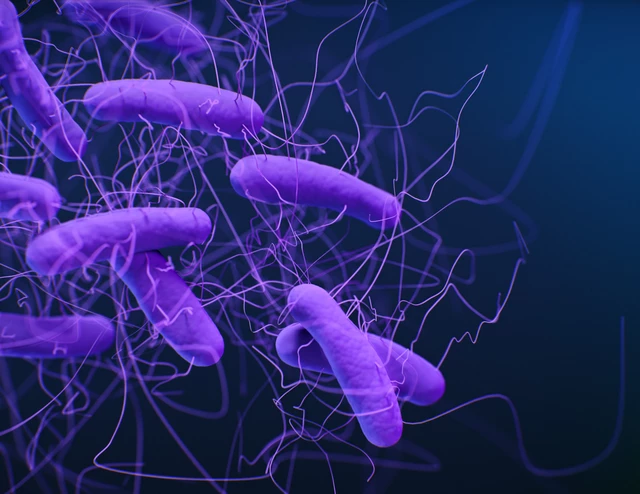
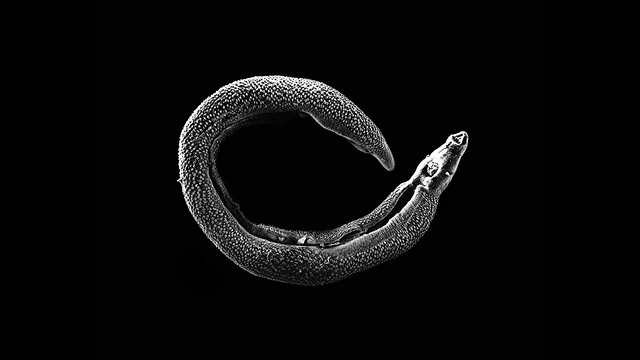
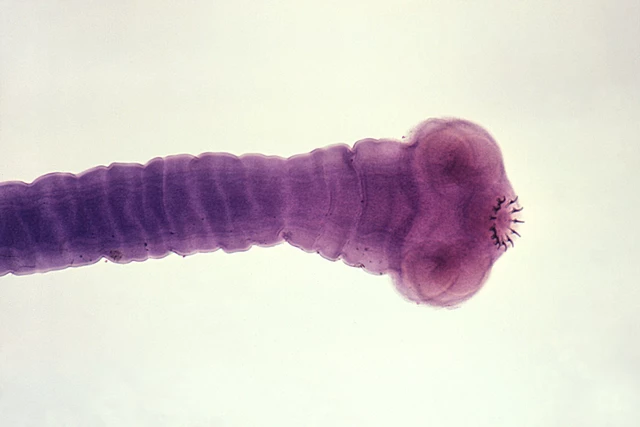
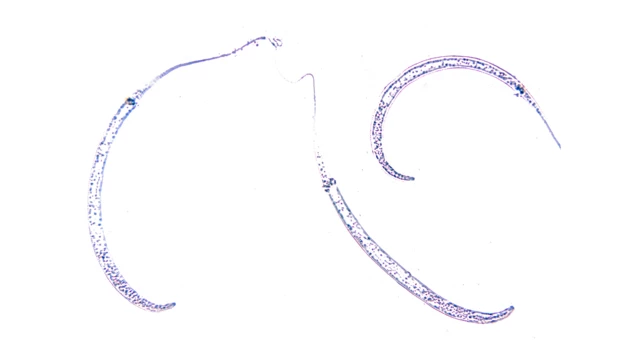
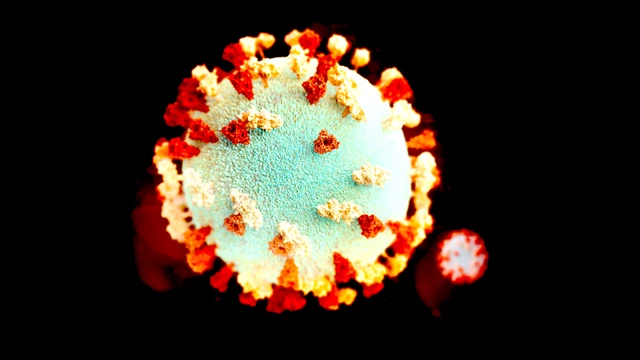
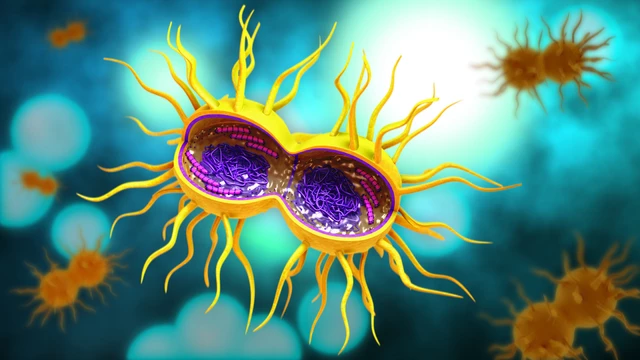
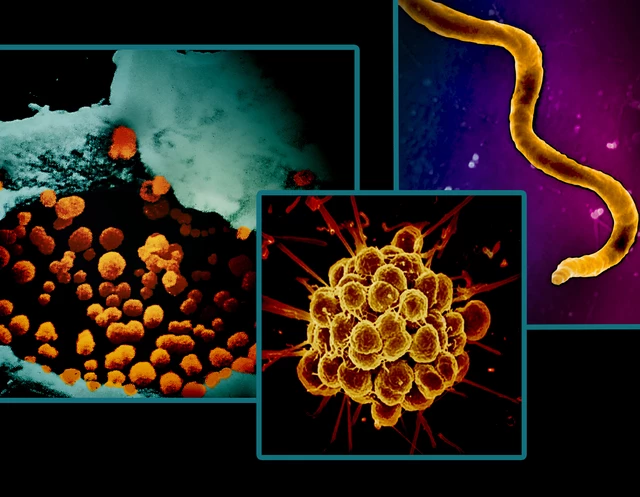
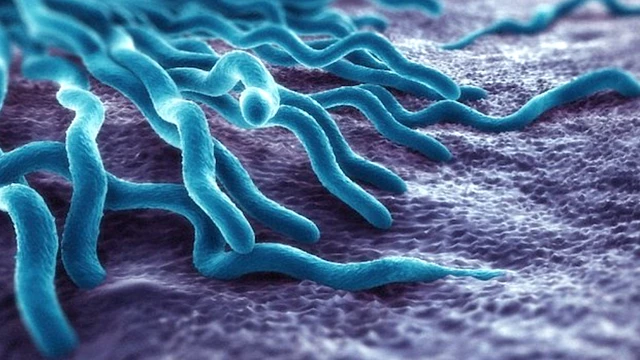
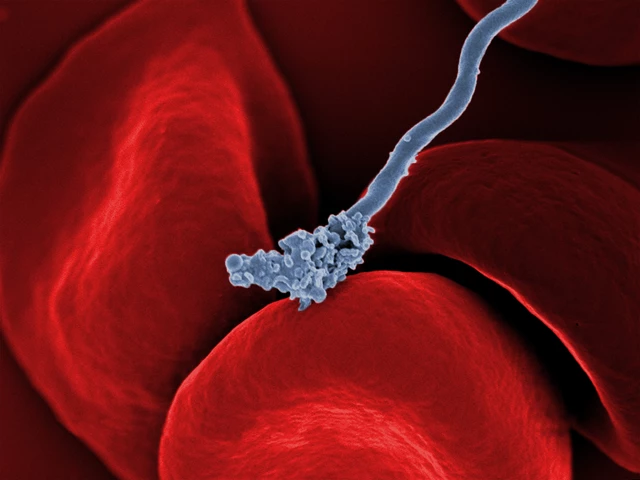
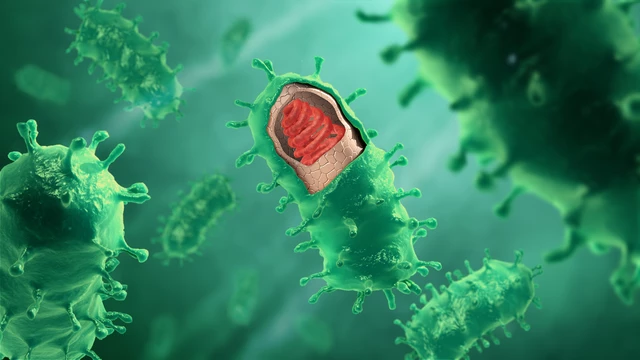
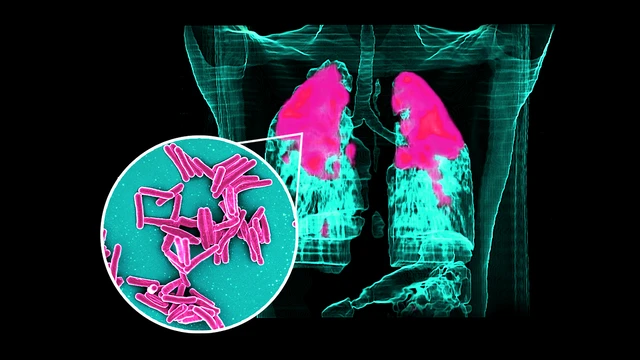
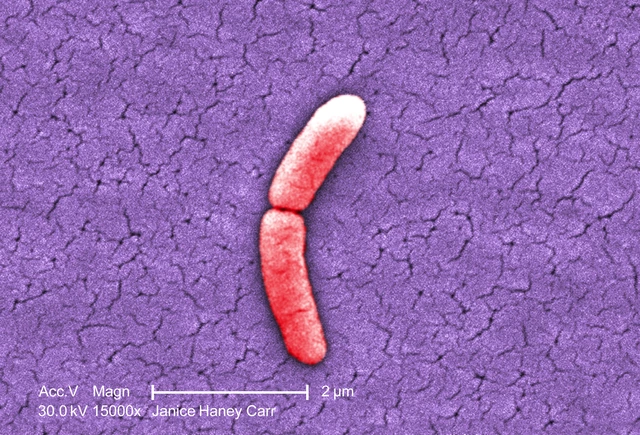
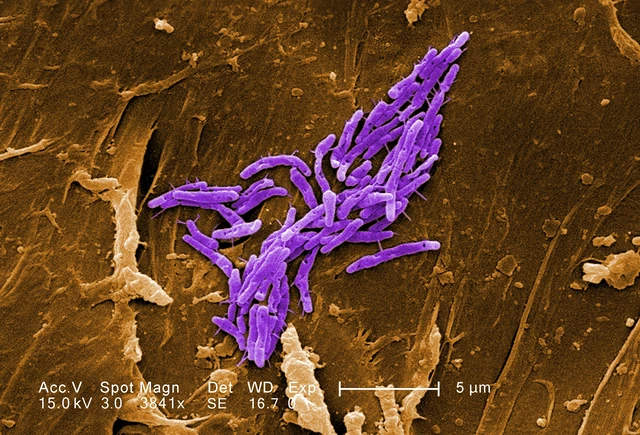
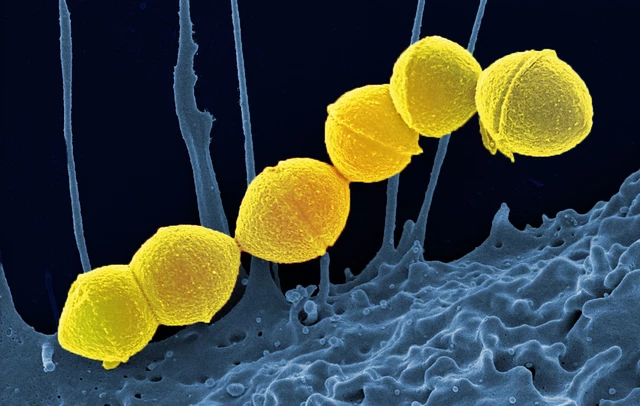
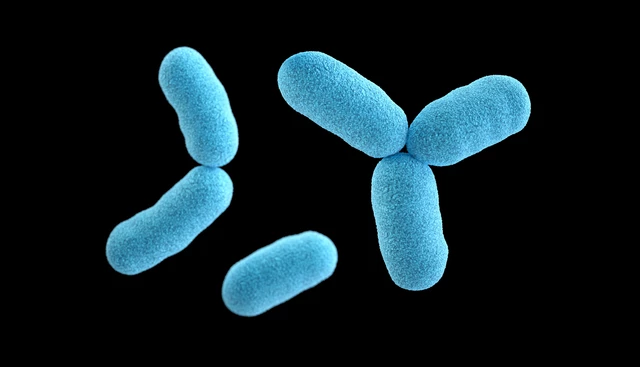
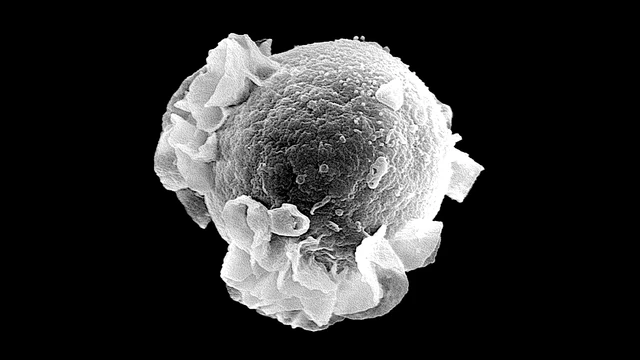
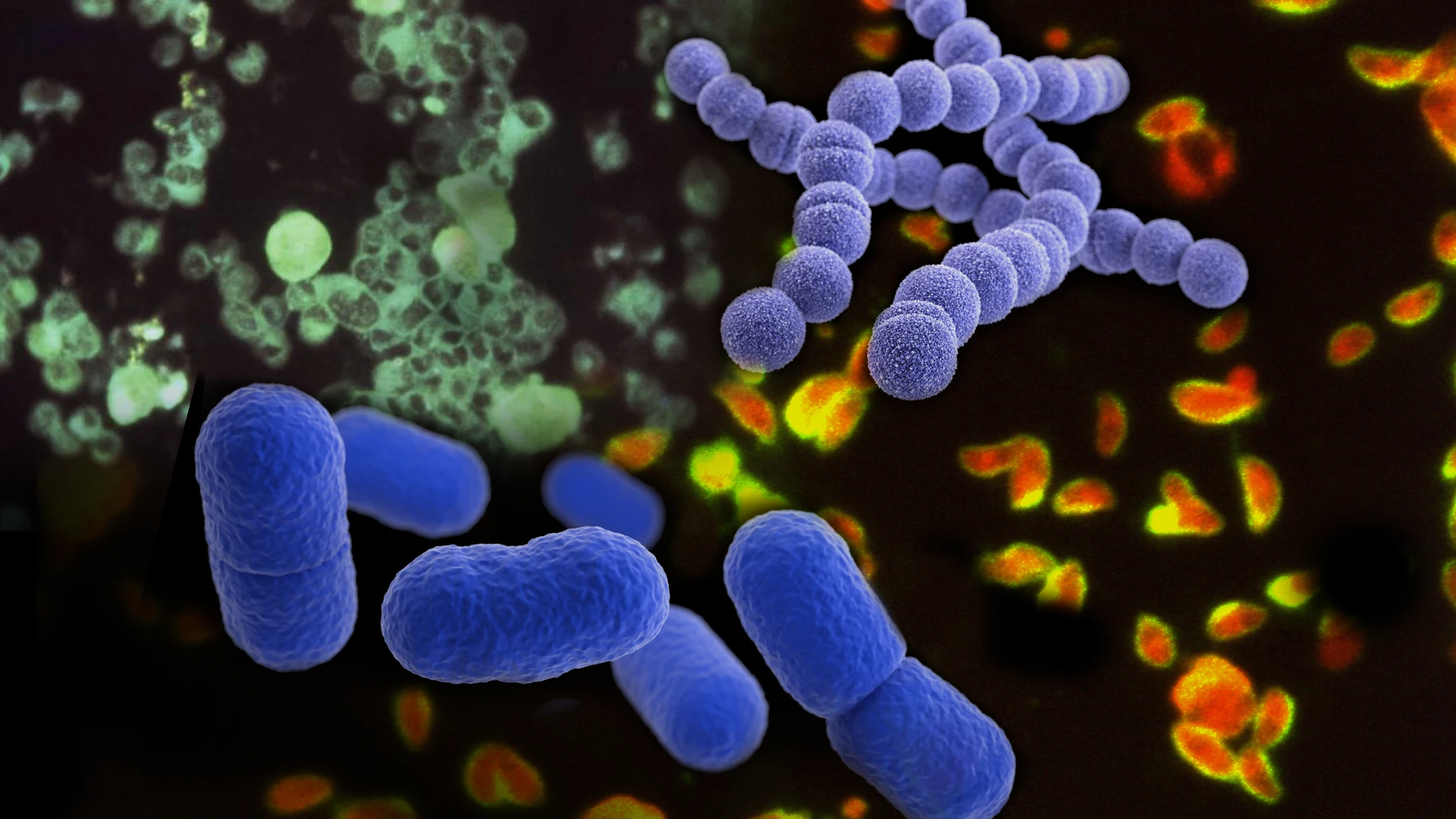
Bacteria, viruses, fungi and parasites are the pathogens, or germs, that cause infectious diseases. They spread through food, water, blood, tick bites and animals, while healthcare-associated infections spread in hospitals. Some, like MRSA, resist the antibiotics meant to treat them, a problem known as antibiotic resistance.

Food and water pathogens and infections

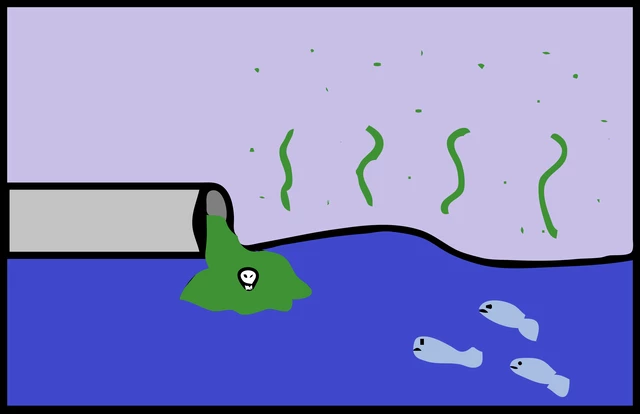
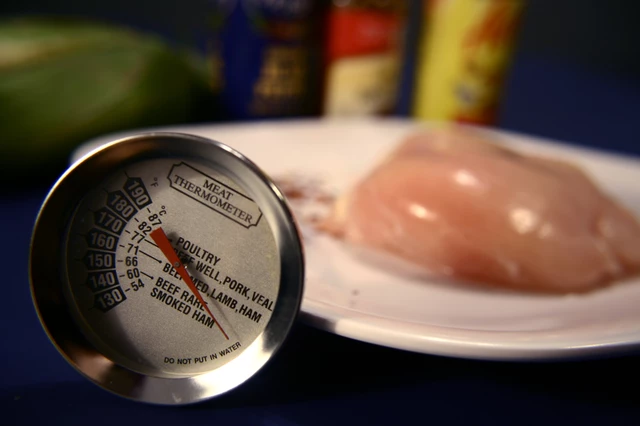
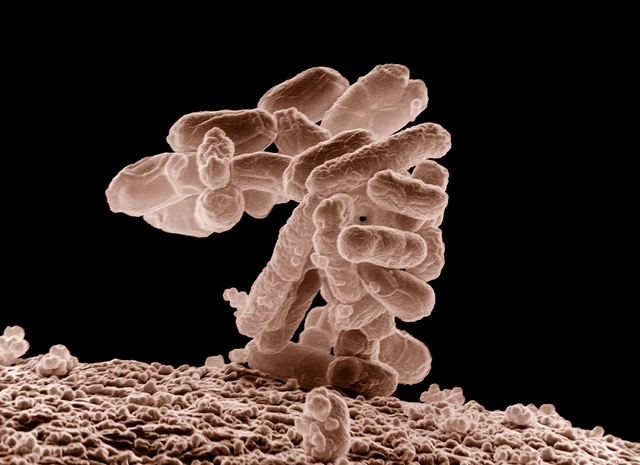
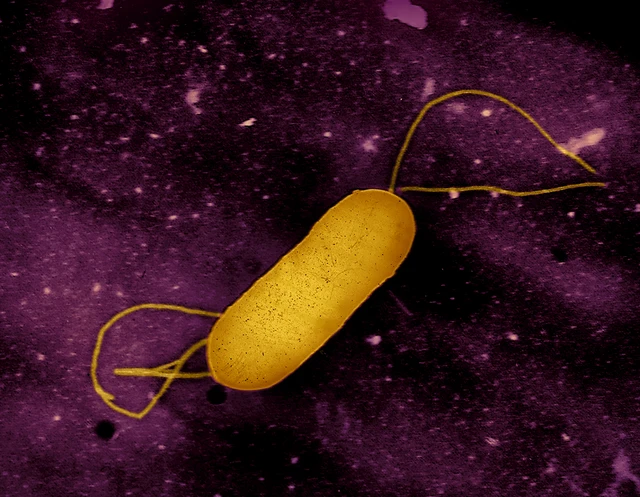
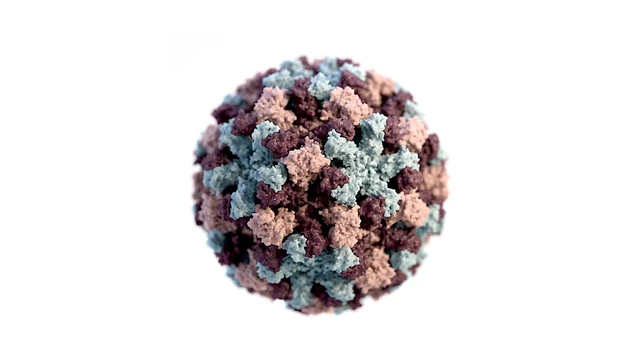
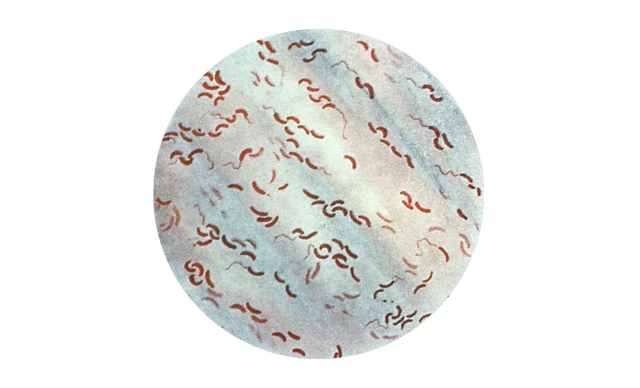
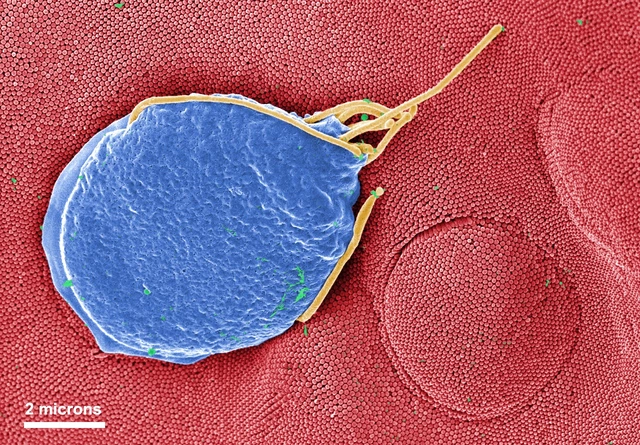
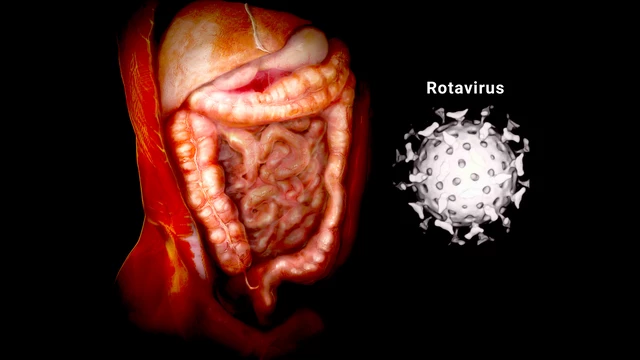
Food poisoning and waterborne diseases come from germs in food and drink. They range from Salmonella, E. coli, Listeria and norovirus to botulism, hepatitis A, cholera and Giardia, most of them causing diarrhea, nausea or vomiting. Safe food handling and clean drinking water help prevent them, at home and when traveling.

Fungal infections

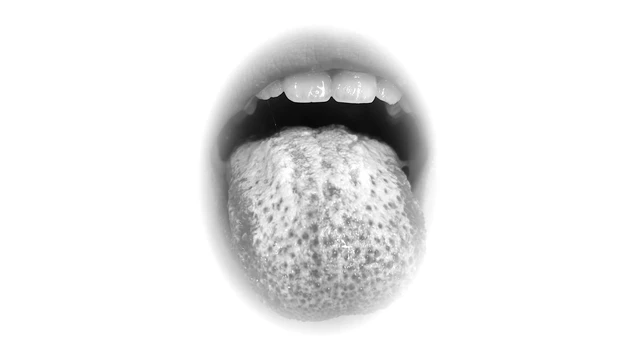
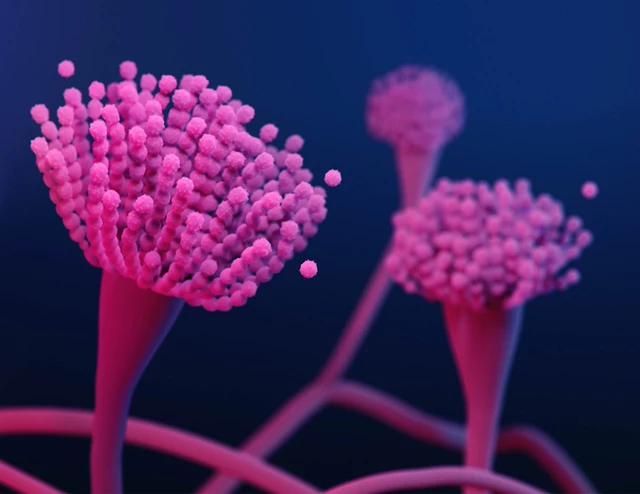
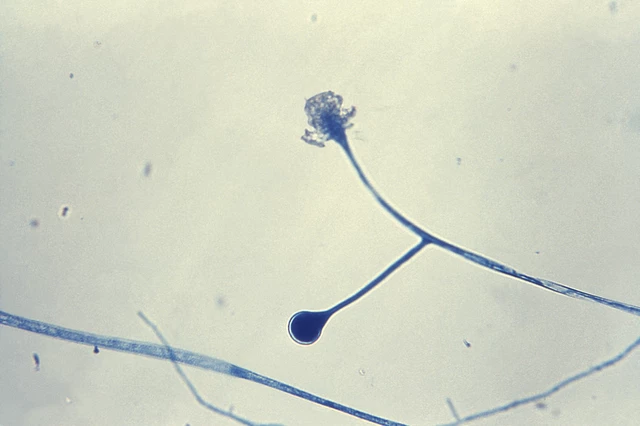
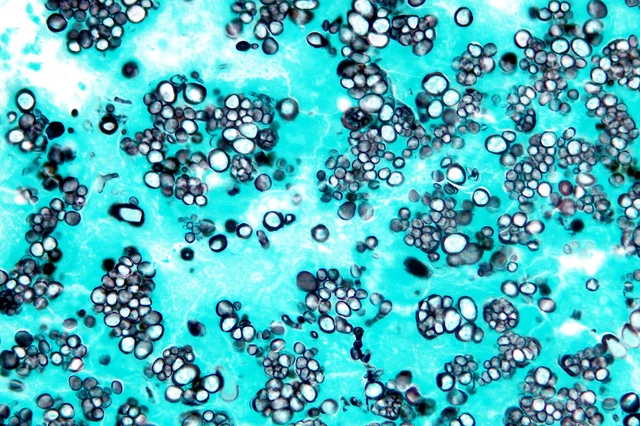
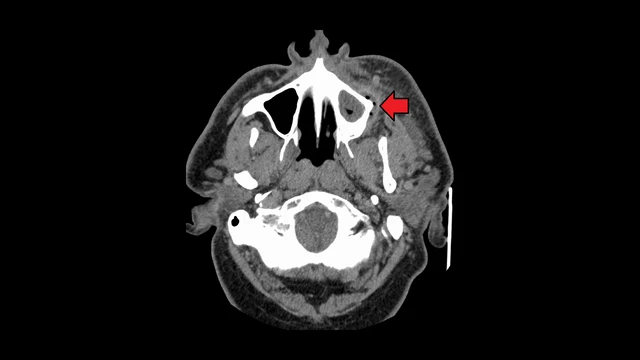
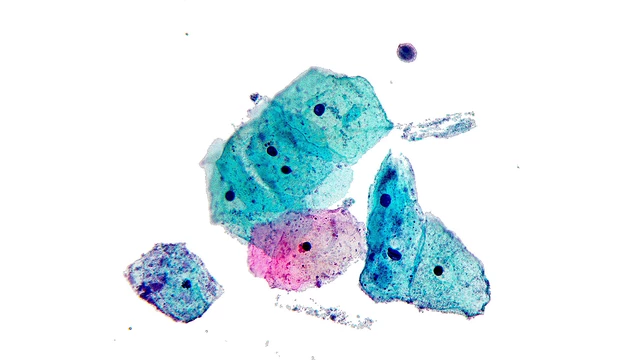
Fungal infections are caused by yeasts and molds, many of which live in soil, on plants or on the body. Common ones affect the skin and nails, such as ringworm, athlete's foot, jock itch and nail fungus, or cause yeast infections of the mouth or vagina. Others reach the lungs, as in aspergillosis, histoplasmosis and valley fever.

Hemorrhagic fevers

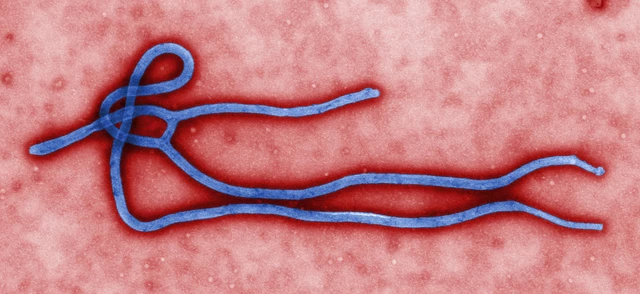
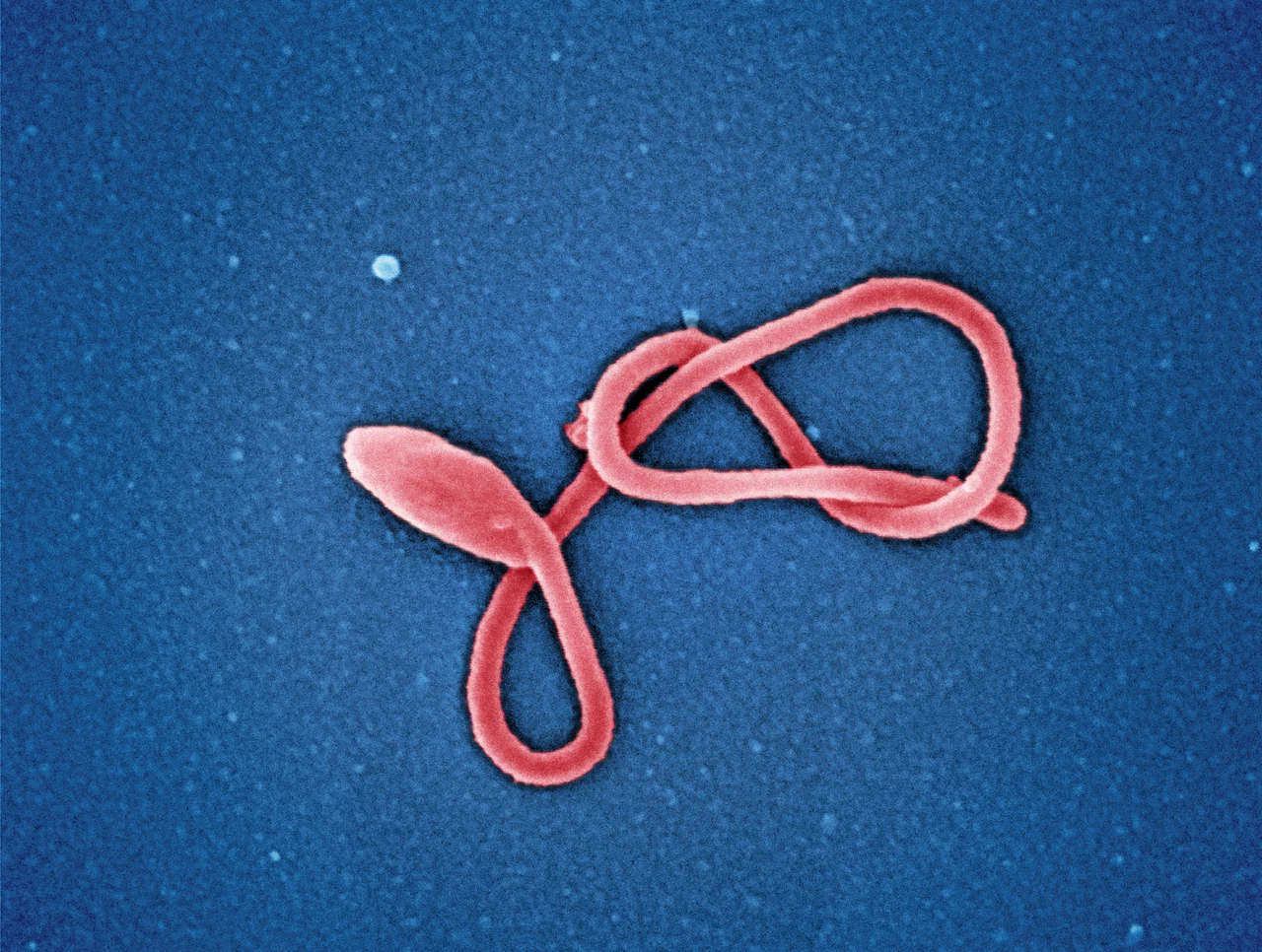
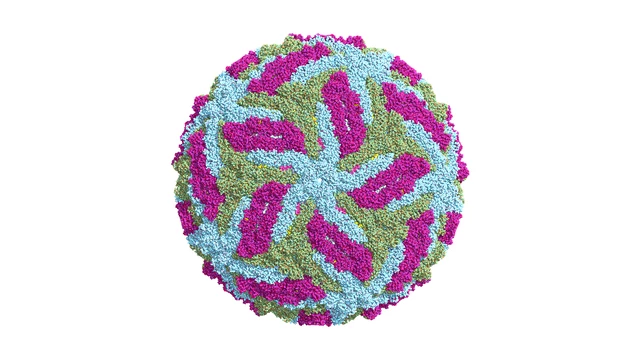
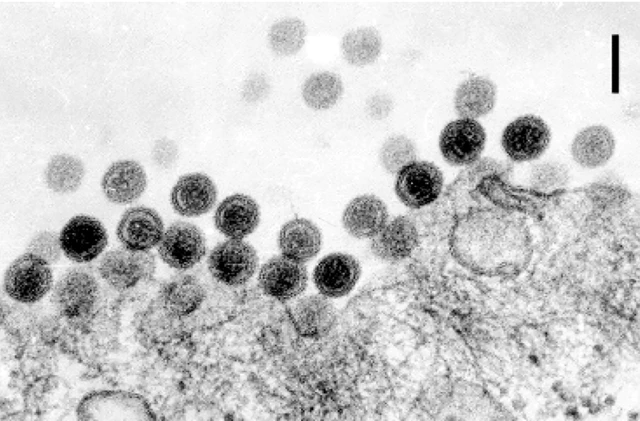
Viral hemorrhagic fevers are severe illnesses caused by viruses that damage the blood vessels and can lead to bleeding. They include Ebola, Lassa fever and severe dengue, and some of these viruses are studied in biodefense because of the risk of their use in bioterrorism.

Hepatitis

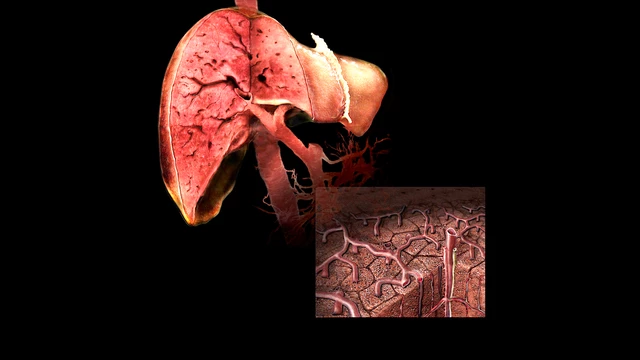
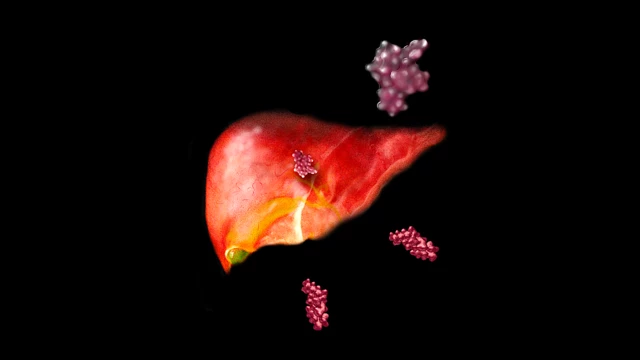
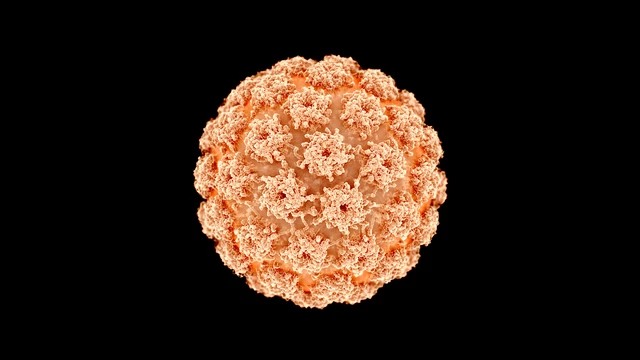
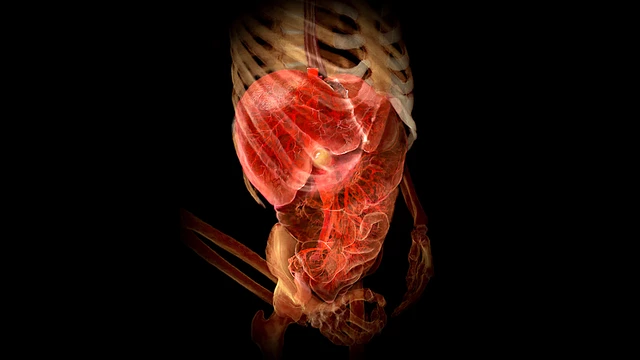
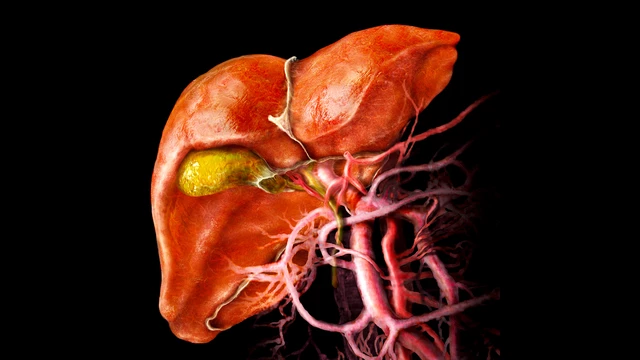
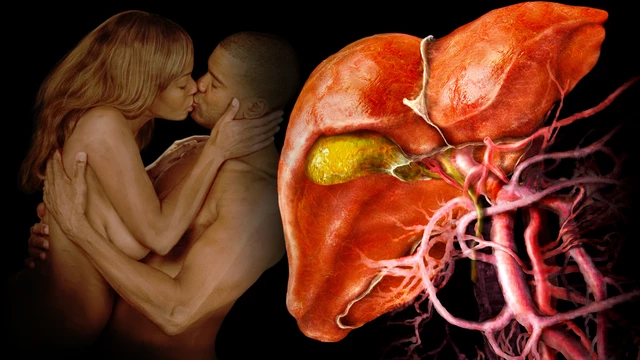
Hepatitis is an inflammation of the liver. Viruses are the most common cause of hepatitis, but the condition can also be caused by other infections, heavy alcohol use, toxins, certain medications, and autoimmune disease. There are five main virus types that cause hepatitis—hepatitis A, B, C, D, and E.

Infection and pregnancy

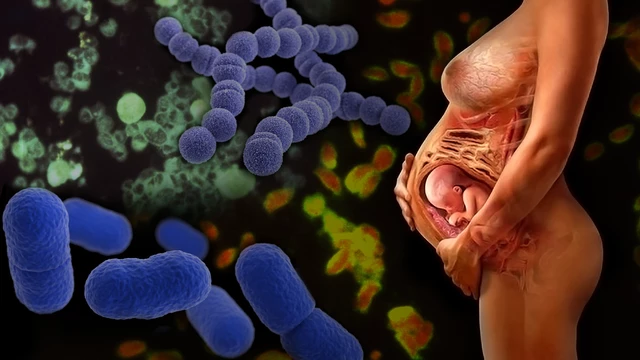
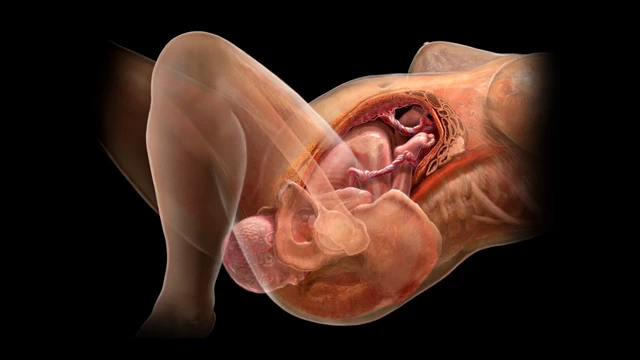
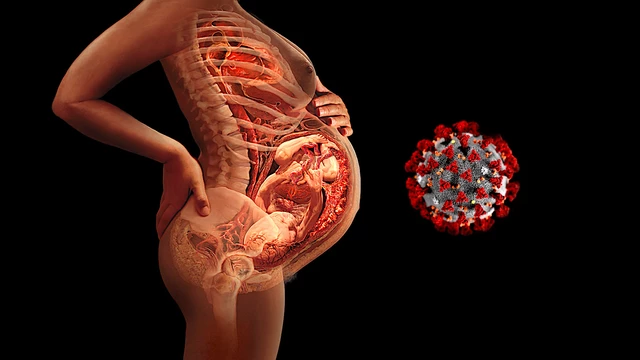
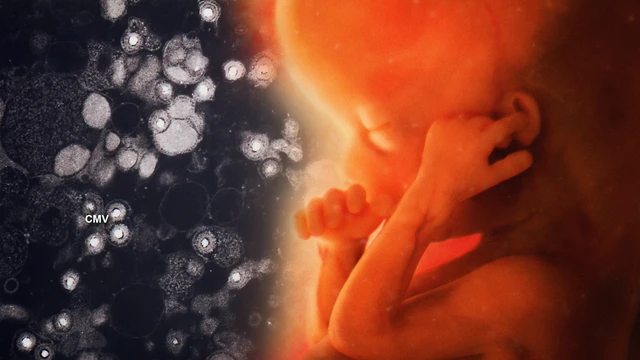
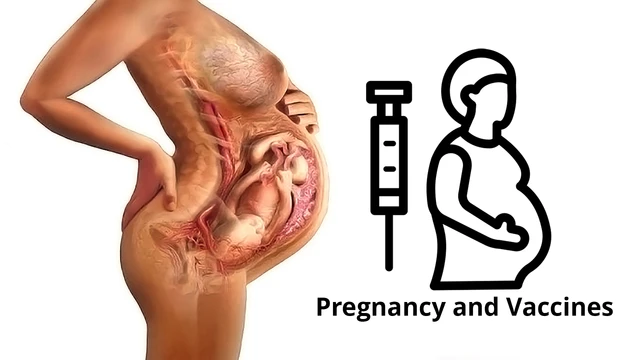
Infections during pregnancy can affect both the mother and the baby. Some, such as Zika, HIV and sexually transmitted infections, can pass to the baby. Others include bacterial vaginosis, urinary tract infections and COVID-19, which also raises questions about breastfeeding, along with oral health during pregnancy.

Infections of organs and systems

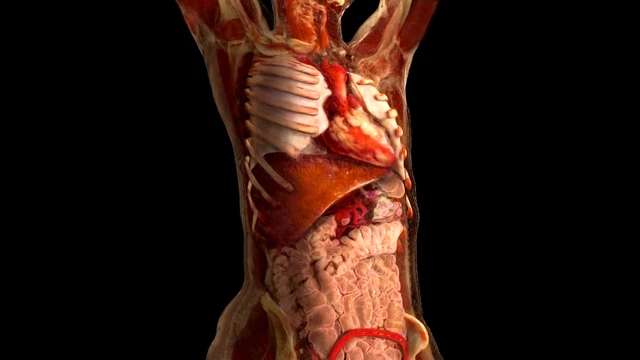
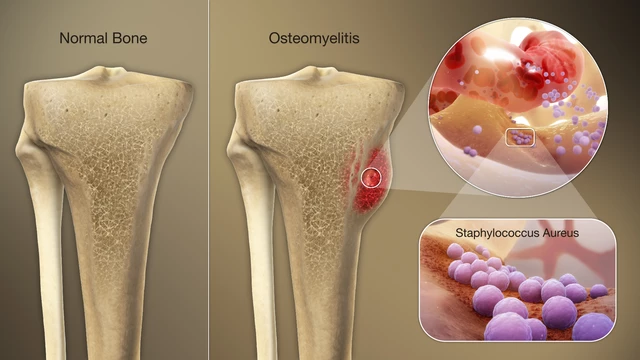
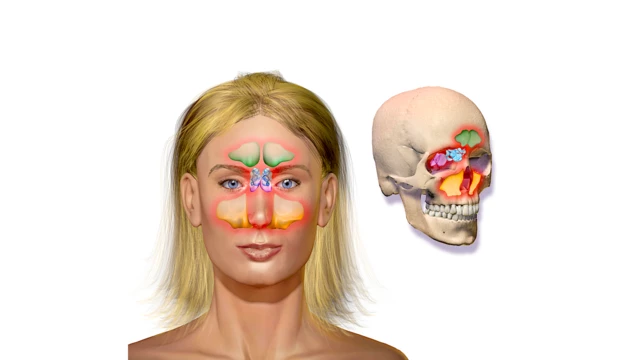
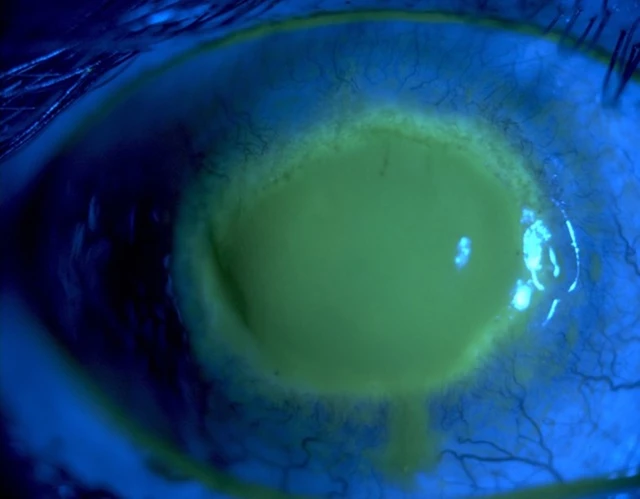
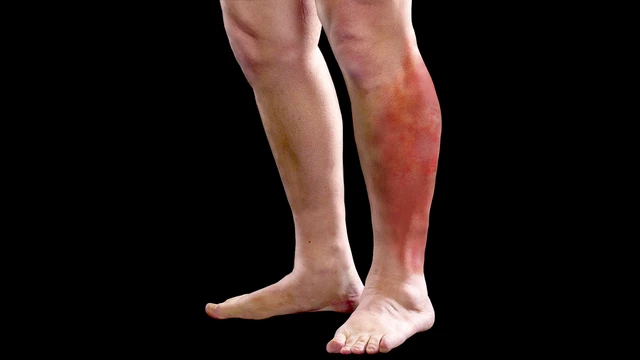
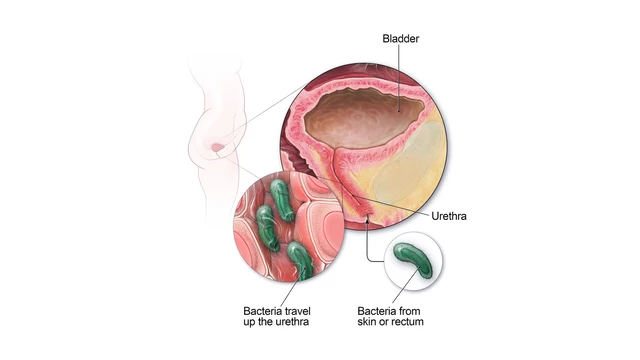
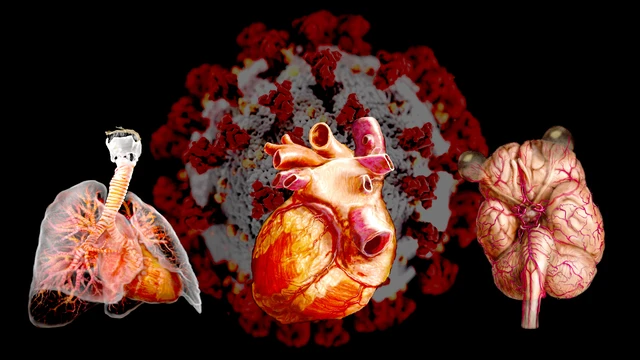
Infections can affect almost any organ or system in the body, from the brain and eyes to the lungs, skin, gut and urinary tract. Examples include meningitis, ear infections, strep throat, pink eye, pneumonia, cellulitis, gastroenteritis and urinary tract infections, along with infections of the bones, mouth and reproductive system.

Infectious disease complications

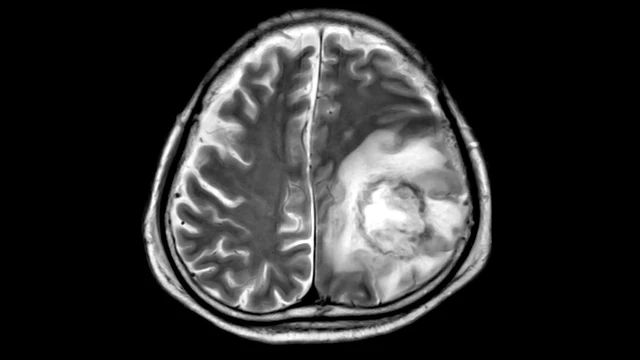
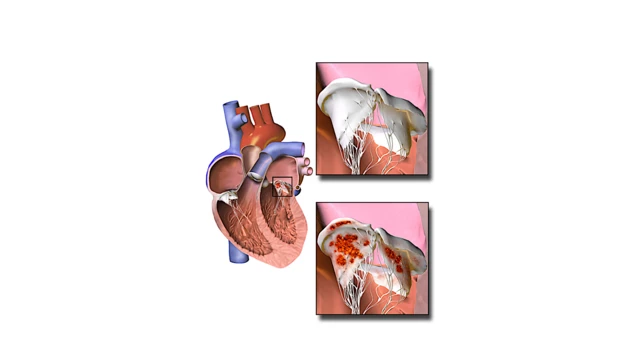
Infectious diseases can lead to other serious conditions, sometimes long after the infection itself. Diarrhea and vomiting can cause dehydration, while flu can lead to pneumonia and an infection can trigger sepsis or meningitis. Some infections lead to cancer over time: hepatitis B and C to liver cancer and HPV to cervical cancer.

Infectious disease symptoms

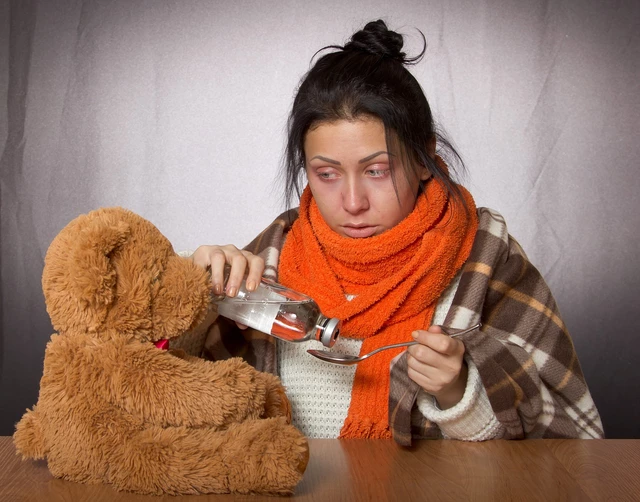
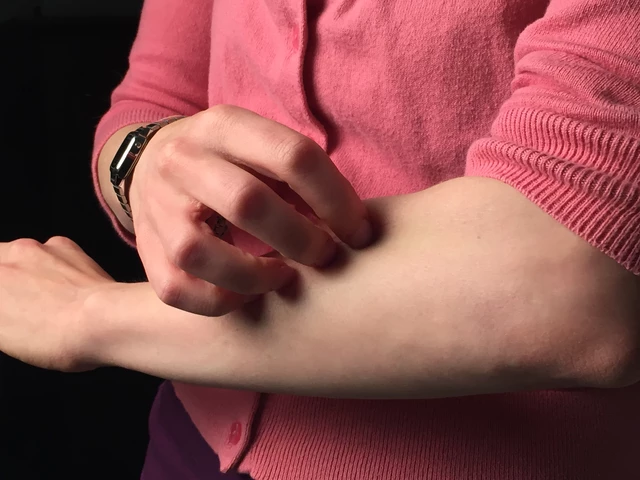
Infectious diseases often show themselves through a handful of common signs and symptoms, many of them the body's own response as it fights the infection. They include fever, cough, fatigue, headache, nausea and vomiting, diarrhea, pain and inflammation.

Mosquitoes and infections

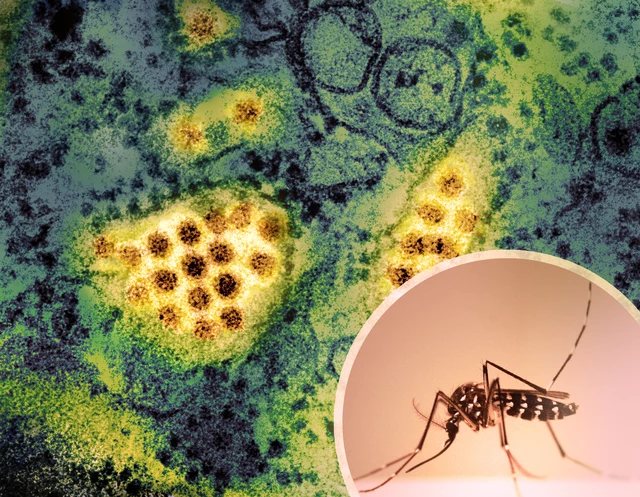
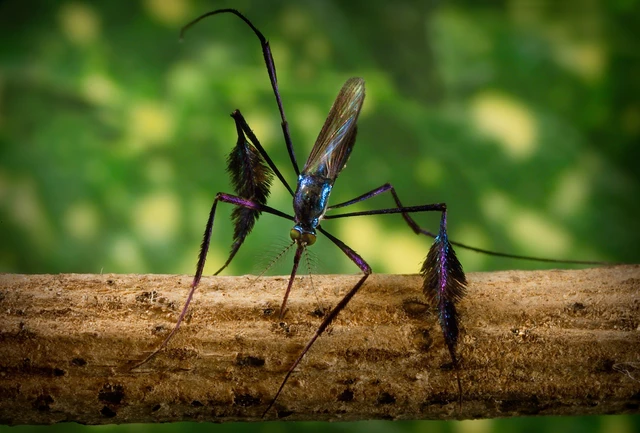
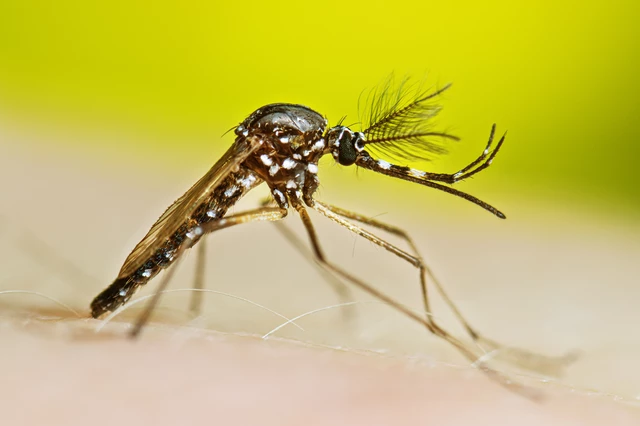
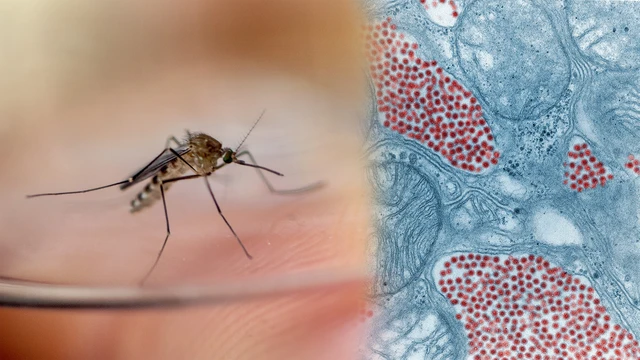
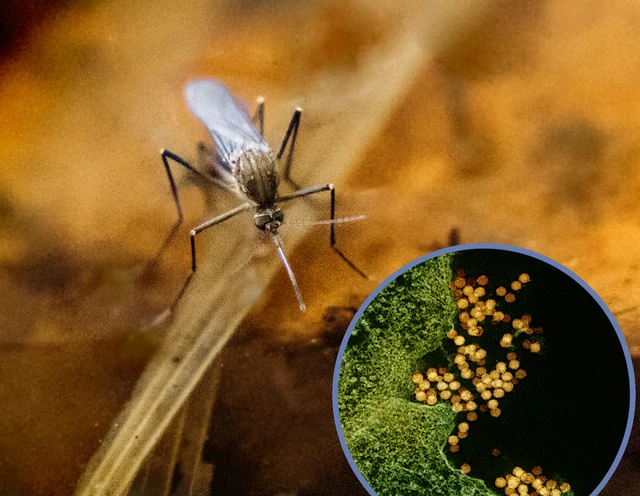
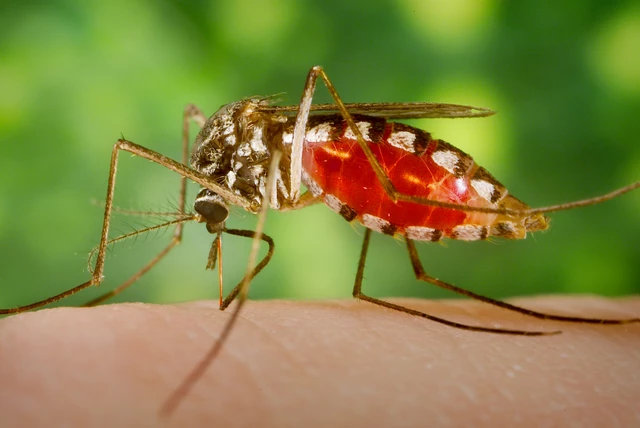
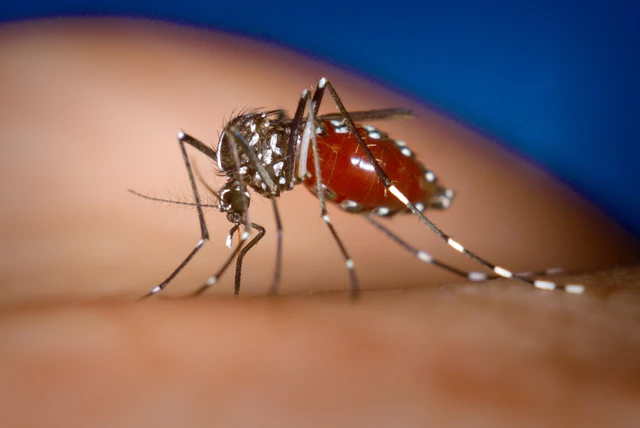
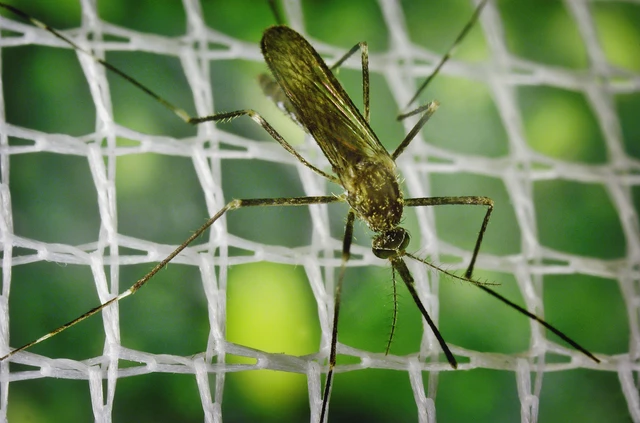
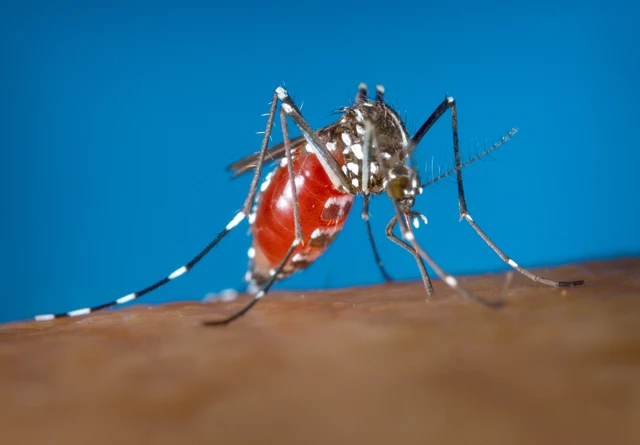
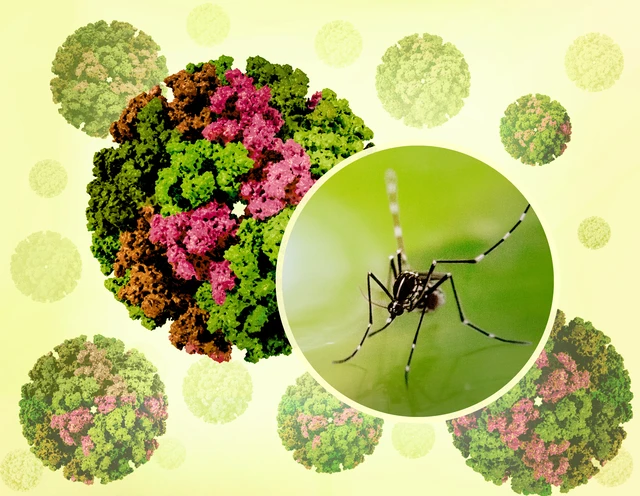
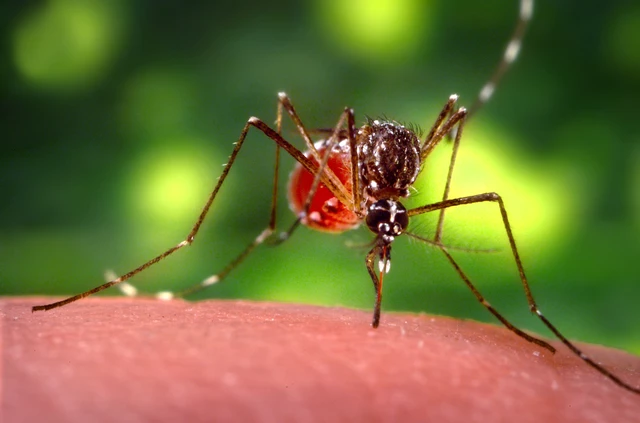
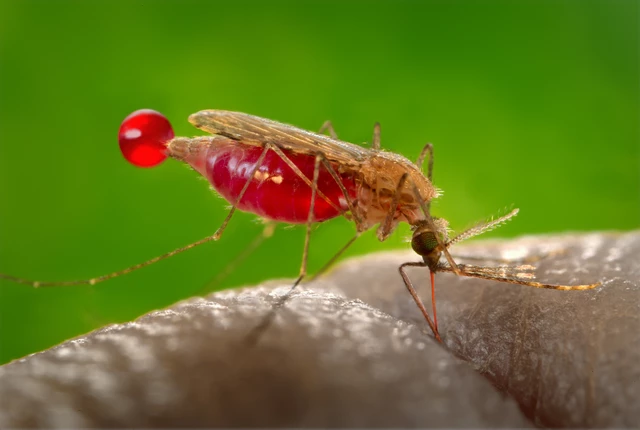
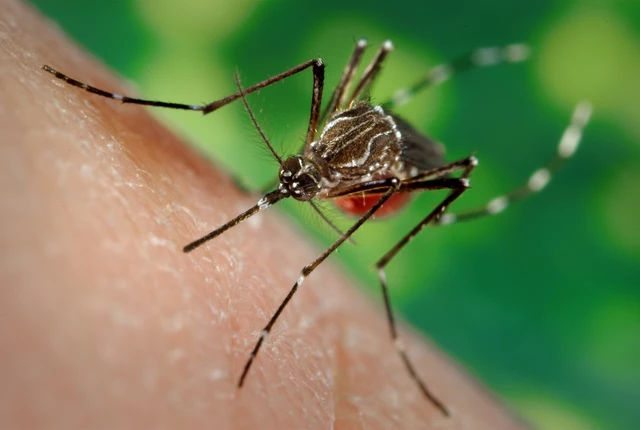
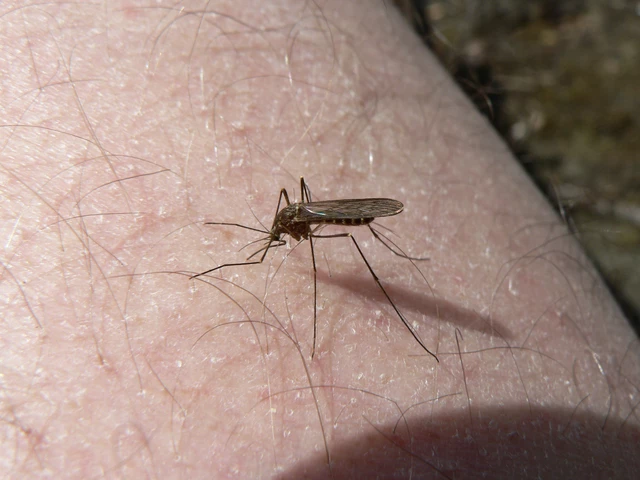
Mosquitoes spread viruses and parasites through their bites. The diseases they carry range from malaria, dengue, Zika and yellow fever to West Nile virus, chikungunya and forms of encephalitis such as eastern equine and Japanese encephalitis. Zika poses particular risks in pregnancy and malaria for travelers.

Pediatric infectious diseases

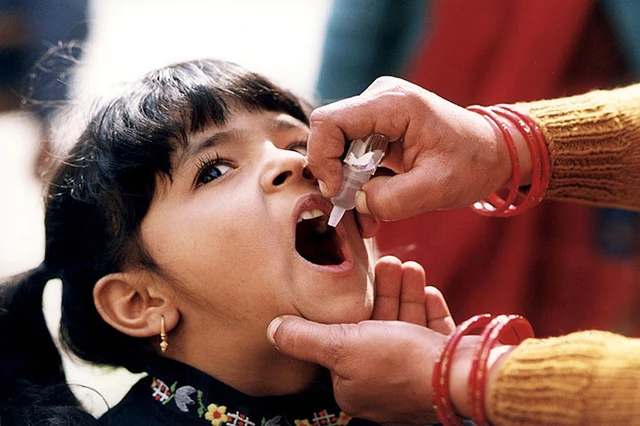
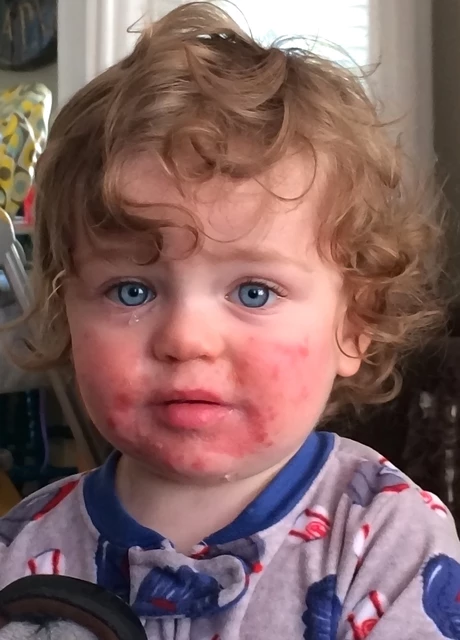
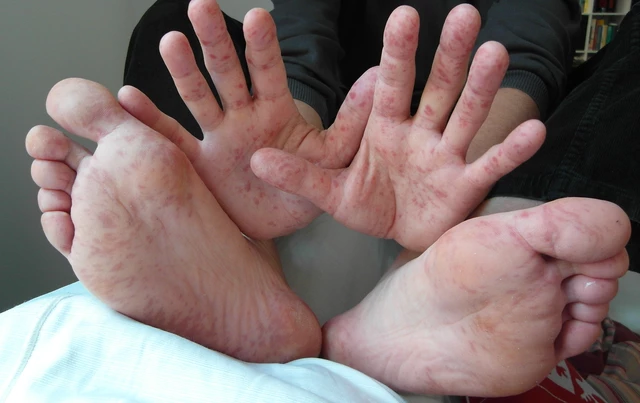
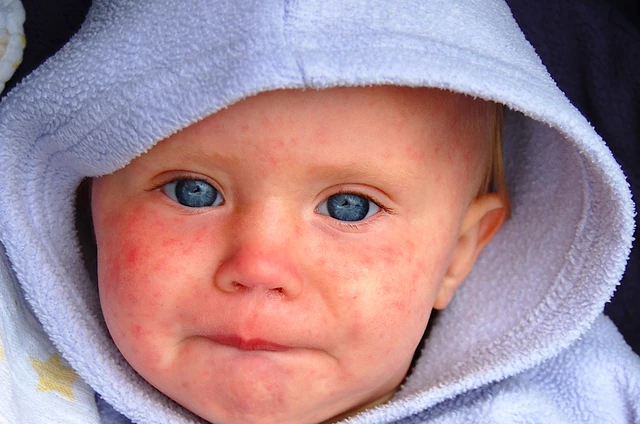
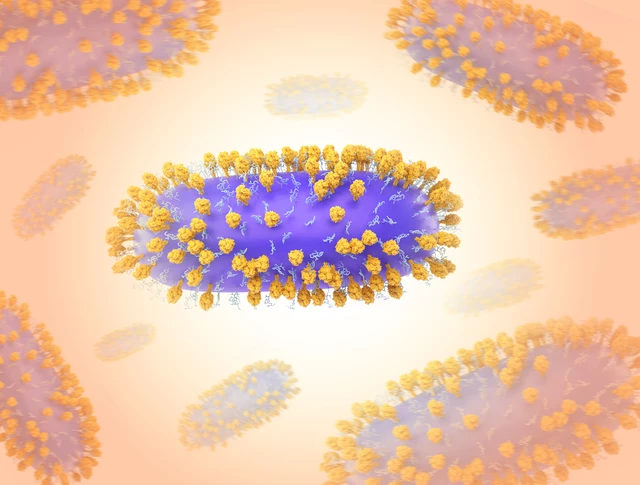
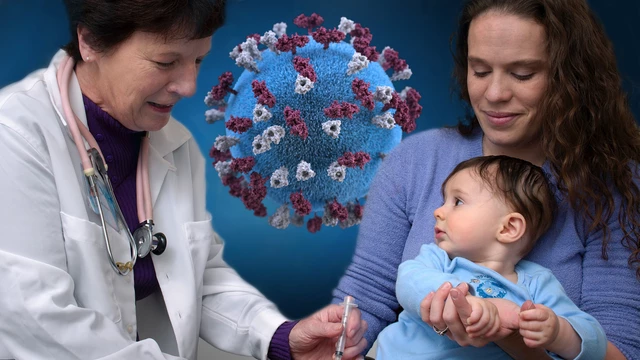
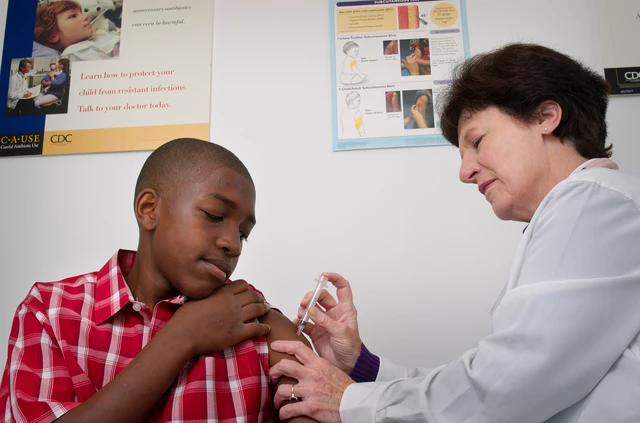
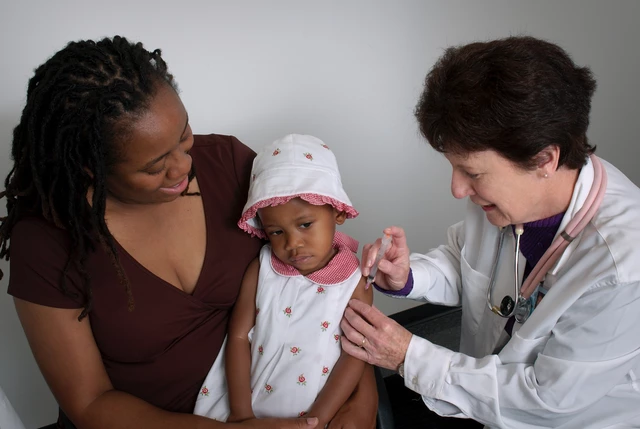
Infectious diseases are common in babies and children, whose immune systems are still developing. They include colds, flu, RSV and hand, foot and mouth disease, along with rashes such as chickenpox, roseola and fifth disease. Others, like measles, mumps, rubella and whooping cough, can be prevented with vaccines.

Prion diseases

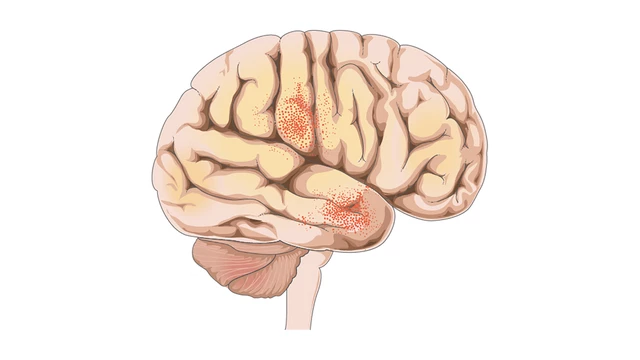
Prion diseases, or transmissible spongiform encephalopathies, are rare, fatal brain diseases caused by abnormally folded proteins called prions. They affect people, as in Creutzfeldt-Jakob disease, and animals, as in mad cow disease in cattle and chronic wasting disease in deer and elk.

Sexually transmitted diseases

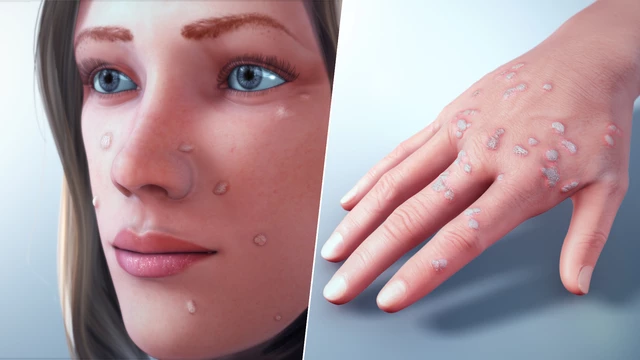
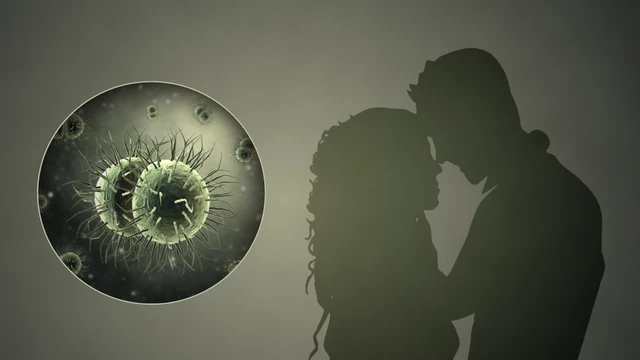
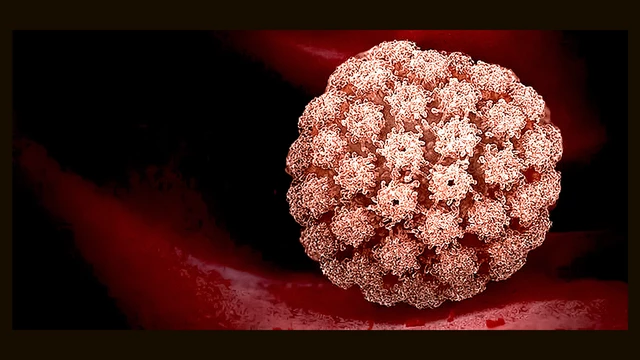
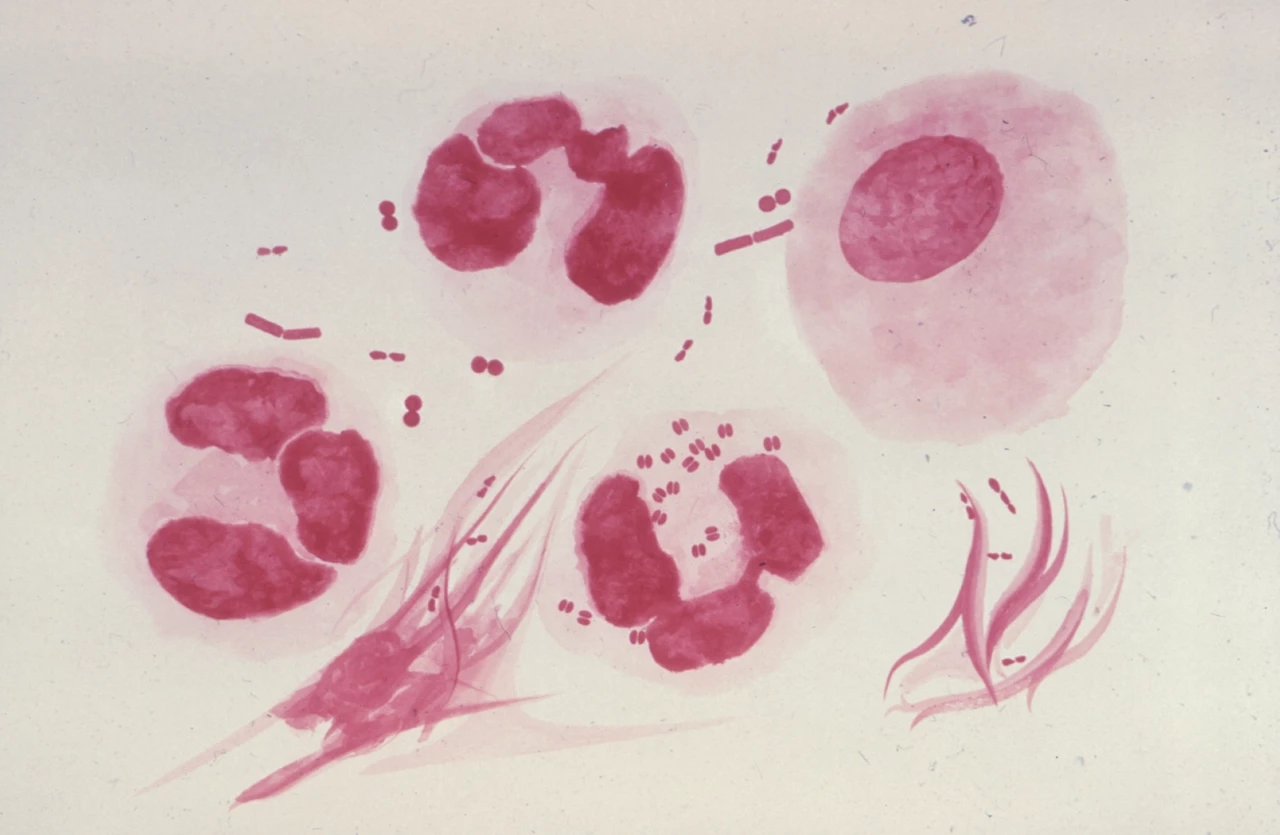
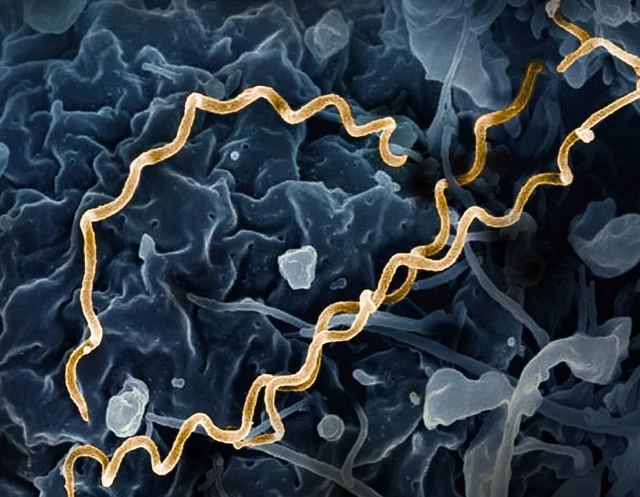
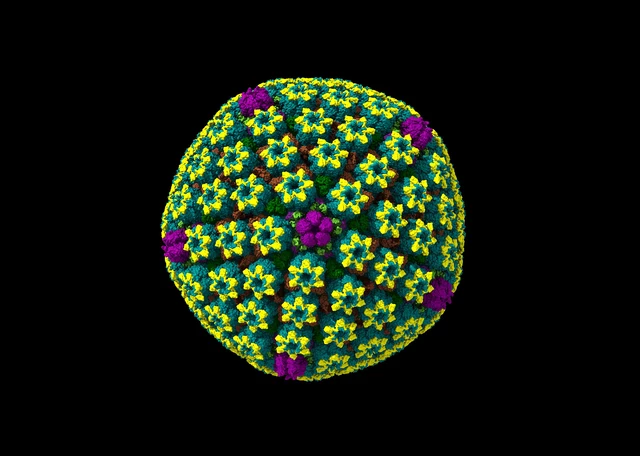
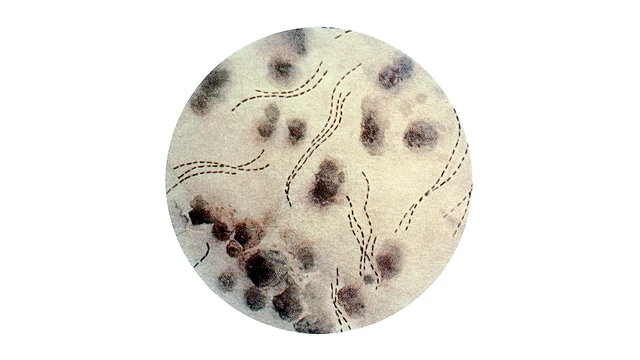
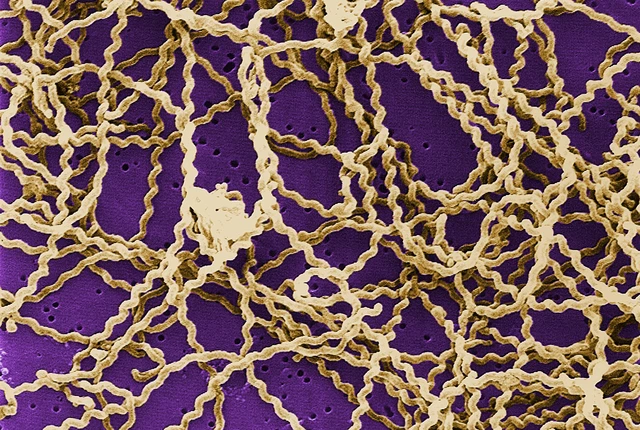
Sexually transmitted diseases, or STDs, pass from person to person through sexual contact. They include chlamydia, gonorrhea, syphilis, trichomoniasis, genital herpes and HPV, which can cause genital warts. Other topics include STI testing, safer sex and how STDs affect women and pregnancy.

Ticks, lice, fleas and mites

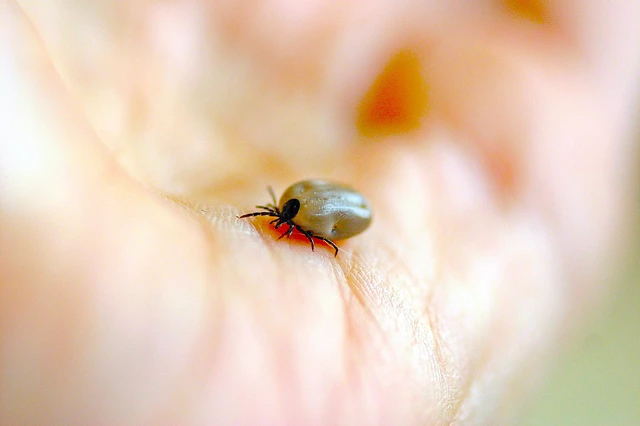
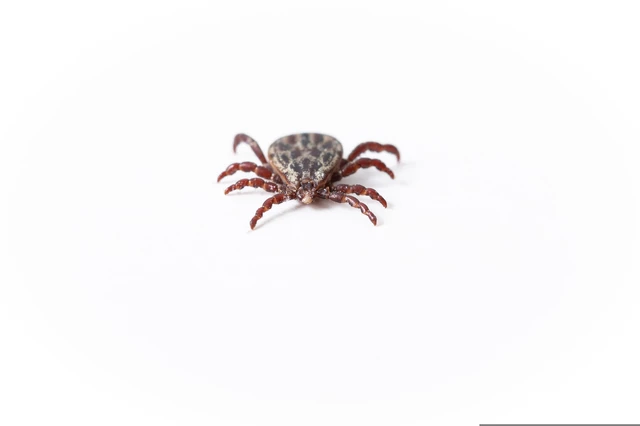
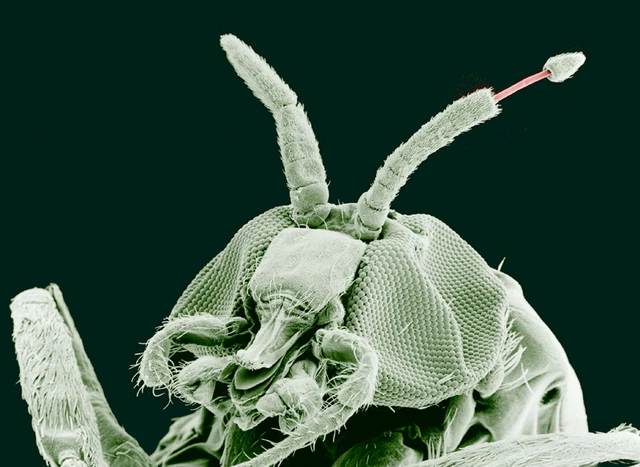
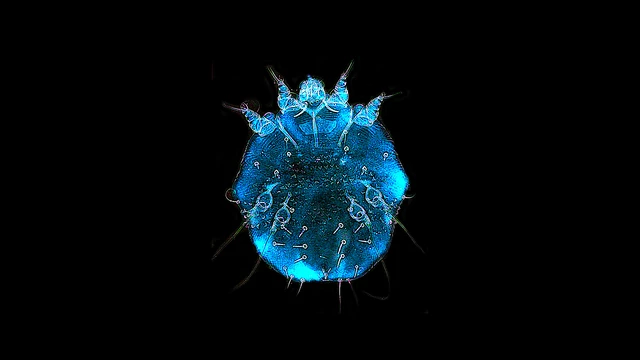
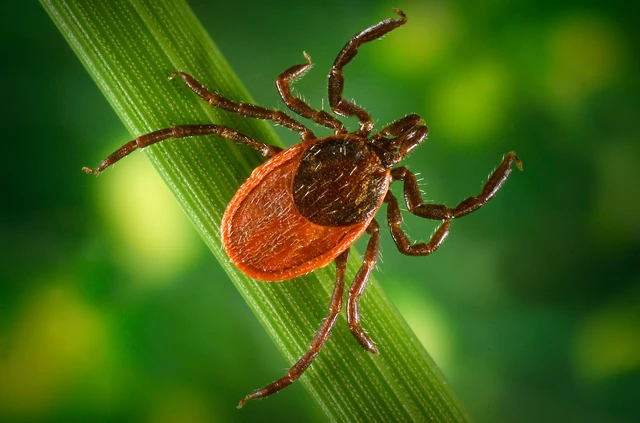
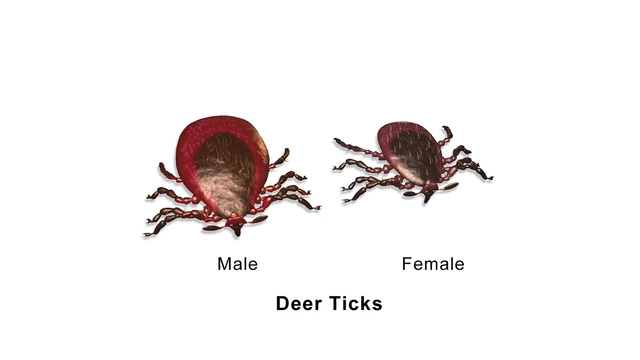
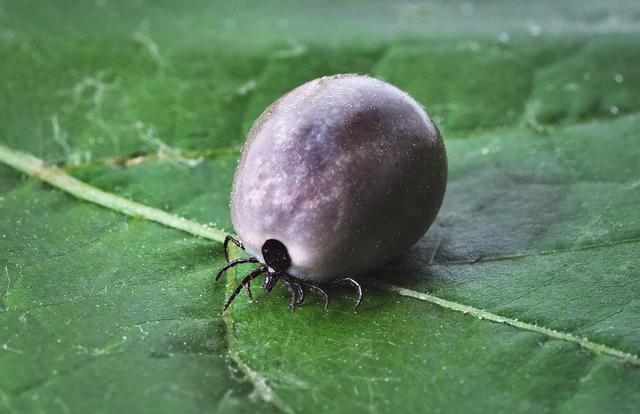
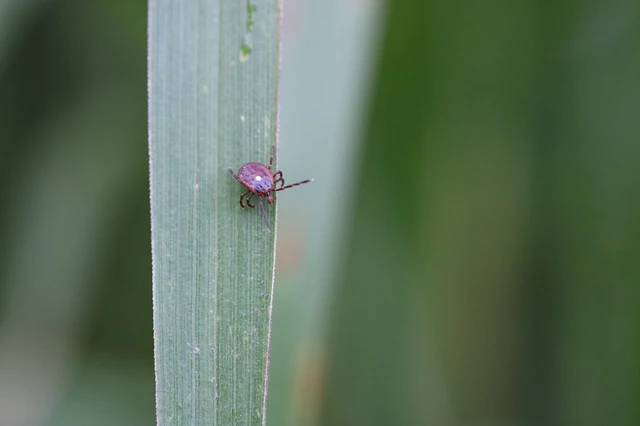
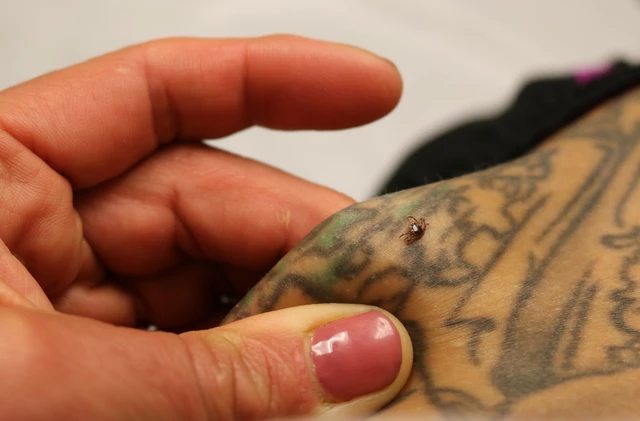
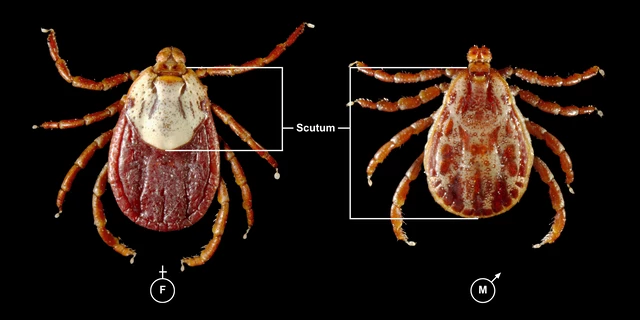
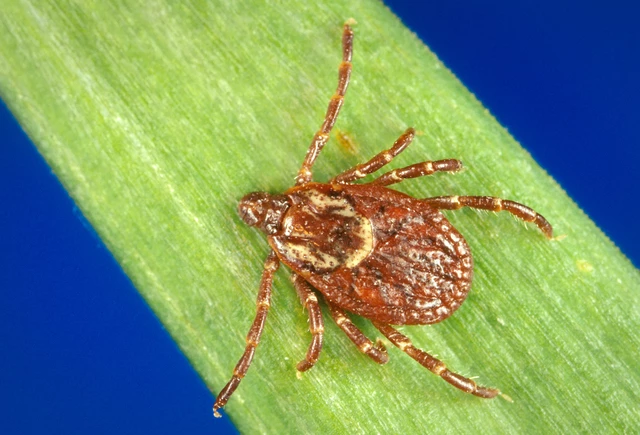
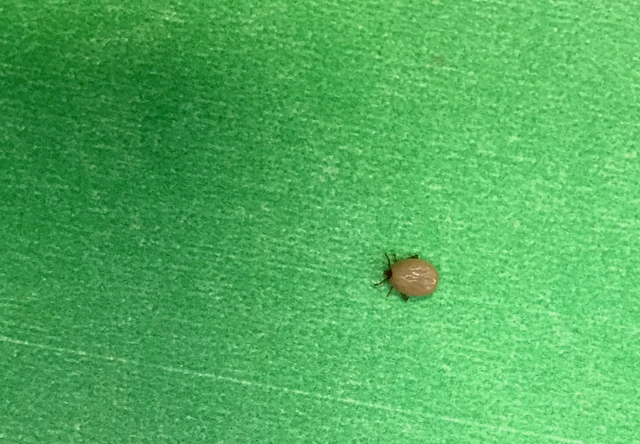
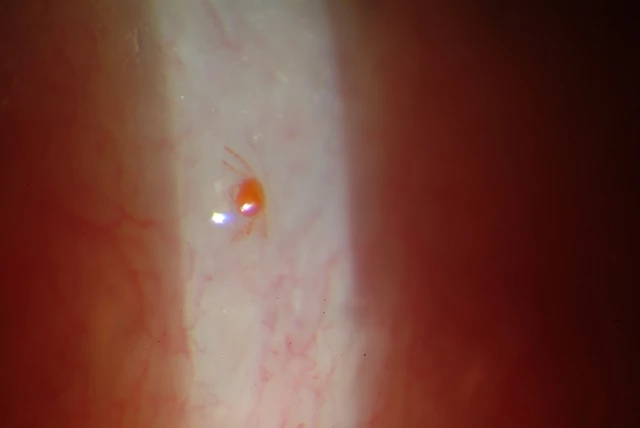
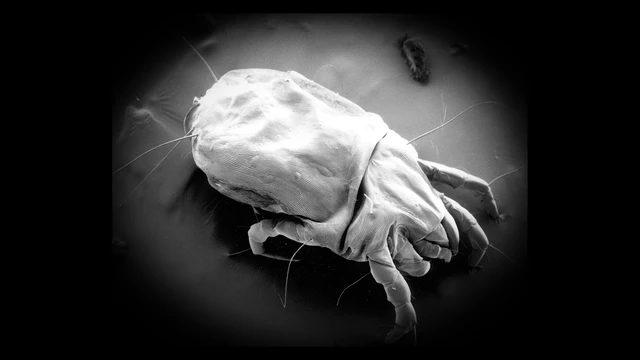
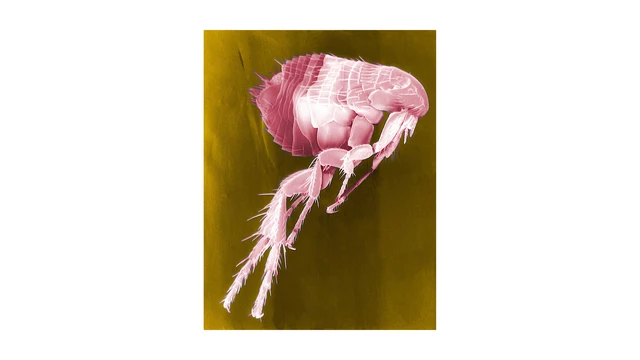
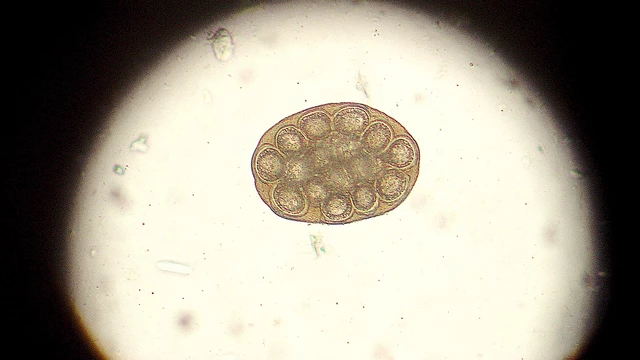
Ticks, lice, fleas and mites live on the skin or feed on blood, and many spread disease. Ticks carry Lyme disease, Rocky Mountain spotted fever, ehrlichiosis and babesiosis. Fleas can spread plague and typhus, while lice and mites cause head lice and scabies and spread other forms of typhus.

Viral and bacterial systemic infections

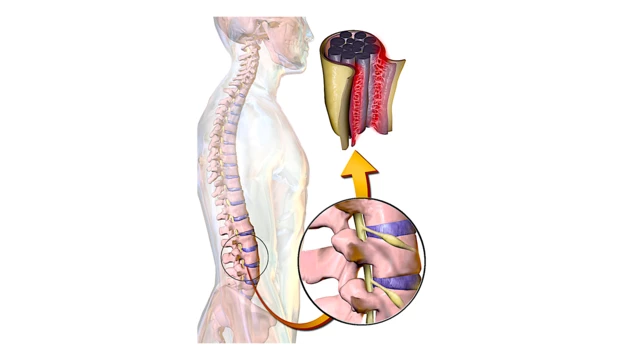
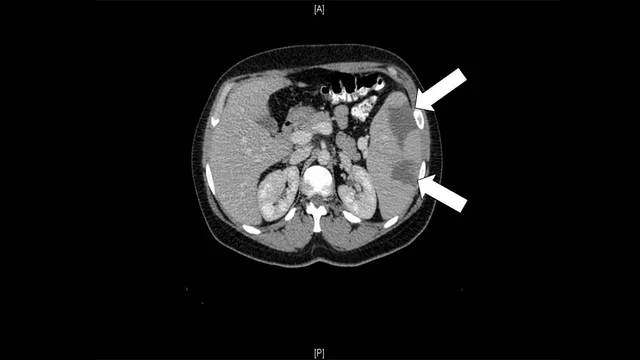
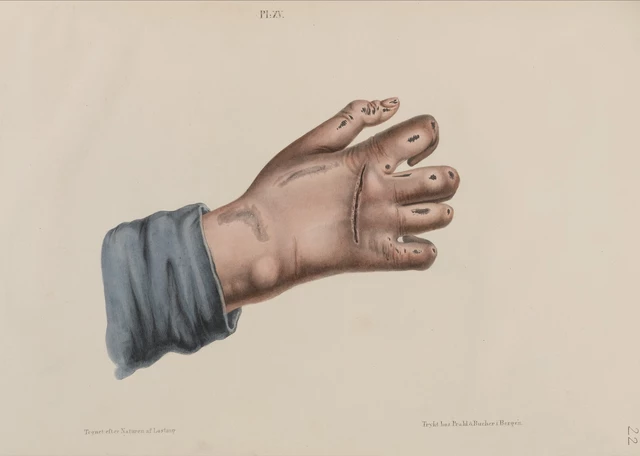
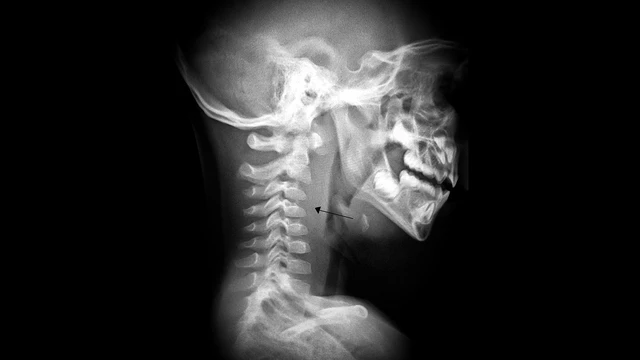
Systemic infections spread beyond one spot to affect the whole body, often through the blood. Serious bacterial ones range from sepsis to typhoid fever, tetanus, diphtheria and necrotizing fasciitis. Viral ones include Epstein-Barr virus and mononucleosis, and long COVID and chronic fatigue syndrome can follow an infection.

The library's building blocks

HealthJournals: immersive guides to health.

HealthJournals are visually immersive guides to a wide range of health and wellness topics, from diseases and conditions to treatments, procedures, anatomy, nutrition and more. Each is a carefully curated selection of videos, images, interactives and authoritative information that makes its topic easier to understand.

Your health, in one place

Make it your journey.

Bring your records into StoryMD, and follow Infectious diseases with a companion that knows your history.