
Start your free trial

91 HealthJournals

Breast cancer basics

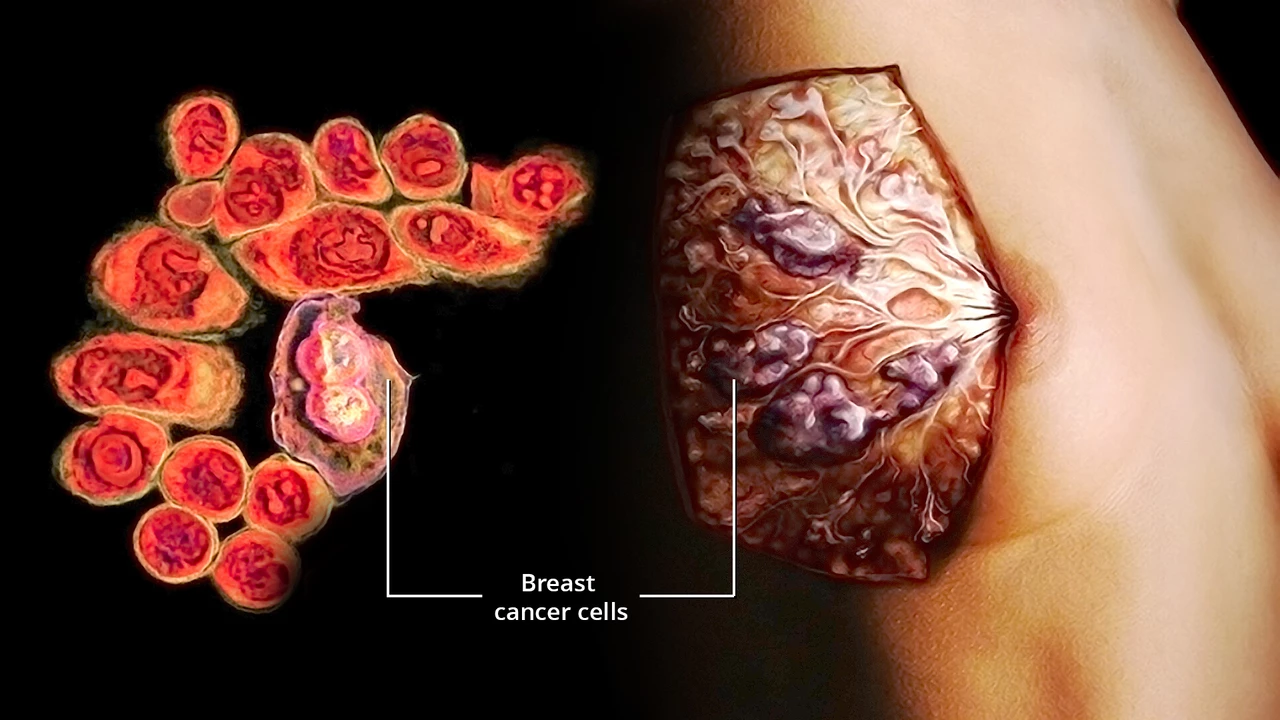
Breast cancer, cancer that forms in tissues of the breast, is the second most common cancer in women after skin cancer. Breast cancer occurs in both men and women, although male breast cancer is rare. Here's what you need to know about risk factors, symptoms, diagnosis, and treatment.

Breast anatomy

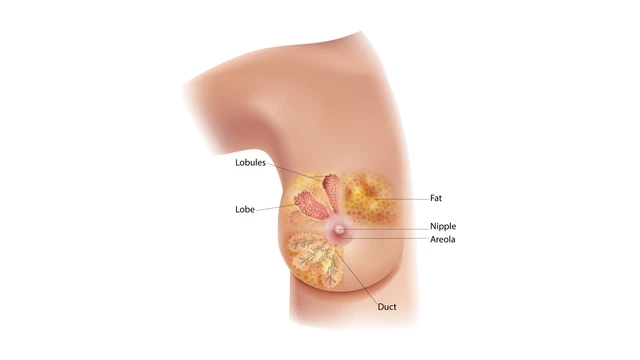
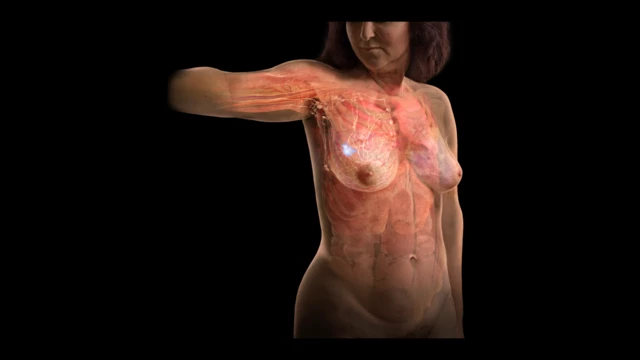
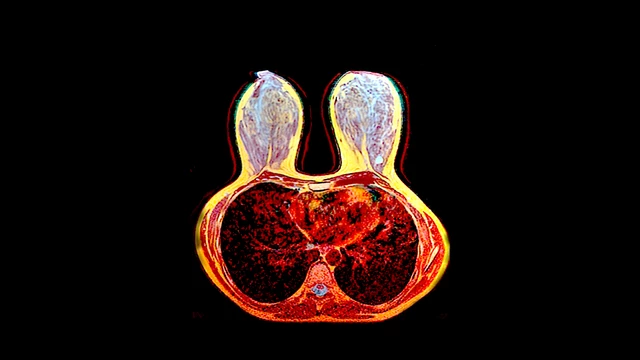
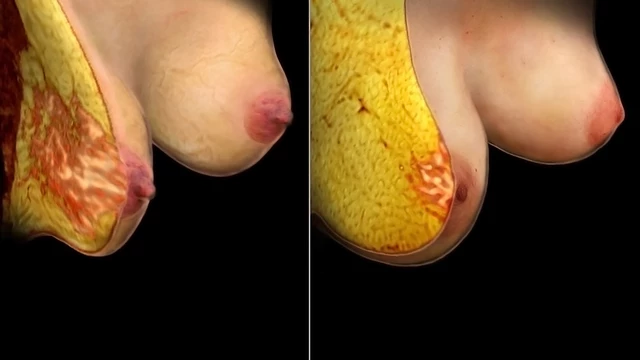
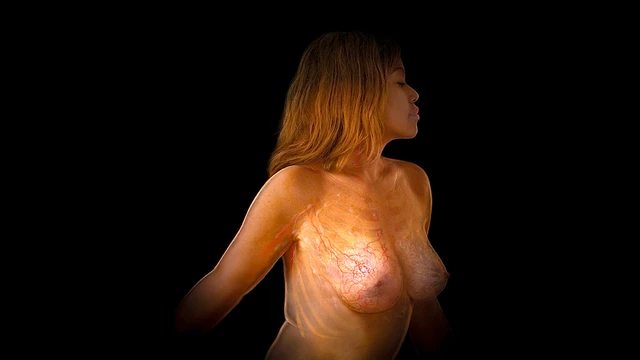
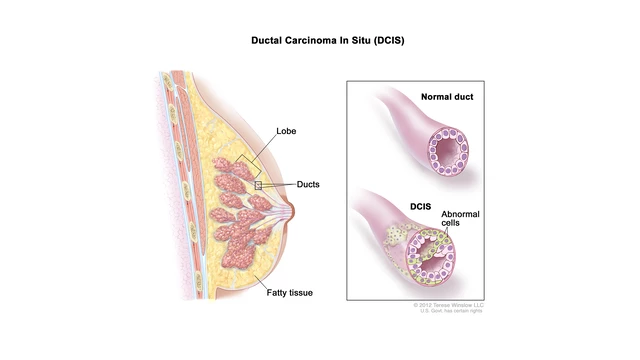
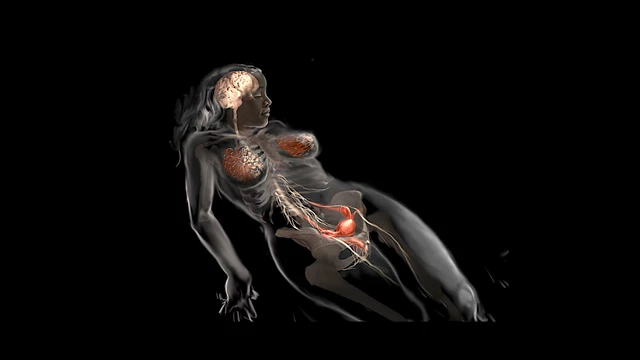
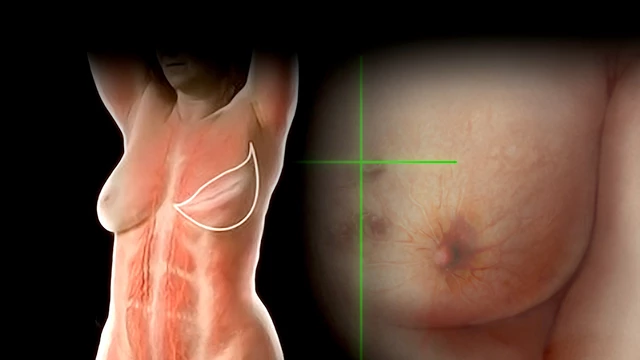
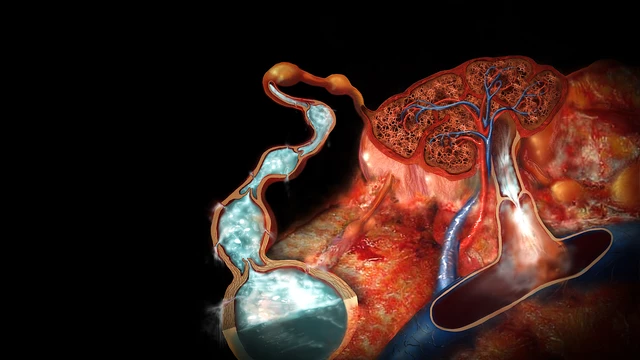
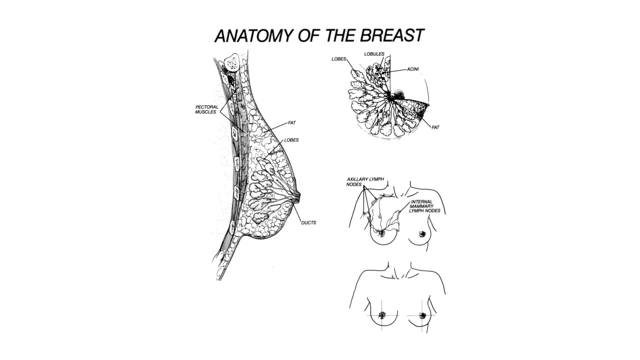
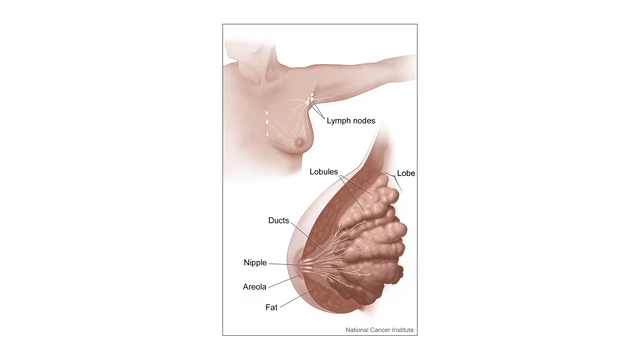
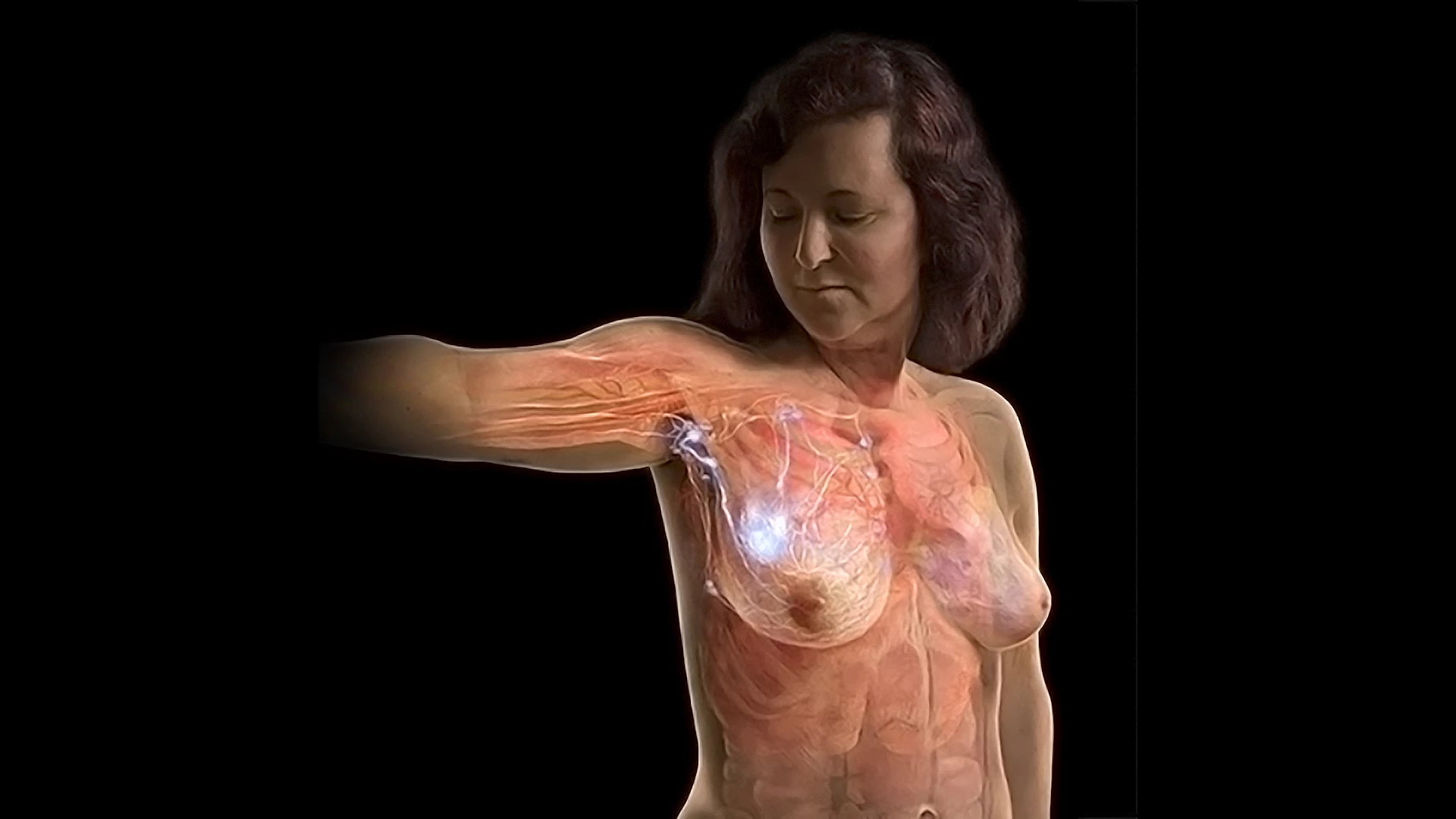
The breast is made of glandular, fatty and connective tissue. Its mammary glands make milk in small lobules and carry it through ducts to the nipple, and this anatomy explains where most breast cancers start: in the ducts or the lobules.

Breast cancer types

Breast cancer isn't a one-size-fits-all disease, it comes in several types, each with its own characteristics and challenges. Because there are many different types of breast cancer, it's categorized in several ways but is most often classified by where it originates and whether it has spread from that spot.

Breast cancer causes

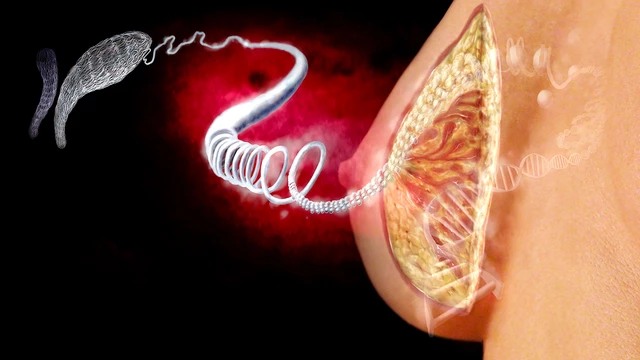
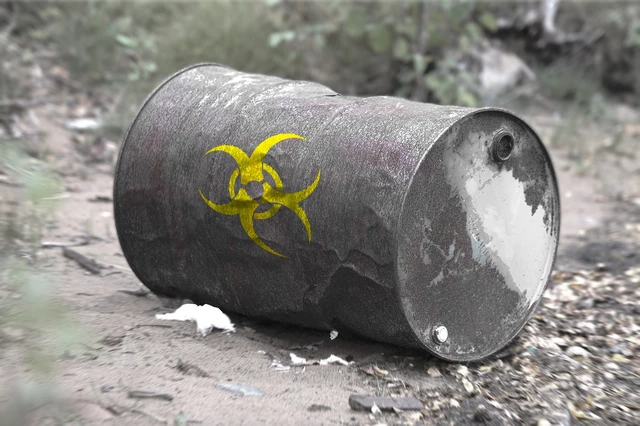
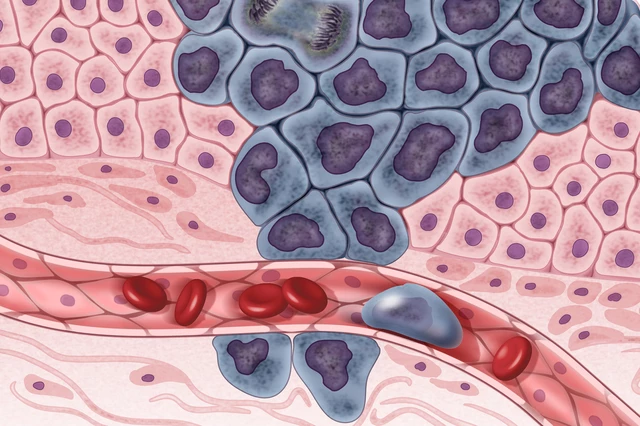
Breast cancer, like every cancer, starts with changes in the genes that control how cells grow and divide. Some of those changes are inherited and others build up over a lifetime, partly from exposures in the environment, and research has looked at whether antiperspirants and deodorants play a part.

Breast cancer risks

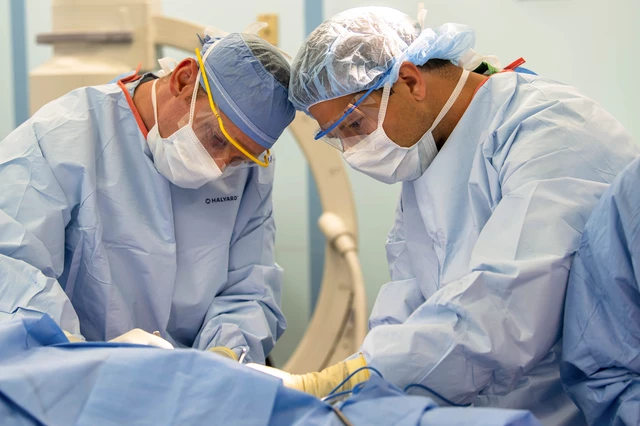
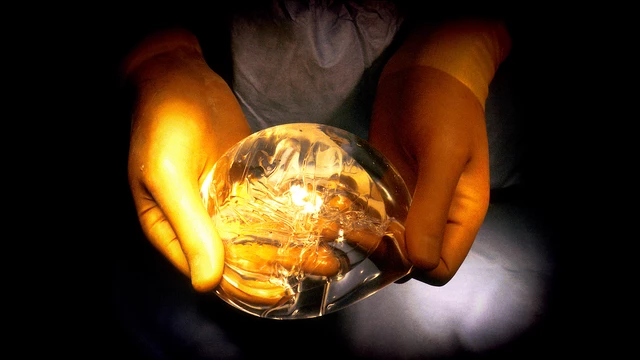
Breast cancer risk depends on many factors, some that can be changed and many that can't. They range from age, breast cancer risk genes and reproductive history to the lifetime risk for American women, along with surgery to reduce the risk and a rare lymphoma linked to breast implants.

Breast cancer prevention

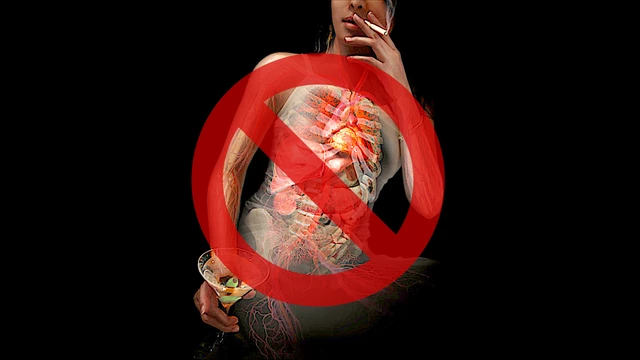
Breast cancer is the second most common cancer among women in the United States. Breast cancer prevention strategies include avoiding known risks, having a healthy lifestyle, and medications or surgery for those at high risk. Learn more about breast cancer prevention, risks and protective factors, and what you can do to lower your risk.

Breast cancer screening and diagnosis

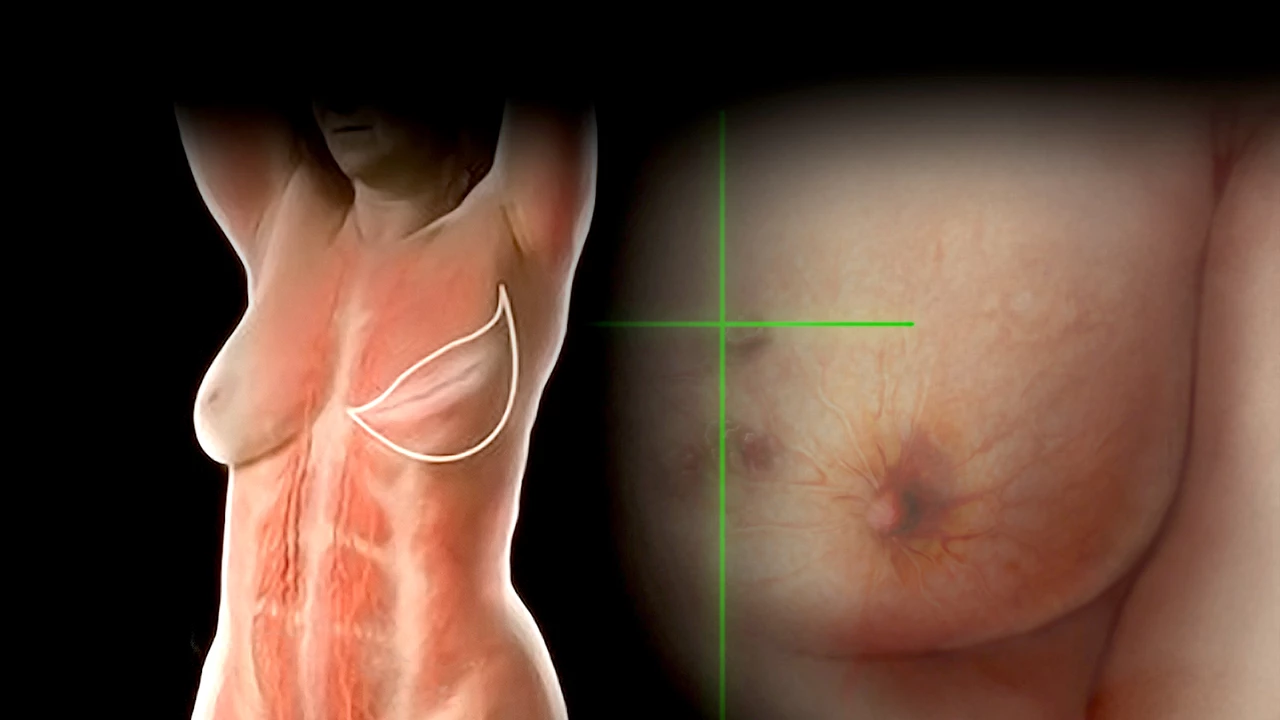
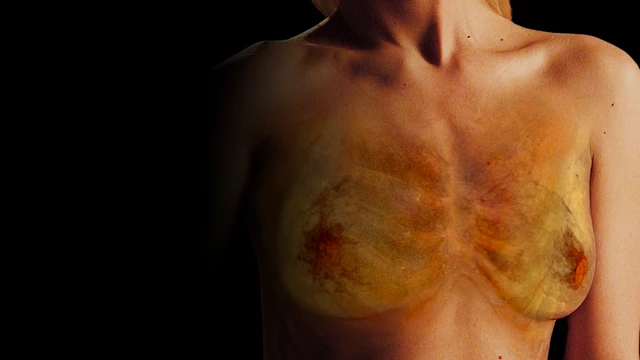
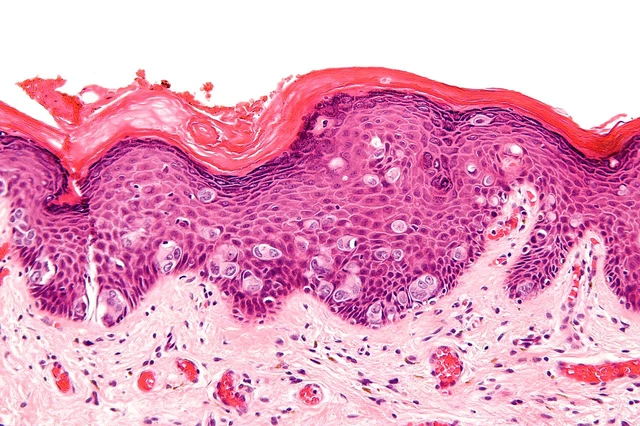
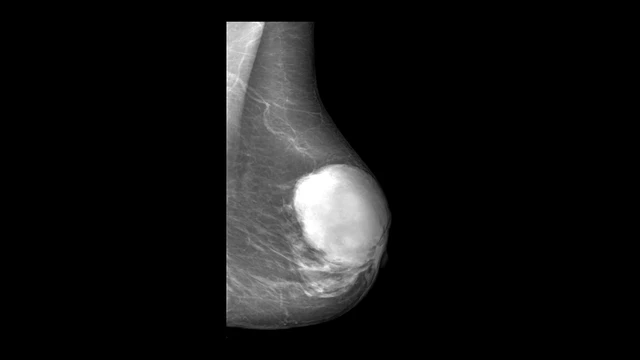
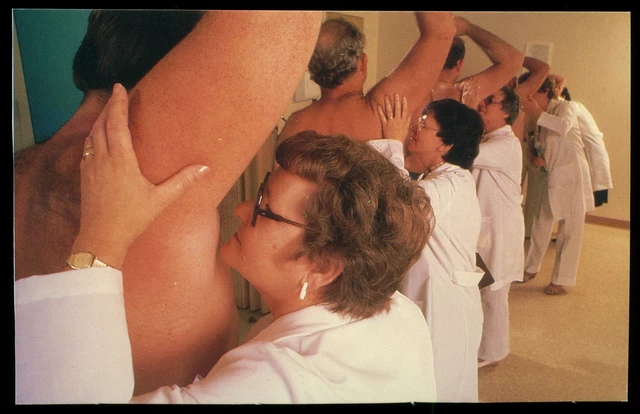
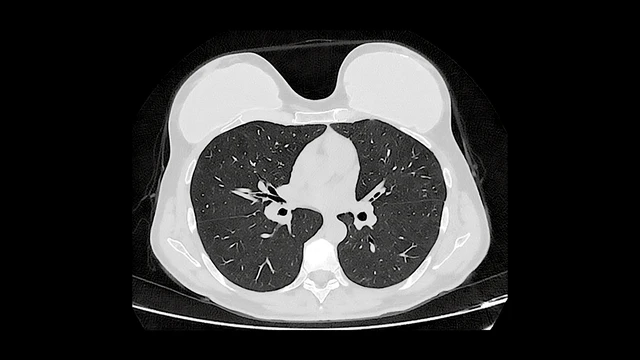
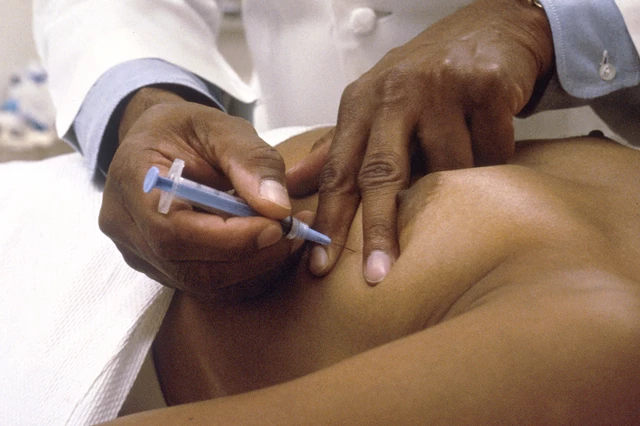
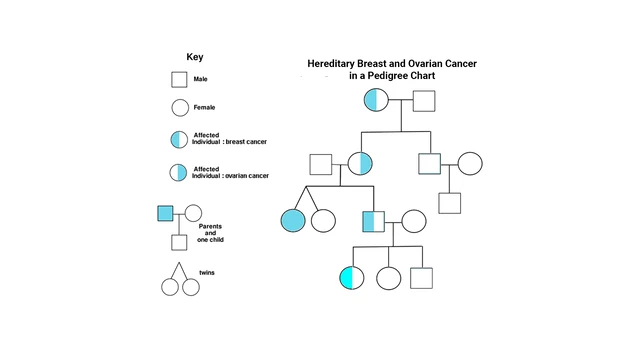
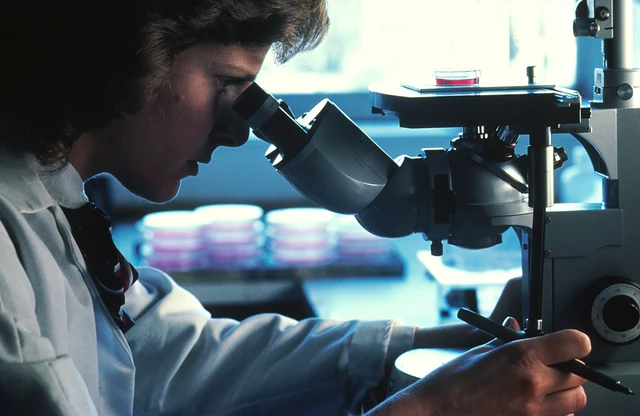
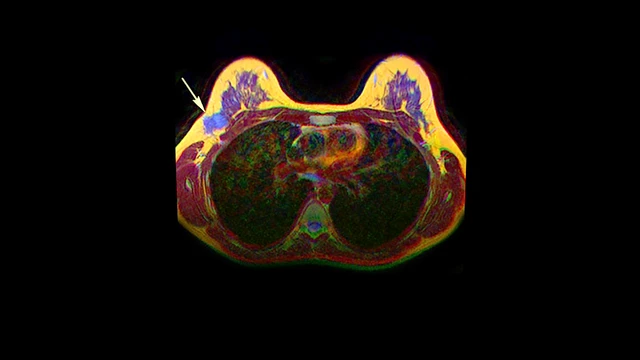
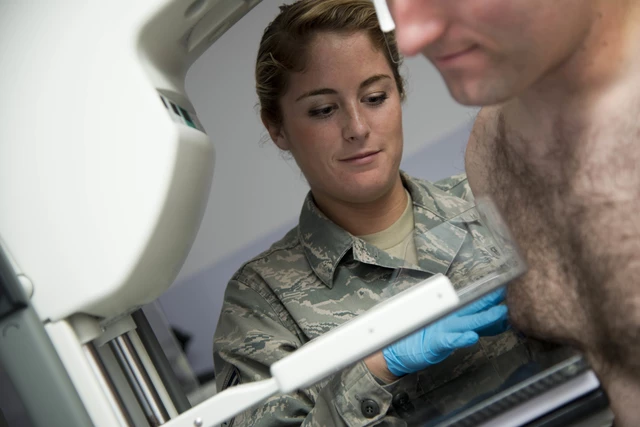
Breast cancer screening looks for cancer before there are symptoms, most often with a mammogram. When a breast change is found, imaging and a breast biopsy show whether it is cancer, while genetic testing for BRCA gene mutations, liquid biopsy and biomarker testing add what is known about inherited risk and treatment.

Breast cancer grading and staging

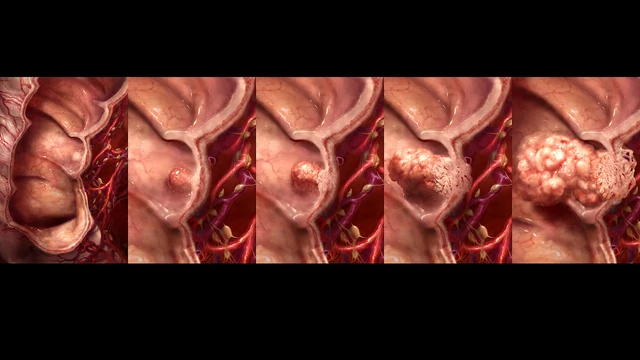
There are five stages of breast cancer, starting at zero and going up to four. There are several variables within some stages based on the size and location of the primary tumor, the spread of cancer to nearby lymph nodes or other parts of the body, tumor grade, and whether certain biomarkers are present.

Breast cancer treatment side effects

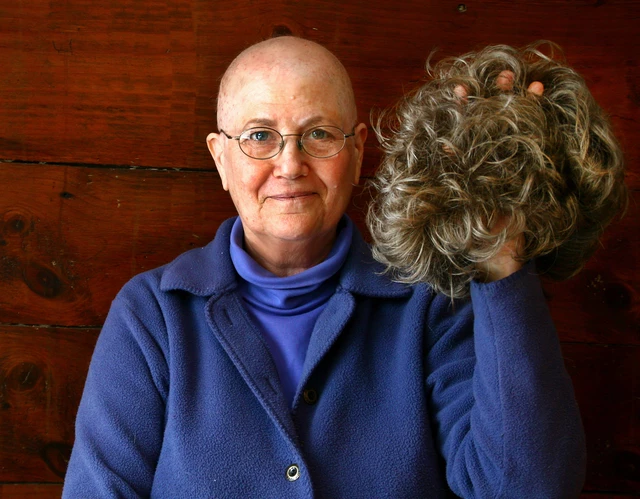
Cancer treatments can cause many side effects. Side effects are problems that occur when cancer treatment affects healthy tissues or organs. Side effects can be different for each person, and for different medicines and kinds of treatment. Learn about some of the most common, like hair loss, neutropenia, lymphedema, and cancer pain.

Breast cancer coping and caregiving

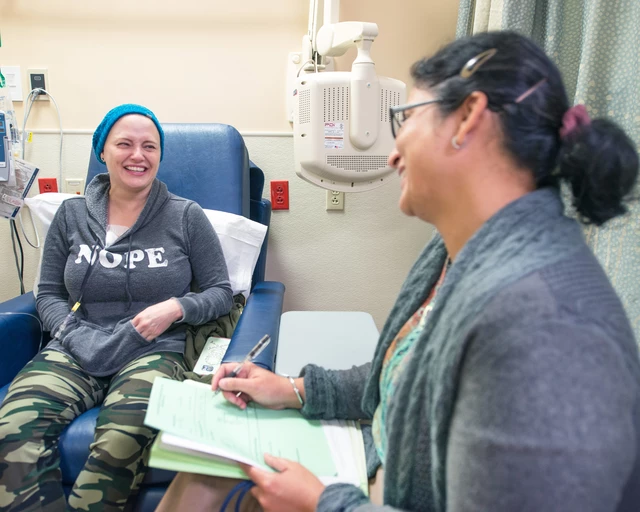
Cancer can bring up a wide range of emotions, whether you're in treatment now, done with treatment, or a friend or family member. These feelings are all normal. Learn tips for coping with the many emotions that arise with cancer.

Breast cancer disparities

Breast cancer disparities are differences in who gets breast cancer and how they fare after diagnosis. Black women in the United States are more likely to die of breast cancer than white women, and cancer disparities more broadly stem from factors such as access to care, income and where people live.

Breast cancer research

Breast cancer is the second most common cancer among American women. Researchers are working to advance our understanding of how to prevent, detect, and treat breast cancer. They are also looking at how to address disparities and improve quality of life for survivors of the disease. Learn about the latest research for breast cancer.

Breast cancer for health professionals

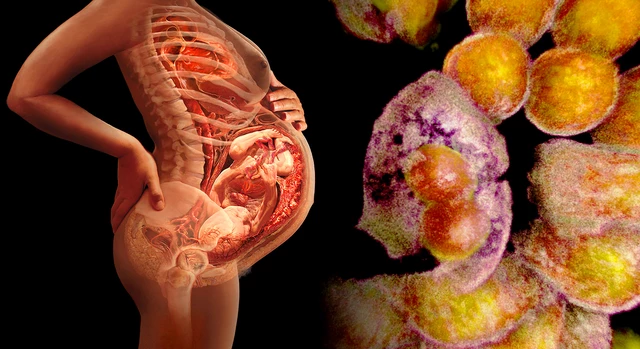
Clinician summaries of breast cancer, written for health professionals. They cover breast cancer screening, prevention and treatment, including male breast cancer and breast cancer during pregnancy, and the genetics of breast and gynecologic cancers, with BRCA1 and BRCA2 risks and management.

The library's building blocks

HealthJournals: immersive guides to health.

HealthJournals are visually immersive guides to a wide range of health and wellness topics, from diseases and conditions to treatments, procedures, anatomy, nutrition and more. Each is a carefully curated selection of videos, images, interactives and authoritative information that makes its topic easier to understand.
Your health, in one place

Make it your journey.

Bring your records into StoryMD, and follow Breast cancer with a companion that knows your history.