Start your free trial

42 HealthJournals

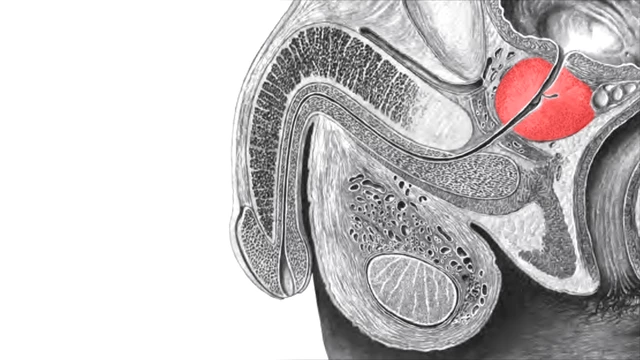
Prostate anatomy

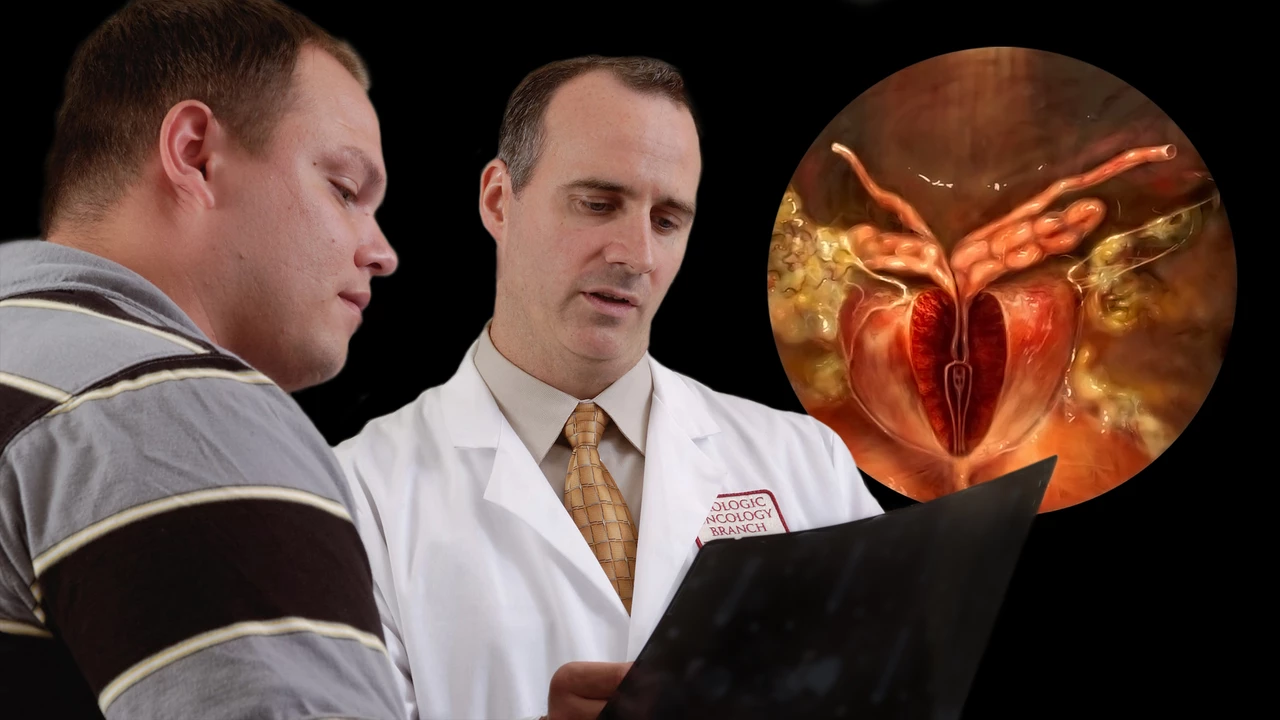
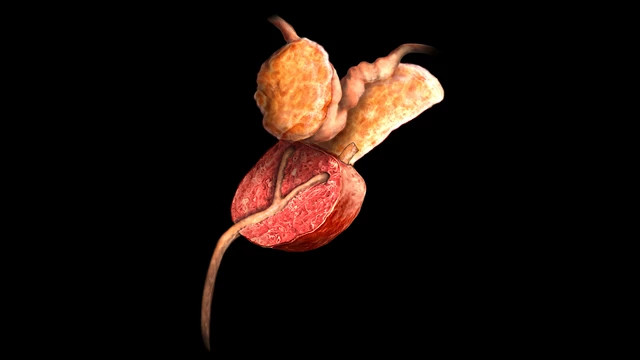
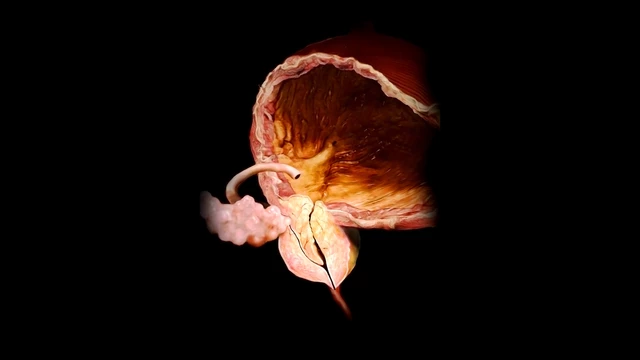
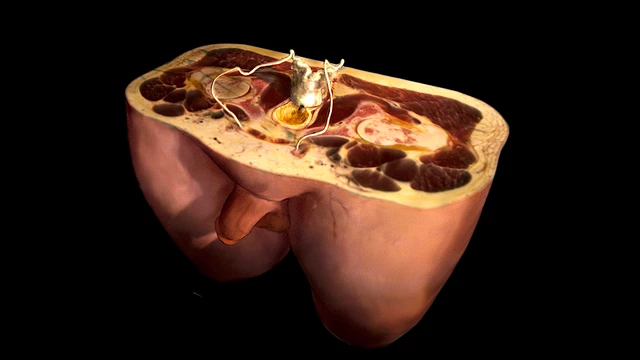
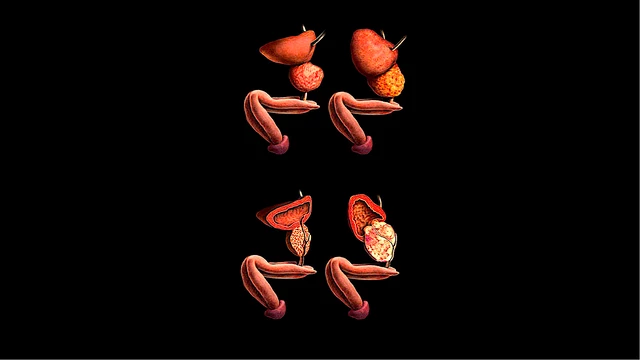
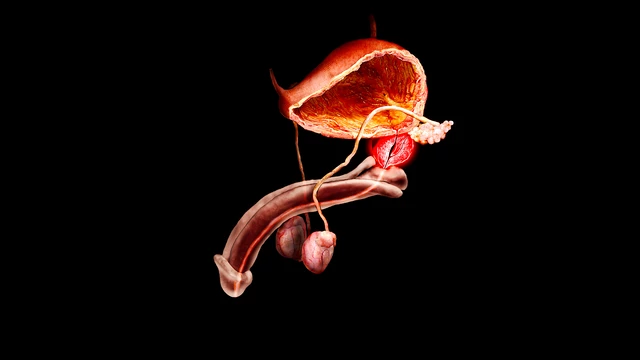
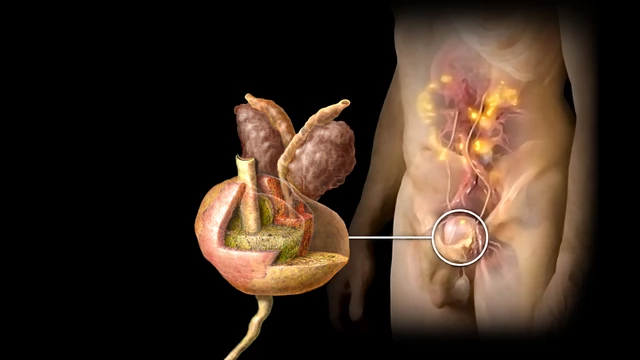
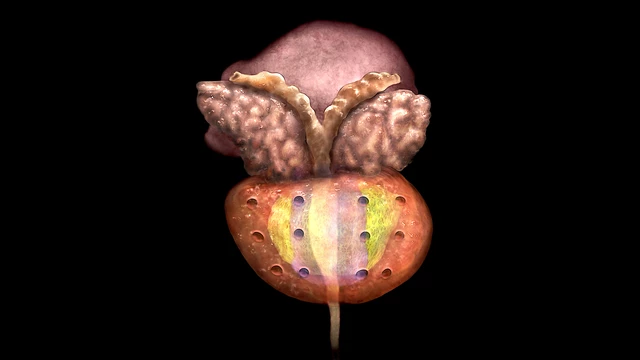
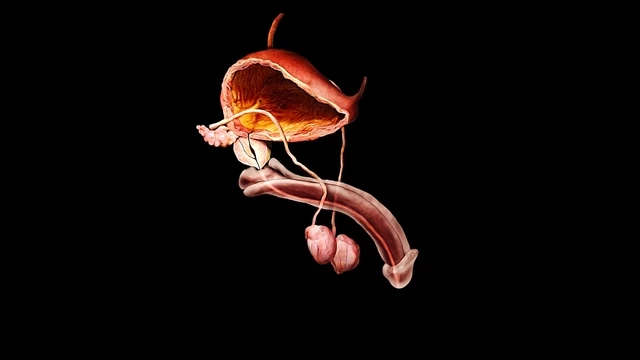
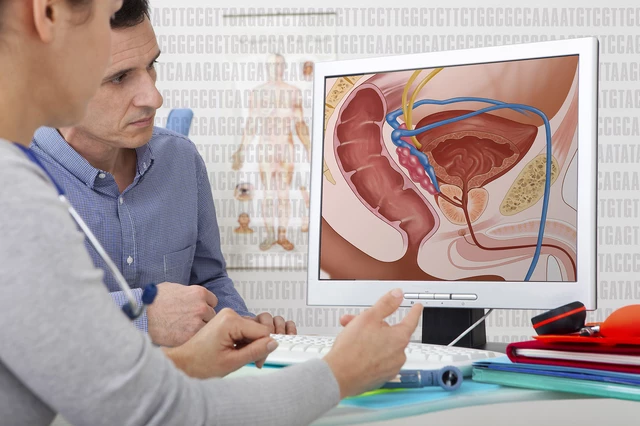
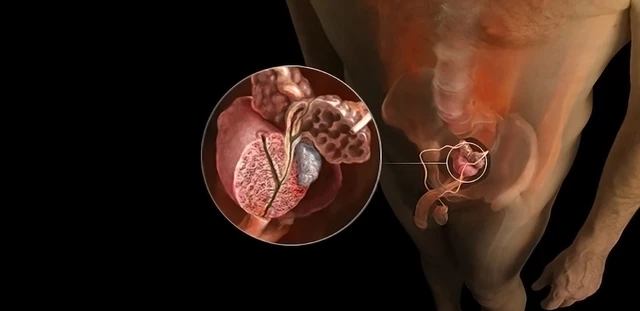
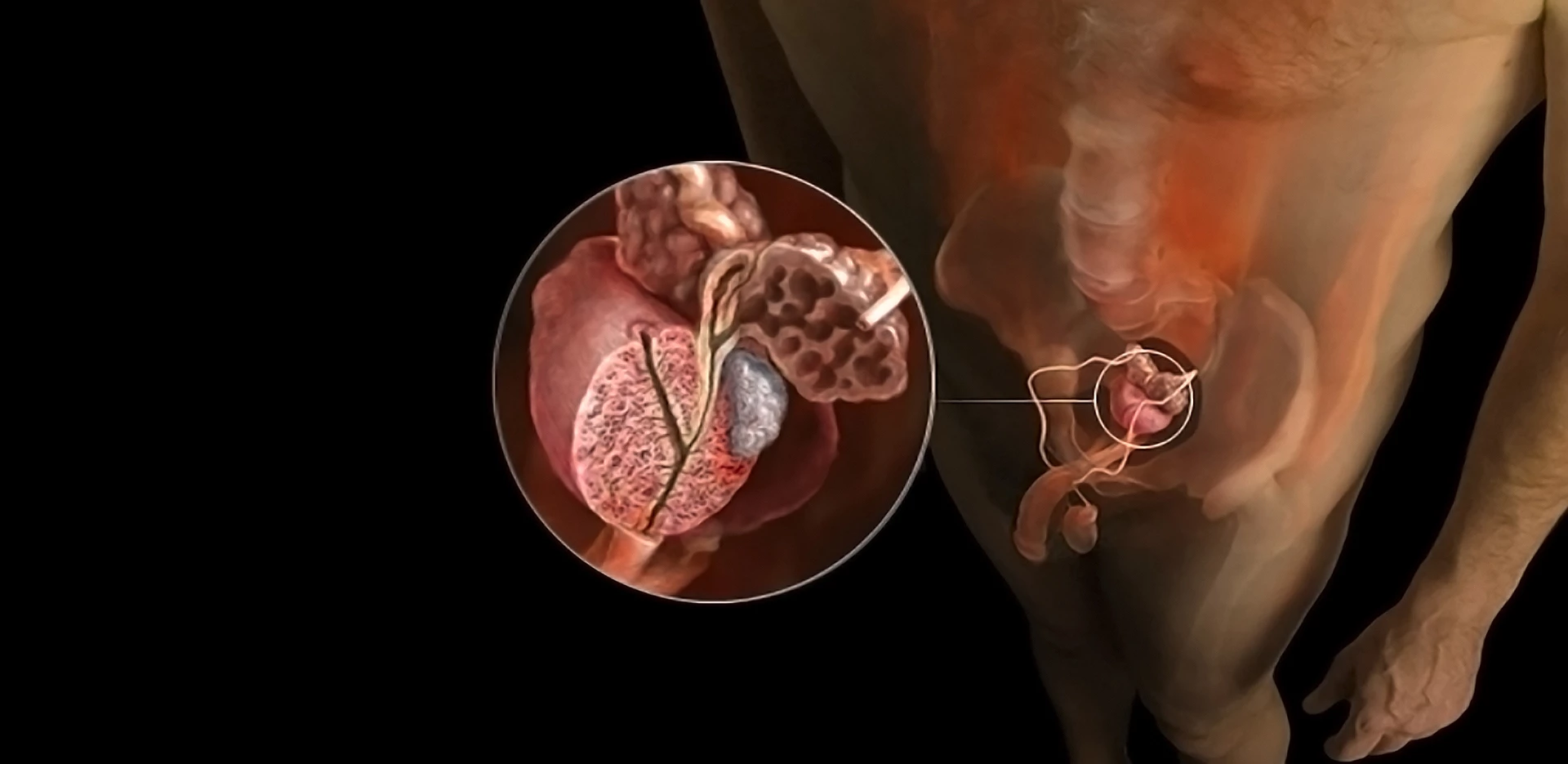
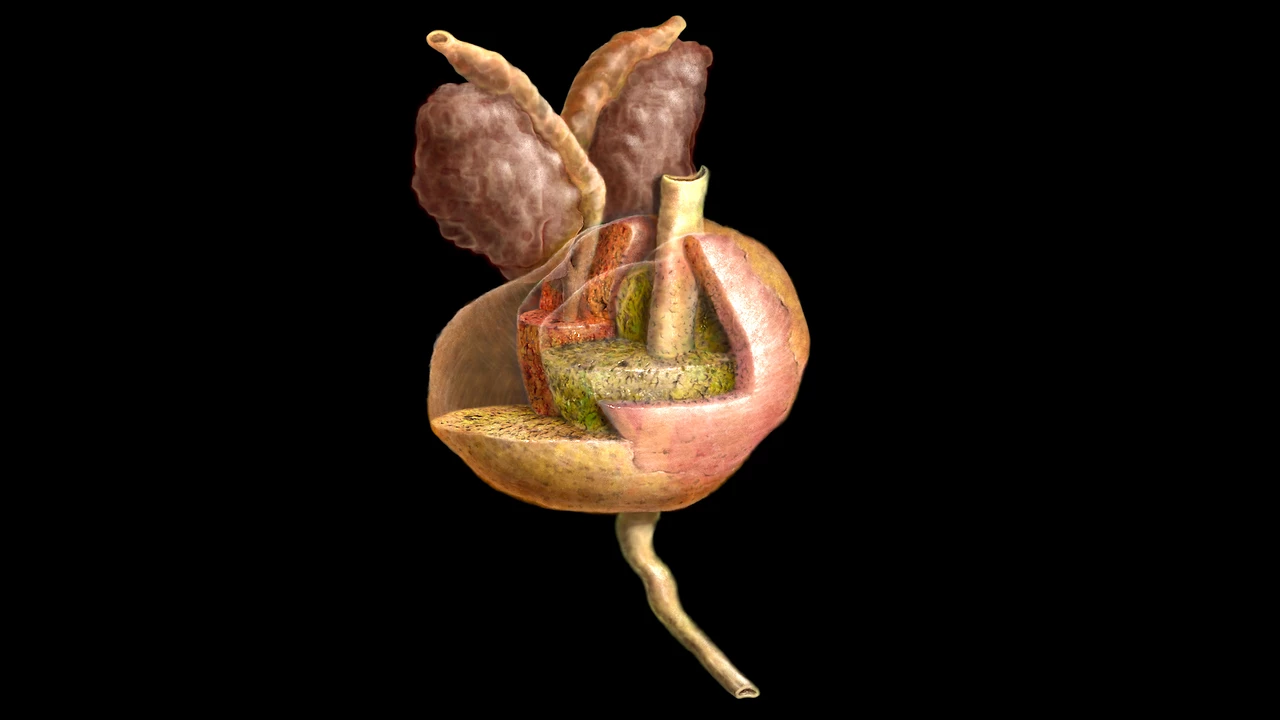
The prostate is a small gland in men that helps make semen. Located just below the bladder in front of the rectum, it wraps around the tube that carries urine and semen out of the body. Learn more about the structure and function of the prostate.
Prostate cancer basics

Prostate cancer is a disease in which cancer cells form in the tissues of the prostate. It is the most common cancer among men and the second most common cause of cancer-related deaths among American men. The risk goes up as men age. Learn about symptoms, tests, and treatment.

Prostate cancer causes

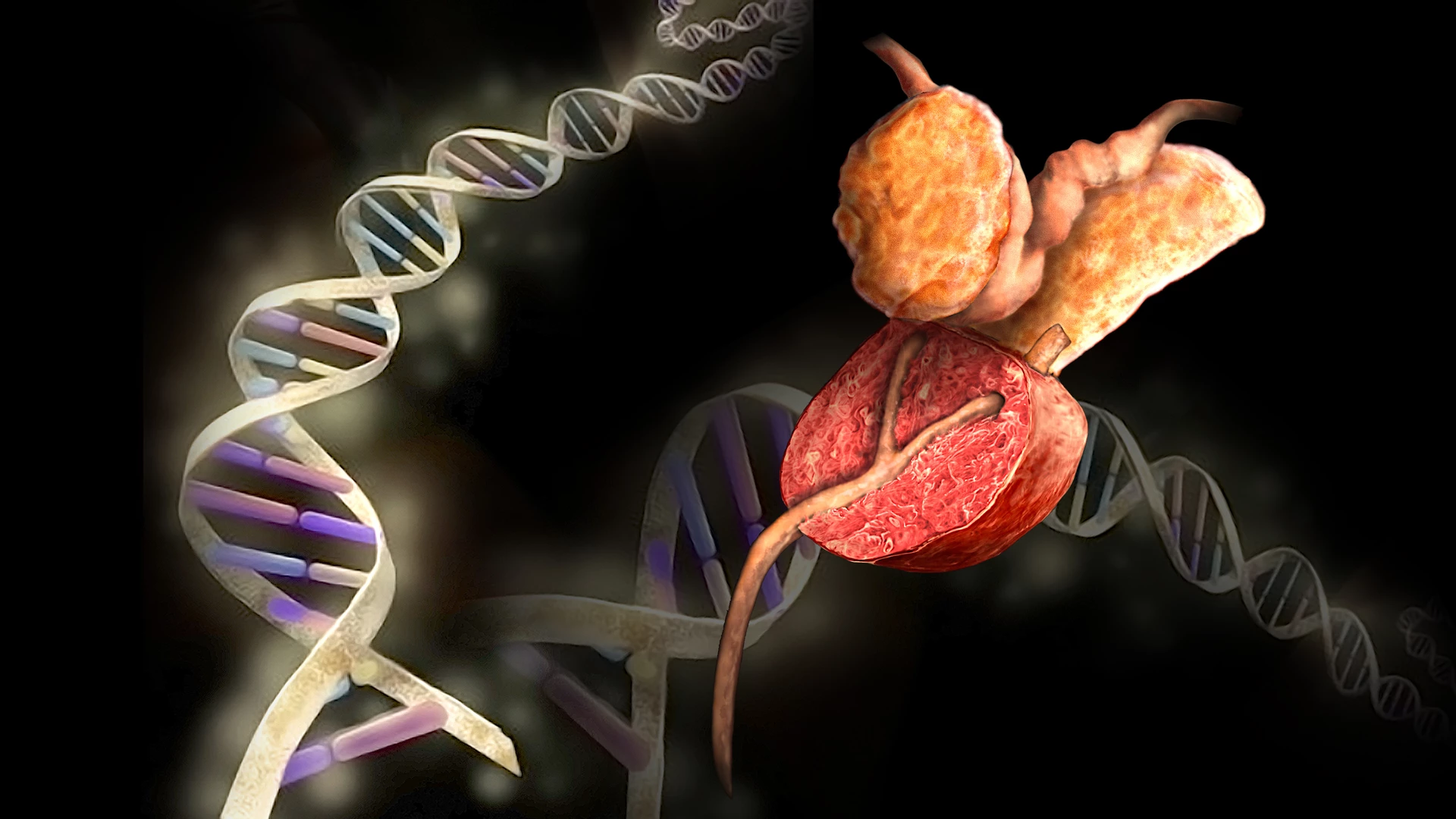
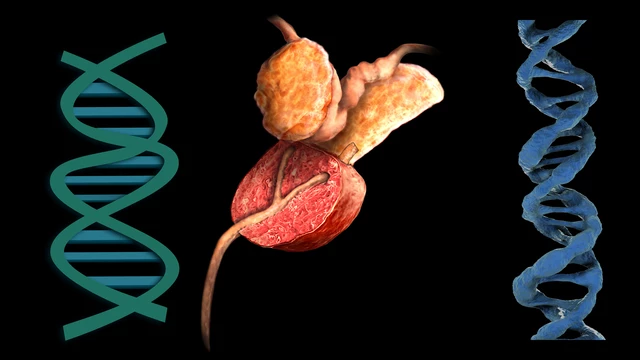
Prostate cancer, like other cancers, starts with changes in the genes that control how cells grow and divide. Some of those changes are inherited and others build up over a lifetime, and substances in the environment can play a part in cancer risk.

Prostate cancer risks

A small percentage of prostate cancers are hereditary and occur in families. Inherited variants in particular genes, such as BRCA1, BRCA2, and HOXB13, account for some cases of hereditary prostate cancer. Dozens of other genes have been studied as possible risk factors for prostate cancer.

Prostate cancer prevention

Prostate cancer is the second most common cancer among men in the U.S. Avoiding risk factors, such as smoking, being overweight, and not getting enough exercise, and increasing protective factors, such as having a healthy lifestyle may help prevent cancer. Learn more about risk and protective factors for prostate cancer.

Prostate cancer screening and diagnosis

Prostate cancer screening looks for cancer before there are symptoms, most often with a PSA blood test, and it has both benefits and harms. Prostate tests, from the digital rectal exam to imaging and a prostate biopsy, help diagnose prostate cancer and other prostate problems.

Prostate cancer grading

Cancer grading is a system for classifying cancer cells in terms of how abnormal they appear when examined under a microscope. Learn more about tumor grade and its role in cancer prognosis.

Prostate cancer treatment

Most prostate cancers need male hormones to grow, so hormone therapy, which lowers or blocks them, is a mainstay of treatment for advanced prostate cancer. Brachytherapy, radiation from small seeds placed in or near the prostate, treats the cancer from inside the body.

Prostate cancer treatment side effects

Prostate cancer treatment side effects happen when treatment affects healthy tissues and organs, and they differ from person to person and from one treatment to another. Common ones include fatigue, pain, nausea and vomiting, and complementary health approaches have been studied for easing some of them.

Prostate cancer coping and caregiving

You may have just learned that you have cancer. Or you may be in treatment, finishing treatment, or have a friend or family member with cancer. Having cancer changes your life and the lives of those around you. Learn how to find support and cope with your emotions during this challenging time.

Prostate cancer disparities

Prostate cancer disparities are differences in who gets prostate cancer and how they fare. African American men are more likely to develop prostate cancer and to die of it than men of other groups, and cancer disparities more broadly stem from factors such as access to care and income.

Prostate cancer research

Find what's new in prostate cancer research, including current progress in improving biopsies and imaging for diagnosis, and in treating prostate cancer with hormone therapy, immunotherapy, and targeted therapy.

Prostate cancer for health professionals

Clinician summaries of prostate cancer, written for health professionals. They cover prostate cancer screening and prevention, its treatment and the genetics of prostate cancer, including the inherited gene variants that raise a man's risk.

The library's building blocks

HealthJournals: immersive guides to health.

HealthJournals are visually immersive guides to a wide range of health and wellness topics, from diseases and conditions to treatments, procedures, anatomy, nutrition and more. Each is a carefully curated selection of videos, images, interactives and authoritative information that makes its topic easier to understand.

Your health, in one place

Make it your journey.

Bring your records into StoryMD, and follow Prostate cancer with a companion that knows your history.