Featured HealthJournal
Endocrine System
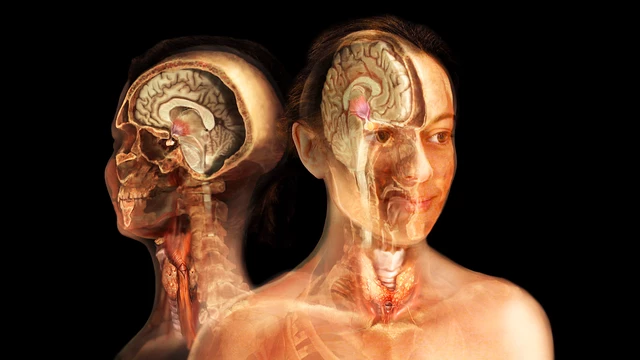
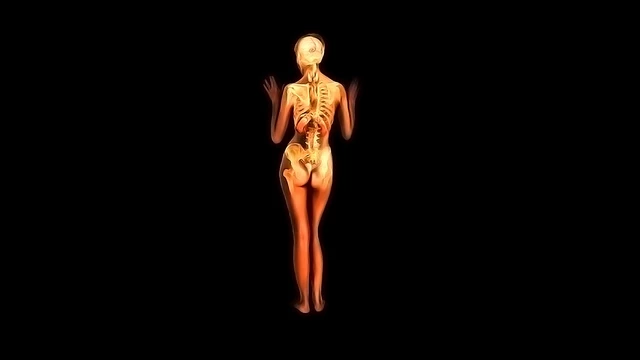
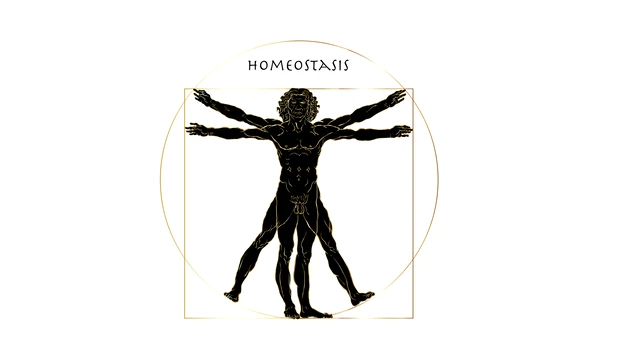
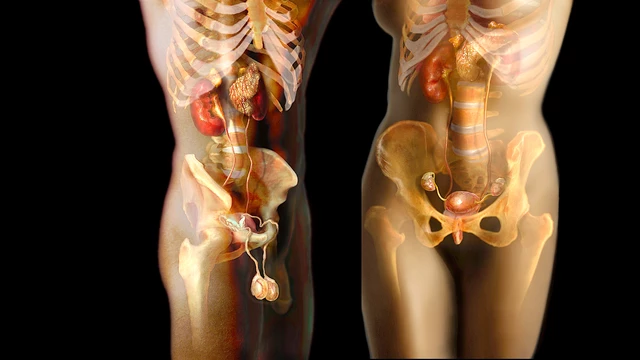
The endocrine system consists of cells, tissues, and organs that secrete hormones critical to homeostasis. The body coordinates its functions through two major types of communication: neural and endocrine.
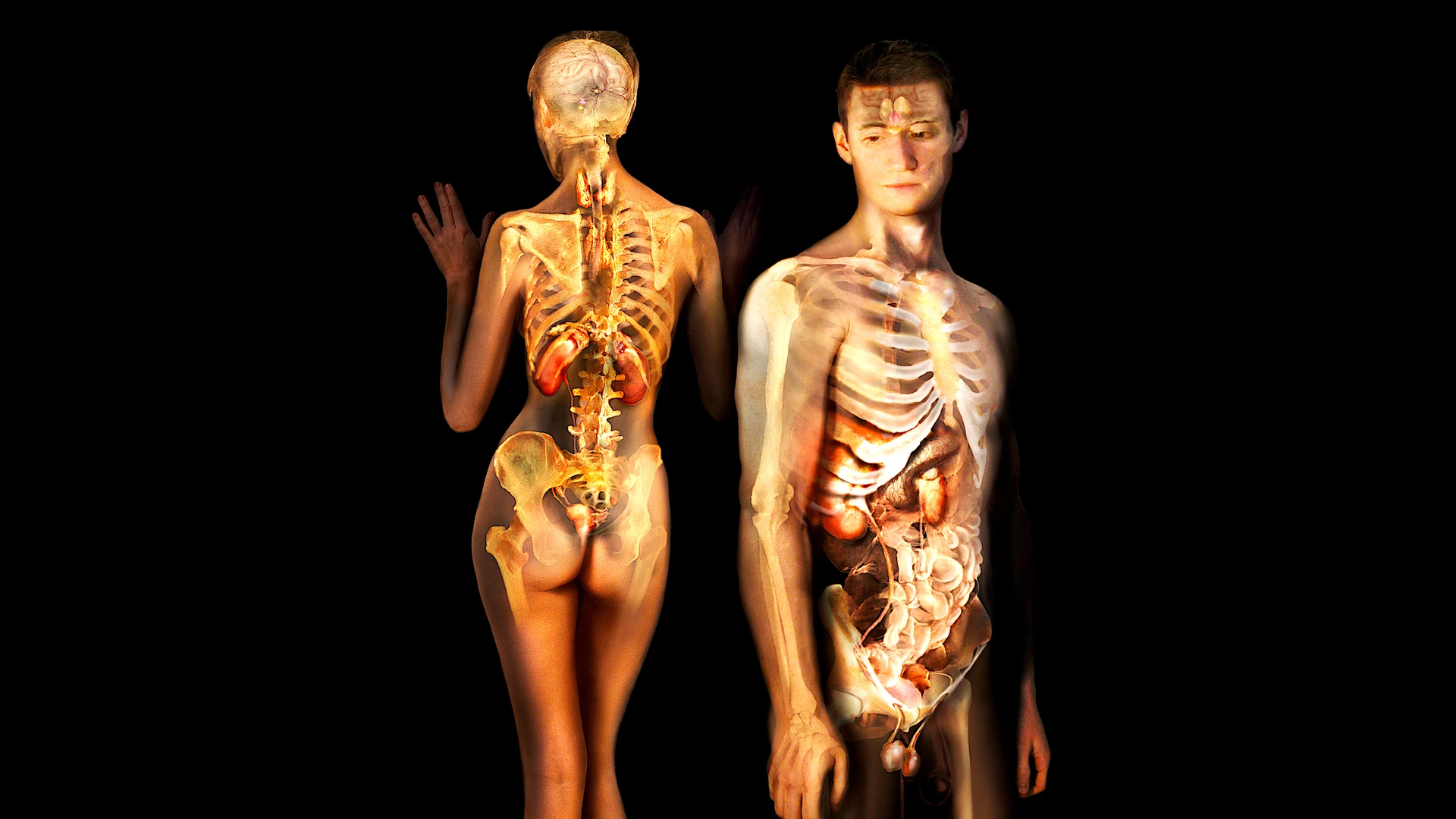
How the thyroid, adrenal, pituitary and other glands work, the hormones they make, and the conditions that affect them, from diabetes to endocrine cancers.
212 HealthJournals
The endocrine system consists of cells, tissues, and organs that secrete hormones critical to homeostasis. The body coordinates its functions through two major types of communication: neural and endocrine.
Plastic water bottles are a disaster for the environment, and if that doesn’t motivate you to give them up, the plastic leaching into your body might do so. Read more about why switching to filtered water is best.
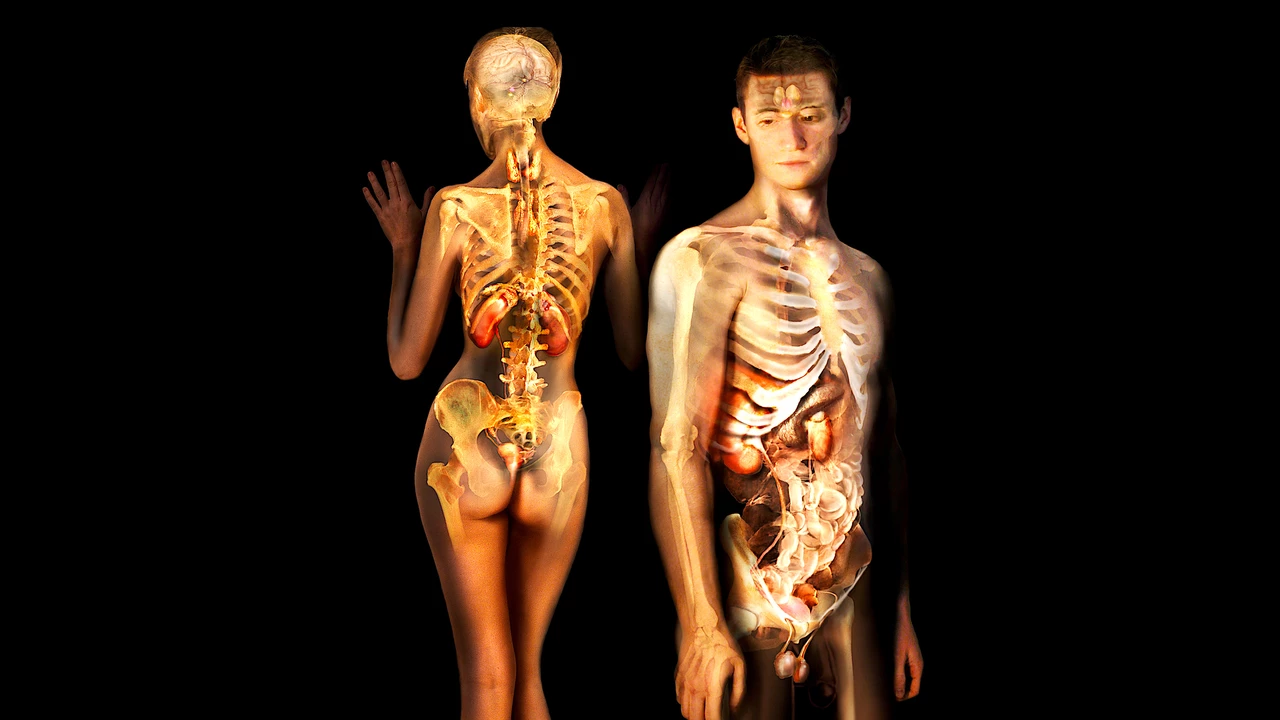
The endocrine system is the set of glands that make hormones, the chemical messengers that control growth, metabolism, sleep and reproduction. Its anatomy runs from the pituitary and thyroid to the adrenal glands, pancreas, ovaries and testes, and hormones such as estrogen, testosterone and oxytocin.
 Endocrine System
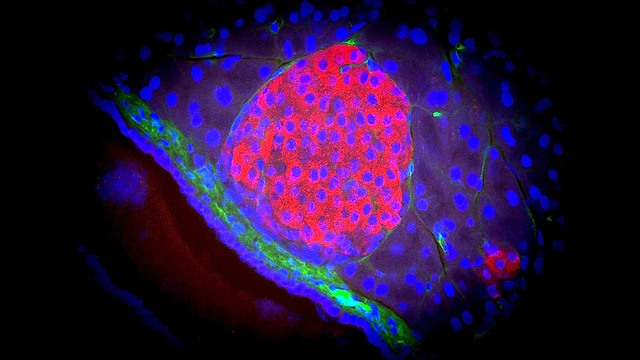 Pancreatic Islets
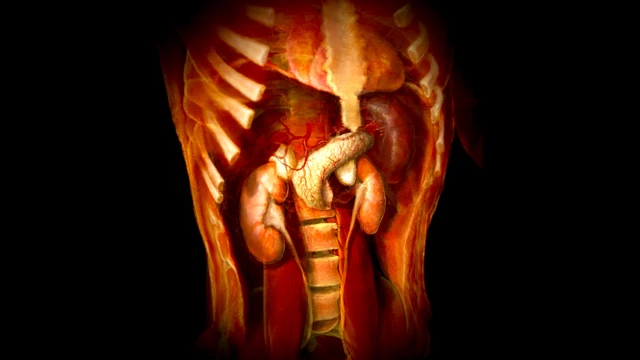 Pancreas
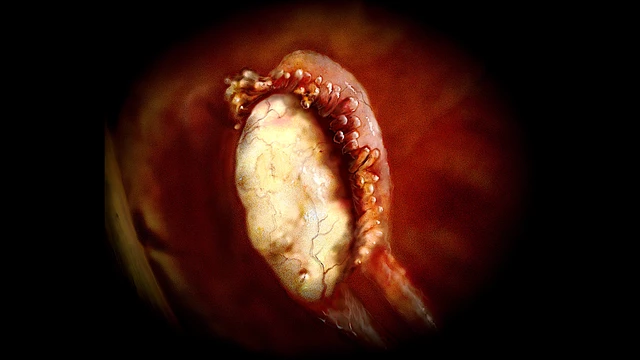 Ovaries
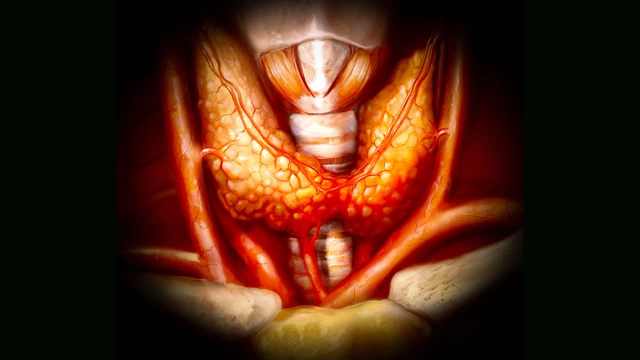 Thyroid Gland
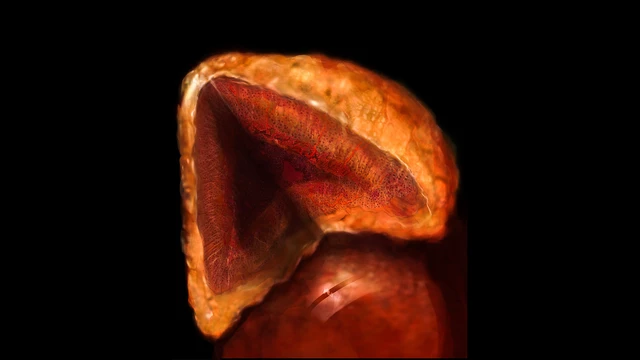 Adrenal Glands
 Ovarian Follicles
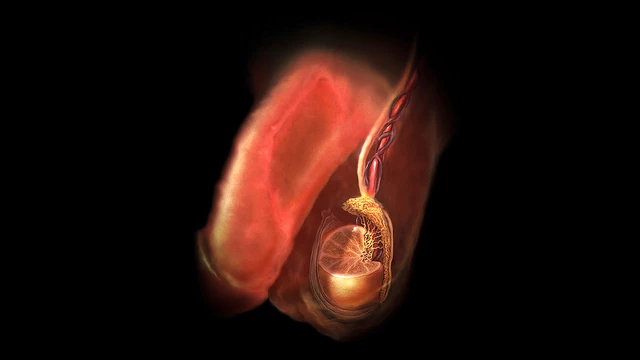 Testes
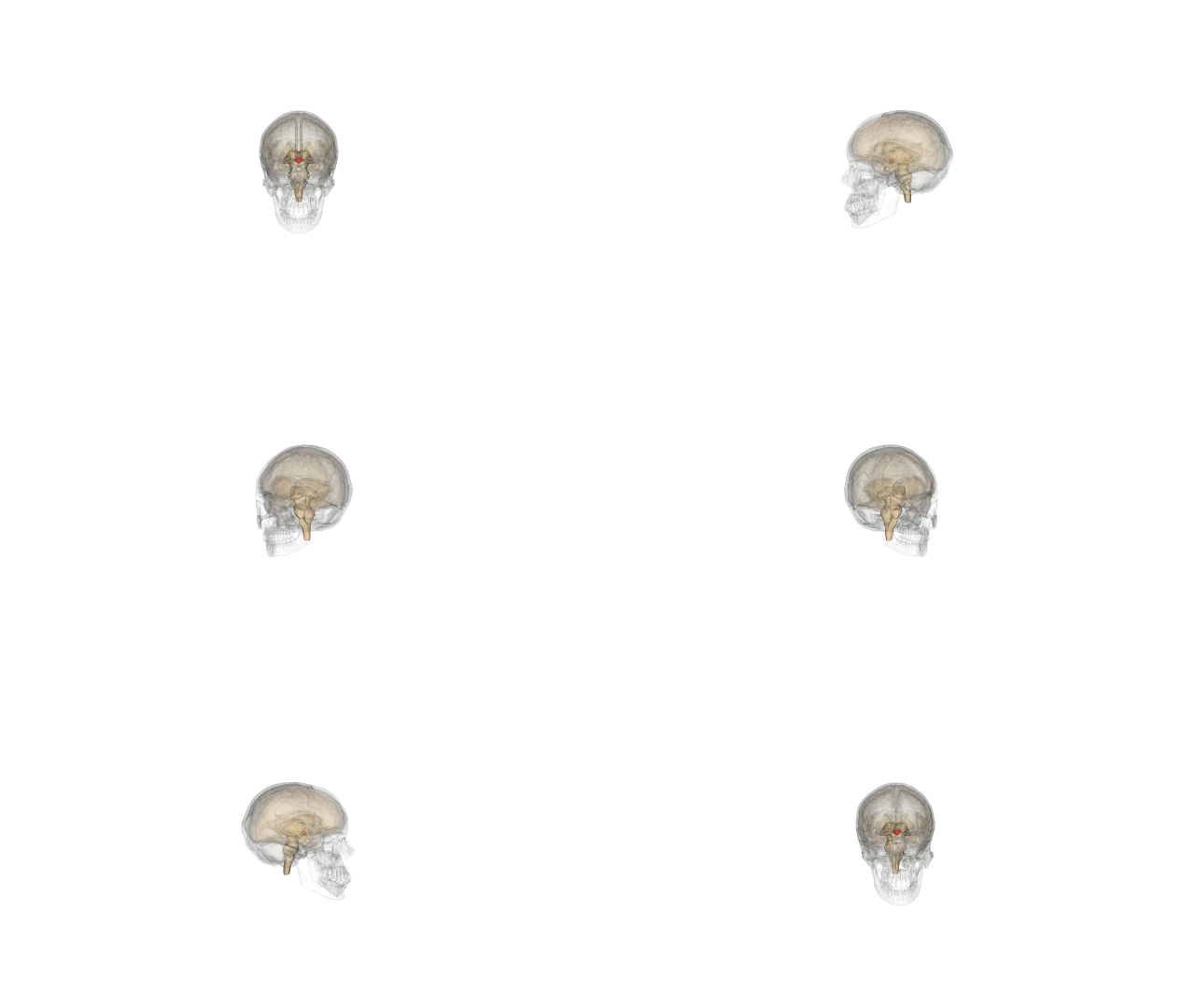 Hypothalamus
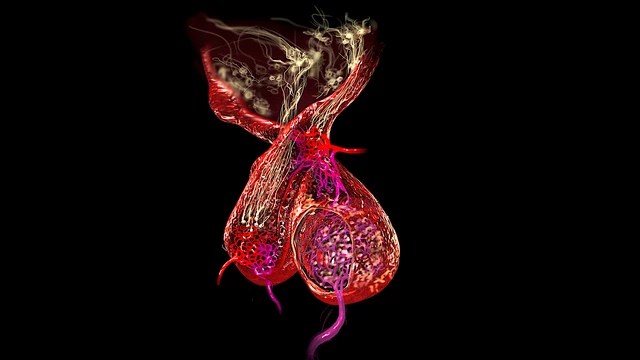 Pituitary Gland
 Pineal Gland
 Hormones
 Puberty
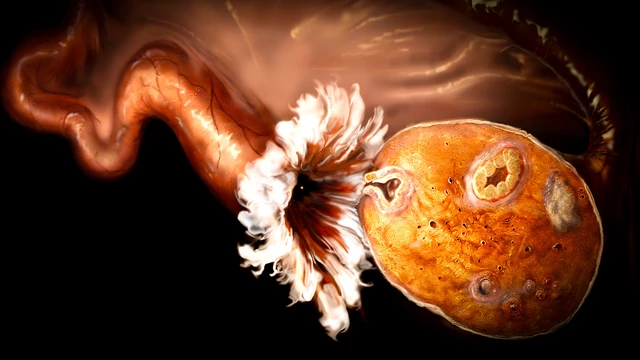 Ovulation
 Menstrual Cycle
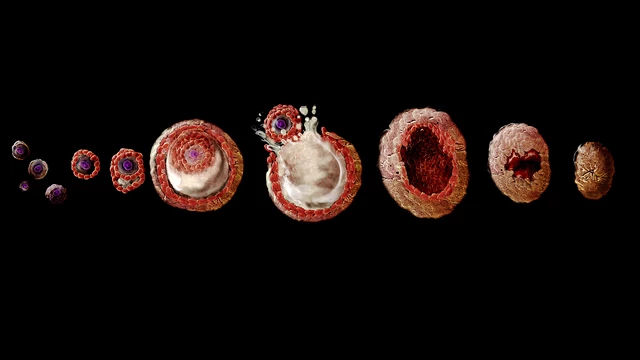 Folliculogenesis
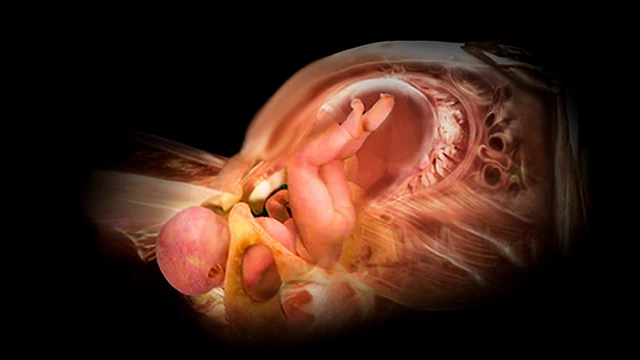 Oxytocin
 Prolactin
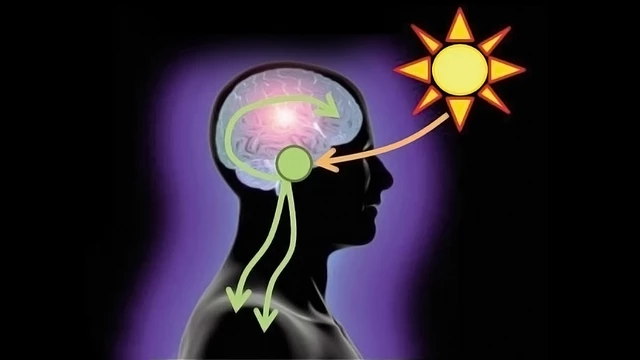 Circadian Rhythm
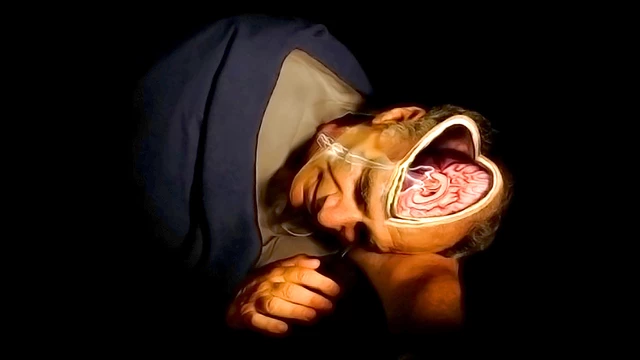 How Sleep Works
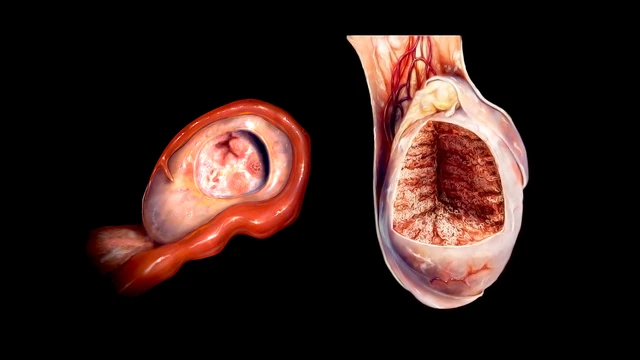 Reproductive Hormones
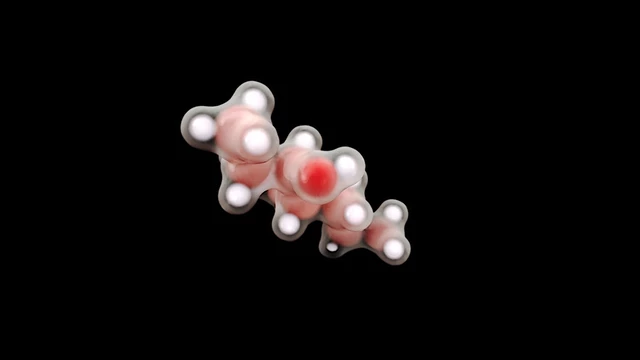 Estrogen Testosterone
 Sexual Health: The Marvel of Sexual Development
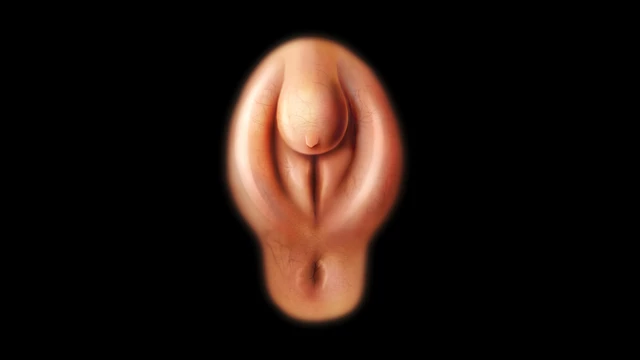 Androgens
 Progesterone Ovulation Tracker
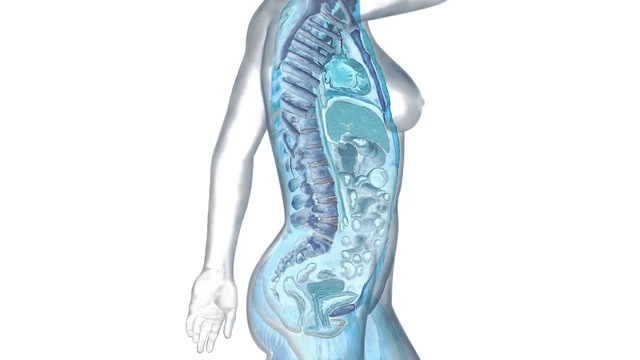 Female Reproductive System
 Parathyroid Glands
 Blood Glucose
 Homeostasis
 Erythropoietin
 Male Reproductive System Ovarian Stimulation
 Type 1 Diabetes
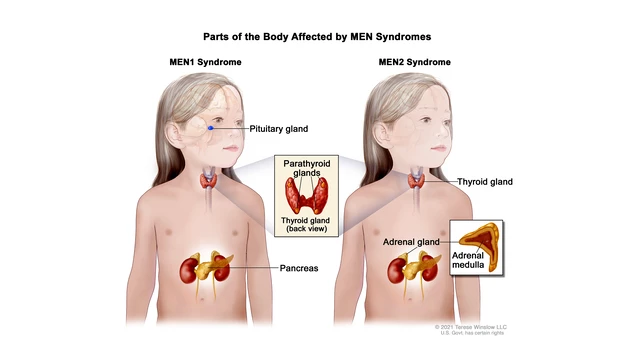
Endocrine diseases upset the body's hormone balance, and some affect several glands at once. They include multiple endocrine neoplasia types 1 and 2, which cause tumors in hormone glands, and autoimmune polyglandular syndrome, as well as changes that come with age, like andropause and menopausal hot flashes.
 Endocrine Diseases
 Multiple Endocrine Neoplasia
 Childhood Multiple Endocrine Neoplasia (MEN) Syndromes
 Multiple Endocrine Neoplasia Type 1
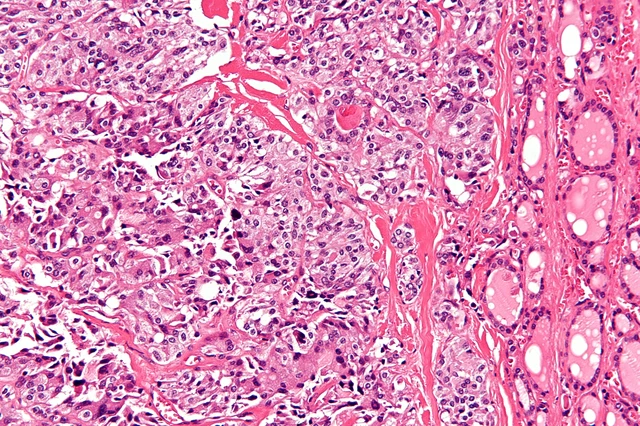 Multiple Endocrine Neoplasia Type 2A
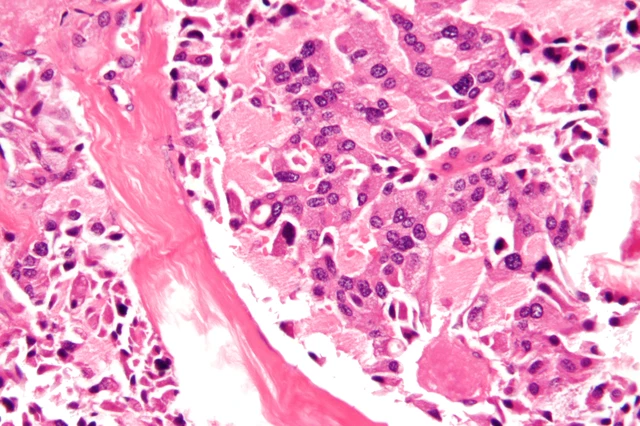 Multiple Endocrine Neoplasia Type 2B
 Andropause
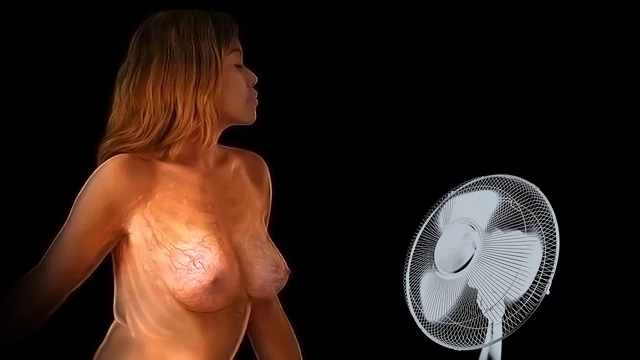
 Menopausal Hot Flashes
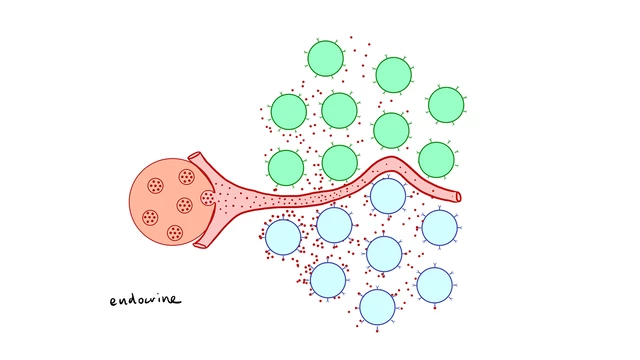 Autoimmune Polyglandular Syndrome Type 2
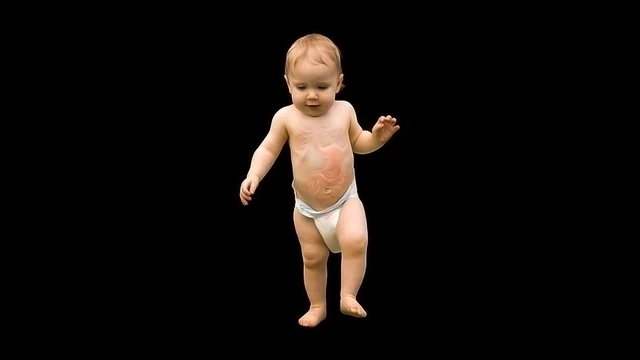 Childhood Gastrointestinal Neuroendocrine Tumors
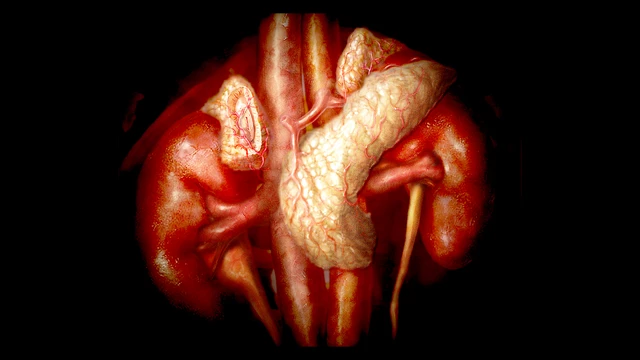
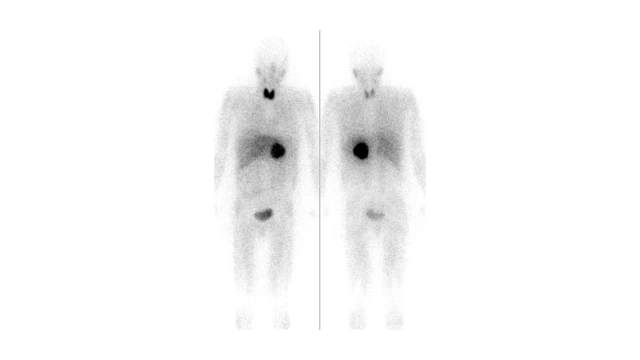
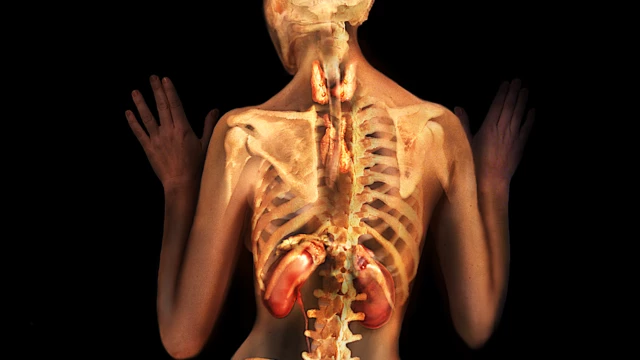
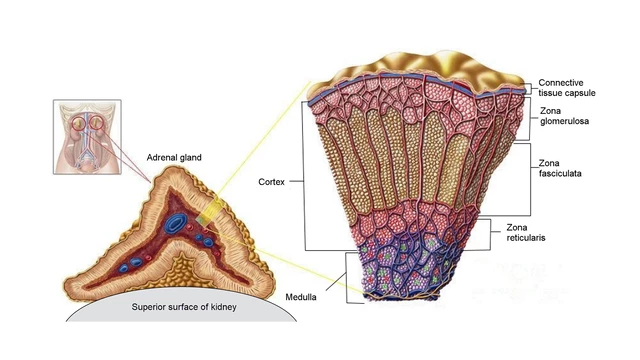
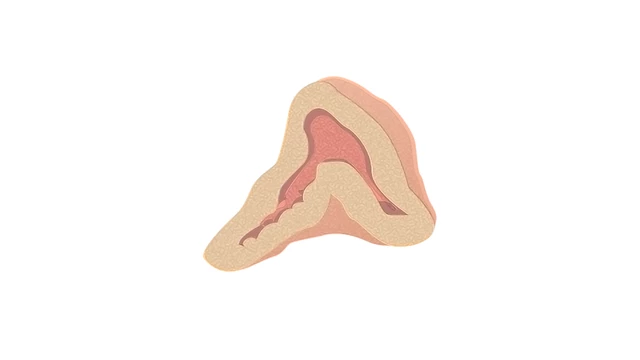
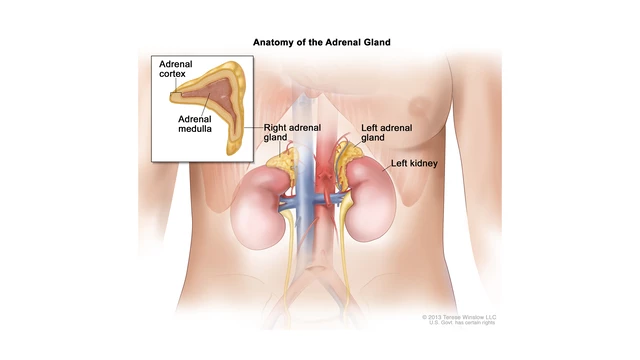
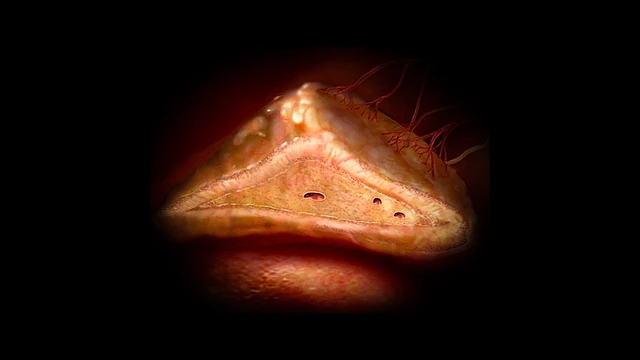
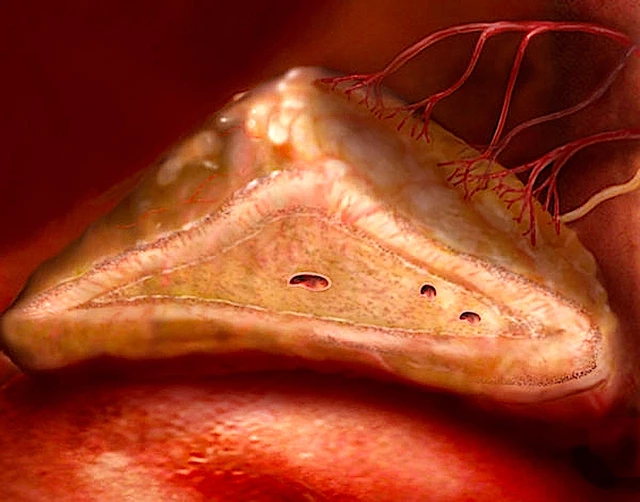
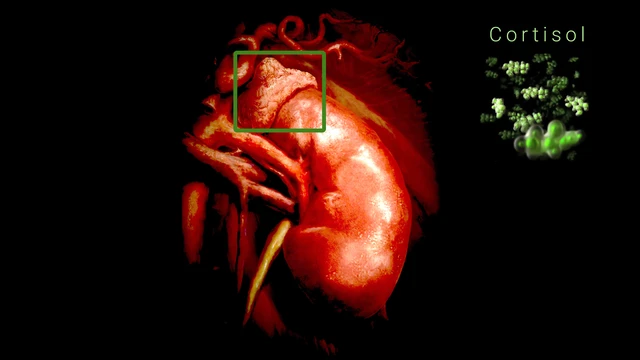
The adrenal glands sit on top of the kidneys and make hormones such as cortisol and adrenaline, which help control stress, blood pressure and metabolism. Their disorders include Addison disease, Cushing's syndrome, adrenal crisis, congenital adrenal hyperplasia, pheochromocytoma and adrenal cancer.
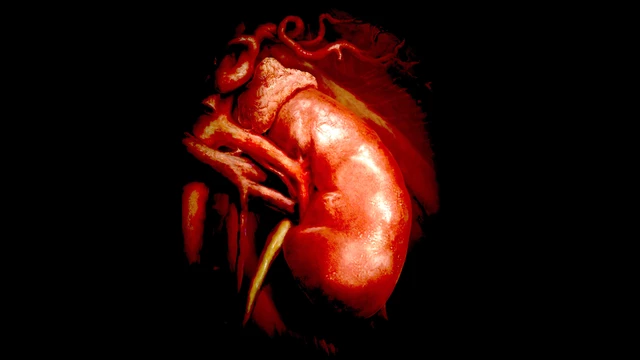 Adrenal Gland Disorders
 Adrenal Gland Cancer
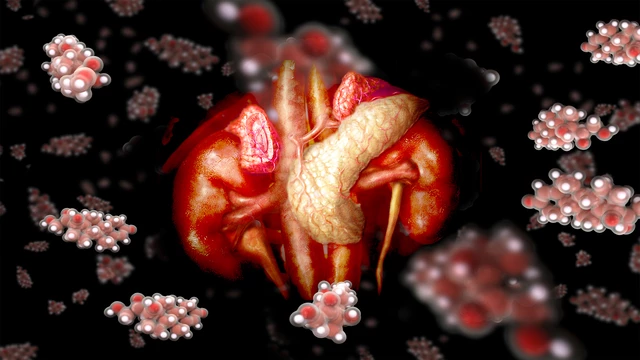 Cushing's Syndrome
 Congenital Adrenal Hyperplasia
 Pheochromocytoma
 Adrenal Crisis
 Adrenal Adenoma
 Addison Disease
 Autoimmune Addison Disease
 Non-Classic Congenital Adrenal Hyperplasia due to 21-Hydroxylase Deficiency
 Hereditary Paraganglioma-Pheochromocytoma
 Childhood Pheochromocytoma and Paraganglioma
 21-Hydroxylase Deficiency
 Hypoaldosteronism
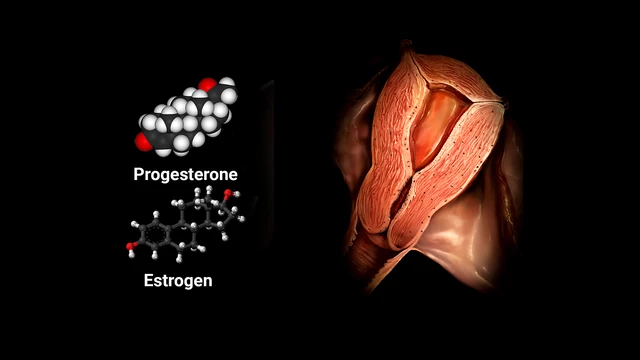
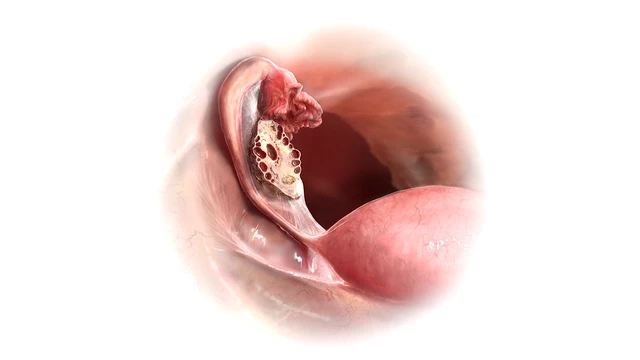
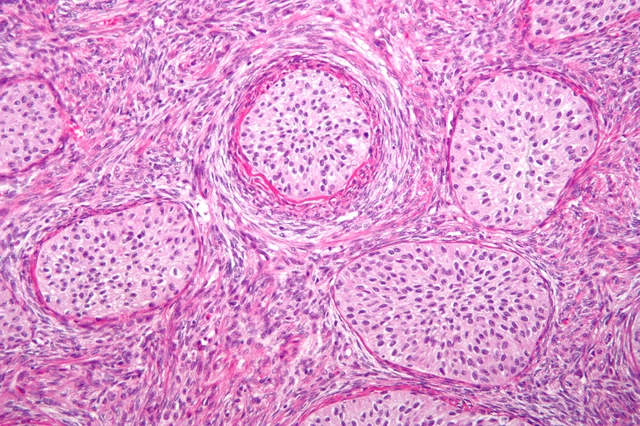
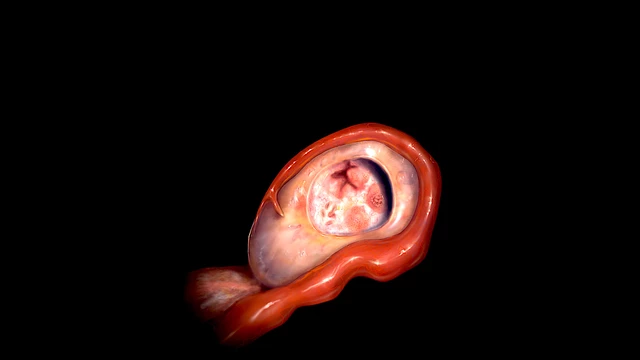
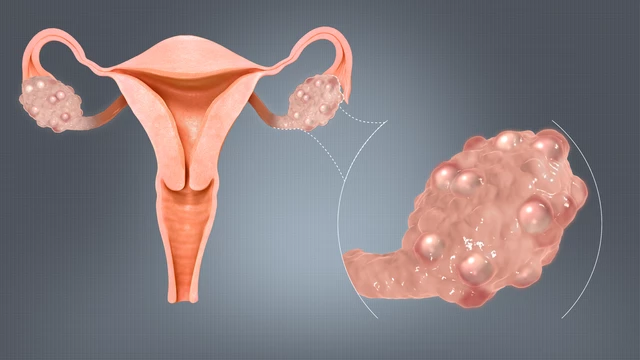
The ovaries hold a woman's eggs and make estrogen and progesterone. Their disorders range from ovarian cysts and primary ovarian insufficiency to female infertility, and from ovarian cancer, its screening and prevention to rarer granulosa cell and germ cell tumors.
 Polyendocrine Metabolic Ovarian Syndrome
 Brenner Tumor of Ovary
 Ovarian Remnant Syndrome
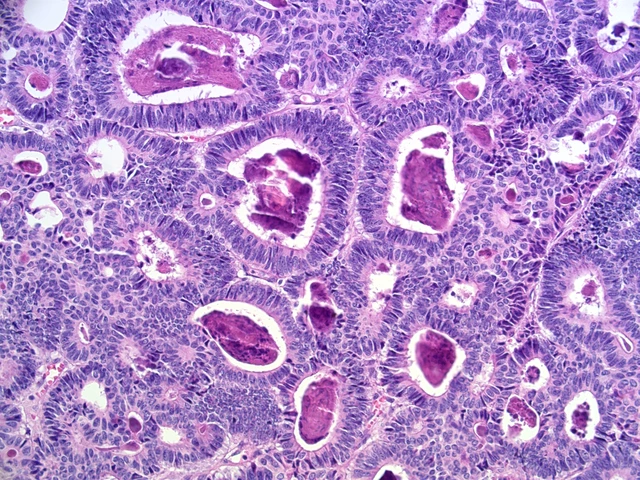 Sertoli-Leydig Cell Tumors
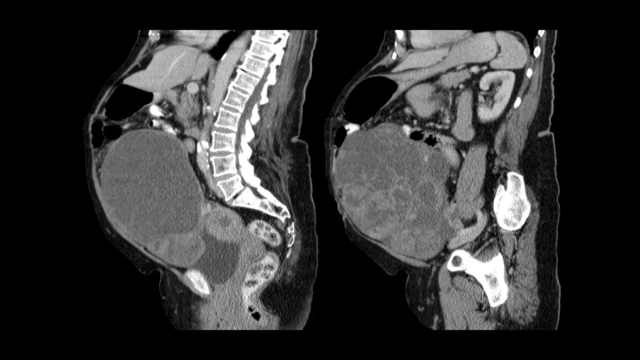 Granulosa Cell Tumor of the Ovary
 Ovarian, Fallopian Tube and Primary Peritoneal Cancer
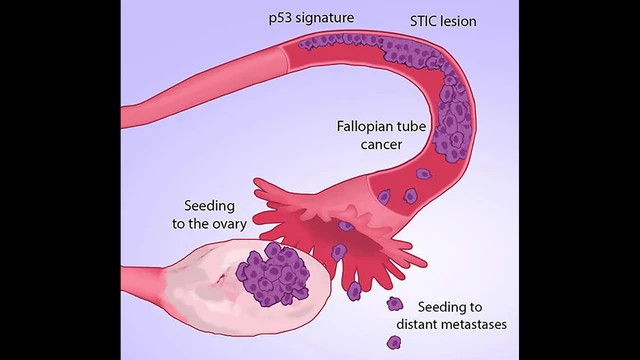 Ovarian Carcinosarcoma
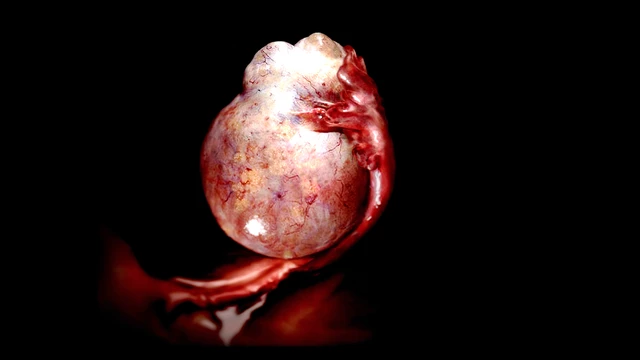 Ovarian Cancer
 Ovarian Borderline Tumors Treatment
 Ovarian Disorders
 Ovarian Cysts Primary Ovarian Insufficiency
 Oophorectomy
 Extracranial Germ Cell Tumors
 Ovarian, Fallopian Tube and Primary Peritoneal Cancer Screening
 Ovarian, Fallopian Tube, and Primary Peritoneal Cancer Prevention
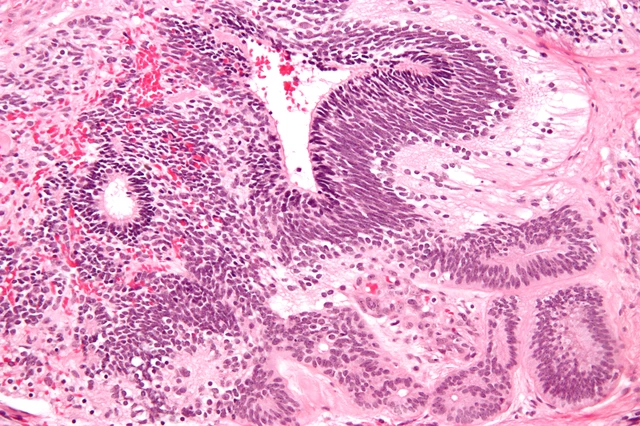 Extragonadal Germ Cell Tumors
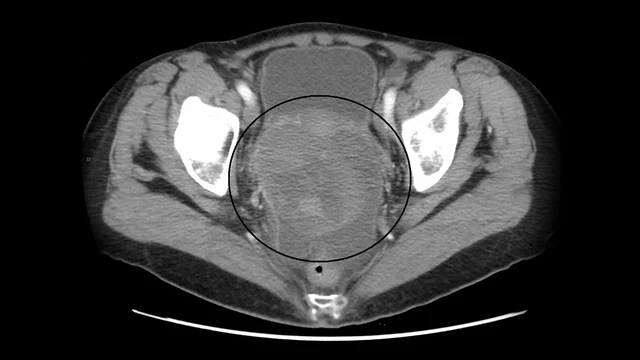 Ovarian Germ Cell Tumors Folliculogenesis
 Female Infertility Ovarian Stimulation
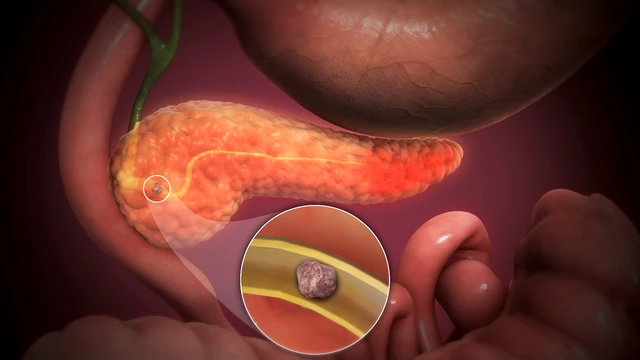
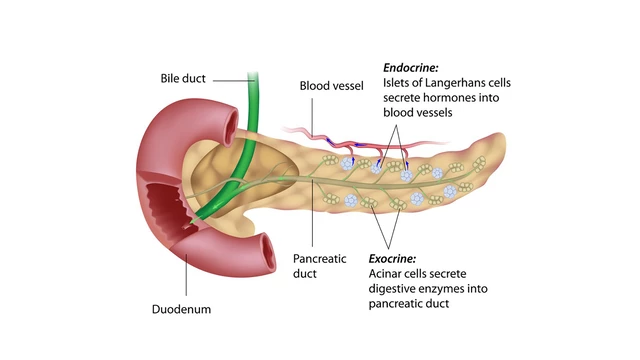
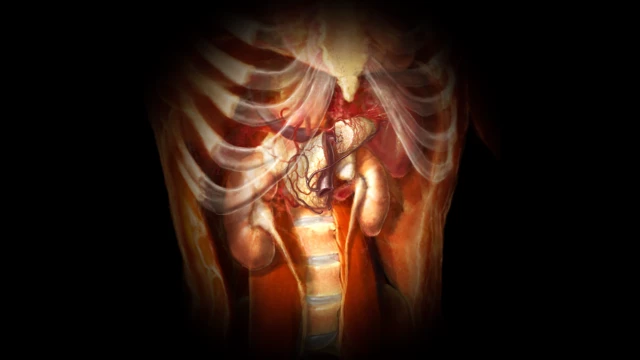
The pancreas makes both digestive enzymes and hormones such as insulin, which controls blood sugar. Its disorders include pancreatitis, exocrine pancreatic insufficiency, pancreatic cancer and neuroendocrine tumors, along with islet cell and pancreas transplants and the artificial pancreas.
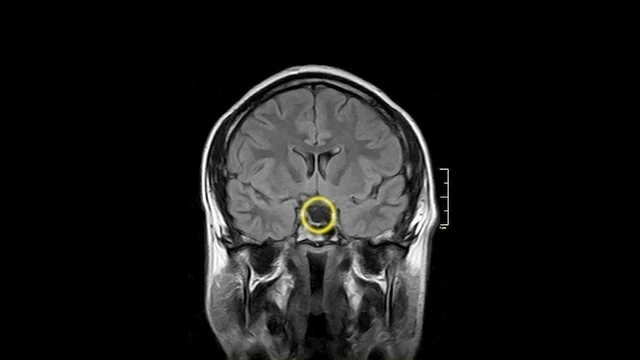
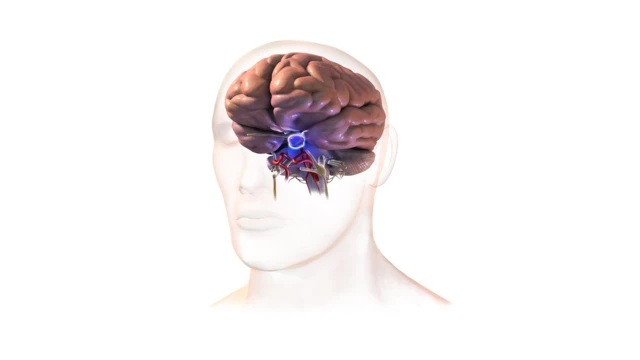
The pituitary gland, at the base of the brain, makes hormones that control growth and other glands. Its disorders include pituitary tumors such as prolactinoma, acromegaly, Cushing disease, growth disorders, Sheehan syndrome and diabetes insipidus.
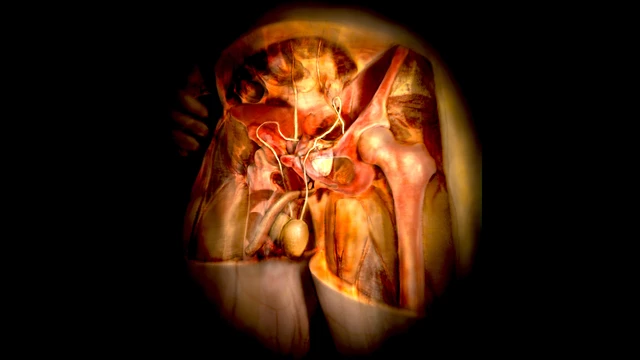
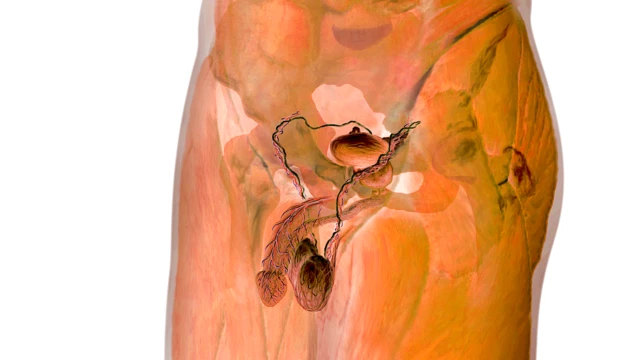
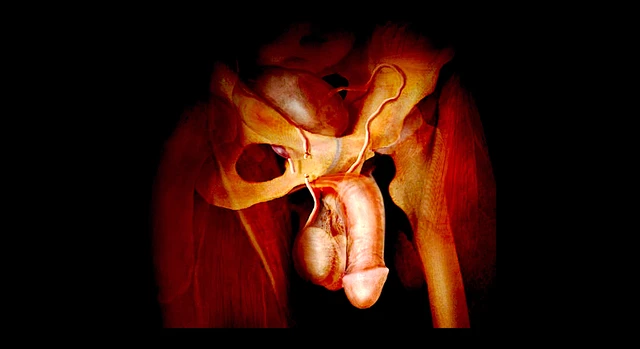
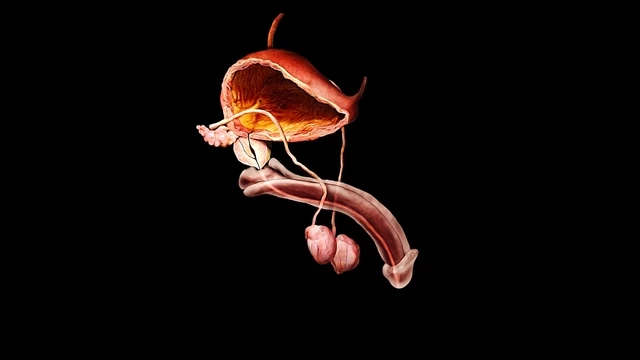
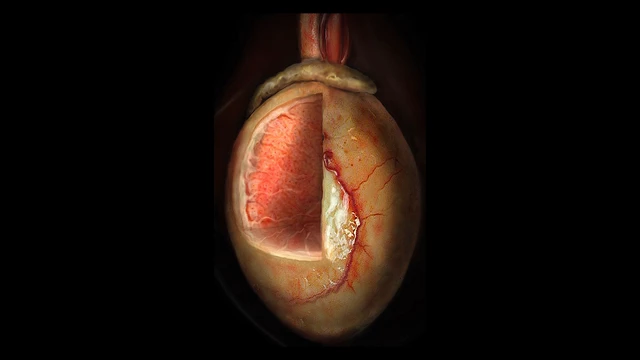
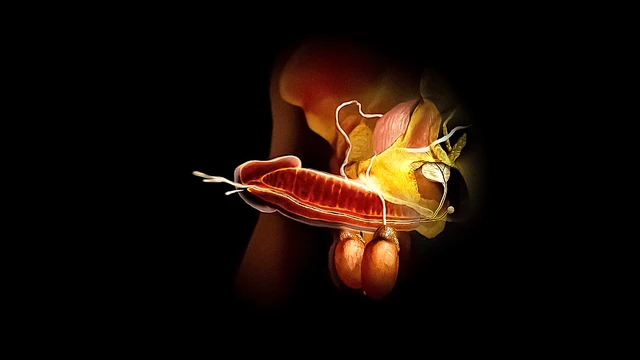
The testicles make sperm and testosterone. Their disorders range from undescended testicles, or cryptorchidism, and the surgery that corrects it to testicular cancer and germ cell tumors in men and boys, along with testicular cancer screening and vasectomy.
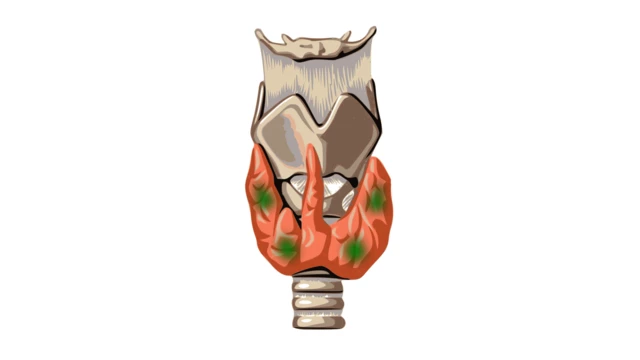
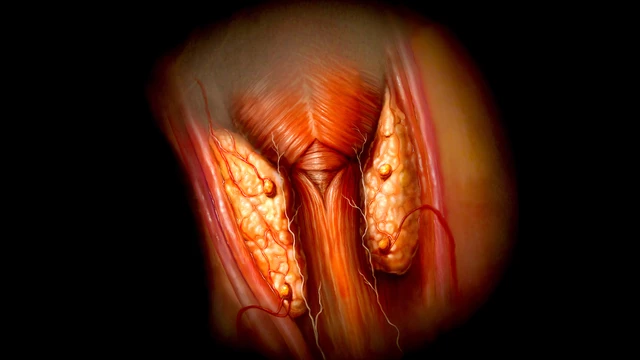
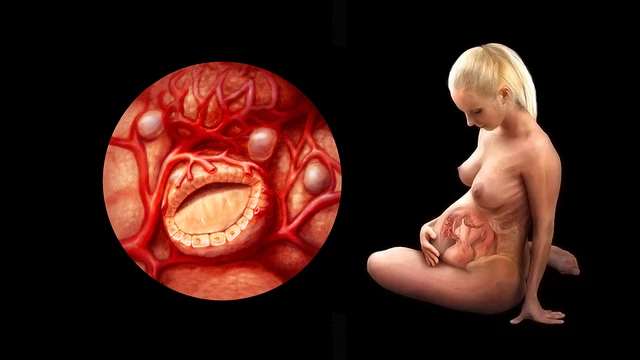
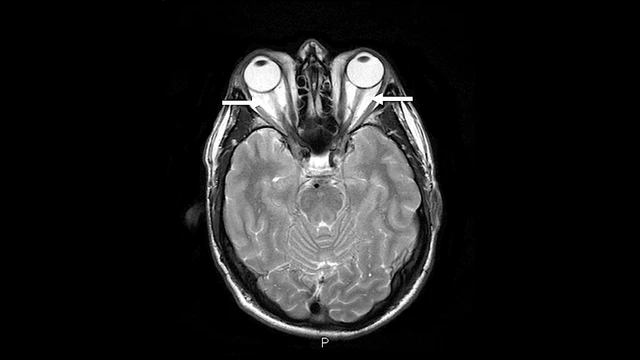
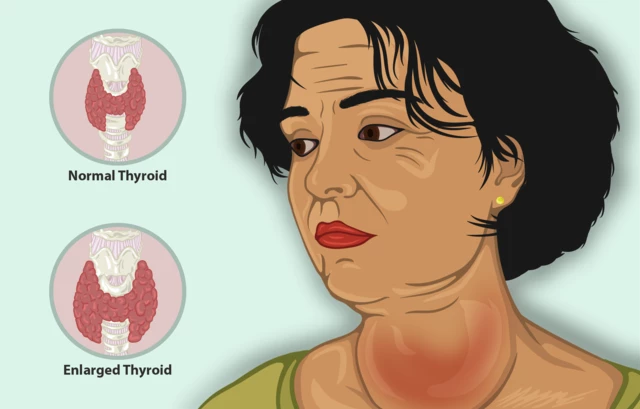
The thyroid gland controls metabolism, and the parathyroid glands behind it control calcium levels. Their disorders range from hypothyroidism, Hashimoto's disease, Graves' disease and thyroid nodules to thyroid cancer and hyperparathyroidism, including thyroid disease in pregnancy.
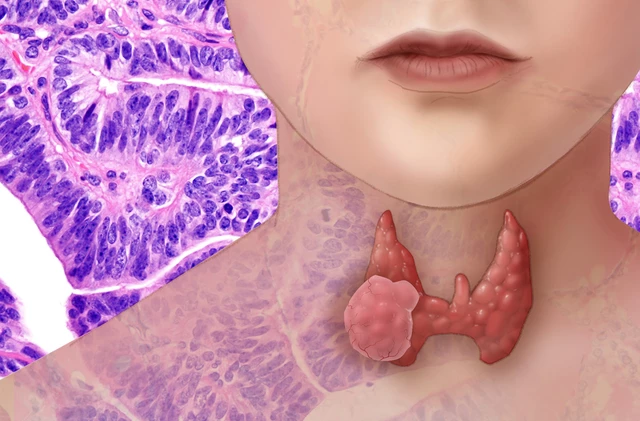 Thyroid Diseases
 Hyperthyroidism Thyroid Tests
 Hashimoto’s Disease
 Hypothyroidism in Pregnancy
 Hypothyroidism
 Hyperthyroidism in Pregnancy
 Graves' Eye Disease
 Goiter
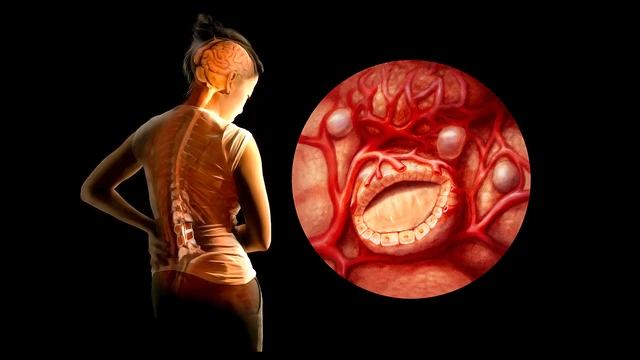 Postpartum Thyroiditis
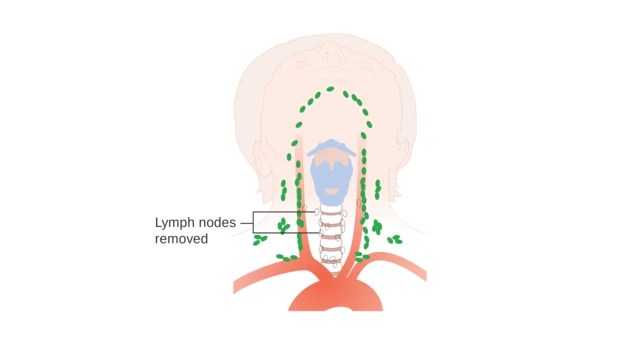 Medullary Thyroid Cancer
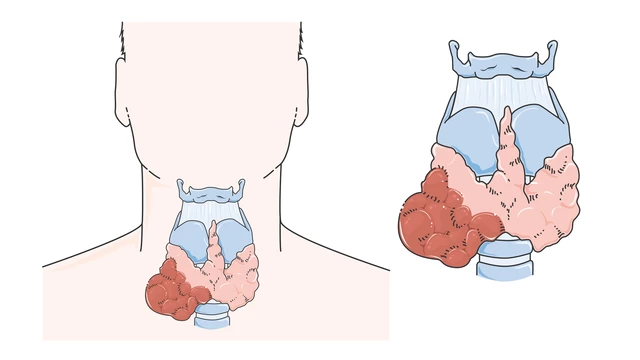 Thyroid Cancer Thyroid Cancer Screening
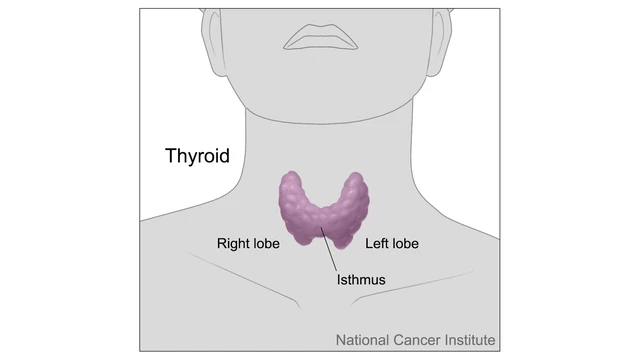 Childhood Thyroid Cancer
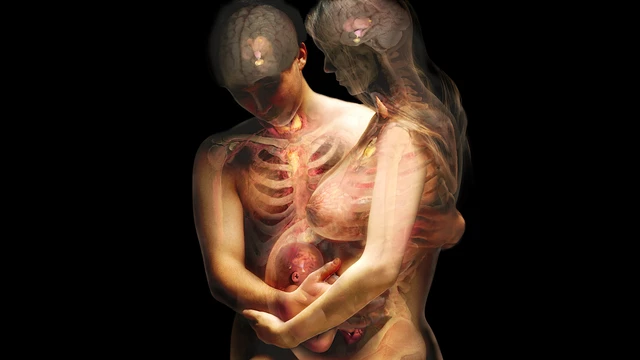 Pregnancy and Thyroid Disease
 Thyroid Nodules Anaplastic Thyroid Cancer Thyroid Disease in Women
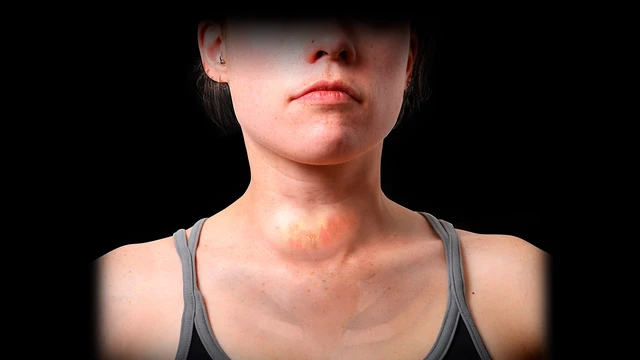 Graves' Disease
 Graves' Disease in Women
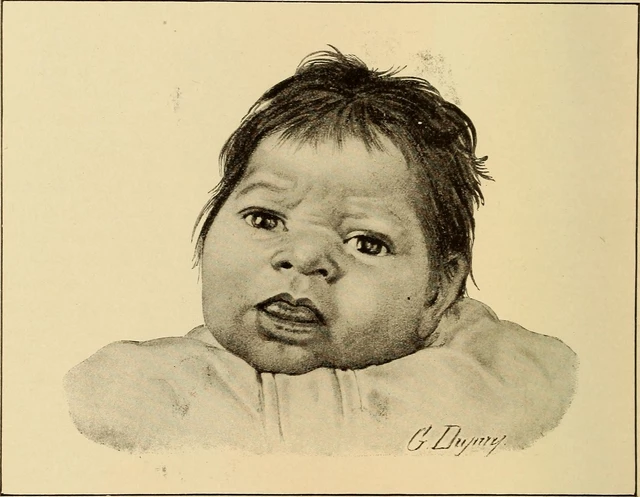 Congenital Hypothyroidism
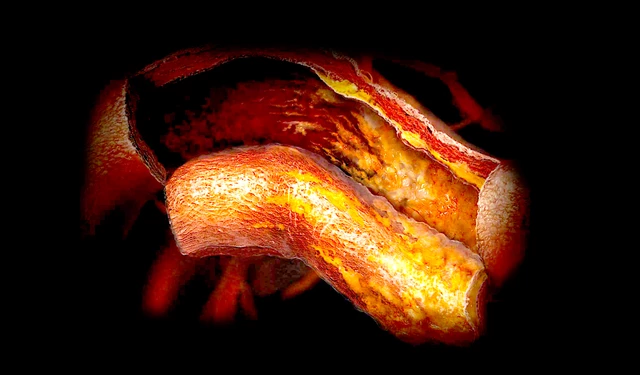 Hypolipoproteinemia
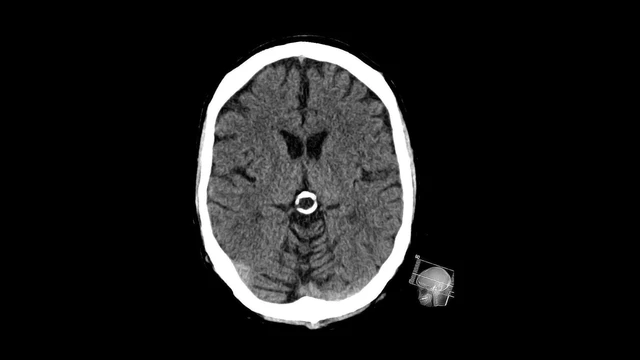
The pineal gland makes melatonin, which helps set the body's sleep-wake cycle, and the hypothalamus links the brain to the hormone system. Their disorders include pineal cysts and pineoblastoma, circadian rhythm disorders such as jet lag, and hypothalamic dysfunction and obesity.
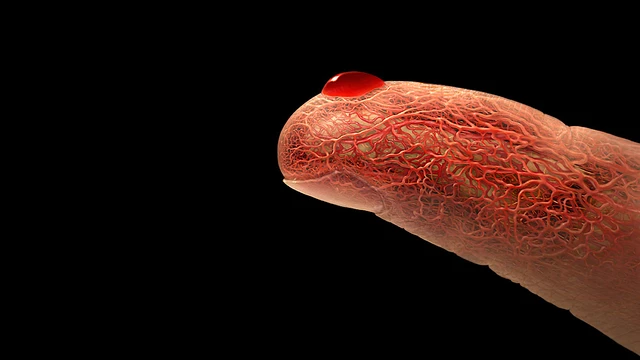
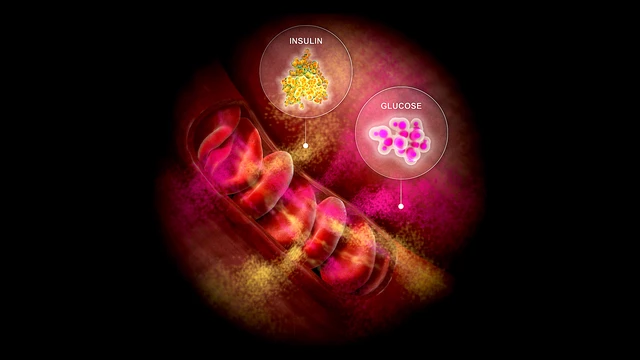
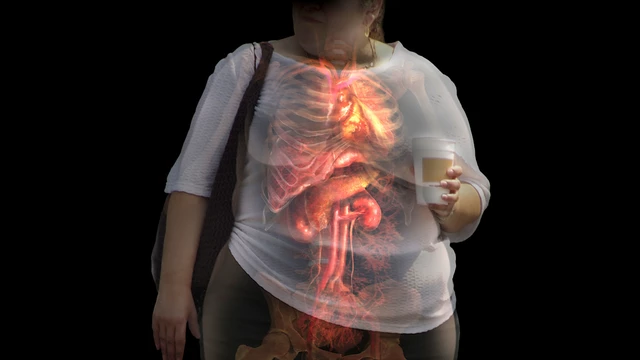
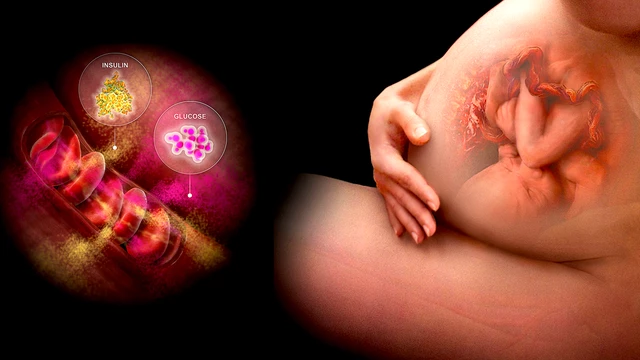
Diabetes is a condition in which blood sugar is too high, because the body makes too little insulin or can't use it well. It includes prediabetes and type 1, type 2 and gestational diabetes, along with insulin, glucose monitoring, diet, prevention and complications such as diabetic retinopathy.
 Diabetes Mellitus
 Prediabetes
 Type 2 Diabetes Type 1 Diabetes
 Gestational Diabetes
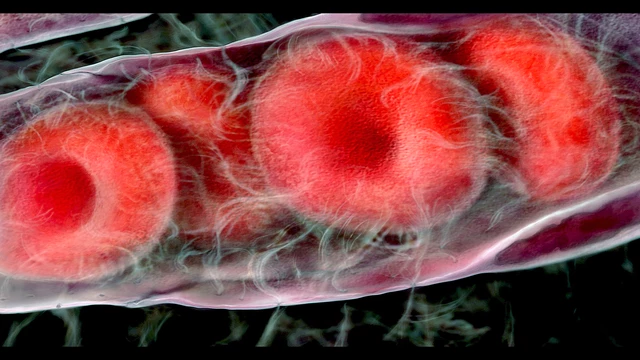
 Diabetes Insipidus Insulin Blood Glucose
 Type 1 Diabetes in Children
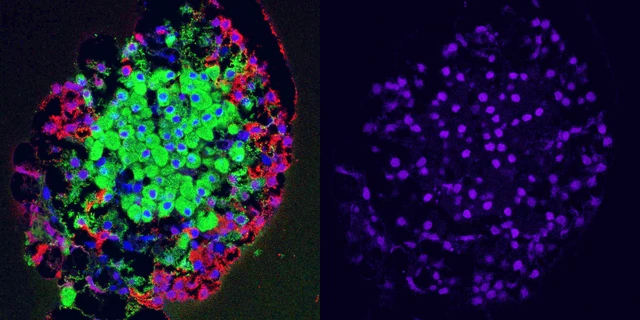 Islet Cell Transplantation
 Artificial Pancreas
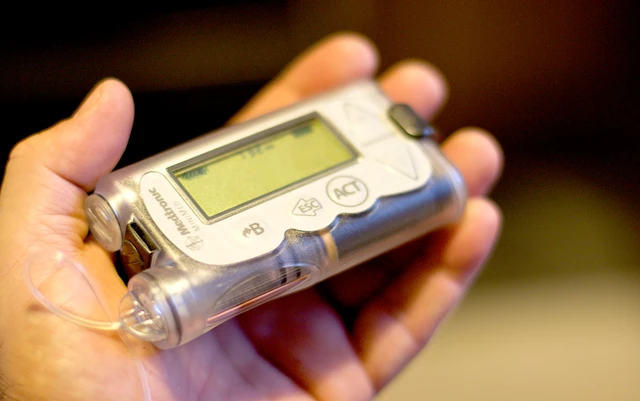 Infusion Pumps
 Continuous Glucose Monitoring
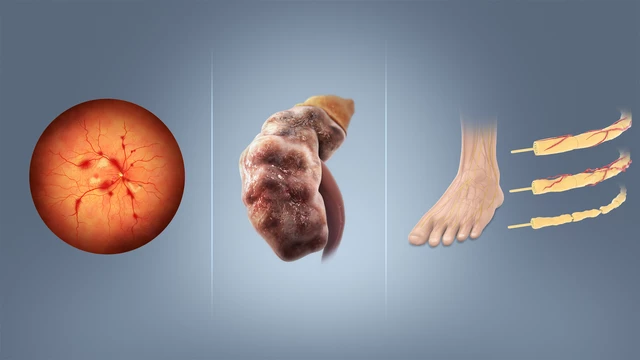 Diabetes Complications
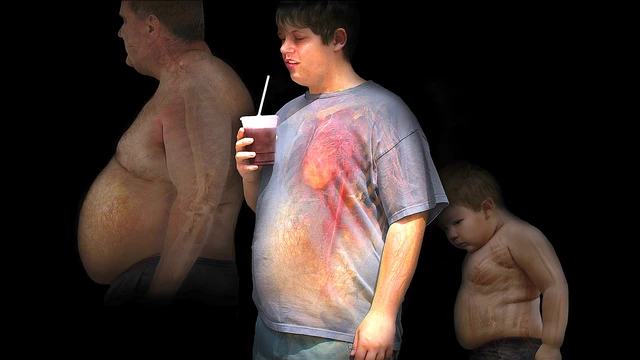 Diabetes in Children and Teens
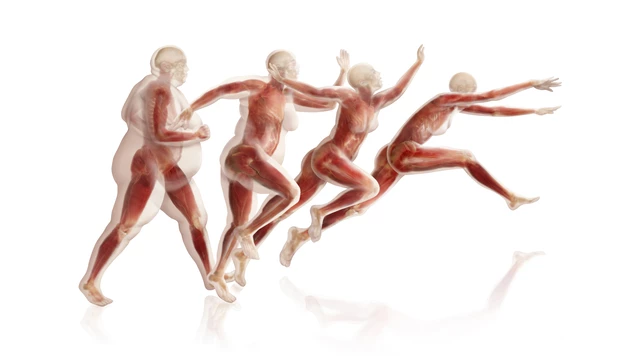 Diabetes Prevention
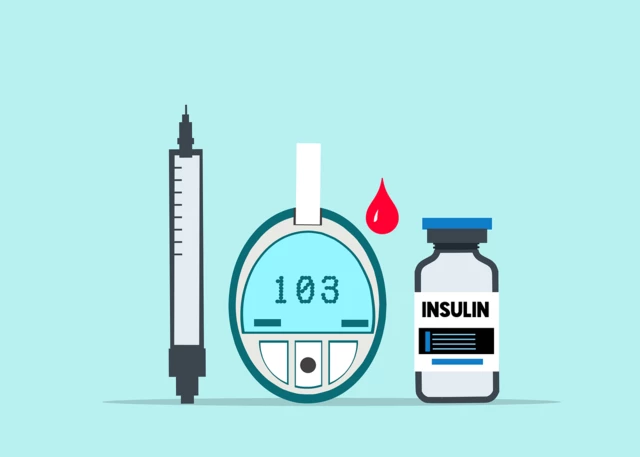 Adjusting to Life with Diabetes
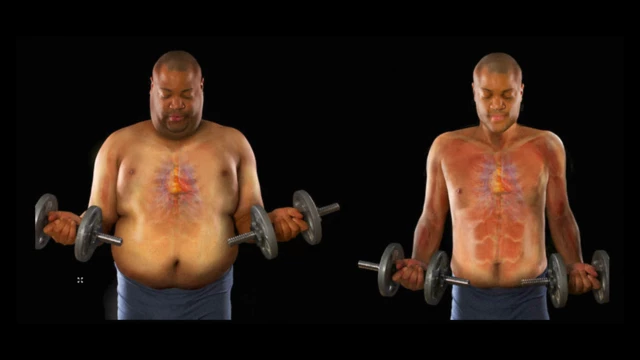 Type 2 Diabetes and African Americans
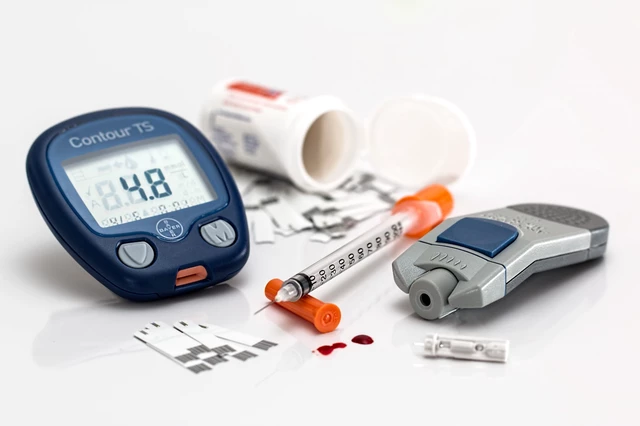 Diabetes Medicines
 Diabetic Diet
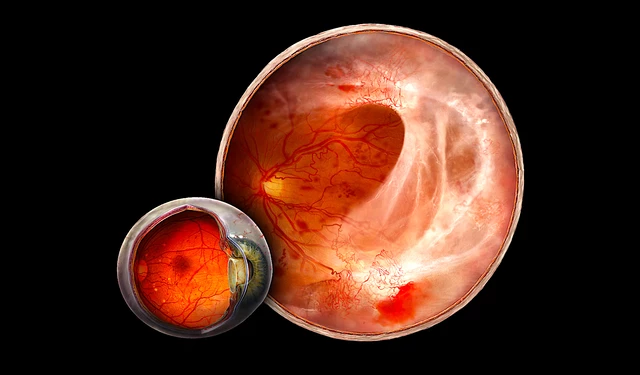 Diabetic Retinopathy
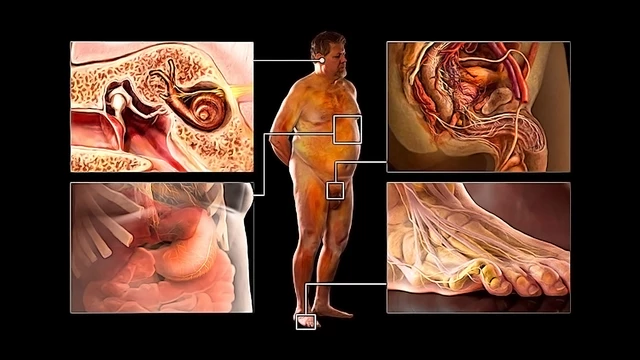 Diabetic Neuropathy
 Diabetic Ketoacidosis
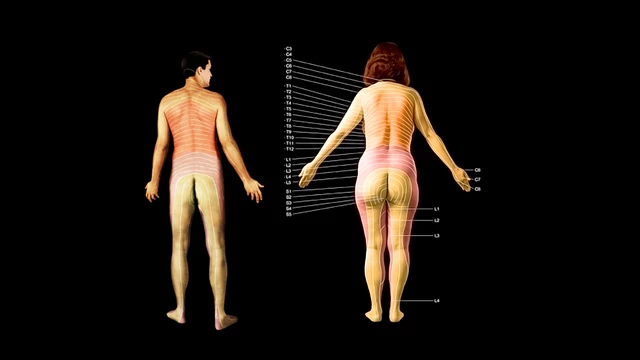 Diabetic Peripheral Neuropathy
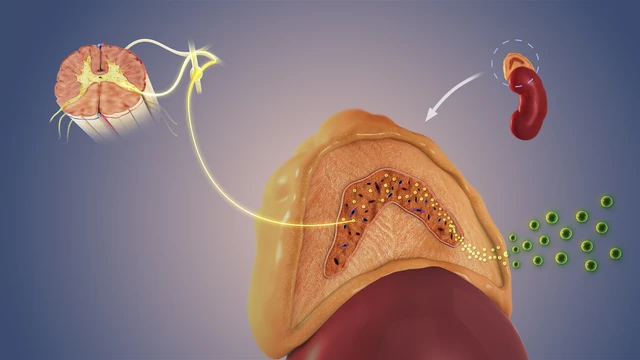 Diabetic Autonomic Neuropathy
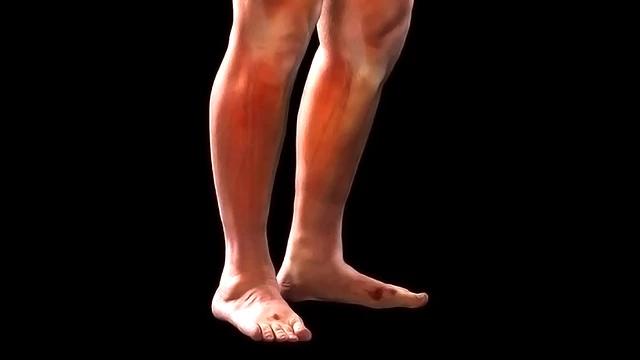 Diabetes and Foot Problems
 Diabetes, Heart Disease, and Stroke
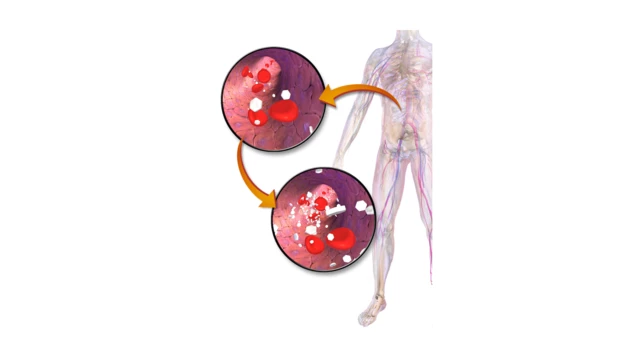 Hyperglycemia
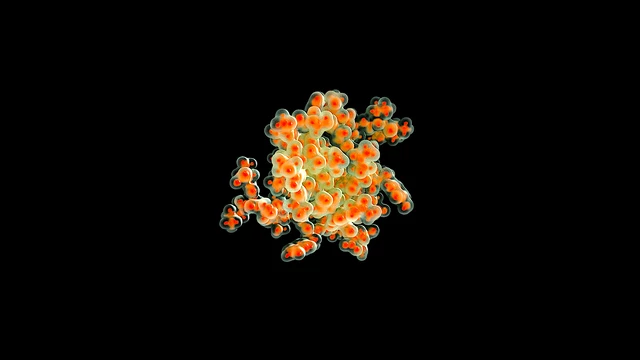 Insulin Resistance
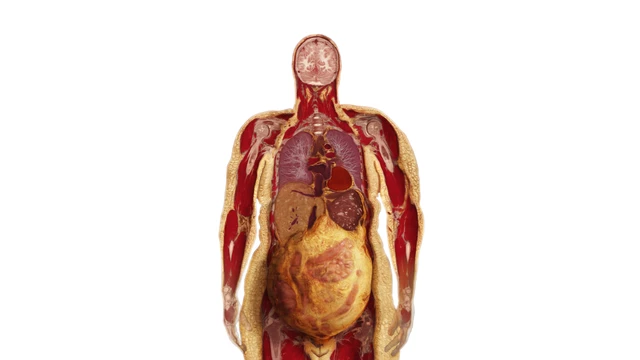 Metabolic Syndrome
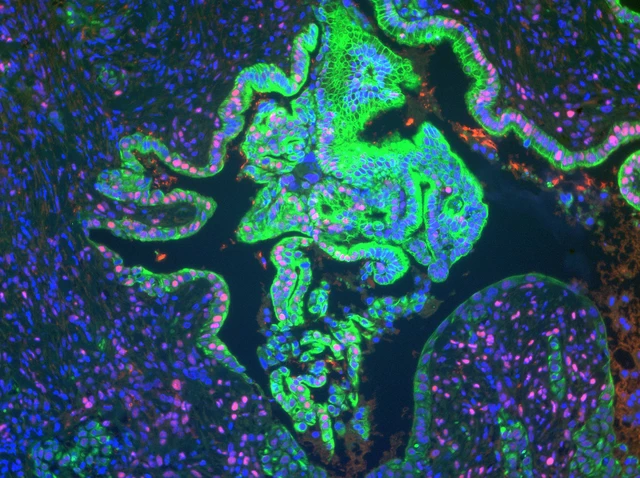
Endocrine cancers start in the glands that make hormones or in hormone-making cells elsewhere, as neuroendocrine tumors do. They include thyroid, pancreatic, adrenal, ovarian and testicular cancer and pituitary tumors, along with inherited syndromes such as multiple endocrine neoplasia.
 Pancreatic Cancer
 Childhood Pancreatic Cancer Pancreatic Neuroendocrine Tumors
 Zollinger-Ellison Syndrome Adrenal Gland Cancer Adrenal Adenoma Hereditary Paraganglioma-Pheochromocytoma Childhood Pheochromocytoma and Paraganglioma Multiple Endocrine Neoplasia
 Cancer-Related Hot Flashes and Night Sweats Childhood Multiple Endocrine Neoplasia (MEN) Syndromes Multiple Endocrine Neoplasia Type 1 Multiple Endocrine Neoplasia Type 2A Extragonadal Germ Cell Tumors
 Hormone Therapy to Treat Cancer
 Testicular Cancer Screening Brenner Tumor of Ovary Sertoli-Leydig Cell Tumors Granulosa Cell Tumor of the Ovary Ovarian, Fallopian Tube and Primary Peritoneal Cancer Ovarian Carcinosarcoma Ovarian, Fallopian Tube and Primary Peritoneal Cancer Screening Ovarian Cancer Ovarian Borderline Tumors Treatment Ovarian, Fallopian Tube, and Primary Peritoneal Cancer Prevention Ovarian Germ Cell Tumors
 Testicular Cancer
 Childhood Testicular Cancer
 Pituitary Tumors
 Prolactinoma
 Oral Contraceptives and Cancer Risk Medullary Thyroid Cancer Thyroid Cancer Thyroid Cancer Screening Childhood Thyroid Cancer Childhood Gastrointestinal Neuroendocrine Tumors Multiple Endocrine Neoplasia Type 2B Anaplastic Thyroid Cancer
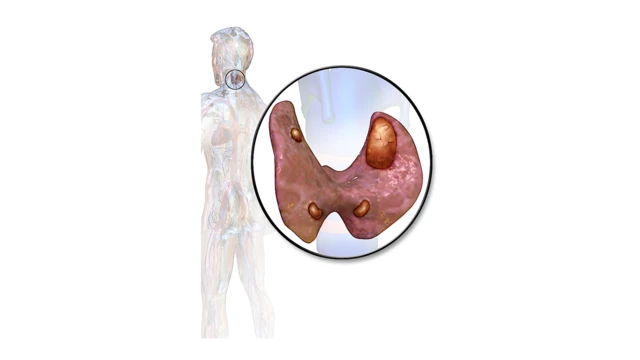 Parathyroid Cancer
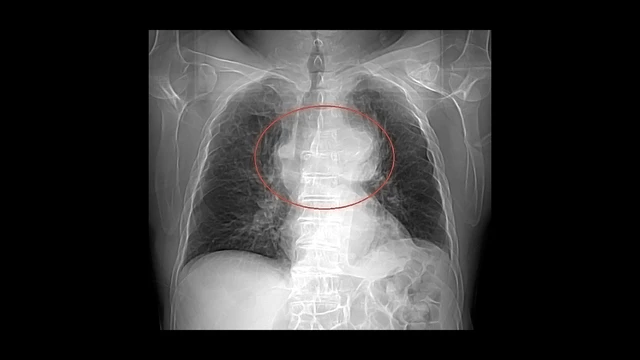 Thymus Cancer
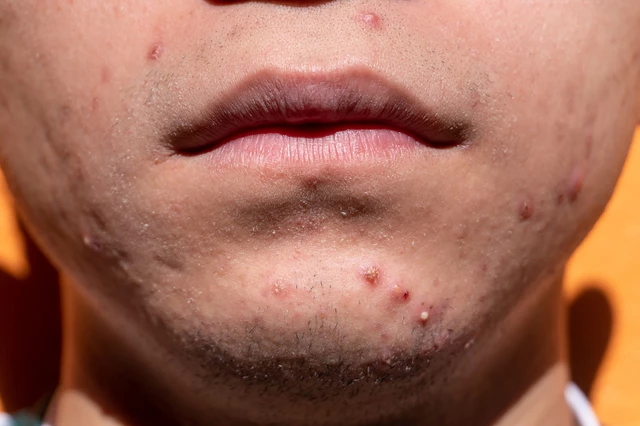
Puberty is when a child's body matures into an adult's, as hormones bring growth spurts and sexual development. It can come too early, as in precocious puberty, or too late, as in delayed puberty, and conditions such as androgen insensitivity syndrome change how it unfolds.
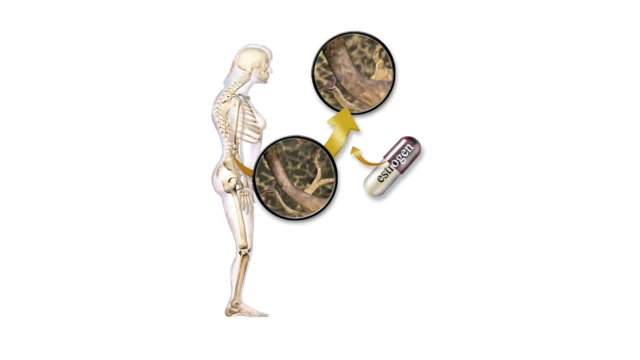
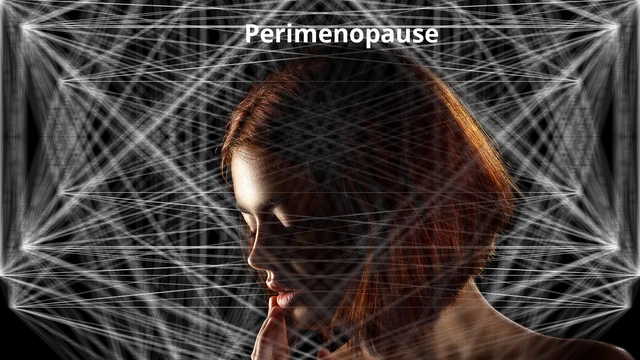
A woman is considered to be in menopause when she has not had a period for 12 consecutive months; this natural and vital process, usually occurring between the ages of 45 and 55, signifies the end of estrogen and progesterone production by the ovaries, and is the end of a women's reproductive years. Learn more about the changes that happen during menopause.
Hormones are chemical messengers that control growth, metabolism, reproduction and pregnancy. Too little or too much causes disorders such as growth hormone deficiency, hypothyroidism and Addison disease, and hormones are also used as medicine, from birth control pills to hormone therapy for breast and prostate cancer.
 Growth Hormone Deficiency
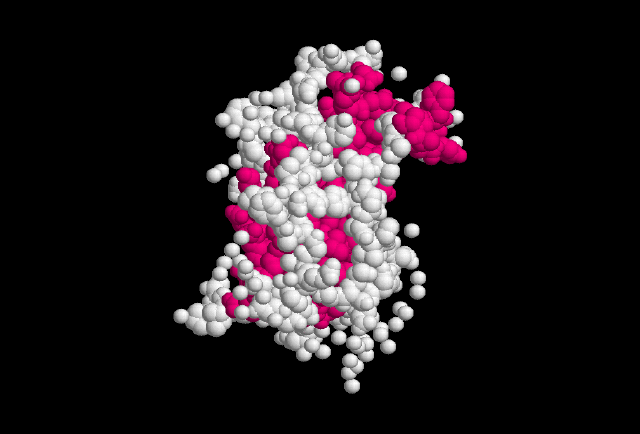 Isolated Growth Hormone Deficiency Combined Pituitary Hormone Deficiency
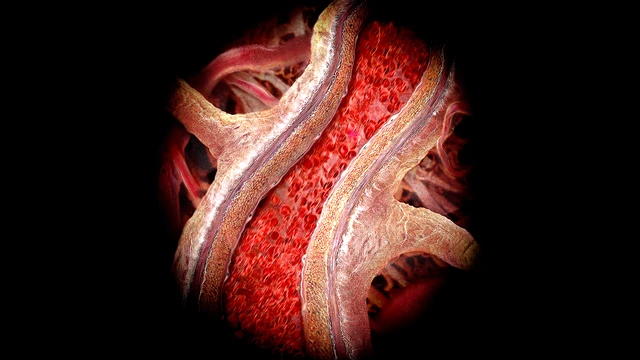 Syndrome of Inappropriate Antidiuretic Hormone Secretion
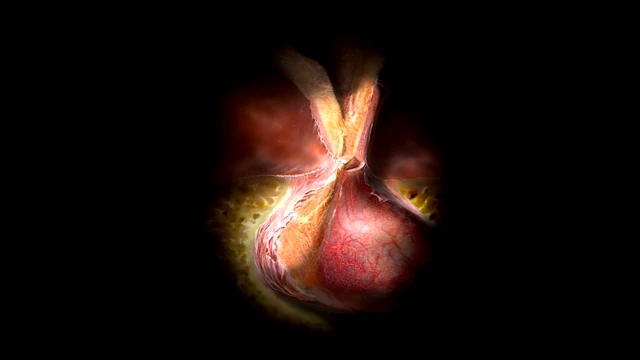 Laron Syndrome Hyperthyroidism Addison Disease
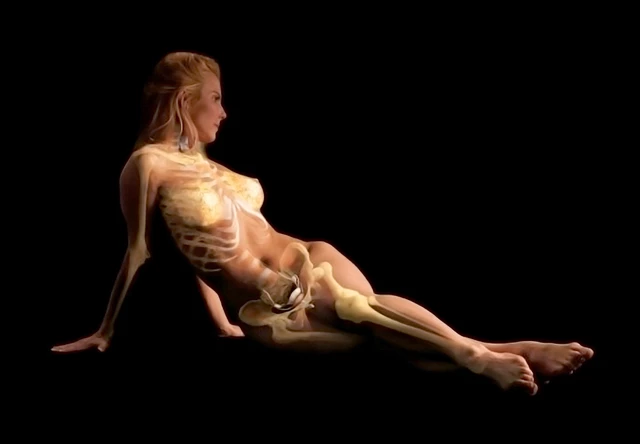 Androgen Deficiency in Women Hypothyroidism
 Acromegaly
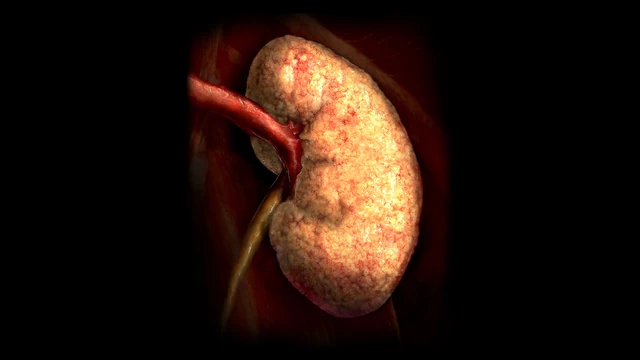 Mineral and Bone Disorder in Chronic Kidney Disease
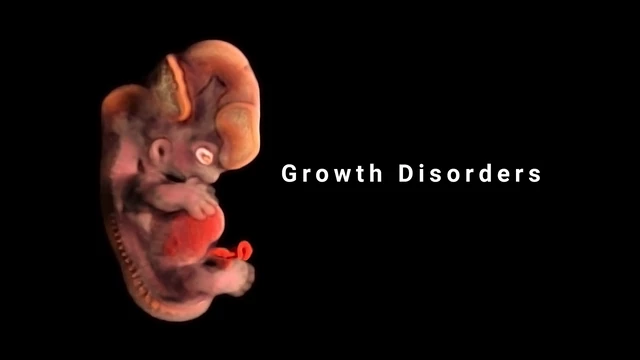 Growth Disorders
 Cushing Disease Hypothalamic Dysfunction Autoimmune Polyglandular Syndrome Type 2 Hypoaldosteronism
 Autoimmune Progesterone Dermatitis
 Swyer Syndrome
 Dwarfism
Sexual health is part of overall health and is shaped by hormones such as testosterone from puberty to later life. Common problems include low libido, low testosterone, premature ejaculation and sexual problems after cancer, and differences of sex development such as Turner syndrome.
Sexual Health: The Marvel of Sexual Development  Sexual Health: How Sex Works
 Libido Reproductive Hormones
 Teen Sexual Health
 Differences of Sex Development
 Sexuality in Later Life
 Sexual Health
 Sexual Health Issues in Women With Cancer
 Sexual Health Issues in Men with Cancer
 Premature Ejaculation
 Teen Sexuality (For Girls)
 Sexual Problems in Women
 Sexual Problems in Men
 Low Testosterone
 Turner Syndrome
No HealthJournal in this journey matches. Try another word, or all collections.
HealthJournals are visually immersive guides to a wide range of health and wellness topics, from diseases and conditions to treatments, procedures, anatomy, nutrition and more. Each is a carefully curated selection of videos, images, interactives and authoritative information that makes its topic easier to understand.
Bring your records into StoryMD, and follow Endocrine system with a companion that knows your history.