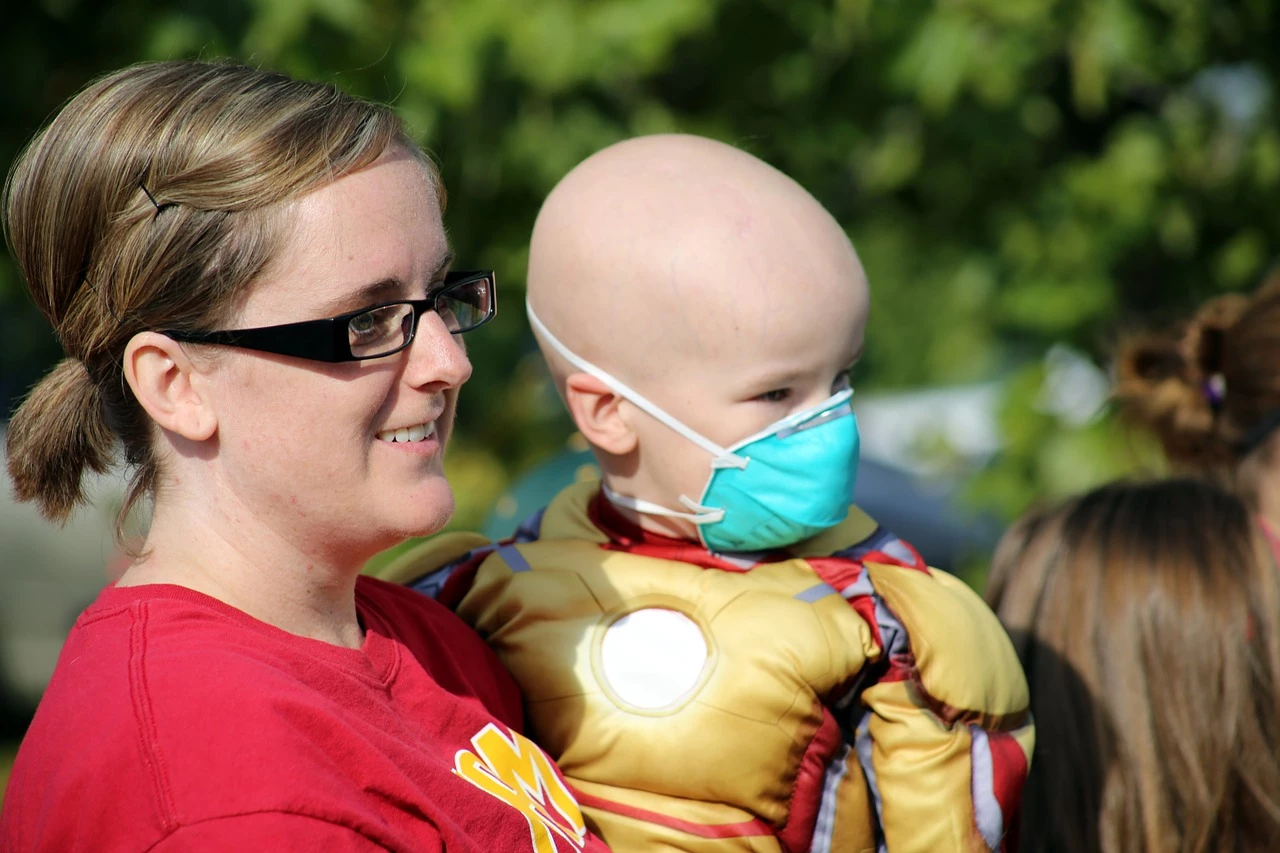
Featured HealthJournal
Childhood Cancers
A cancer diagnosis is upsetting at any age, but especially so when the patient is a child. It's natural to have many questions, such as, Who should treat my child? Will my child get well?
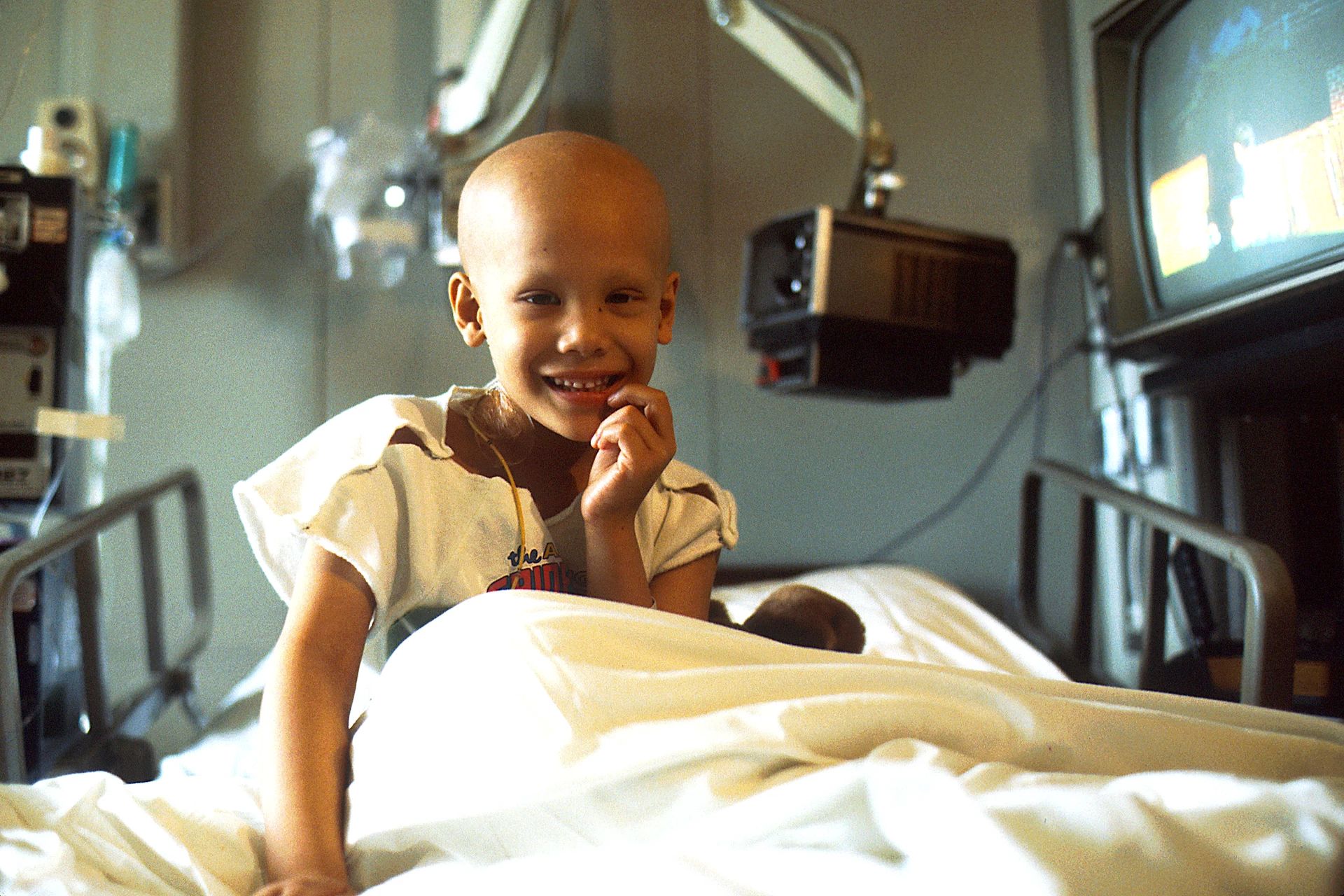
The cancers that affect children and teens, how they're found and treated, what raises the risk, and how families cope.
120 HealthJournals
A cancer diagnosis is upsetting at any age, but especially so when the patient is a child. It's natural to have many questions, such as, Who should treat my child? Will my child get well?
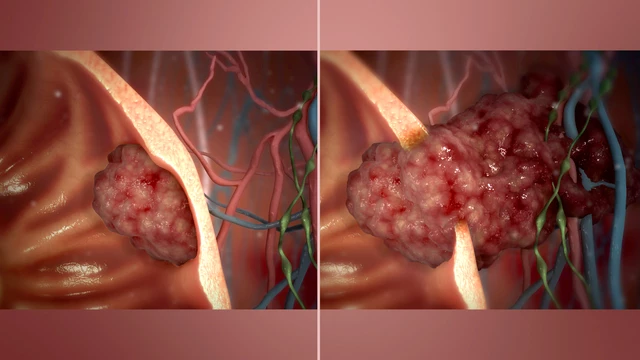
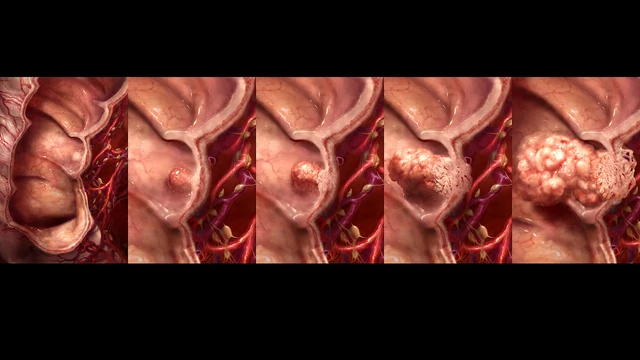
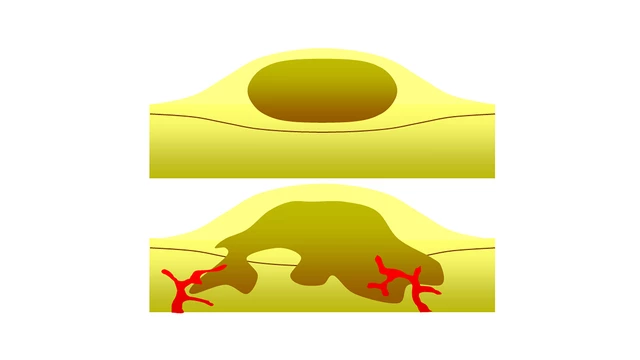
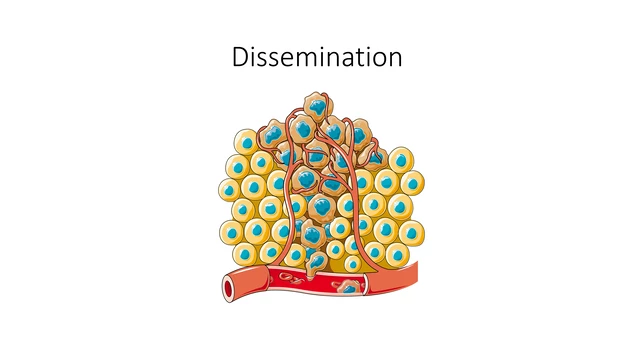
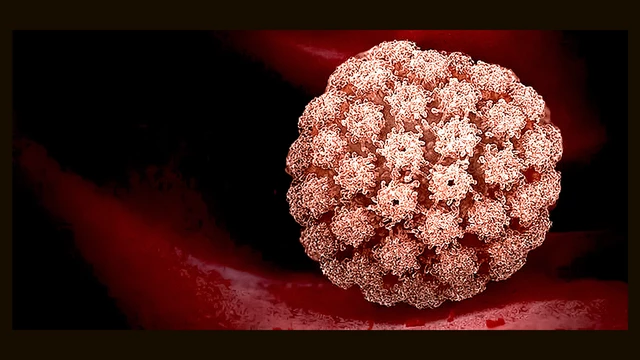
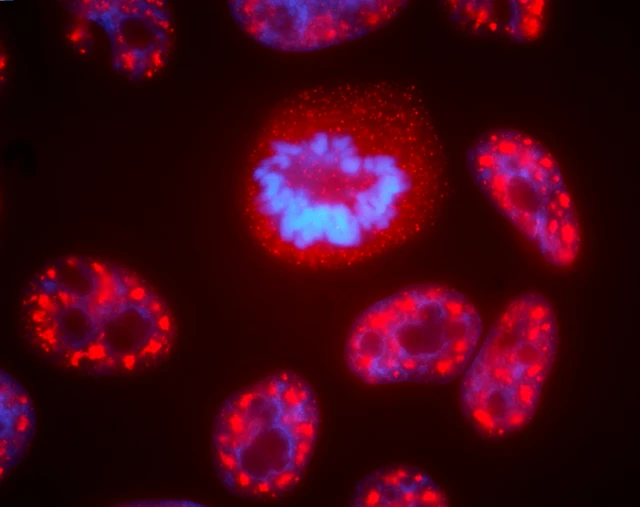
Cancer is the uncontrolled growth of abnormal cells. These cells can form tumors that are benign or malignant. Malignant tumors can invade nearby tissues and spread to other parts of the body. Learn more about how cancer develops, how cancer cells differ from normal cells, and genetic changes that cause cancer to grow and spread.
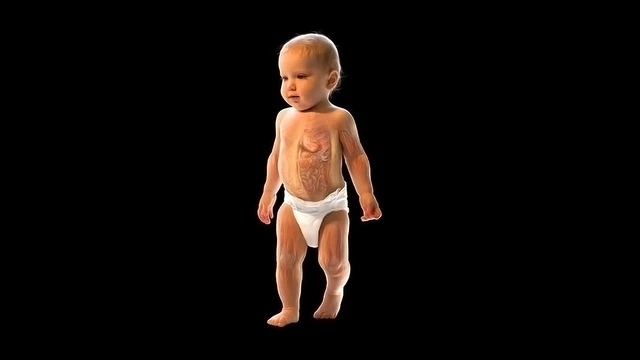
Childhood cancers differ from adult cancers in the types that occur and how they are treated. The most common are leukemia, such as acute lymphoblastic leukemia, and brain and spinal cord tumors; others range from lymphoma and Wilms tumor to retinoblastoma, rhabdomyosarcoma and rare tumors.
 Childhood Cancers
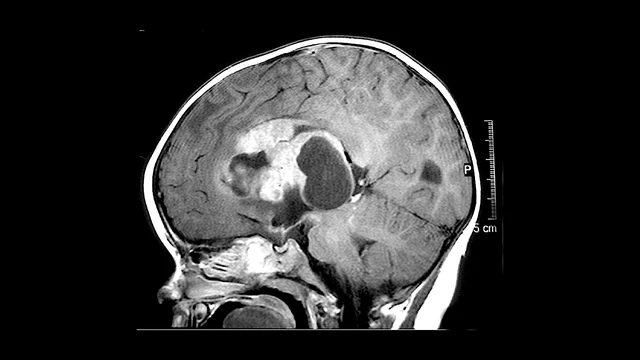 Atypical Teratoid/Rhabdoid Tumor
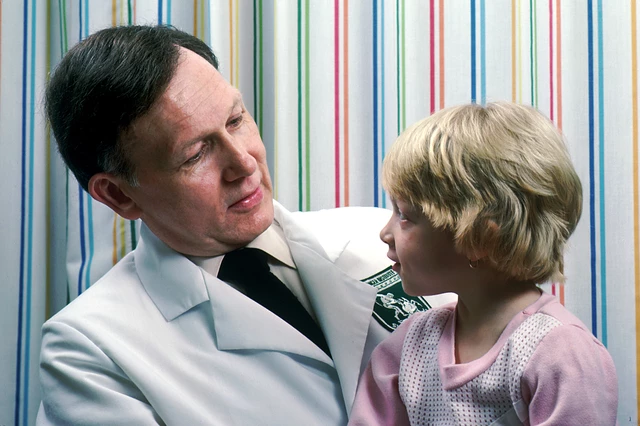 Childhood Cardiac (Heart) Tumors
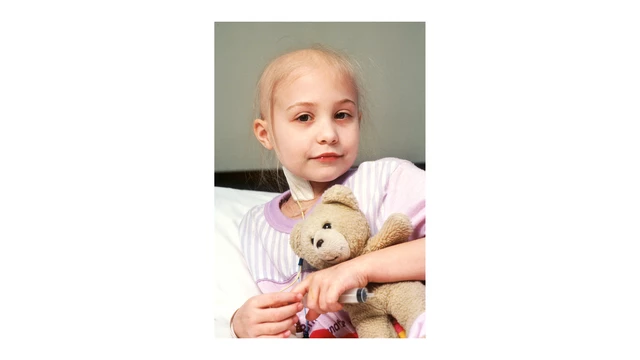 Childhood Acute Lymphoblastic Leukemia
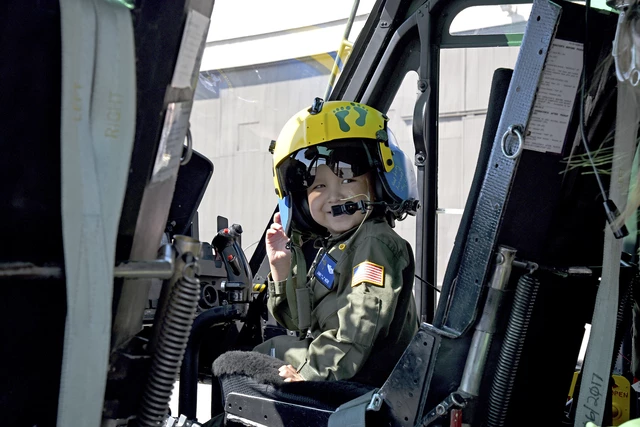 Childhood Acute Myeloid Leukemia
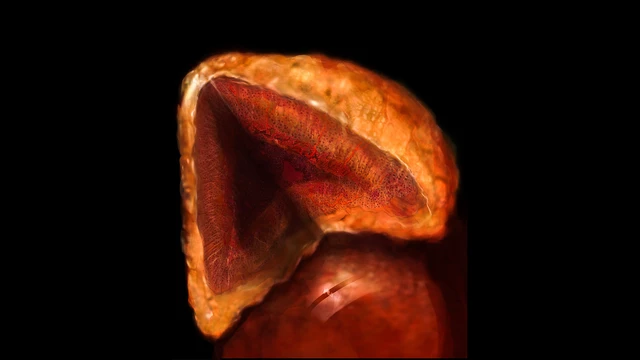 Childhood Adrenocortical Carcinoma
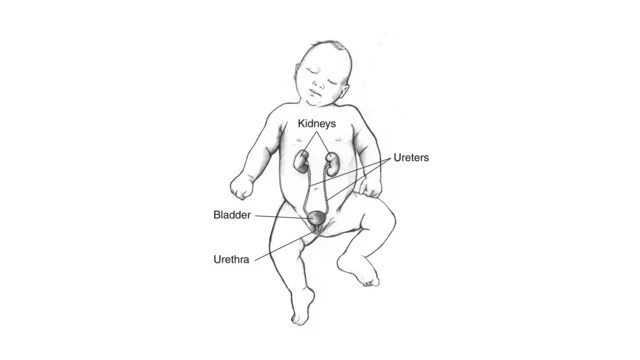 Childhood Bladder Cancer
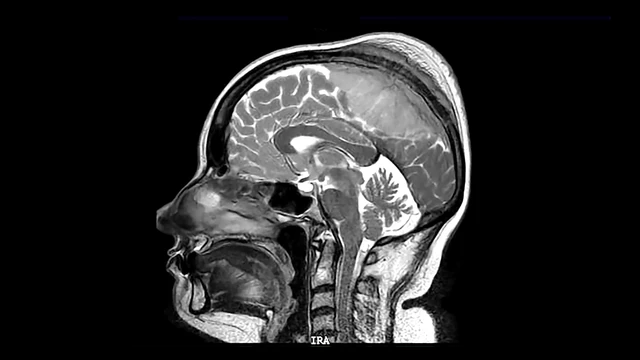 Childhood Brain and Spinal Cord Tumors
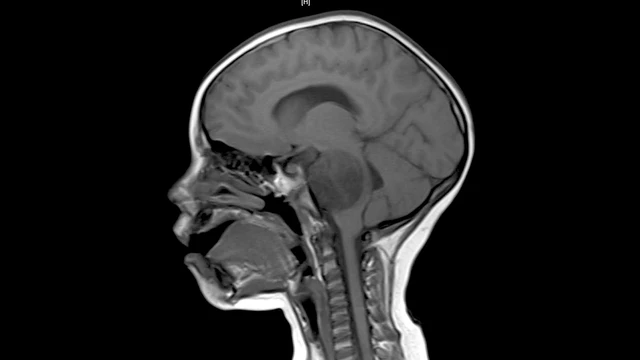 Childhood Brain Tumors
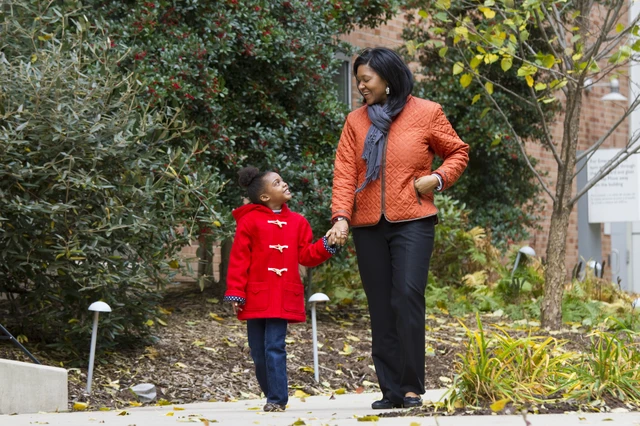 Childhood Breast Cancer
 Childhood Carcinoma of Unknown Primary
 Childhood Cervical and Vaginal Cancer
 Childhood Chordoma
 Childhood Colorectal Cancer
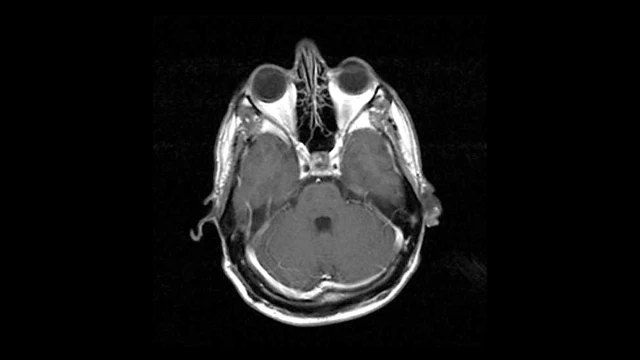 Childhood Craniopharyngioma
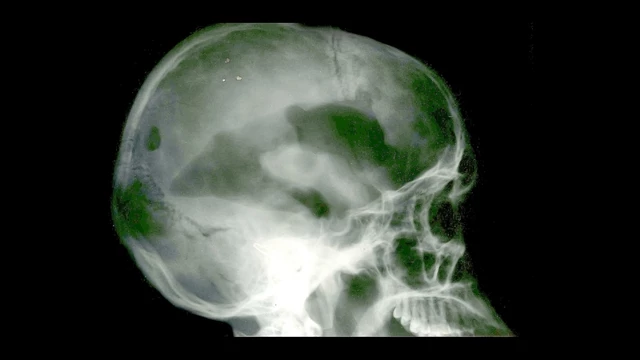 Childhood Ependymoma
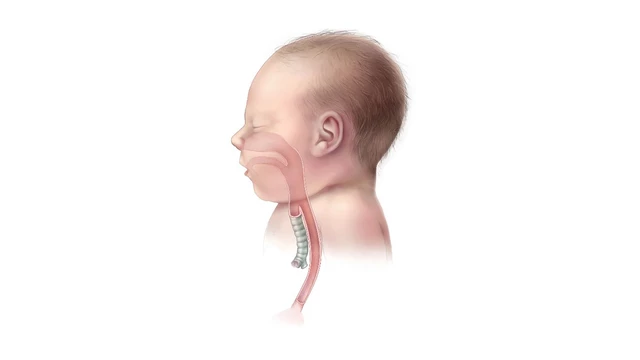 Childhood Esophageal Cancer
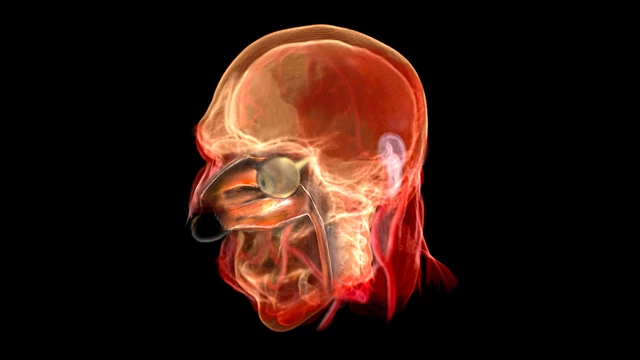 Childhood Esthesioneuroblastoma
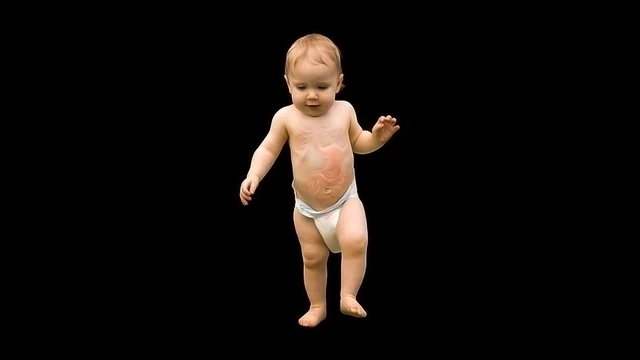 Childhood Gastrointestinal Neuroendocrine Tumors
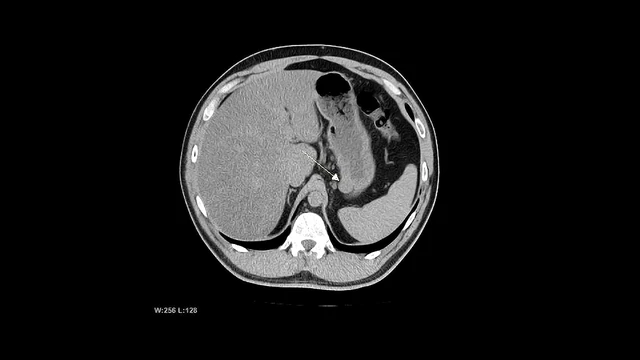 Childhood Gastrointestinal Stromal Tumors
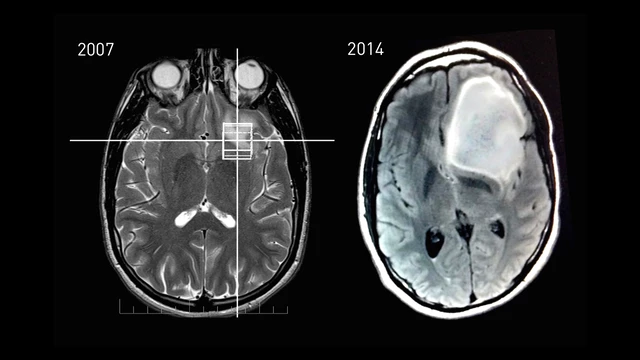 Childhood Glioma
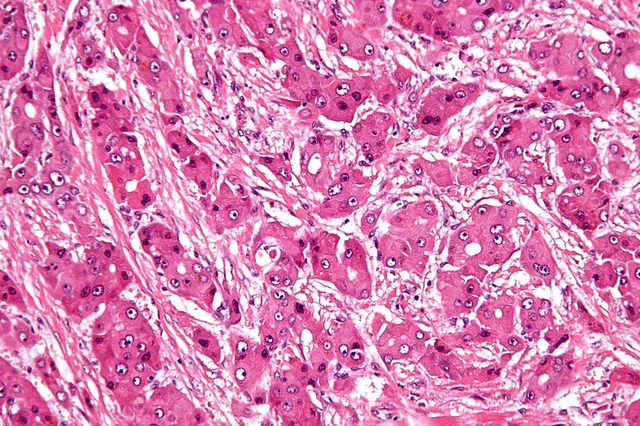 Childhood Hepatocellular Carcinoma
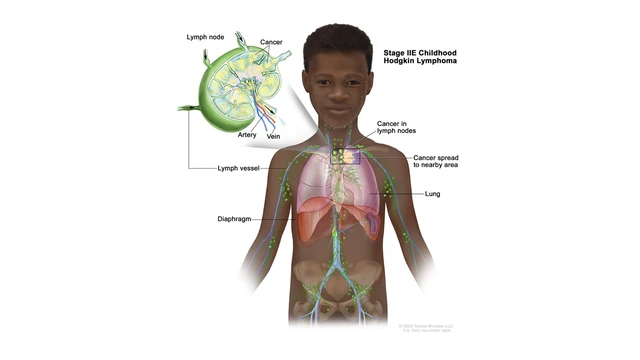 Childhood Hodgkin Lymphoma
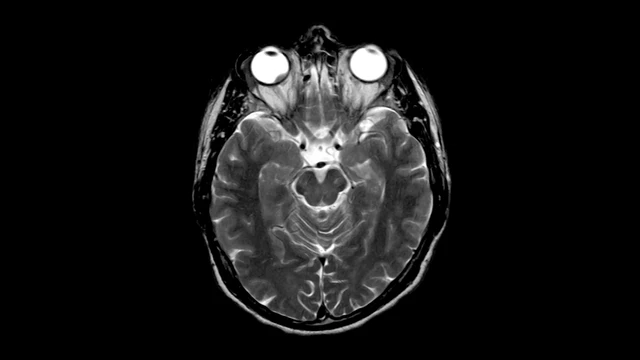 Childhood Intraocular (Uveal) Melanoma
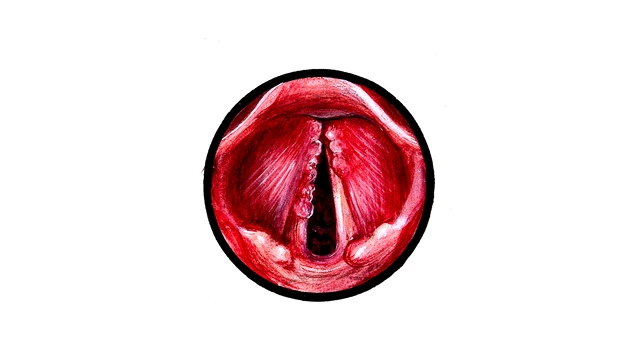 Childhood Laryngeal Tumors
 Childhood Leukemia
 Childhood Medulloblastoma and Other Central Nervous System Embryonal Tumors
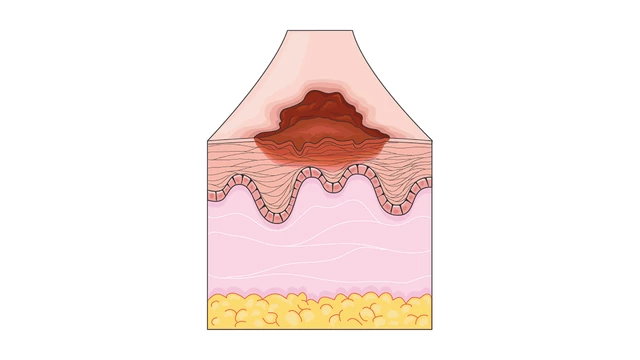 Childhood Melanoma
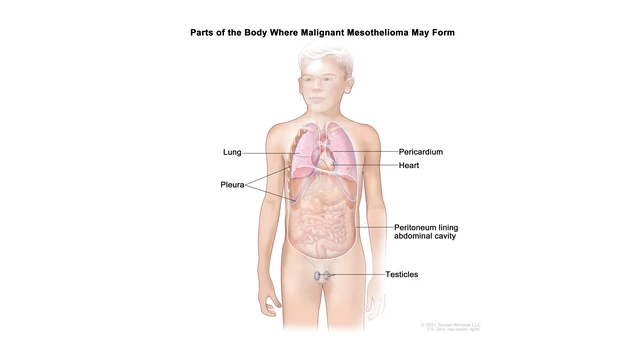 Childhood Mesothelioma
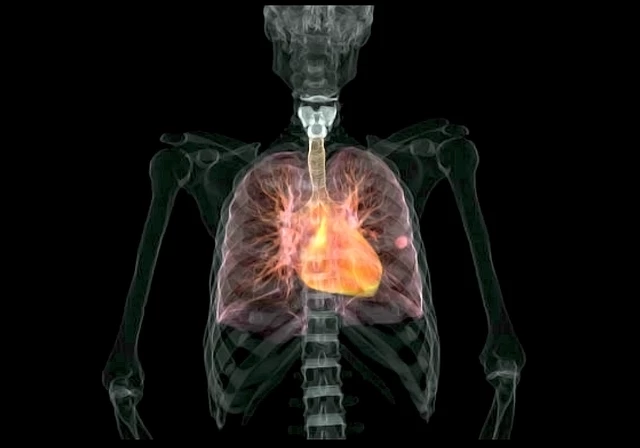 Childhood Midline Tract Carcinoma
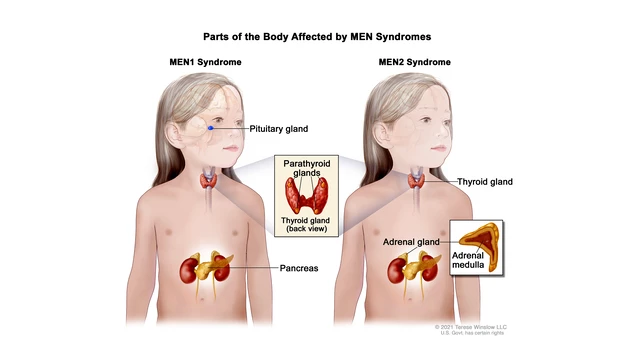 Childhood Multiple Endocrine Neoplasia (MEN) Syndromes
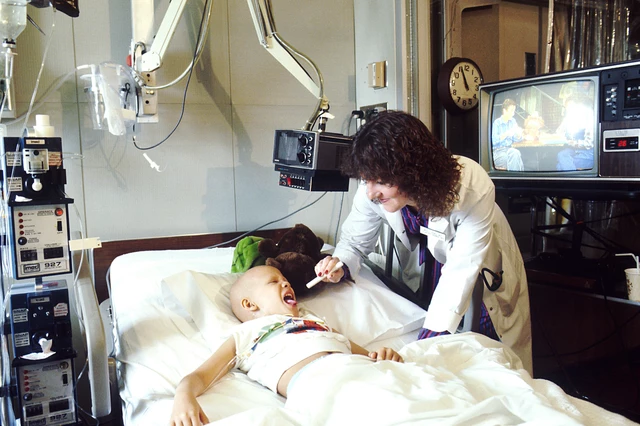 Childhood Nasopharyngeal Cancer
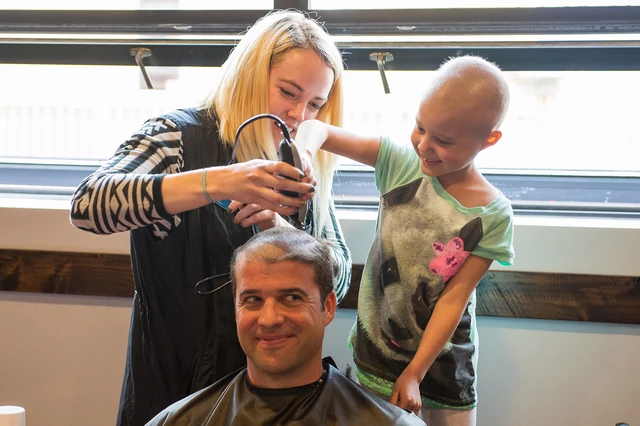 Childhood Non-Hodgkin Lymphoma
 Childhood Nonmelanoma Skin Cancer
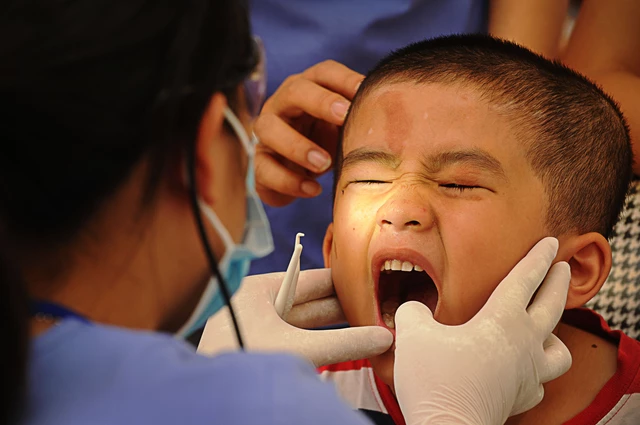 Childhood Oral Cavity Cancer
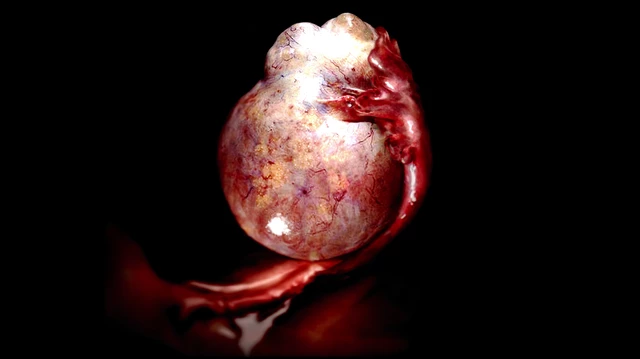 Childhood Ovarian Cancer
 Childhood Pancreatic Cancer
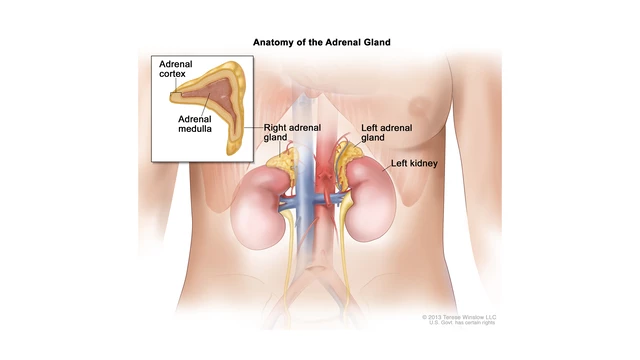 Childhood Pheochromocytoma and Paraganglioma
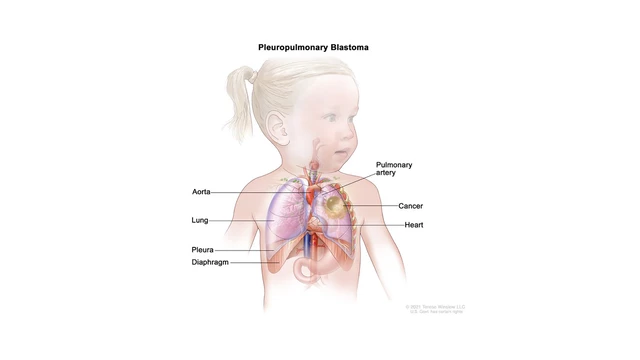 Pleuropulmonary Blastoma
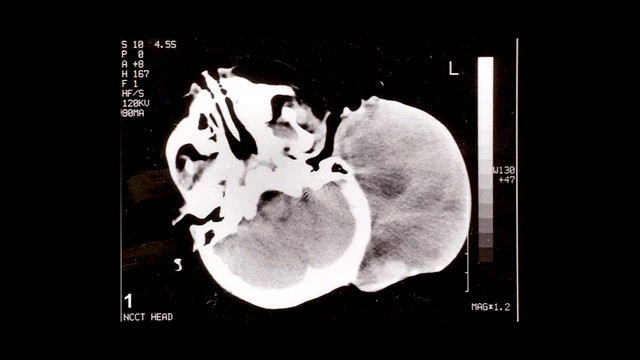 Rhabdomyosarcoma
 Childhood Salivary Gland Tumors
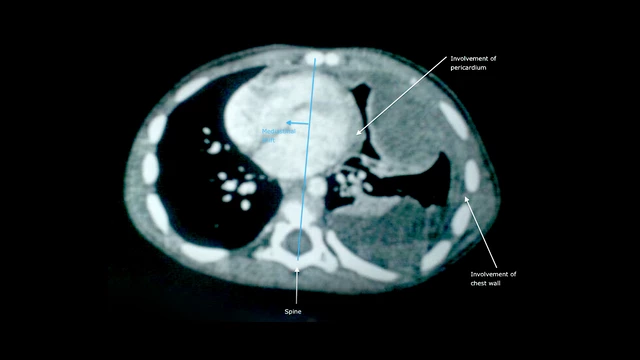 Childhood Soft Tissue Sarcoma
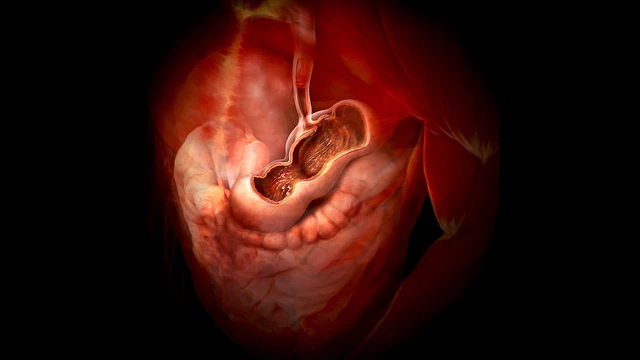 Childhood Stomach Cancer
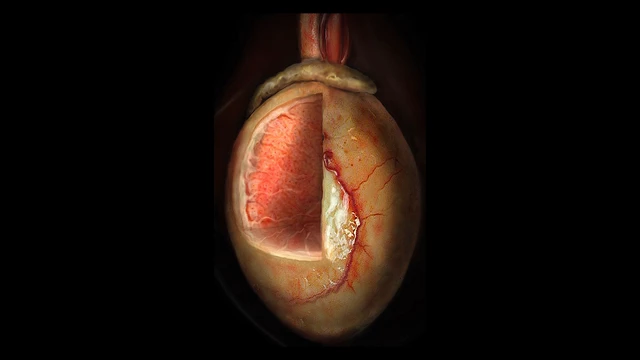 Childhood Testicular Cancer
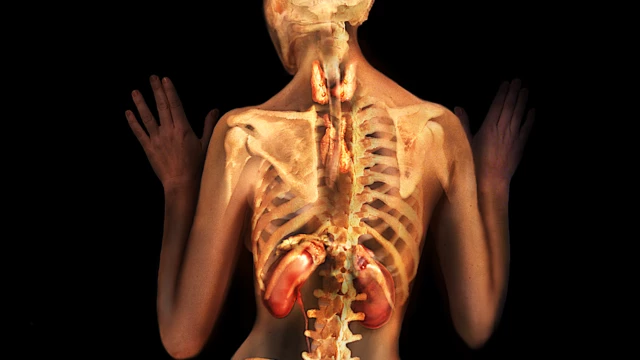 Childhood Thymoma and Thymic Carcinoma
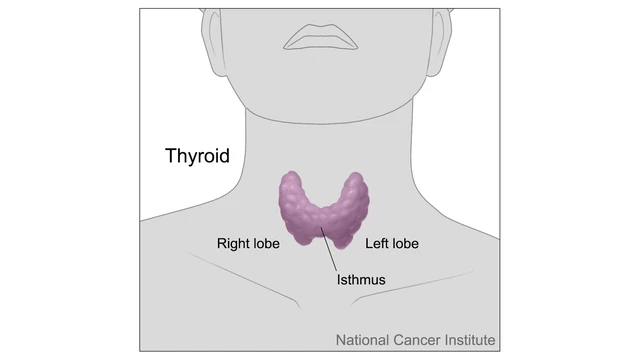 Childhood Thyroid Cancer
 Childhood Tracheobronchial Tumors
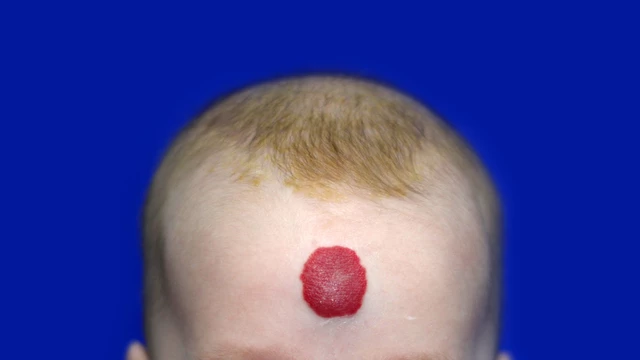 Childhood Vascular Tumors
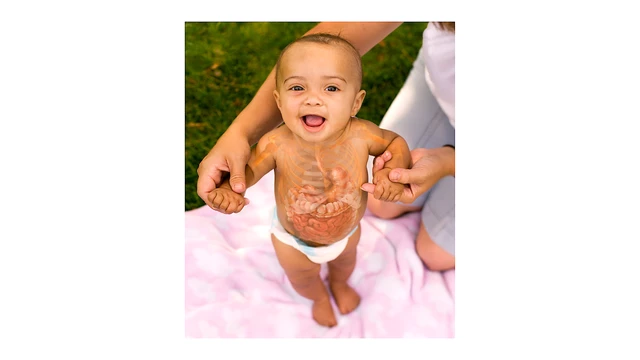 Liver Cancer in Children
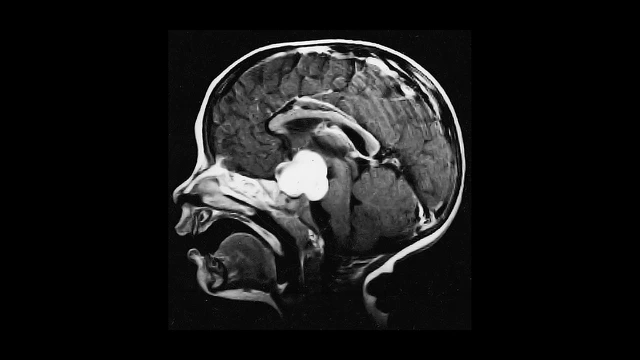 Pilocytic Astrocytoma
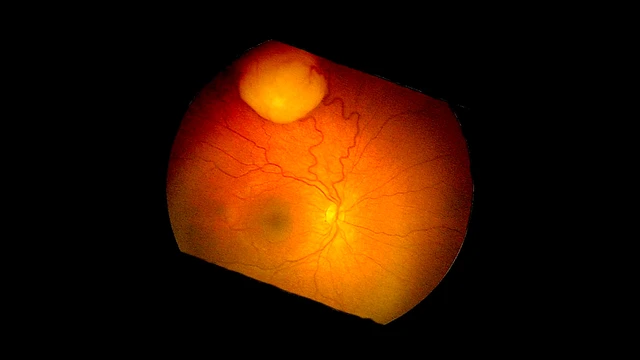 Retinoblastoma
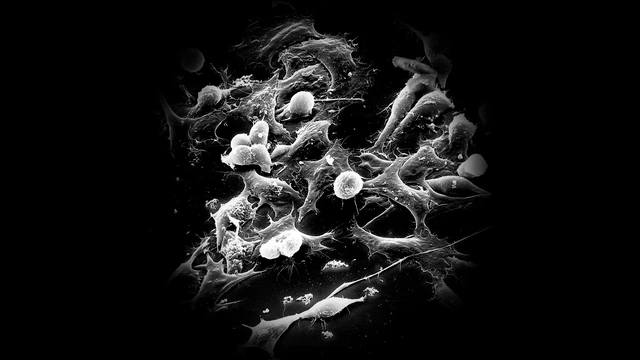 Wilms Tumor
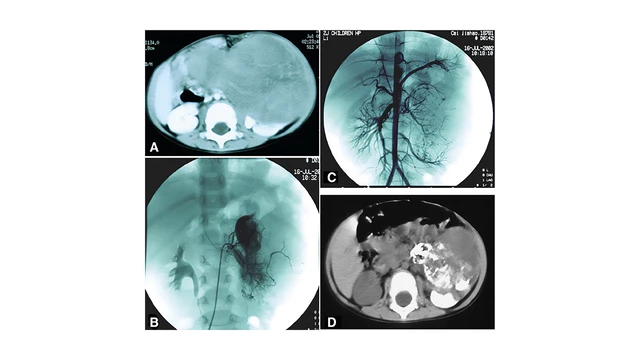 Wilms Tumor and Other Childhood Kidney Tumors Treatment (Health Professional Version)
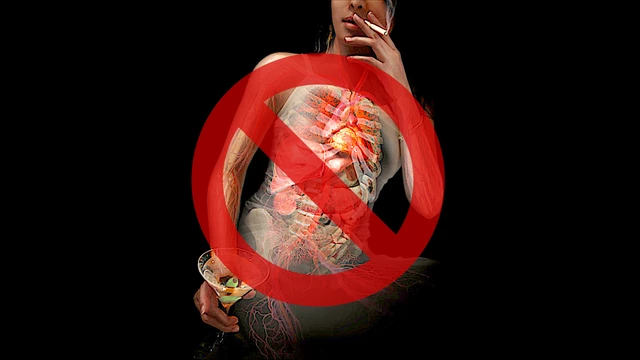
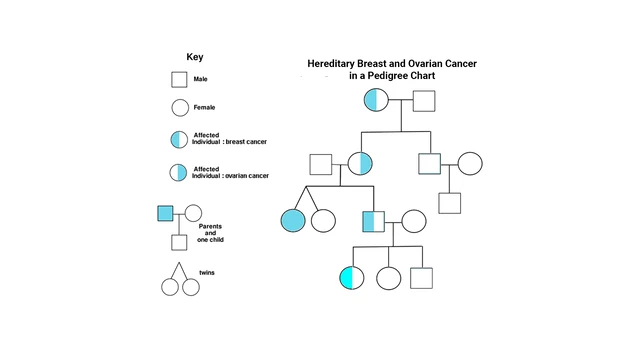
Anything that increases your chance of developing cancer is called a cancer risk factor. Some risk factors for cancer can be avoided, but many cannot. For example, both smoking and inheriting certain genes are risk factors for some types of cancer, but only smoking can be avoided. Learn about factors that may influence the risk of cancer.
Cancer prevention is action taken to lower the risk of getting cancer. This can include maintaining a healthy lifestyle, avoiding exposure to known cancer-causing substances, and taking medicines or vaccines that can prevent cancer from developing. Find out about cancer prevention.
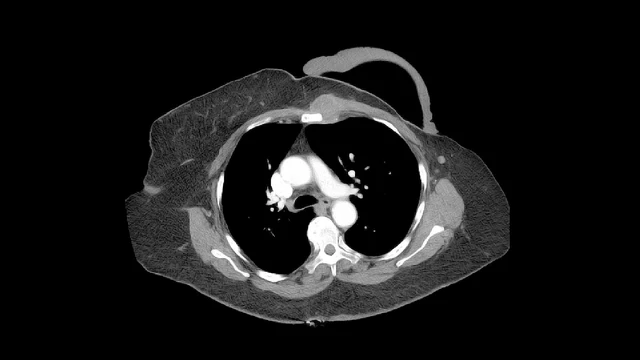
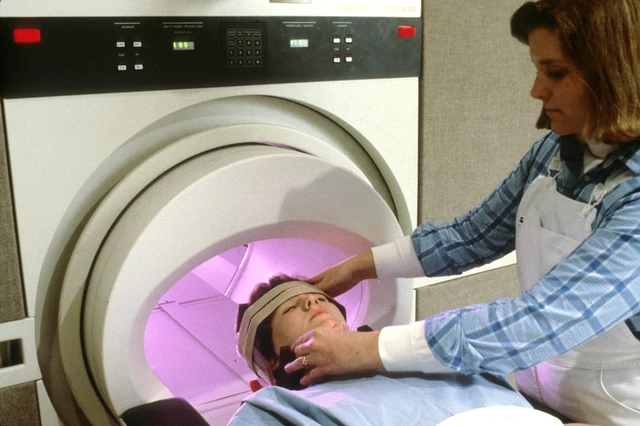
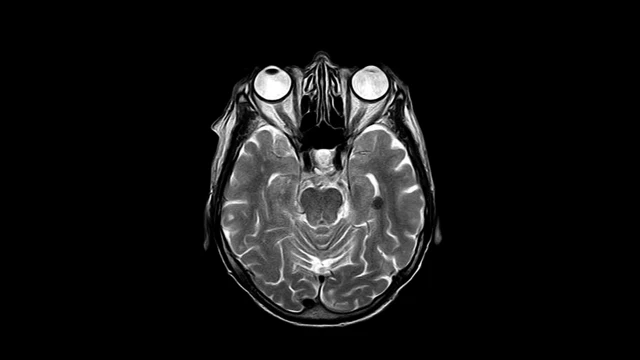
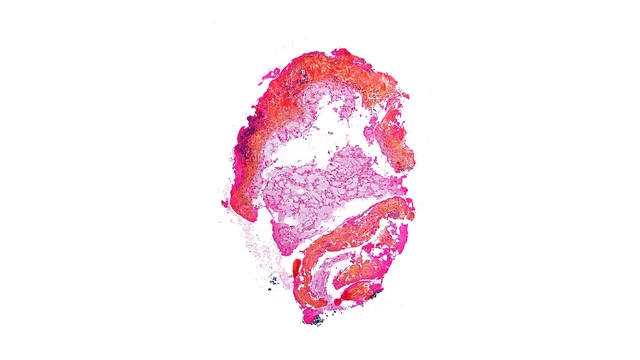
There are many tests and procedures to diagnose cancer. Your doctor may ask about personal and family medical history or order lab tests, imaging scans, or a biopsy. Learn about the different methods used to diagnose cancer and what to expect.
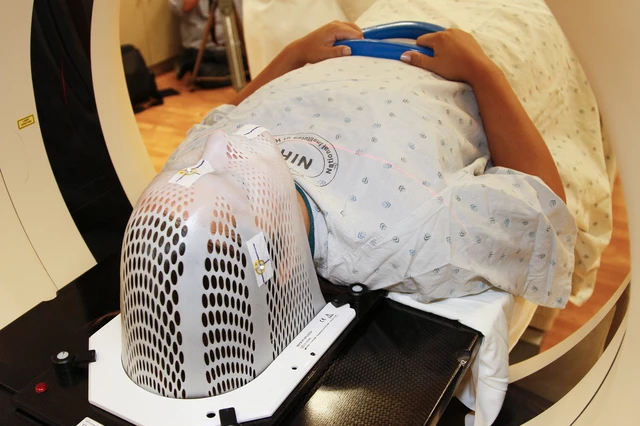
There are many types of cancer treatment. Chemotherapy is one of the most common types of cancer treatment. What type of cancer treatment is right for your child? Get basic information about some of the most common types of treatment, including chemotherapy, radiation, and immunotherapy.
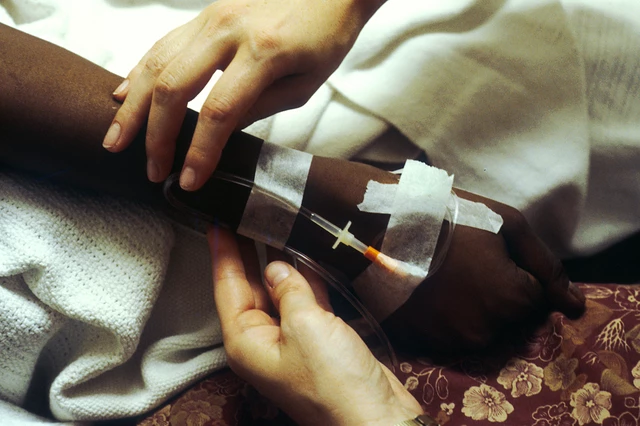 Cancer Treatment
 Chemotherapy to Treat Cancer
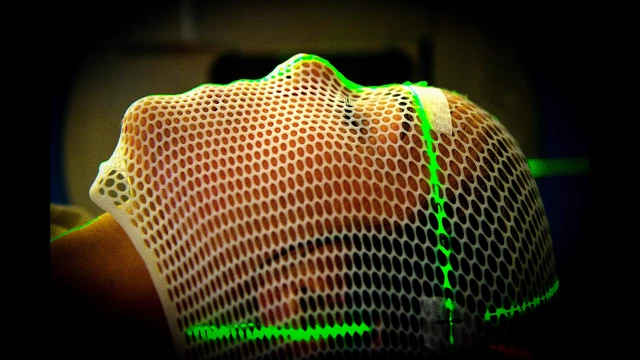 Radiation Therapy to Treat Cancer
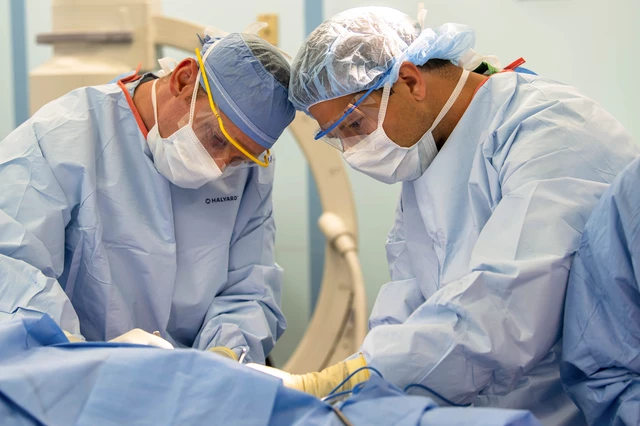 Surgery to Treat Cancer
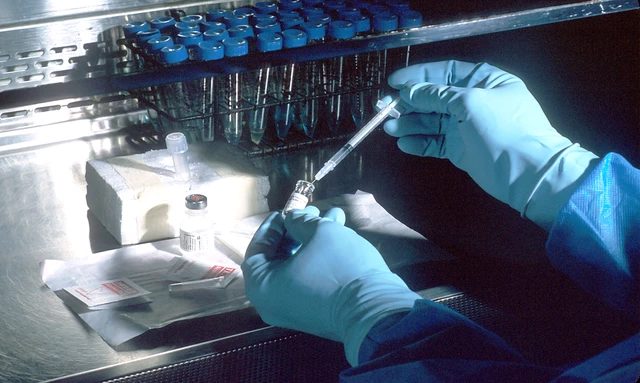 Vaccines to Treat Cancer
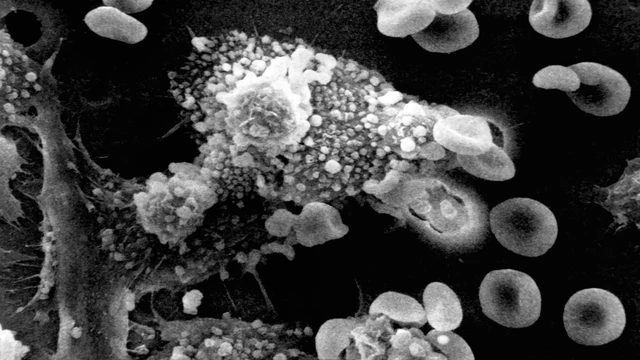 Immunotherapy to Treat Cancer
 Hormone Therapy to Treat Cancer
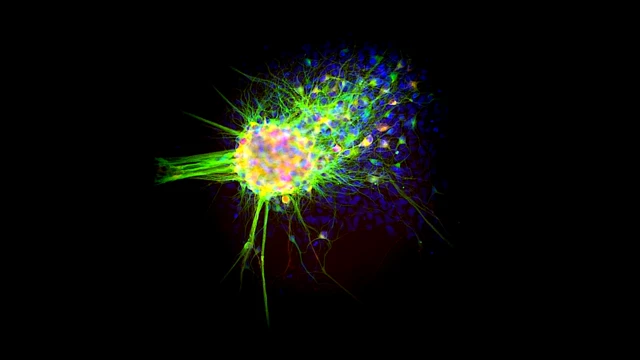 Stem Cell Transplants in Cancer Treatment
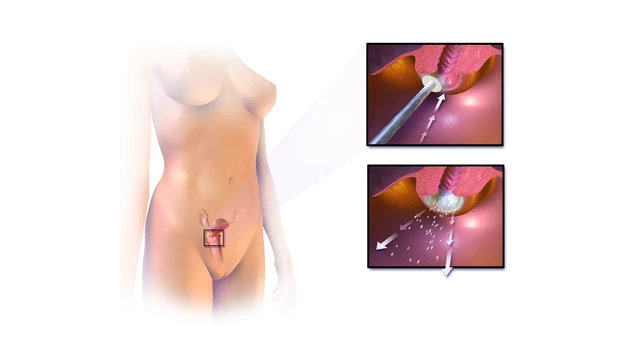 Cryosurgery to Treat Cancer
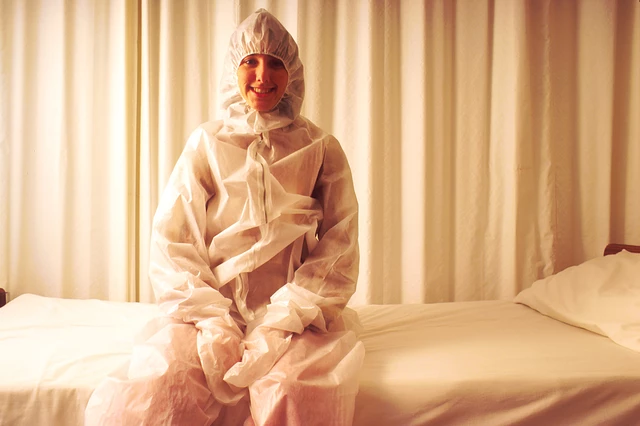 Hyperthermia to Treat Cancer
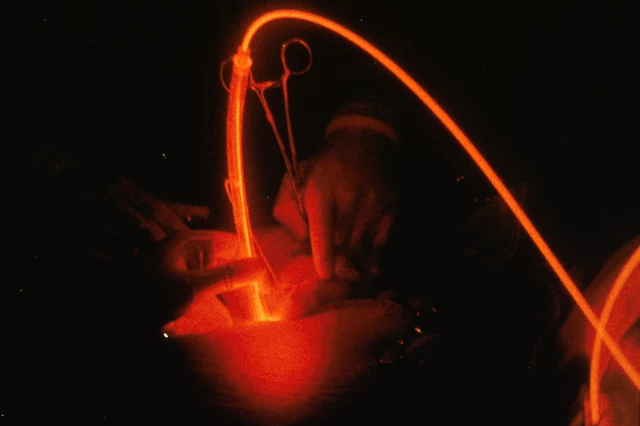 Photodynamic Therapy to Treat Cancer
 Biologic Therapies for Cancer Treatment
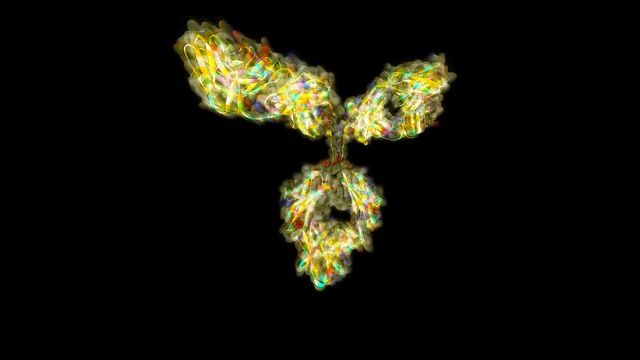 Monoclonal Antibodies in Cancer Therapy
 Lasers to Treat Cancer
 Targeted Therapy to Treat Cancer ABVE-PC Chemotherapy for Childhood Hodgkin Lymphoma
 ABVE Chemotherapy for Childhood Hodgkin Lymphoma
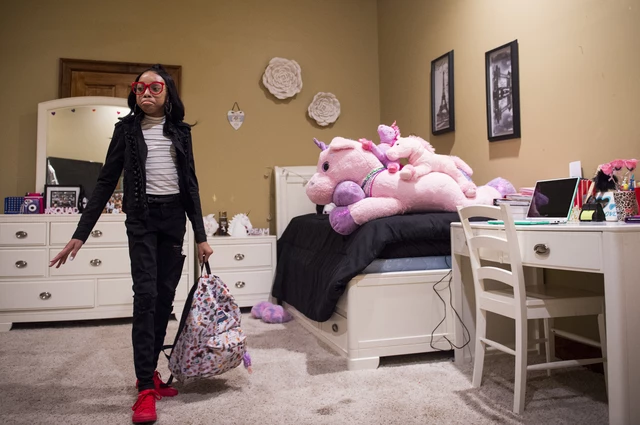 ADE Chemotherapy for Childhood Acute Myeloid Leukemia
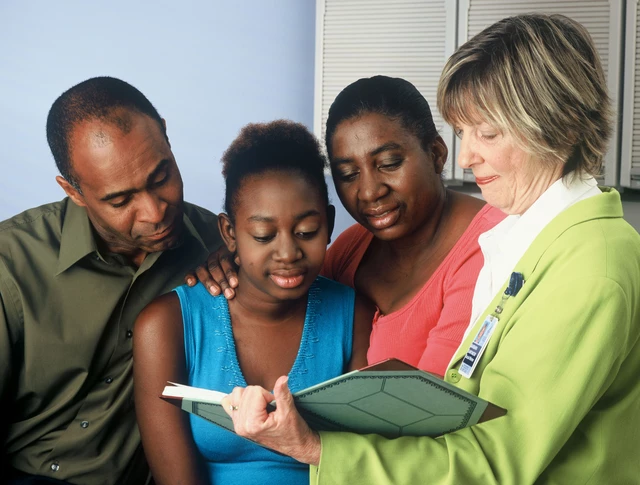
When a child has cancer, every member of the family needs support. Parents often feel shocked and overwhelmed following their child’s cancer diagnosis. As you dig deep for strength, reach out to your child’s treatment team and to people in your family and community for support. Read on for tips on coping and finding support.
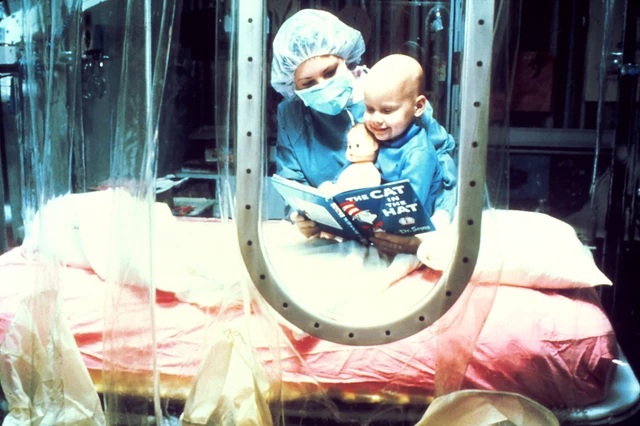 Support for Families When a Child Has Cancer
 Emotional Support for Young People with Cancer
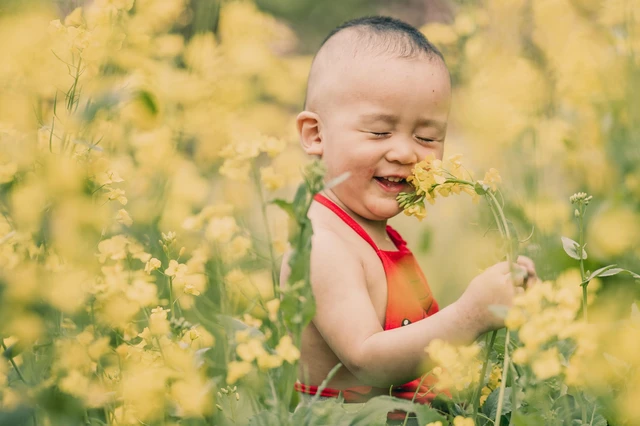 Late Effects of Treatment for Childhood Cancer
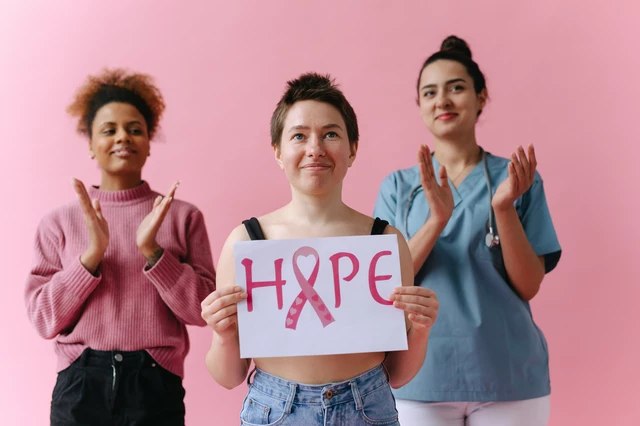 Coping with Cancer
 Adjusting to Cancer
 Living with Cancer
 Emotions and Cancer
 Depression and Cancer
 Healthy Living After Cancer
 Caregiving in Cancer Care
 Spirituality in Cancer Care
No HealthJournal in this journey matches. Try another word, or all collections.
HealthJournals are visually immersive guides to a wide range of health and wellness topics, from diseases and conditions to treatments, procedures, anatomy, nutrition and more. Each is a carefully curated selection of videos, images, interactives and authoritative information that makes its topic easier to understand.
Bring your records into StoryMD, and follow Childhood and teen cancer with a companion that knows your history.