Start your free trial

45 HealthJournals

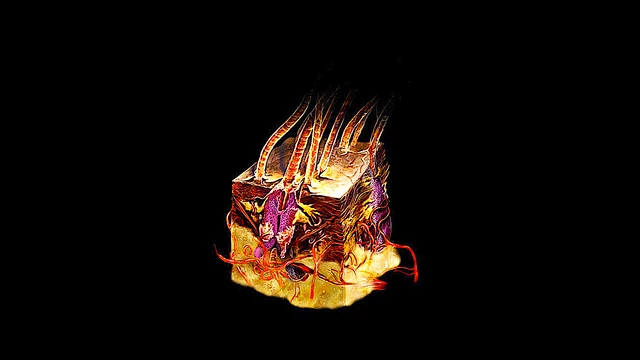
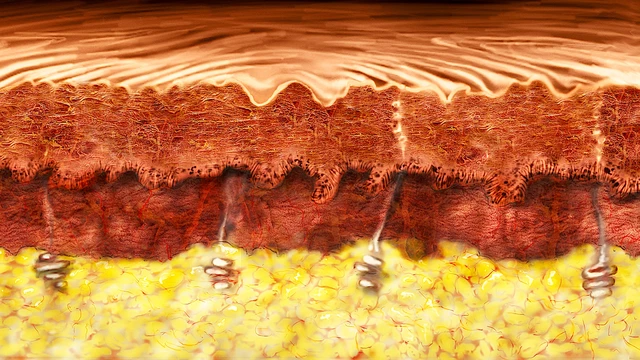
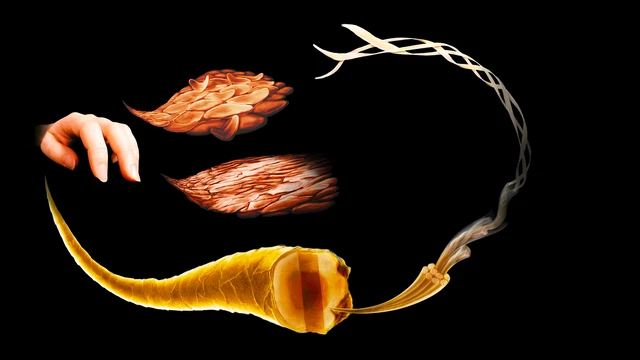
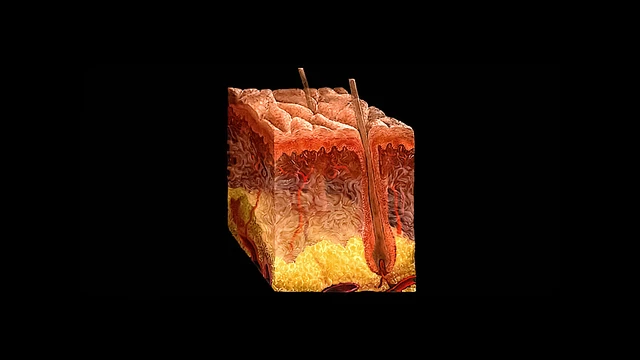
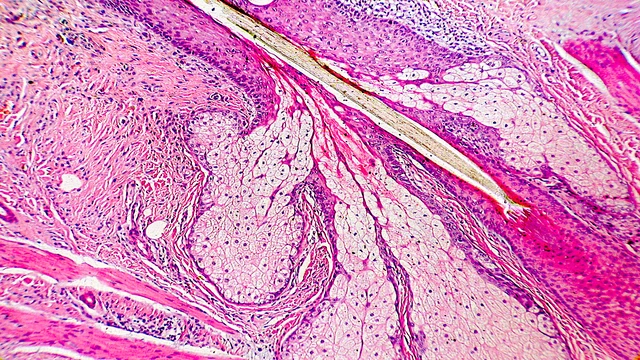
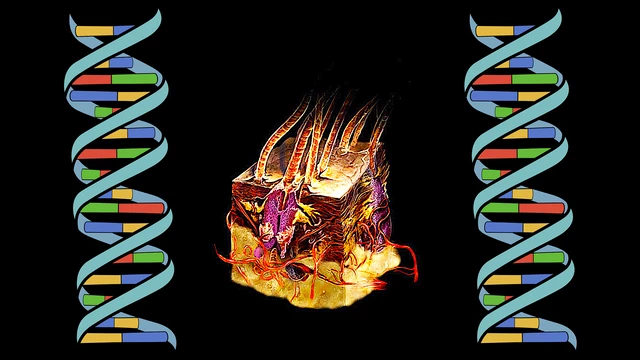
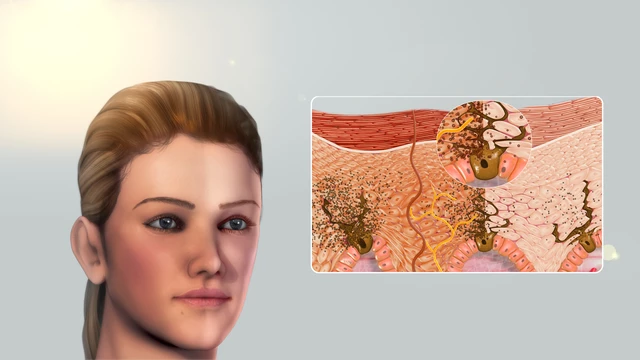
Skin anatomy

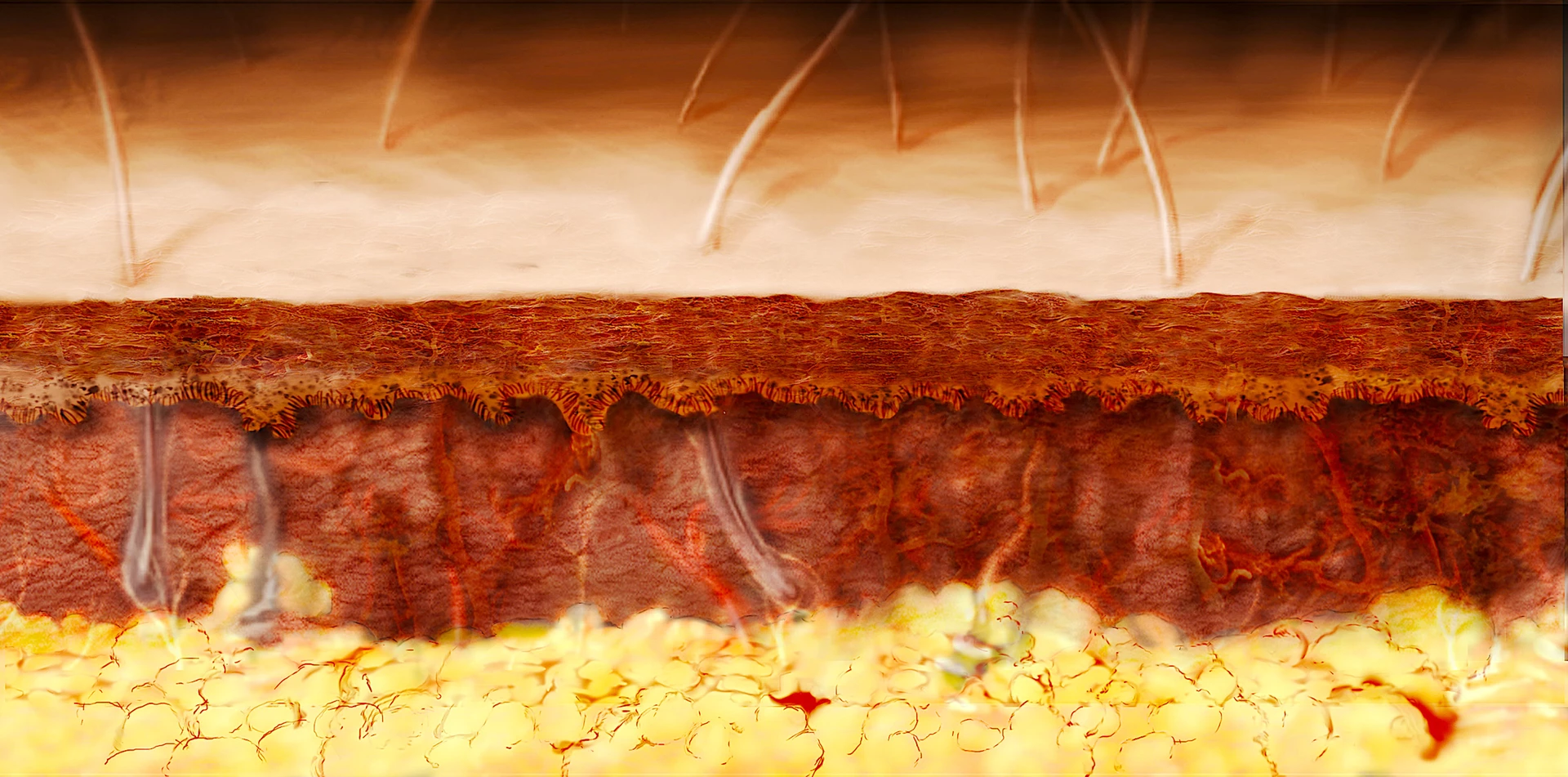
Although you may not typically think of the skin as an organ, it is in fact made of tissues that work together as a single structure to perform unique and critical functions. Learn more about the skin and its important role in protecting the body.

Skin cancer types

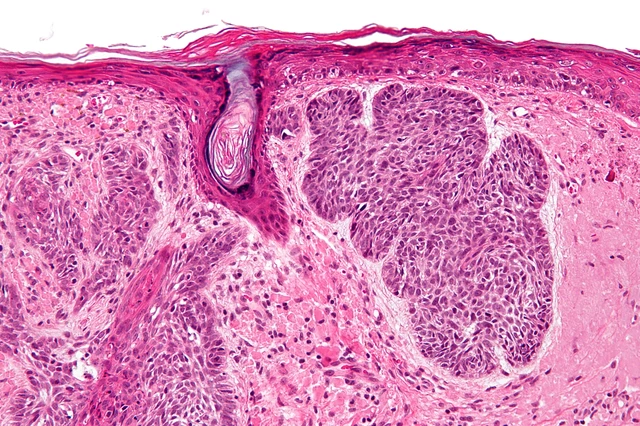
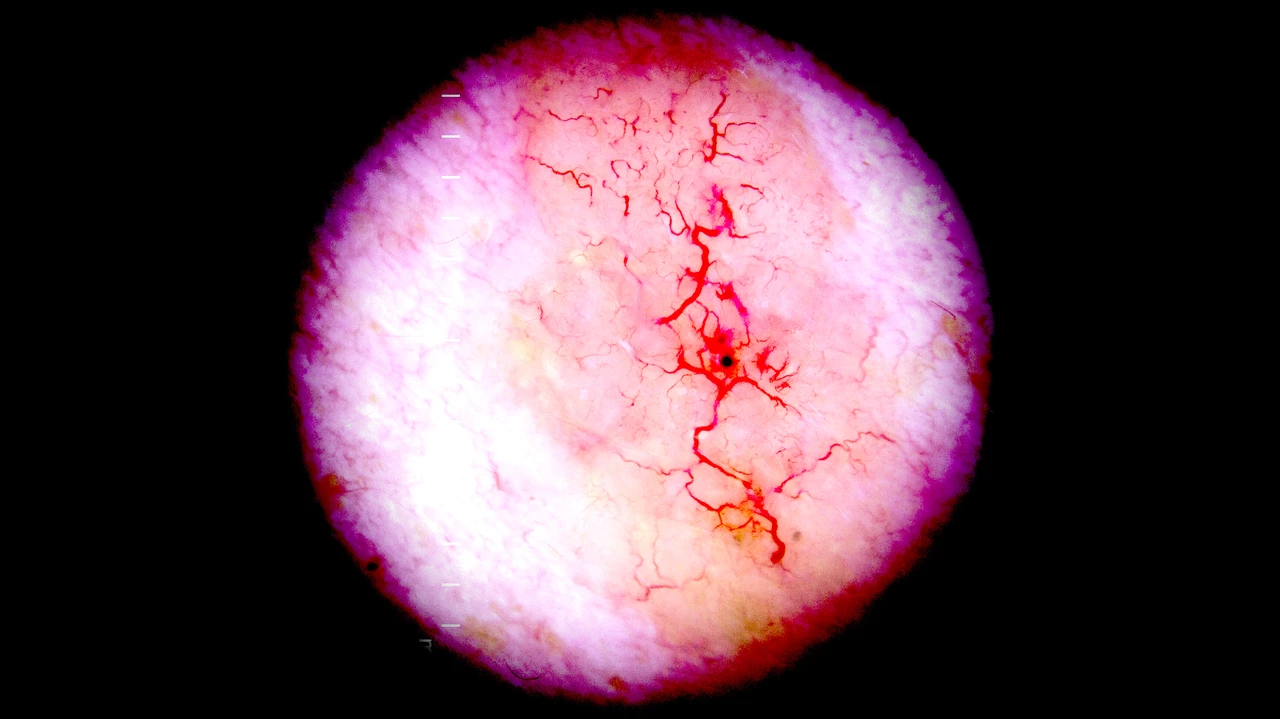
Skin cancer is the most common form of cancer in the United States. The two most common types are basal cell cancer and squamous cell cancer. Skin color and being exposed to sunlight can increase the risk of basal cell carcinoma and squamous cell carcinoma of the skin.

Skin cancer causes and risks

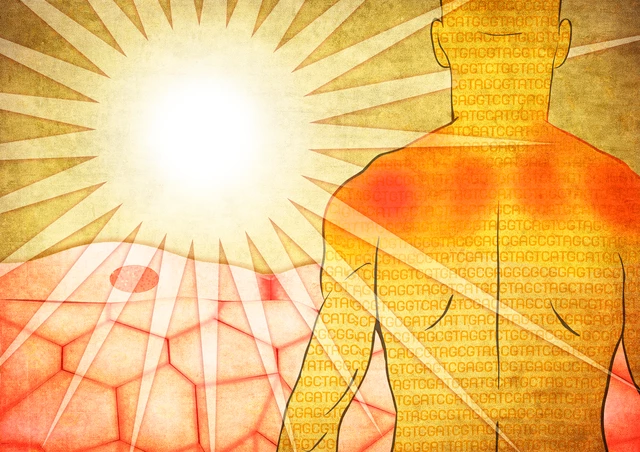
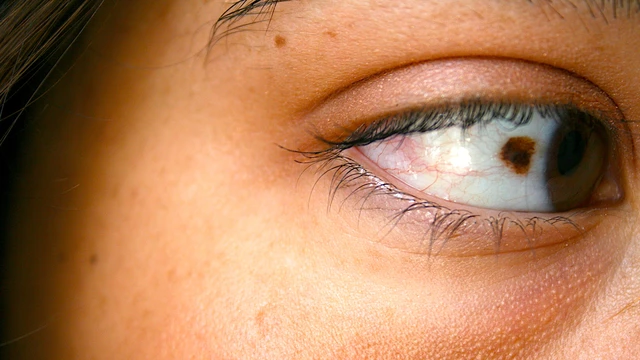
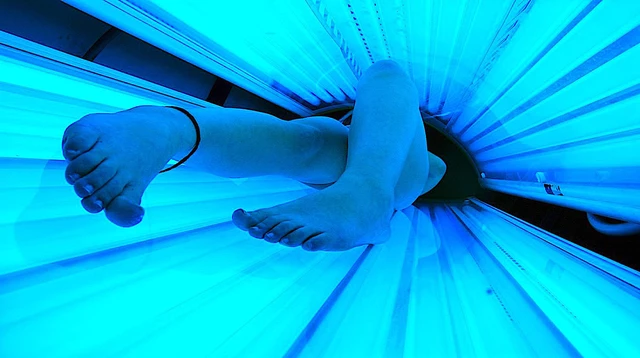
Skin cancer is linked most of all to ultraviolet light from the sun and tanning beds, so sunburn and tanning raise the risk. Common moles, dysplastic nevi and inherited melanoma risk genes affect the chance of melanoma, and skin aging, birthmarks and tanning products bear on skin health too.

Skin cancer prevention

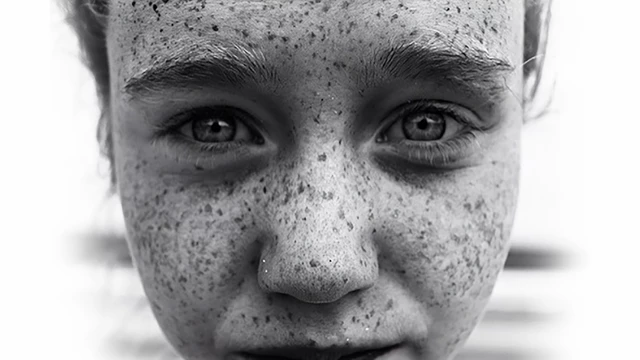
Skin cancer prevention approaches include avoiding risk factors like ultraviolet (UV) radiation that comes from the sun, sun lamps, and tanning beds. Most skin cancers appear after age 50, but skin damage from the sun can start during childhood. Learn more about the risks and possible protective factors for melanoma and nonmelanoma skin cancer.

Skin cancer screening and diagnosis

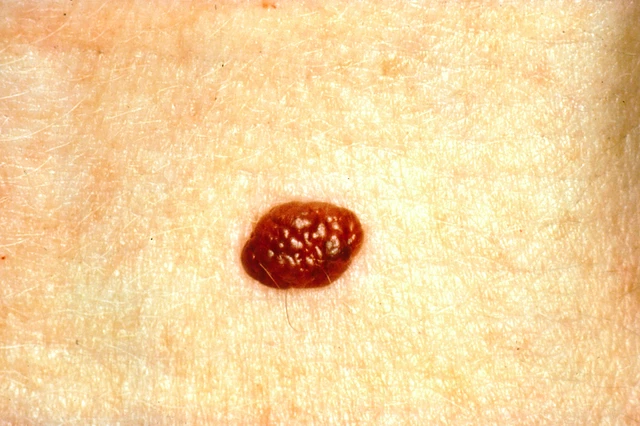
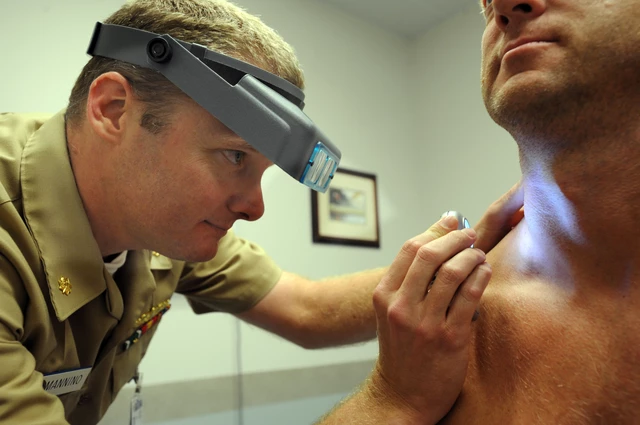
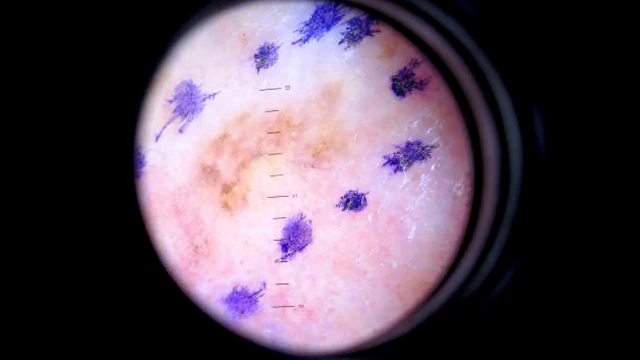
During a skin exam, the skin is checked for moles or birthmarks that look abnormal in color, size, shape, or texture. Skin exams to screen for skin cancer have not been shown to be effective in people who do not have a history of skin cancer and who do not have any suspicious moles.

Skin cancer treatment

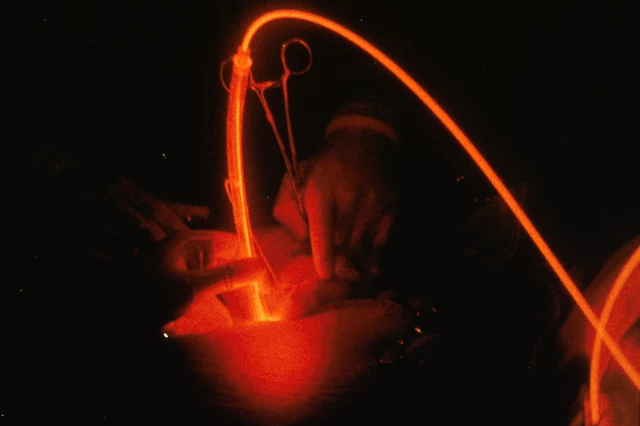
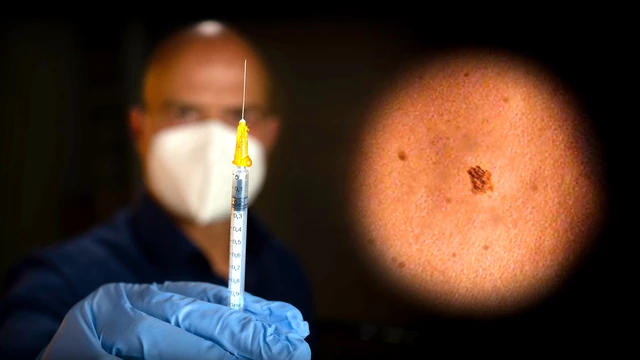
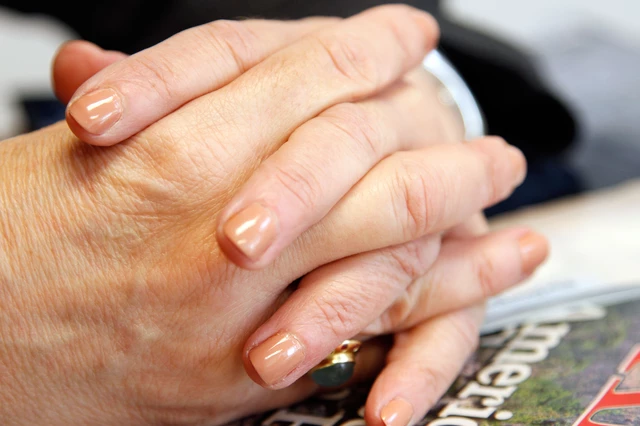
Skin cancer can be treated with photodynamic therapy, which uses a drug activated by light to kill cancer cells on or near the surface of the skin. Cancer treatment of any kind can also change the skin and nails, from rashes and dryness to changes in the nails.

Skin cancer research

Researchers are working to advance our understanding of how to treat melanoma and other skin cancers. Much progress has been made in treating people with melanoma that has spread in their bodies (metastatic melanoma). Yet many people still don't benefit from the newest drugs, and others may relapse after initially successful treatment. Learn more.

Skin cancer for health professionals

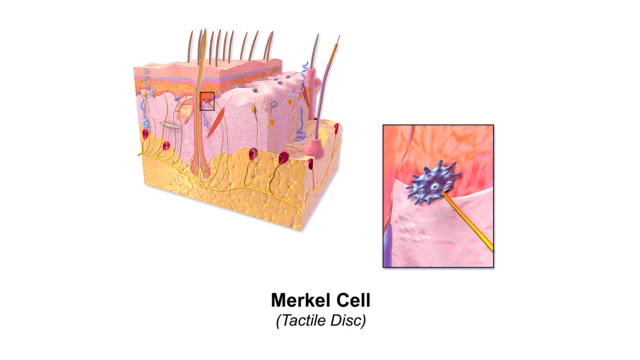
Clinician summaries of skin cancer, written for health professionals. They cover skin cancer screening and prevention and the treatment of basal cell and squamous cell skin cancer, melanoma and Merkel cell carcinoma.

The library's building blocks

HealthJournals: immersive guides to health.

HealthJournals are visually immersive guides to a wide range of health and wellness topics, from diseases and conditions to treatments, procedures, anatomy, nutrition and more. Each is a carefully curated selection of videos, images, interactives and authoritative information that makes its topic easier to understand.

Your health, in one place

Make it your journey.

Bring your records into StoryMD, and follow Skin cancer with a companion that knows your history.