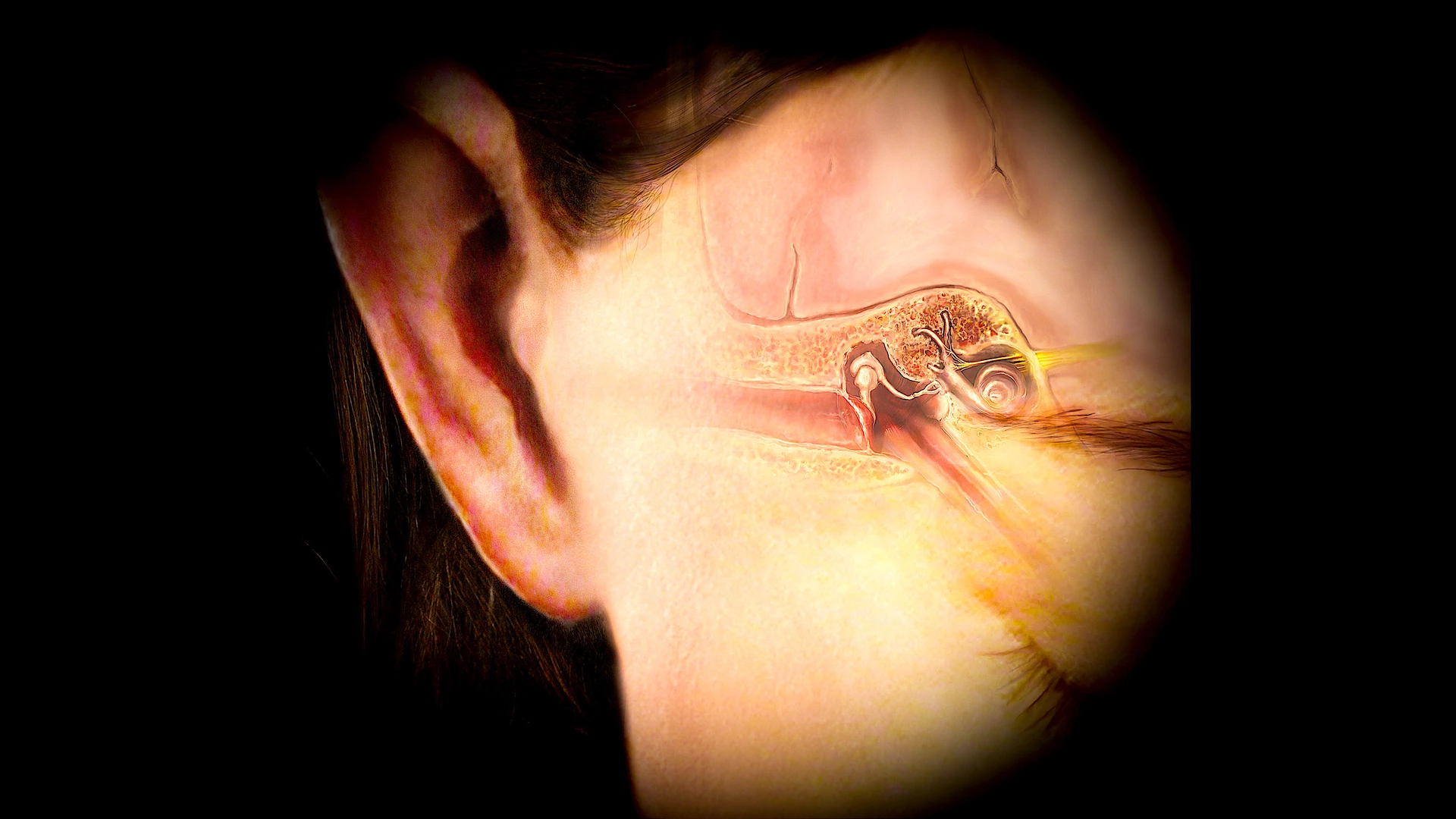
Can You Hear Me? 6 Common Causes of Hearing Loss
Sure, you could blast your ears into hearing loss at concerts, but there are so many other ways these sensitive organs can be threatened. Learn about the most common causes of hearing loss.

How the ear, nose and throat work, and the infections, cancers and other disorders that affect them, with the tests that find them.
118 HealthJournals
Sure, you could blast your ears into hearing loss at concerts, but there are so many other ways these sensitive organs can be threatened. Learn about the most common causes of hearing loss.
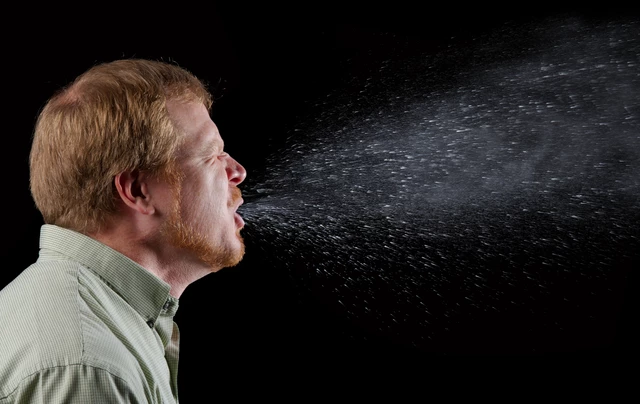
With it being the start of cold and flu season, you’re bound to pick up a virus or two, which is almost always accompanied by an annoyingly persistent cough. Read on to learn about 10 things you can do to quell that nagging cough.
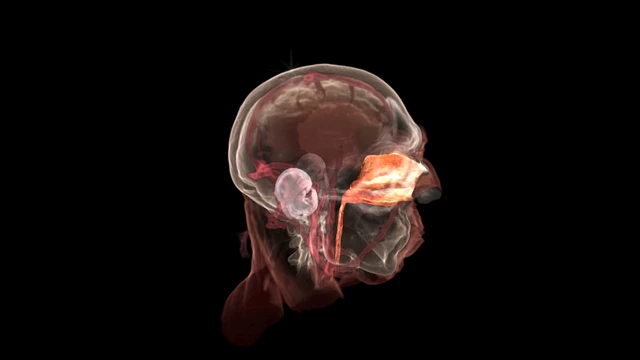
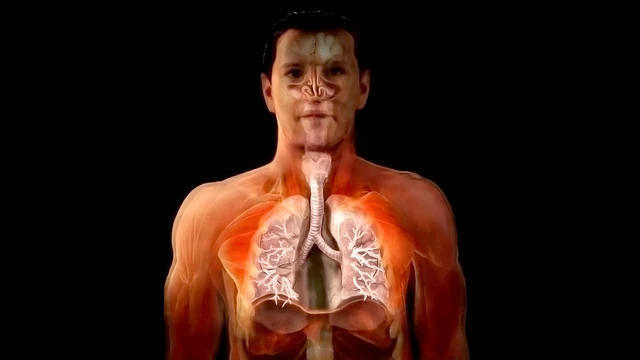
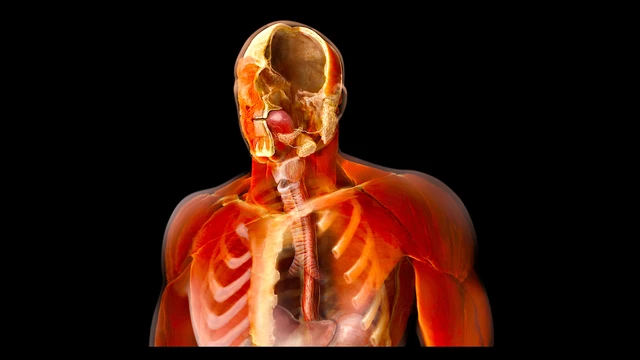
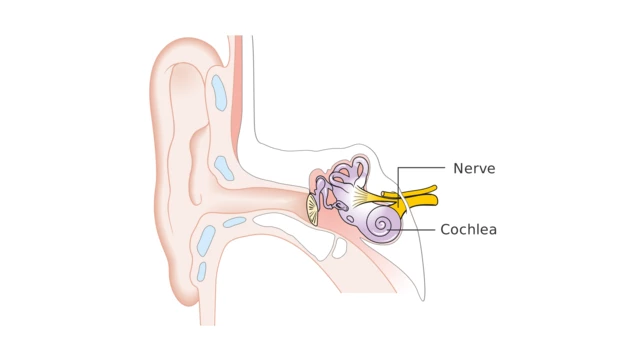
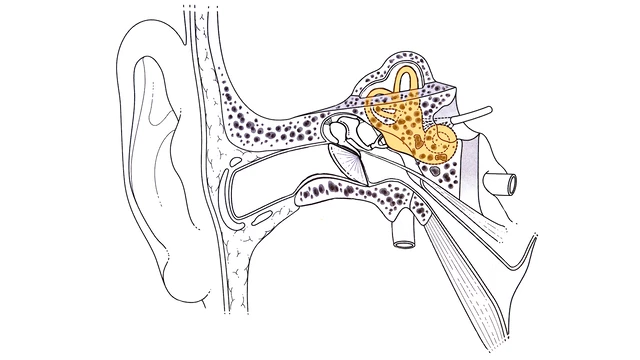
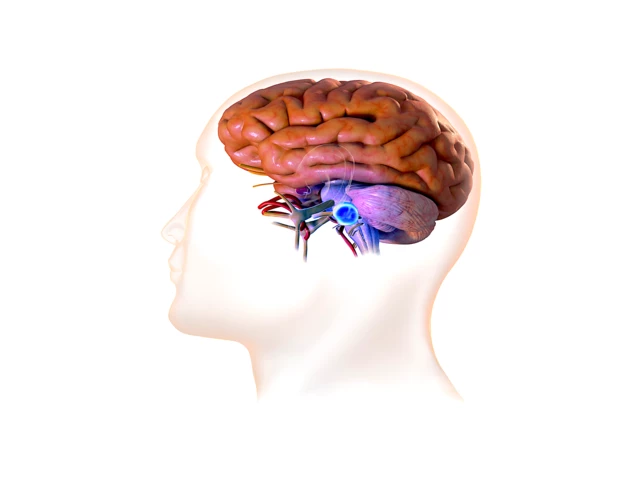
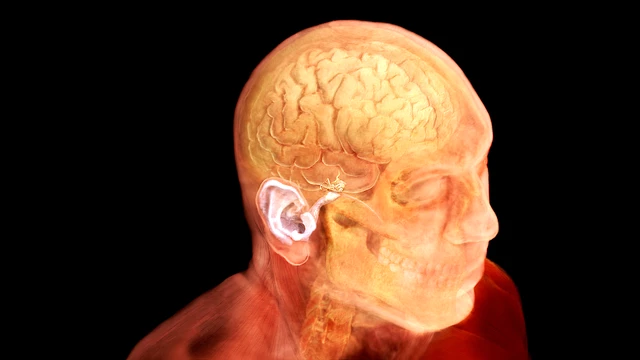
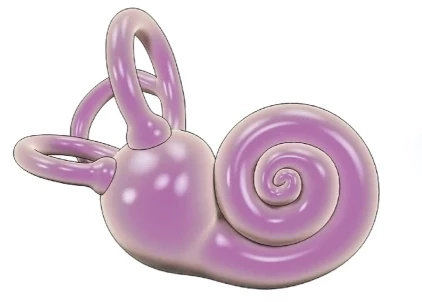
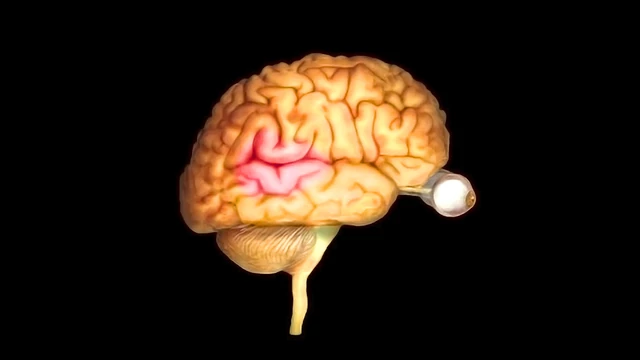
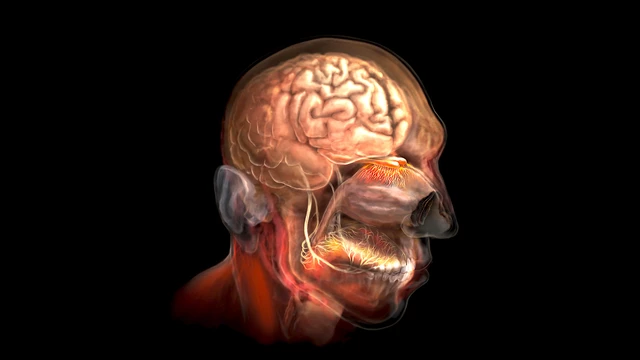
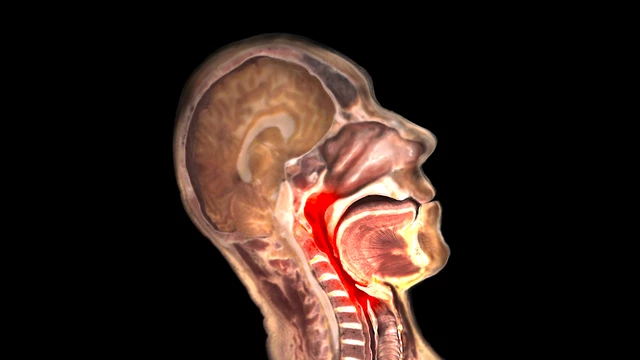
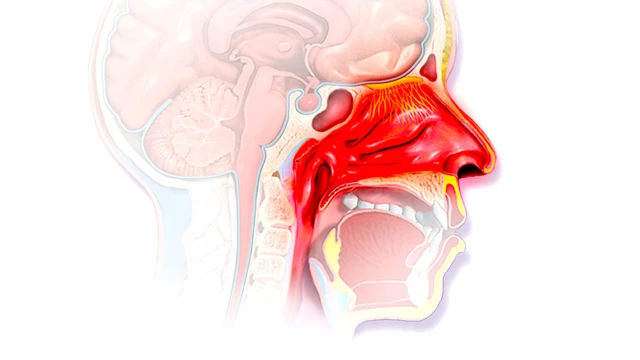
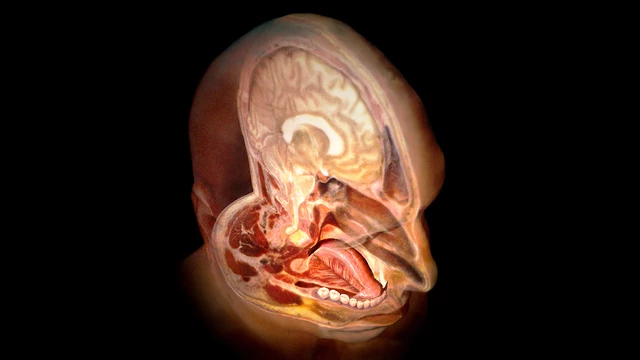
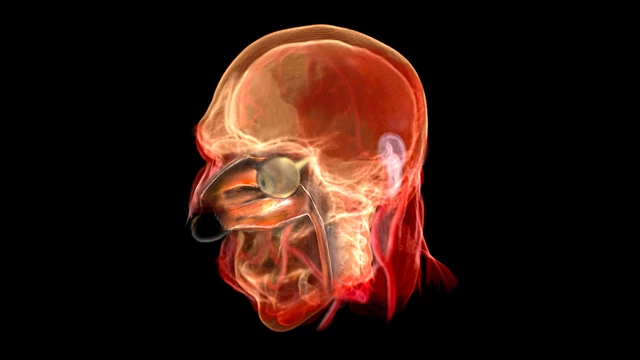
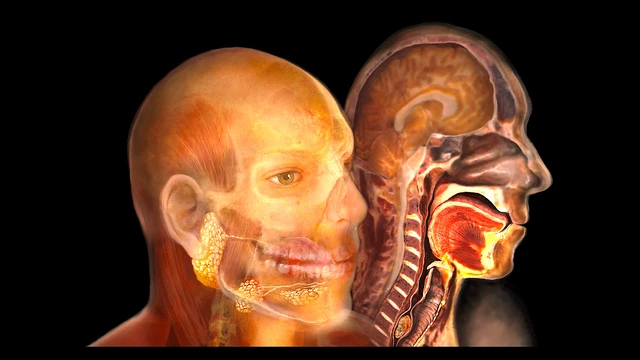
The external and internal parts of the ear are the hearing and equilibrium system of the body. The nose is a part of the upper respiratory tract. It contains the organ of smell. The throat is involved in both digestion and respiration. It receives food and air from the mouth, and air from the nasal cavities.
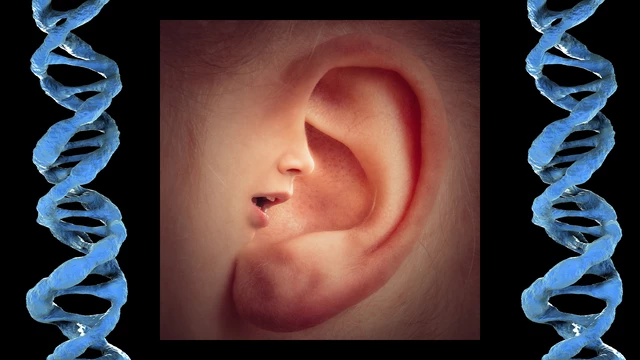
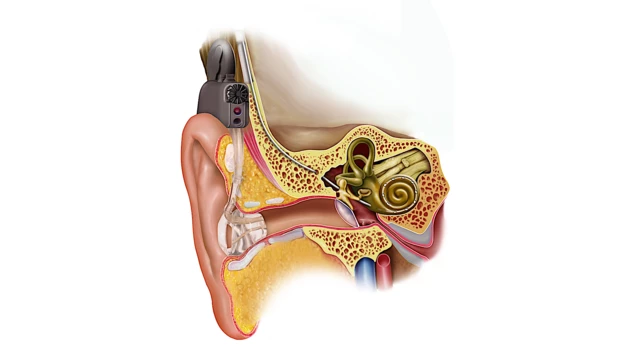
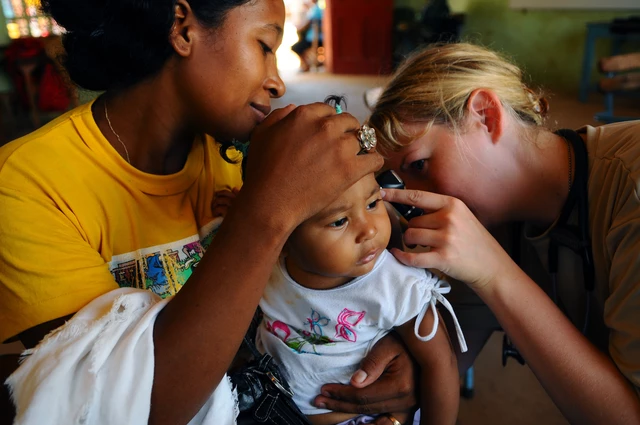
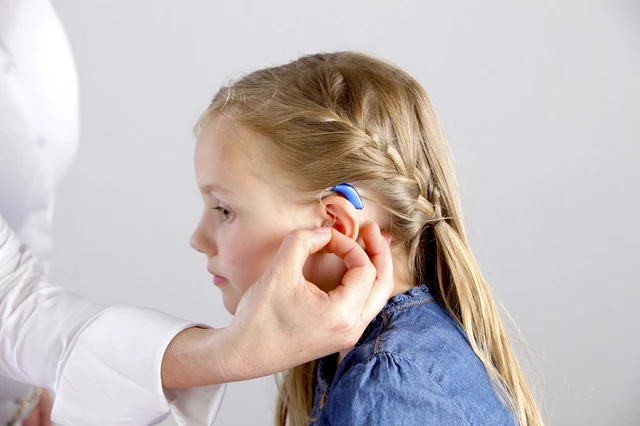
Ear diseases and disorders can affect hearing, balance or both. They range from ear infections, swimmer's ear and tinnitus to Ménière's disease, otosclerosis and vertigo. Hearing loss is covered at every age, from newborn hearing screening to noise-induced and age-related hearing loss, along with hearing aids and cochlear implants.

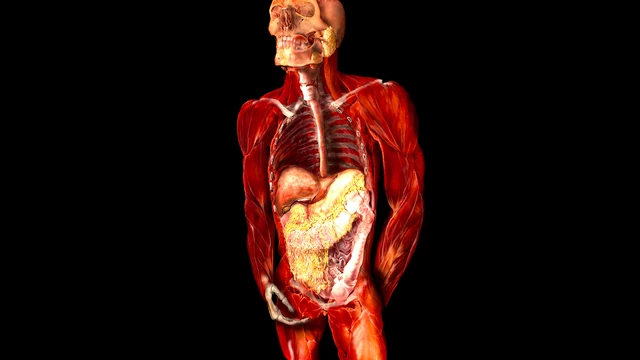
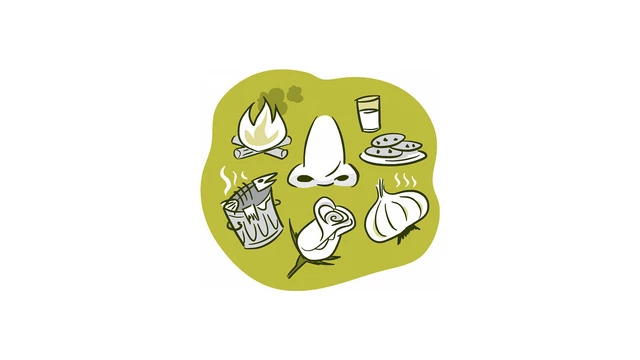
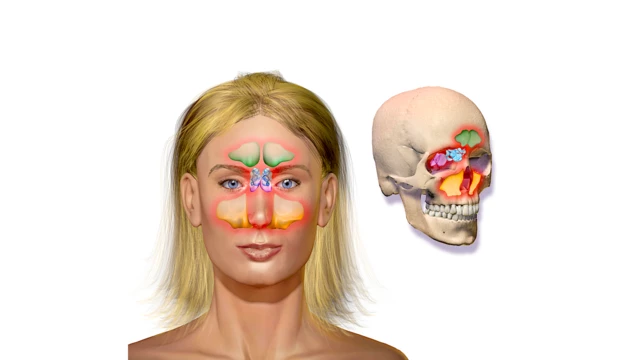
The nose filters the air we breathe and carries our sense of smell, which shapes taste. Its problems range from injuries, allergies, sneezing and enlarged adenoids to nasal cancer, along with rhinoplasty and saline rinses, and smell and taste disorders such as anosmia, ageusia and Kallmann syndrome.
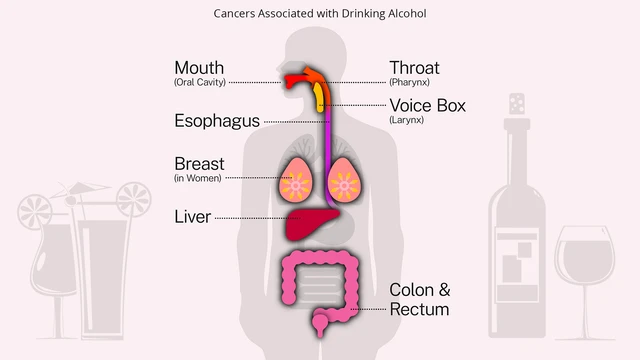
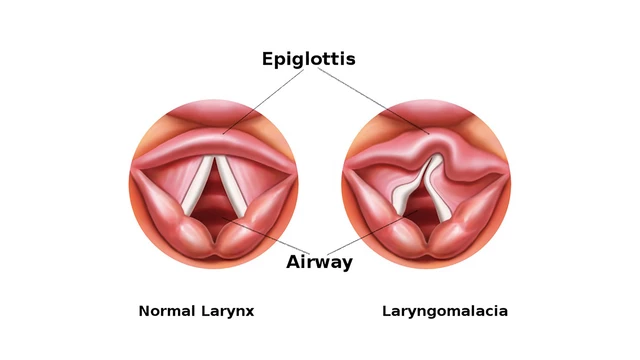
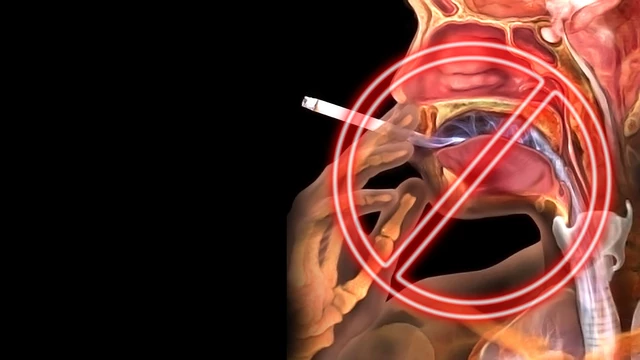
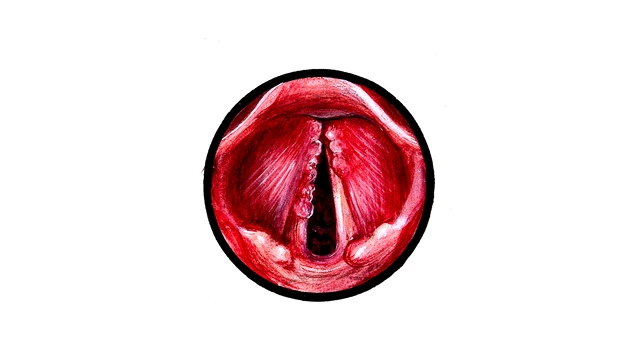
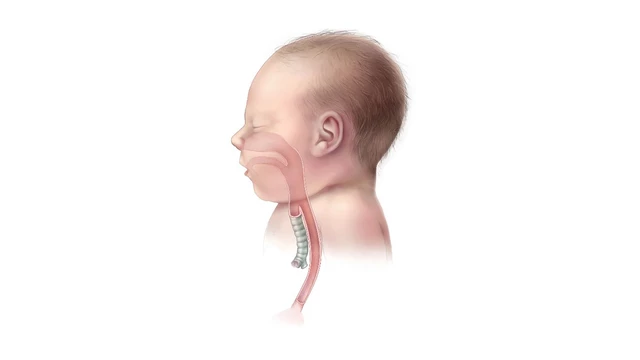
Most throat problems, like a sore throat, are minor and caused by a virus, and go away on their own. Others range from strep throat, tonsillitis, hoarseness and a lasting cough to voice disorders such as spasmodic dysphonia, swallowing problems like achalasia, snoring, and conditions a baby is born with, like laryngomalacia.
Ear, nose and throat infections are among the most common illnesses, caused mostly by viruses and sometimes by bacteria. They include the common cold, flu, sinusitis, strep throat, laryngitis and ear infections such as swimmer's ear.
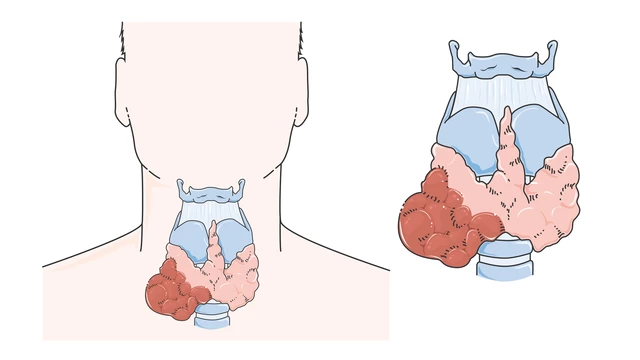
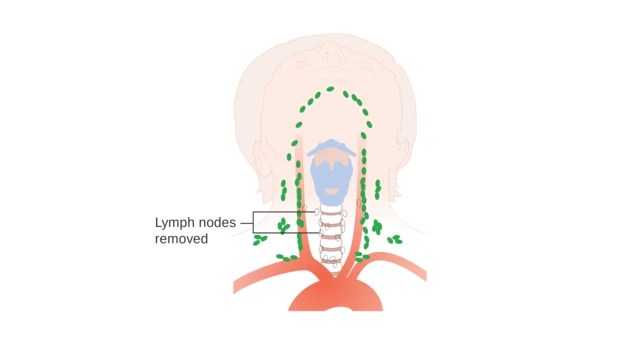
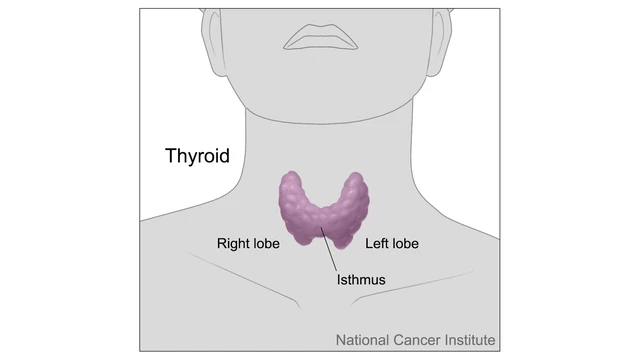
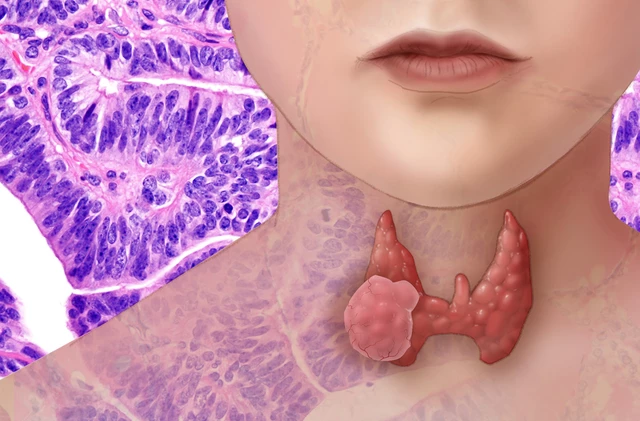
Ear, nose and throat cancers are among the head and neck cancers, starting in the mouth, nose, sinuses, throat, voice box or thyroid. They include oral, nasopharyngeal, oropharyngeal, laryngeal and thyroid cancer, along with rare childhood types such as esthesioneuroblastoma.
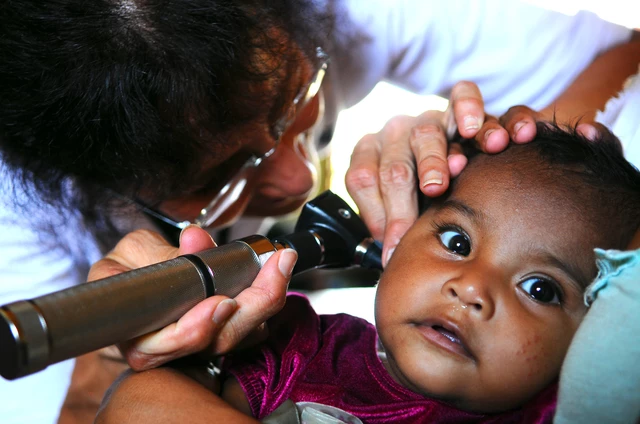
Ear, nose and throat tests check hearing, the nerves of the head and the thyroid. They include newborn hearing screening, hearing tests for children and adults, the cranial nerve exam and thyroid cancer screening.
Some ear, nose and throat disorders affect children or older adults in particular. In children they include hearing problems, Pendred syndrome and rare cancers such as nasopharyngeal cancer; in older adults, age-related hearing loss and balance problems.
No HealthJournal in this journey matches. Try another word, or all collections.
HealthJournals are visually immersive guides to a wide range of health and wellness topics, from diseases and conditions to treatments, procedures, anatomy, nutrition and more. Each is a carefully curated selection of videos, images, interactives and authoritative information that makes its topic easier to understand.
Bring your records into StoryMD, and follow Ear, nose and throat with a companion that knows your history.