Start your free trial

94 HealthJournals

Diabetes types

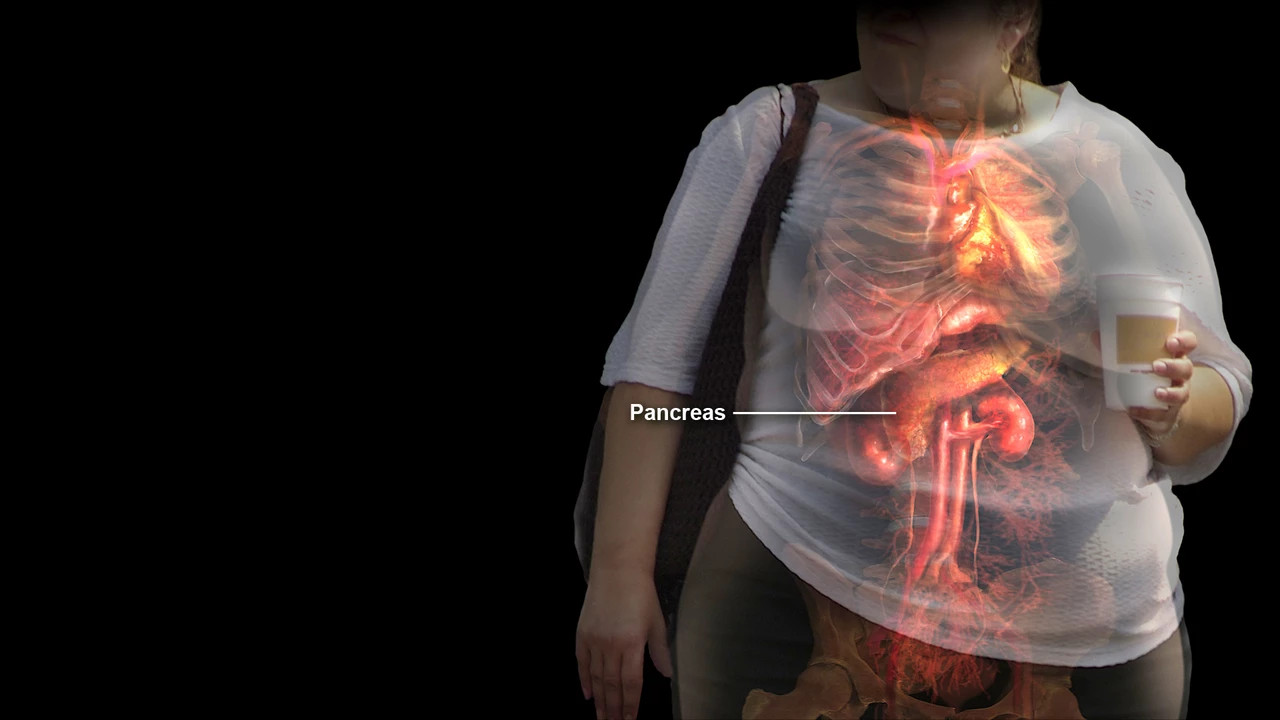
Diabetes mellitus takes several forms. Type 1, in which the body makes little or no insulin, and type 2, in which it can't use insulin well, are the most common, alongside prediabetes, gestational diabetes and rare monogenic forms. Metabolic syndrome and diabetes insipidus, a different condition, are included too.

Type 1 diabetes

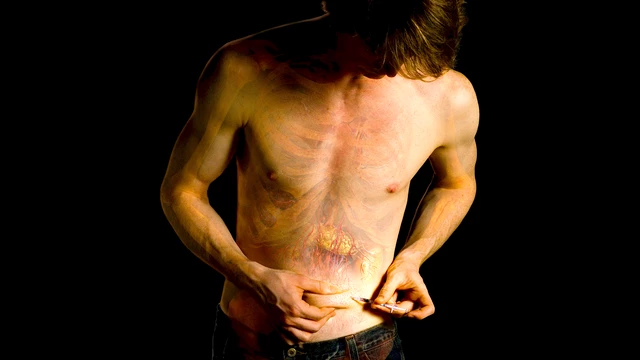
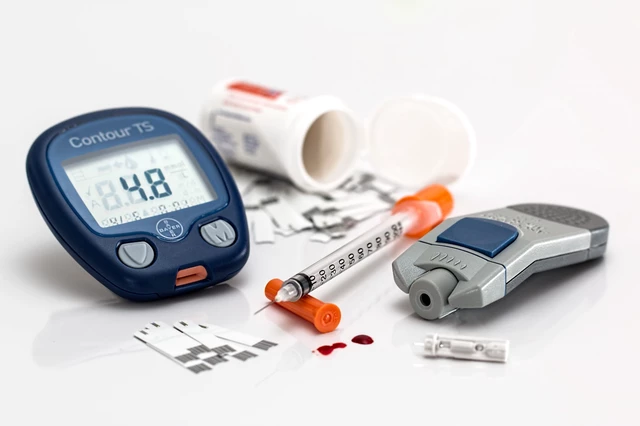
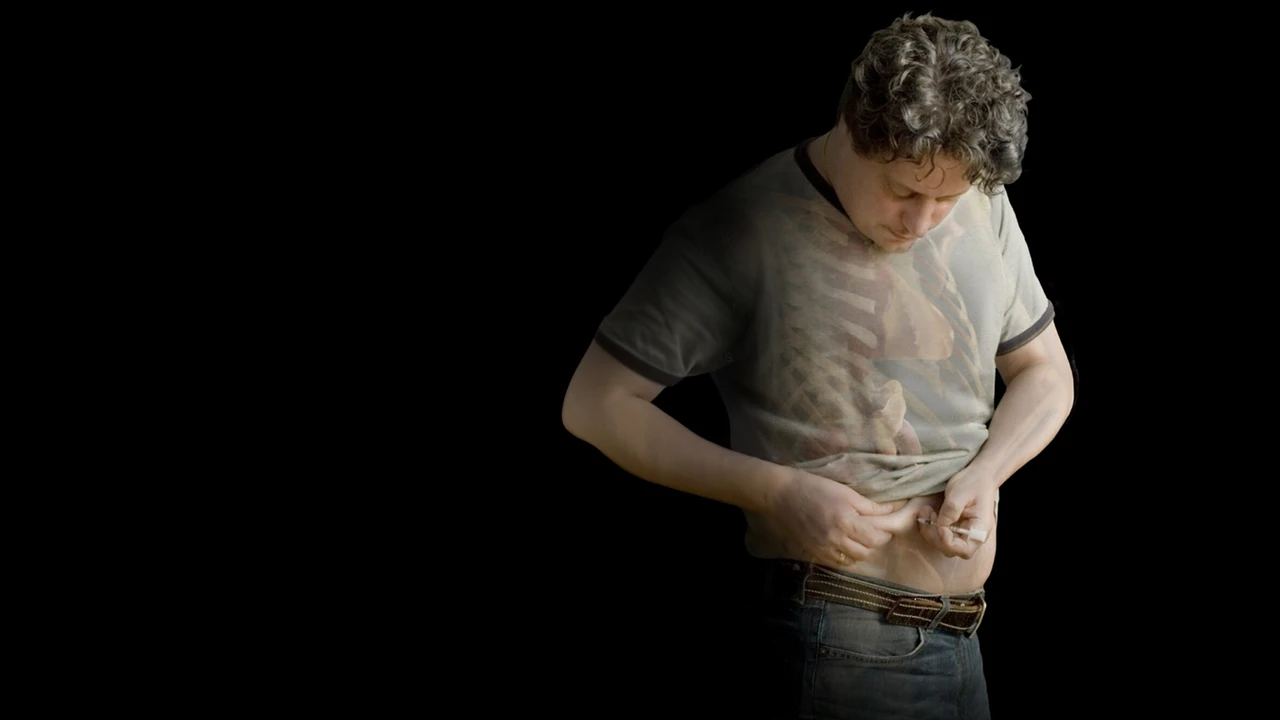
Type 1 diabetes is an autoimmune disease in which the body stops making insulin, often starting in childhood or the teen years. It is managed with daily insulin, glucose meters, continuous glucose monitors and the artificial pancreas. Other topics include the A1C test, islet cell and pancreas transplants and pregnancy.

Type 2 diabetes

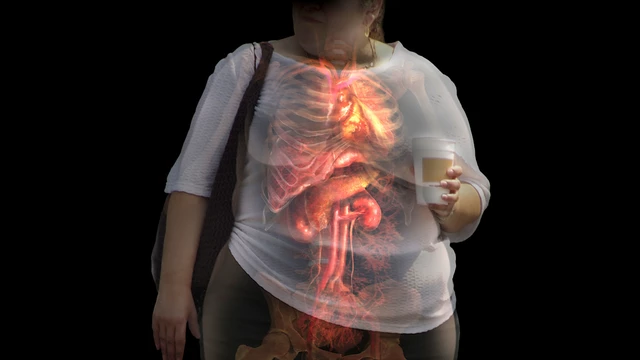
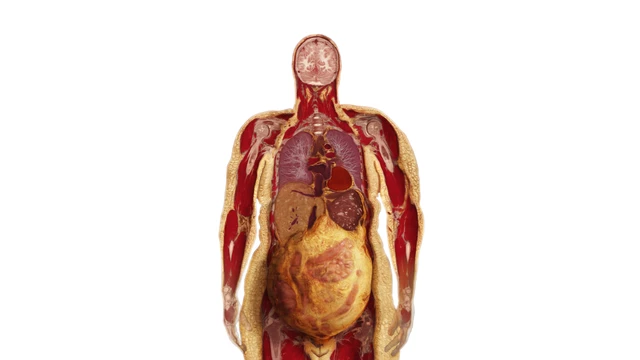
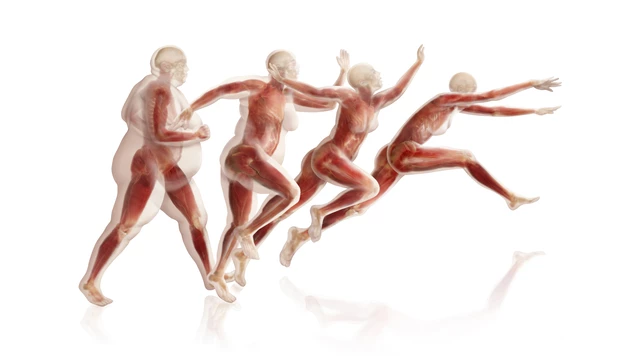
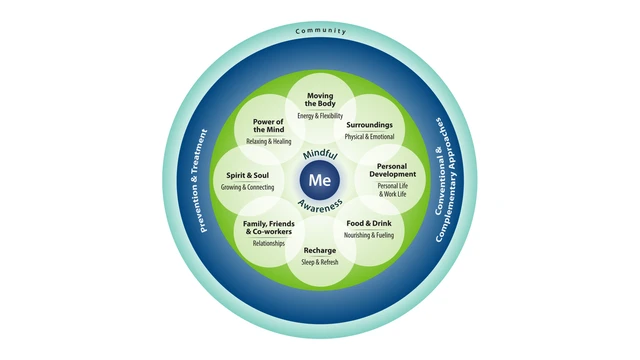
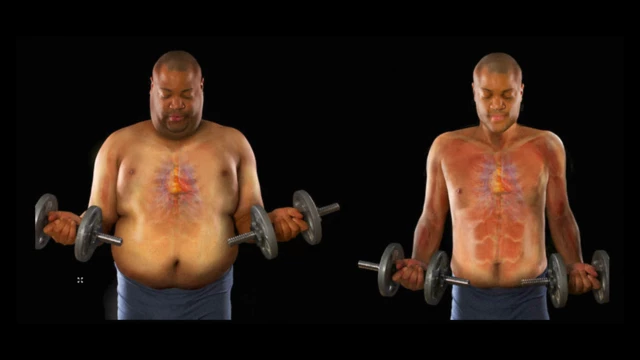
Type 2 diabetes can often be prevented or delayed, especially in people with prediabetes, through healthy eating, regular physical activity and losing excess weight. The same whole-health habits help prevent other chronic diseases, and a diabetic diet puts them into practice at the table.

Diabetes and pregnancy

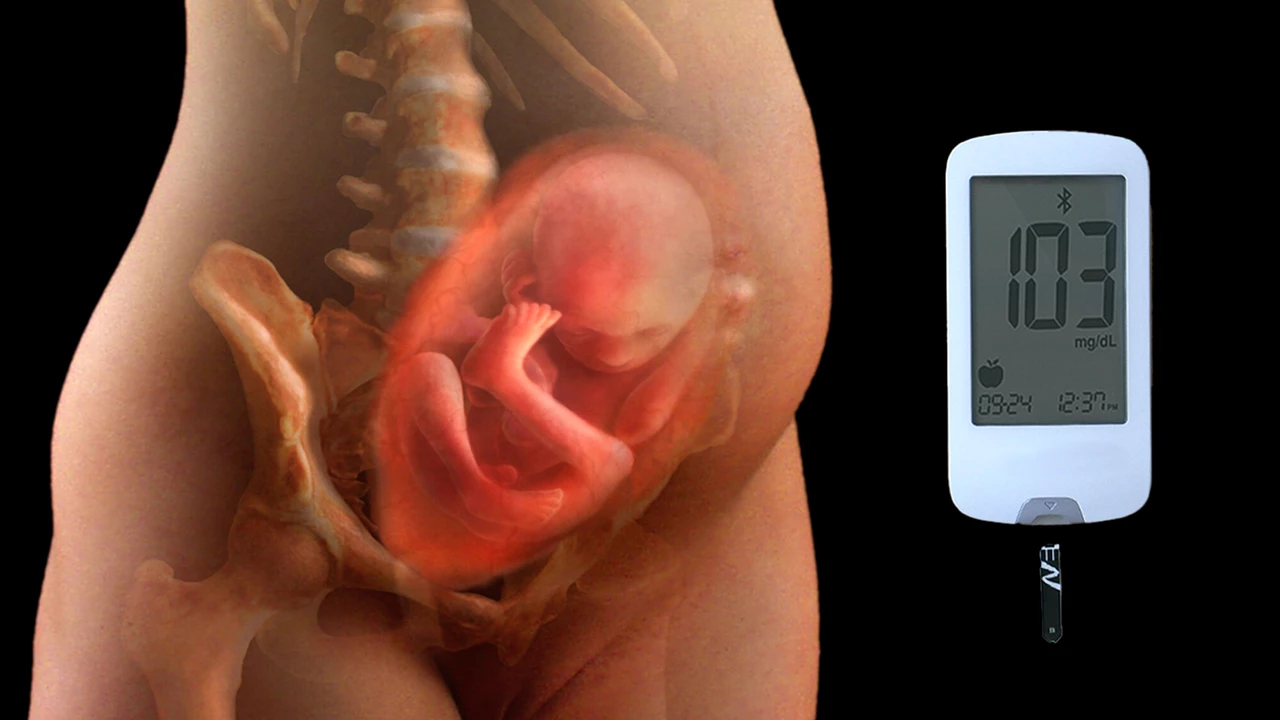
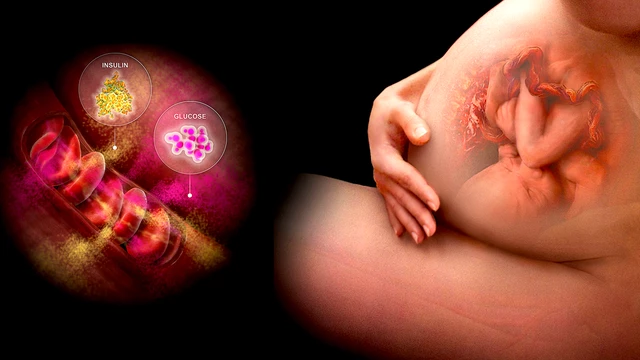
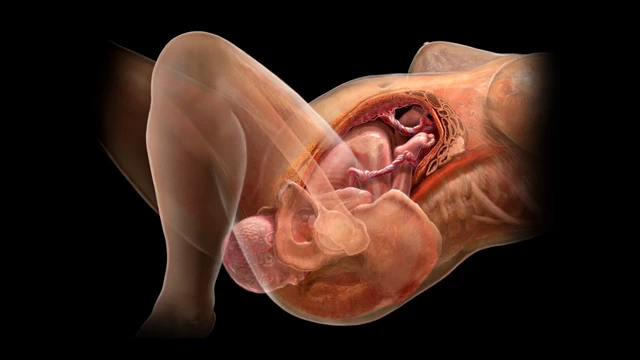
Diabetes in pregnancy takes two forms: gestational diabetes, which develops during pregnancy and usually goes away after birth, and type 1 or type 2 diabetes that a woman already has. High blood glucose can affect both mother and baby, alongside other health problems in pregnancy.

Diabetes tests

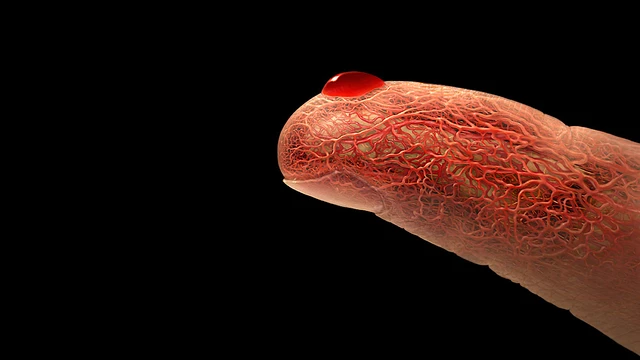
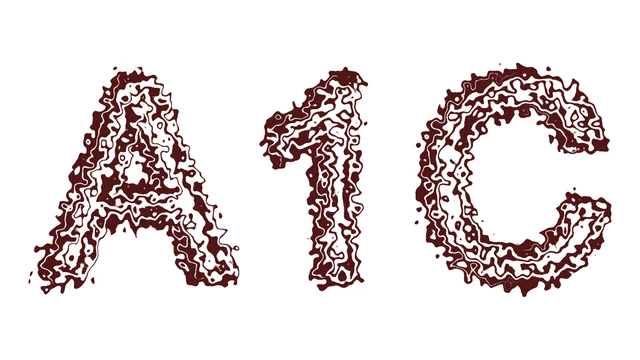
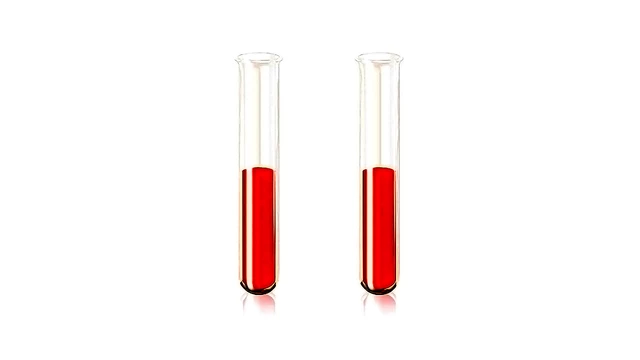
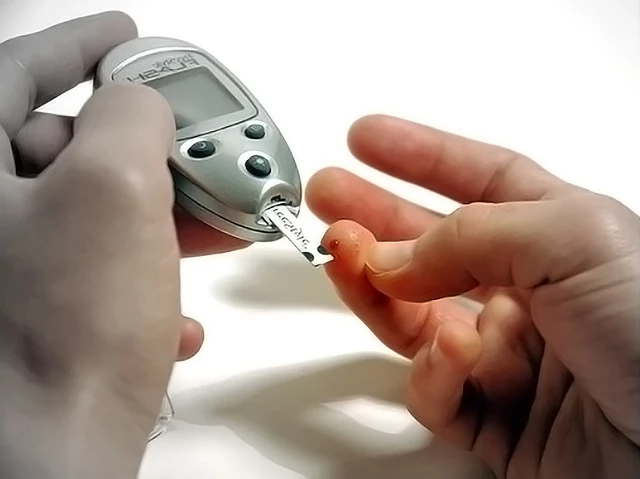
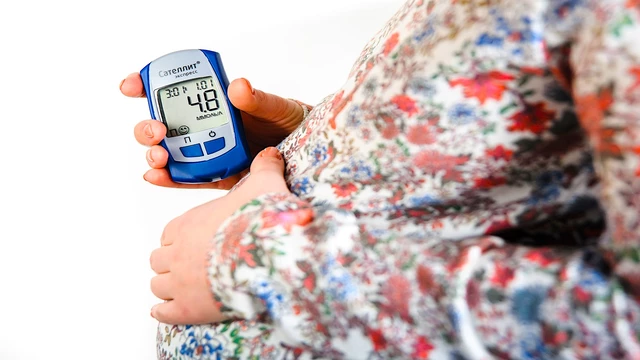
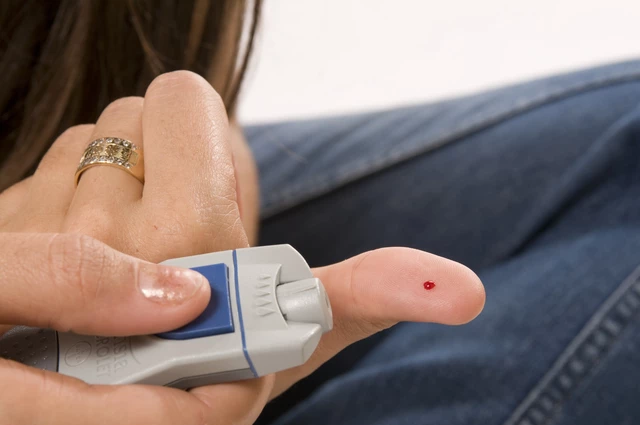
Diabetes tests diagnose diabetes and prediabetes and track how well blood glucose is controlled. The A1C test shows average blood glucose over about three months, while other blood glucose tests give a single reading. Day to day, people check their levels with a glucose meter, a continuous glucose monitor or other at-home tests.

Diabetes management and treatment

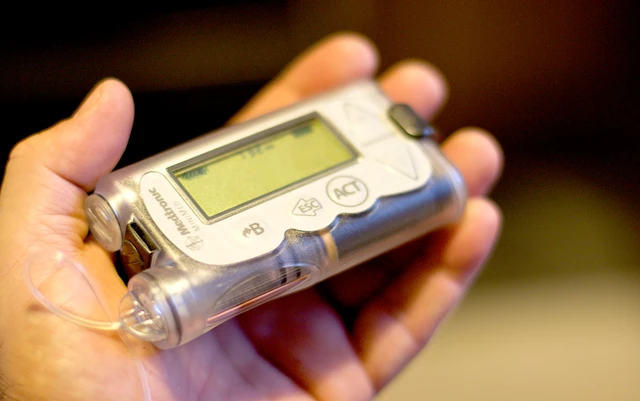
Diabetes management means keeping blood glucose in a healthy range day to day. It rests on healthy eating, physical activity and weight control, guided by tools such as the glycemic index, and on adjusting to life with diabetes. Treatment can add insulin pumps, an artificial pancreas or weight loss surgery.
Diabetes medicines

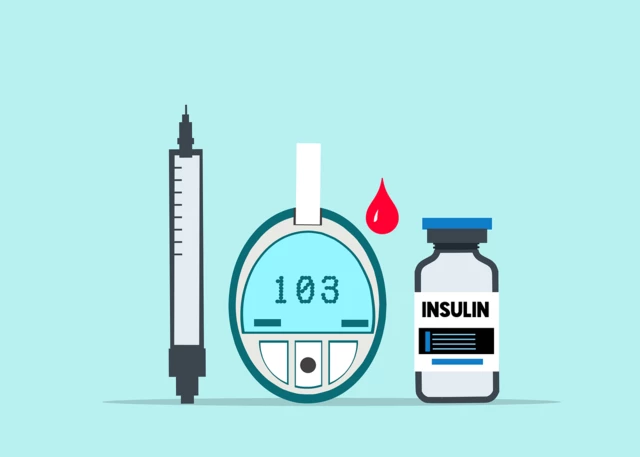
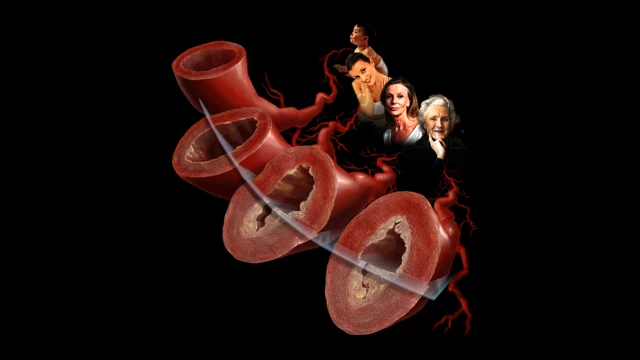
Diabetes medicines lower blood glucose in different ways, from insulin, which people with type 1 diabetes need, to medicines for type 2 diabetes such as GLP-1s, which also help with weight loss. Weight management medicines and dietary supplements taken for diabetes or weight loss are included too.

Diabetic diets

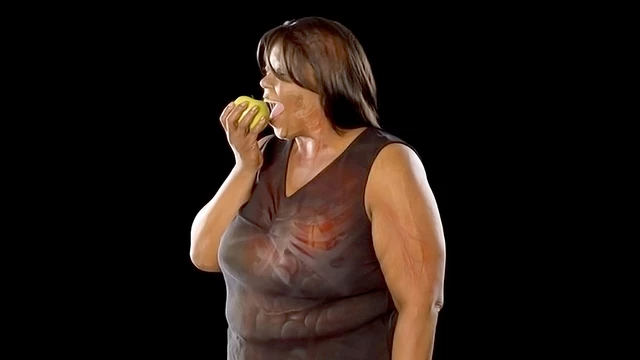
A diabetic diet balances carbohydrates, fats and proteins to keep blood glucose steady, and many eating patterns fit it. They range from the Mediterranean, vegetarian, vegan and ketogenic diets to intermittent fasting and calorie restriction, also used for weight loss, along with eating for kidney disease and dialysis.

Refined sugar, carbohydrates and glucose

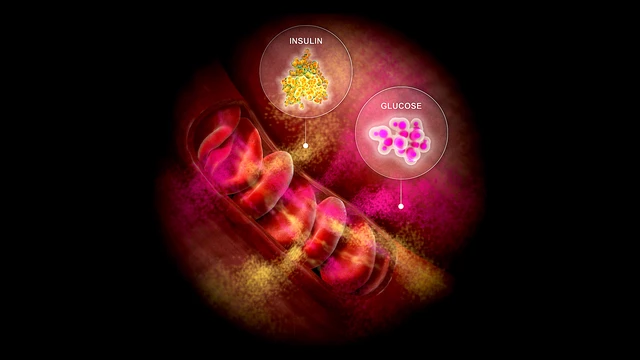
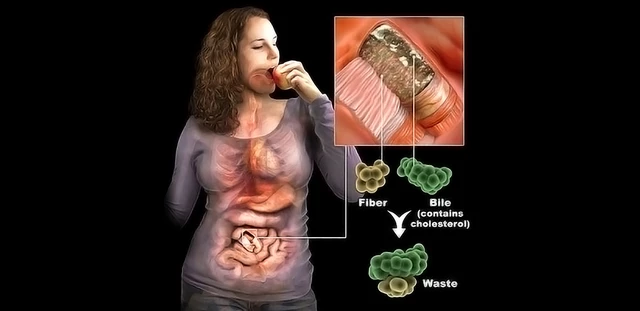
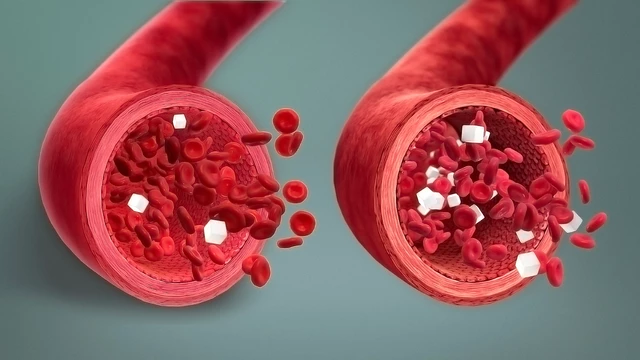
Refined sugar and other carbohydrates break down into glucose, which fuels the body. How quickly a food raises blood glucose is measured by its glycemic index and glycemic load, and fiber slows it. Added sugars and sugary drinks raise it fastest, while high-intensity sweeteners add sweetness without sugar.

Diabetes in specific populations

Diabetes affects women, men, children and teens in different ways, from type 1 diabetes in childhood to type 2 diabetes, which is more common among African Americans. Race and ethnicity can also affect A1C test results, which are used to diagnose diabetes and track blood glucose.

The library's building blocks

HealthJournals: immersive guides to health.

HealthJournals are visually immersive guides to a wide range of health and wellness topics, from diseases and conditions to treatments, procedures, anatomy, nutrition and more. Each is a carefully curated selection of videos, images, interactives and authoritative information that makes its topic easier to understand.

Your health, in one place

Make it your journey.

Bring your records into StoryMD, and follow Diabetes mellitus with a companion that knows your history.