Start your free trial

279 HealthJournals

Food groups

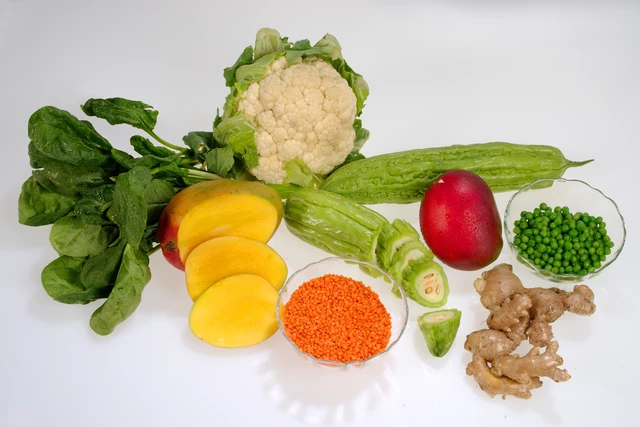
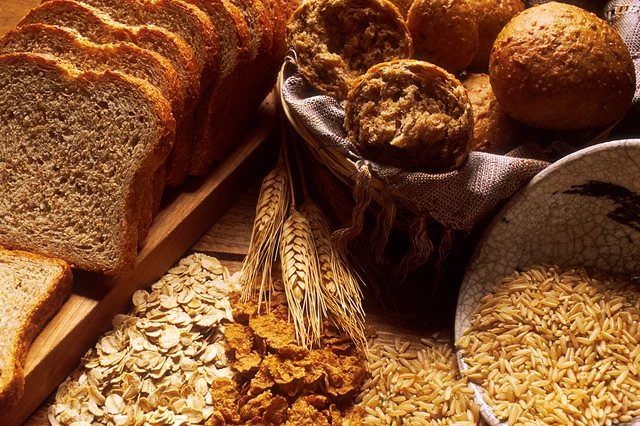
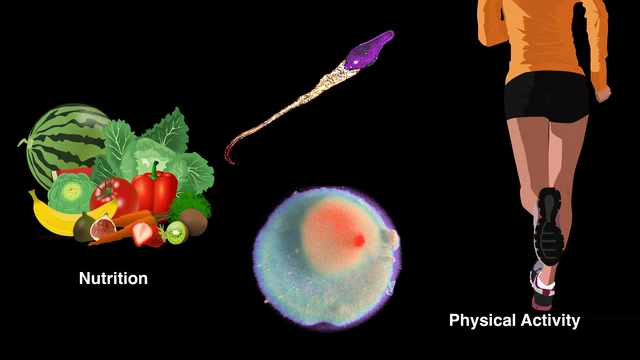
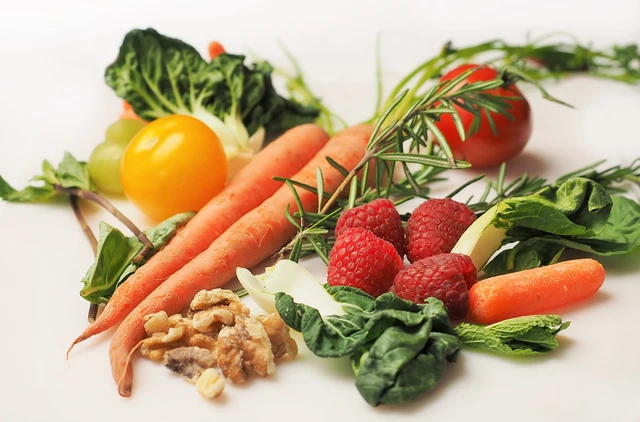
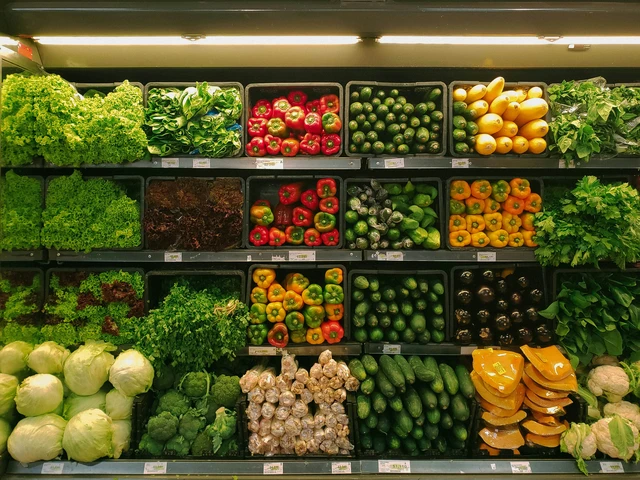
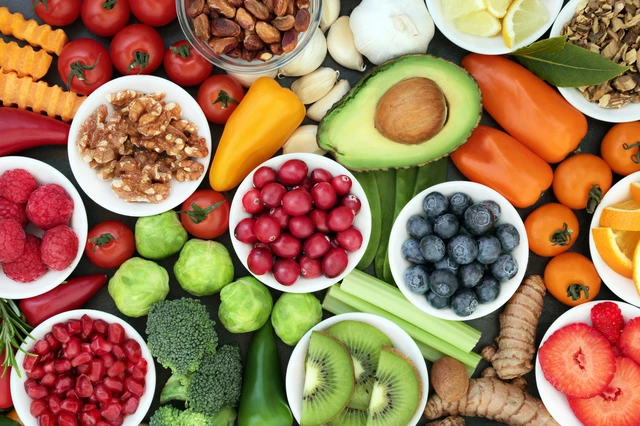
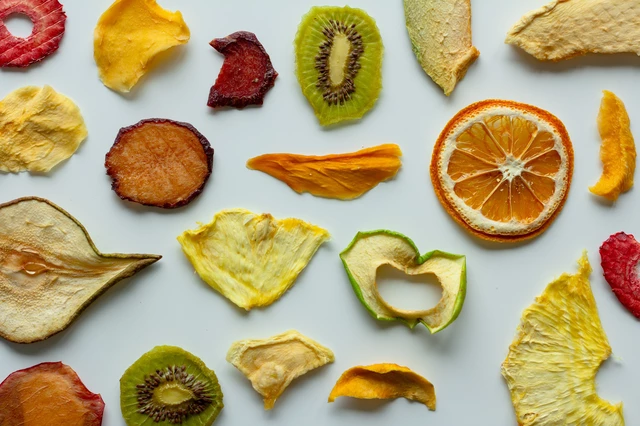
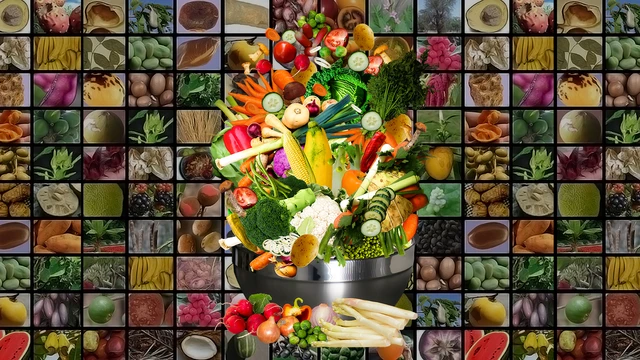
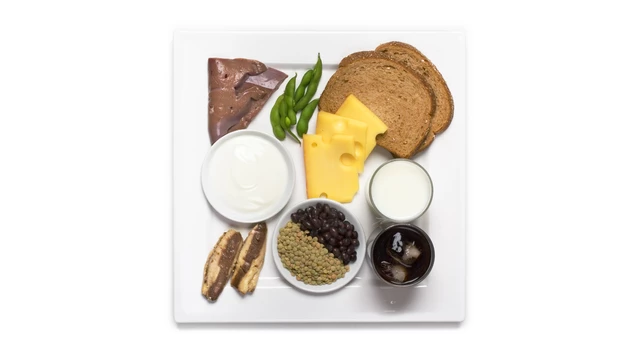
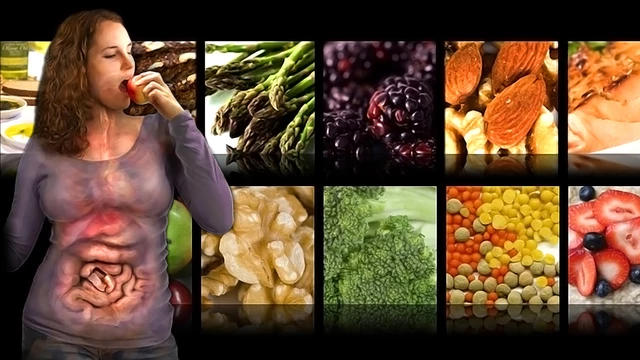
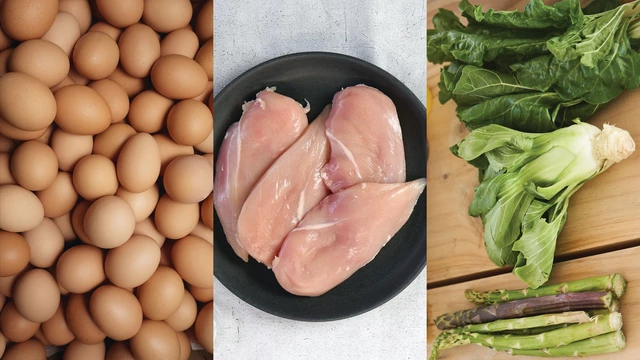
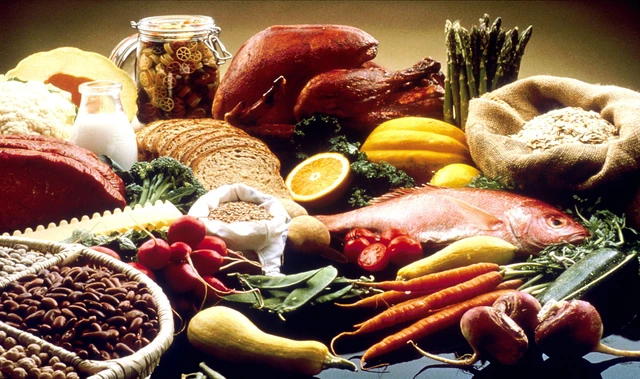
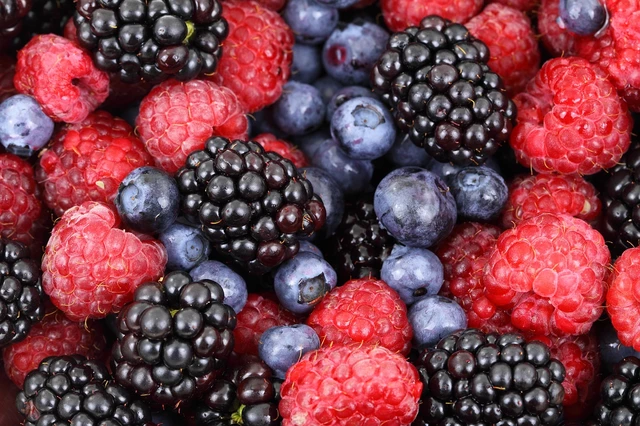
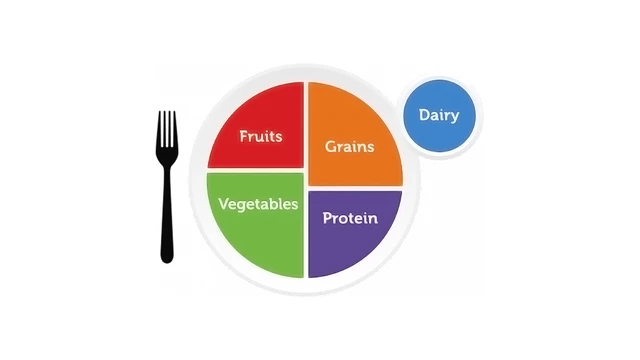
Foods fall into five groups by the nutrients they provide: vegetables, fruits, grains, dairy and protein foods. Eating from all five every day gives the body the range of nutrients that no single group provides on its own.
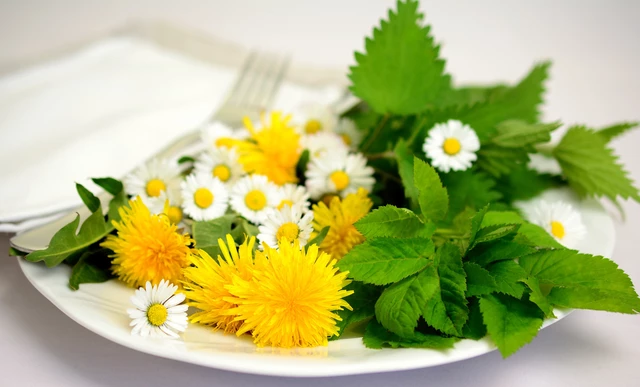
Food is medicine

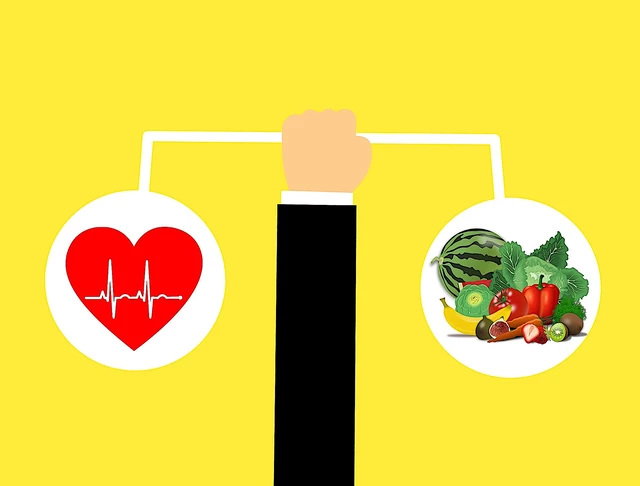
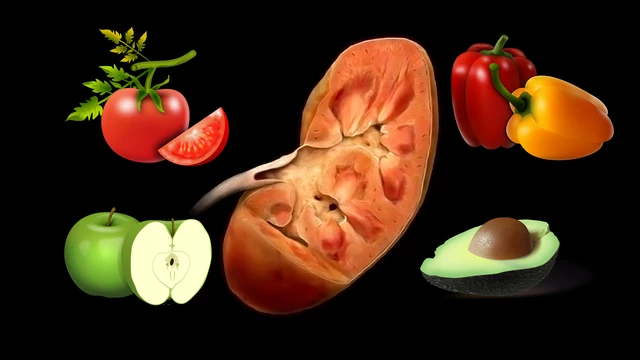
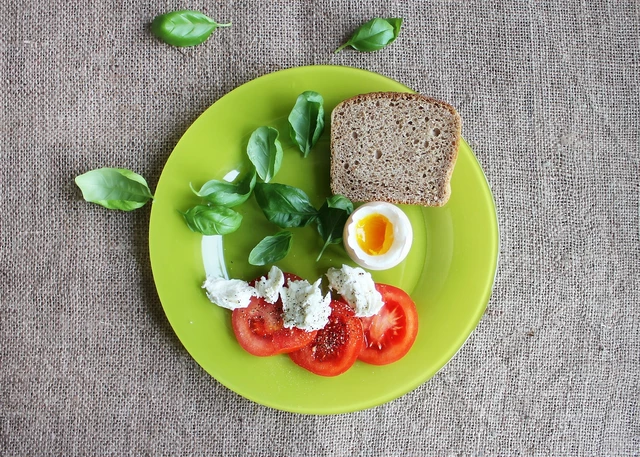
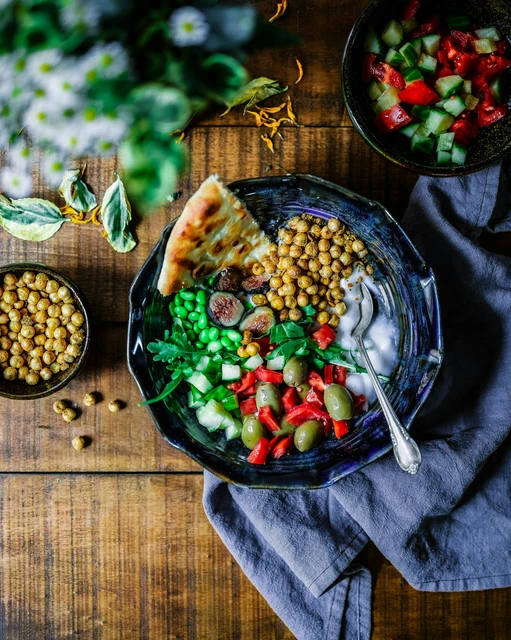
The right foods help you not only to live but to live well. Choosing foods that nourish rather than harm your body may help prevent chronic conditions and the need for certain medications in the future. Food can also be used to help treat some health conditions. Explore food as medicine.

Food allergies

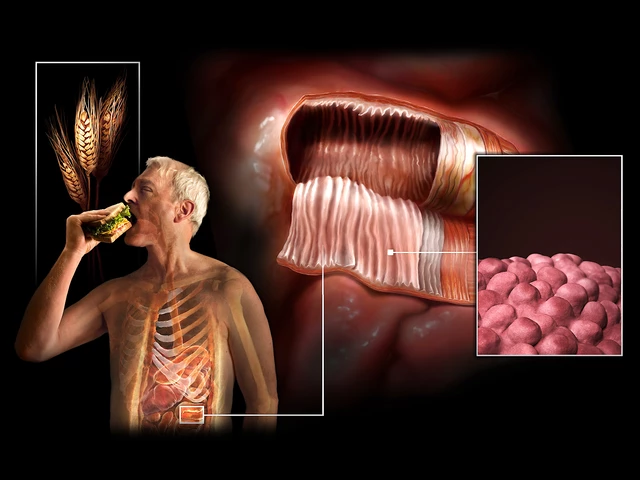
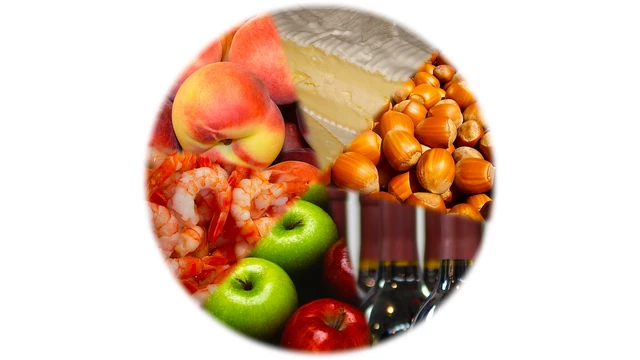
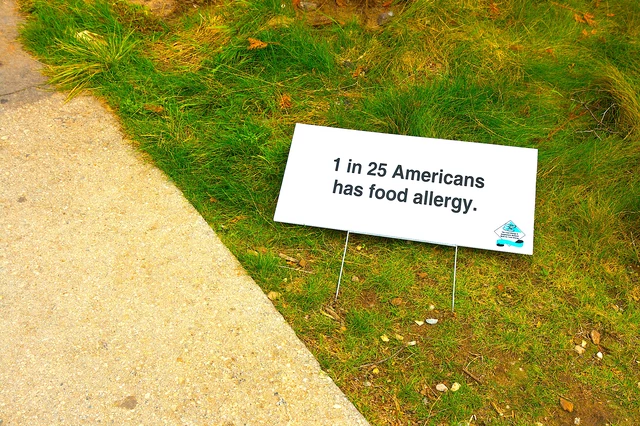
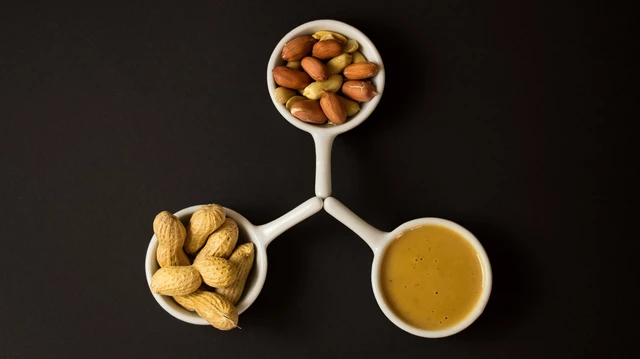
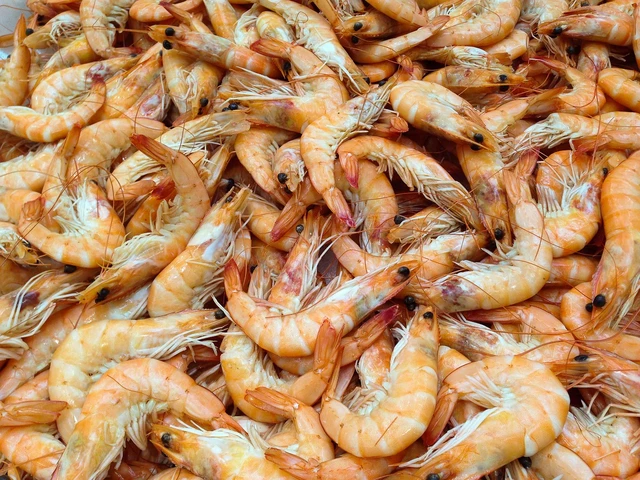
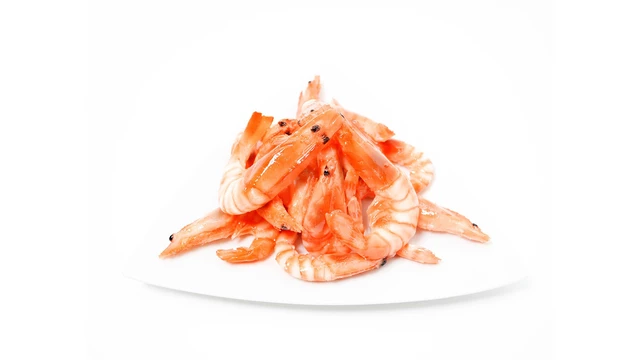
A food allergy is the immune system's reaction to a food, unlike a food intolerance, which doesn't involve the immune system. Topics include peanut, tree nut, milk and shellfish allergy and living with a food allergy, along with lactose intolerance and celiac disease.

Food poisoning and toxicity

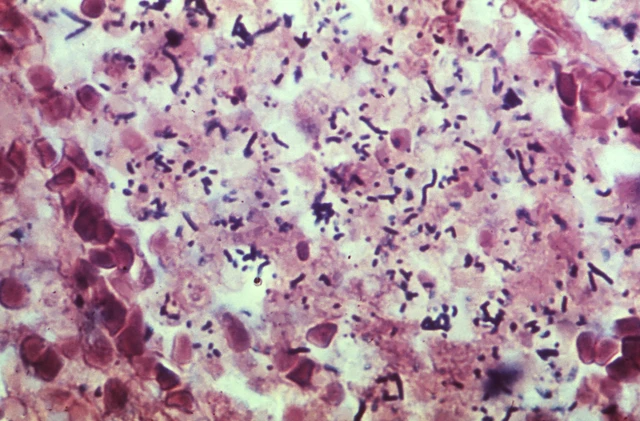
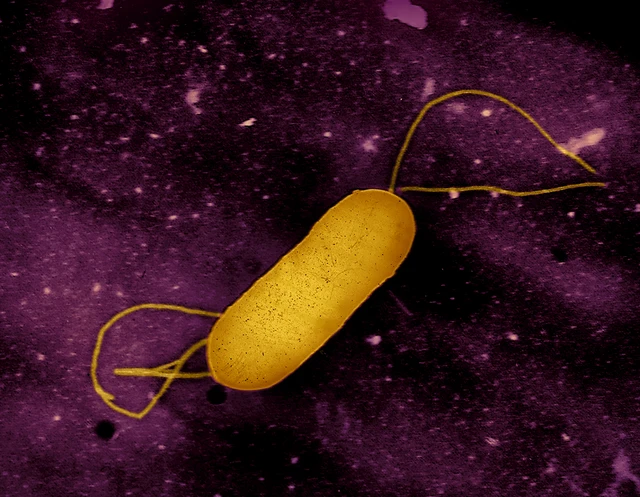
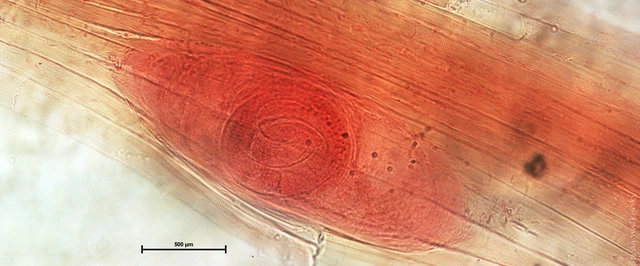
Food poisoning is illness from food contaminated with germs or toxins, and some foods carry natural toxins of their own. Topics include Salmonella and Listeria infections, toxoplasmosis, marine toxins, mushroom poisoning and food safety in pregnancy, along with how to prevent it.

Gut microbiome

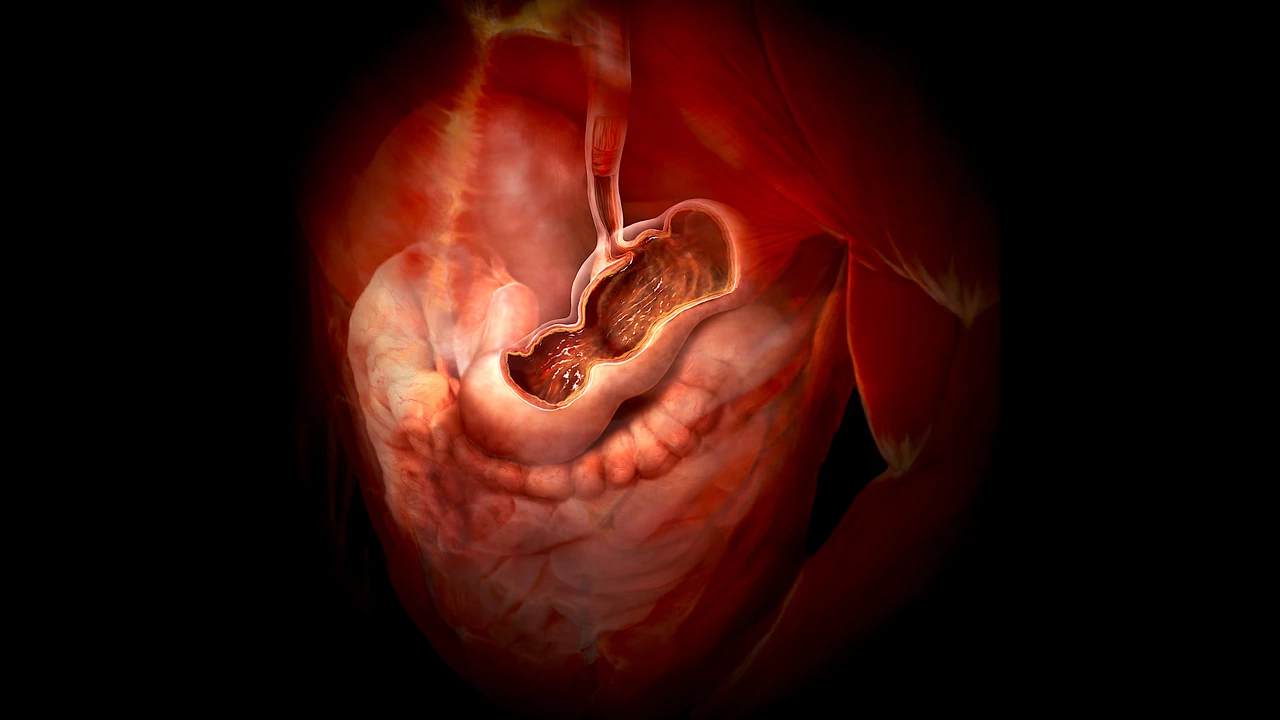
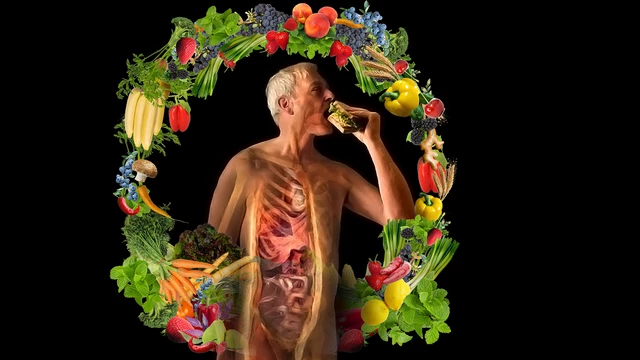
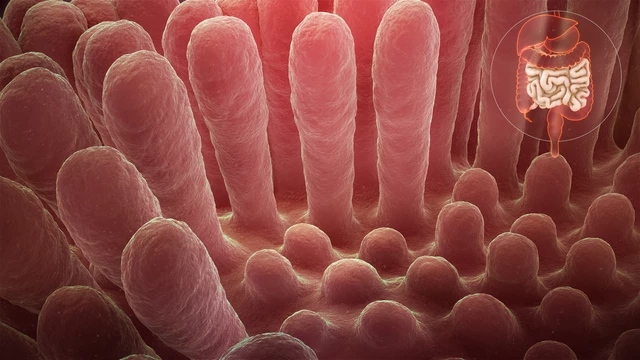
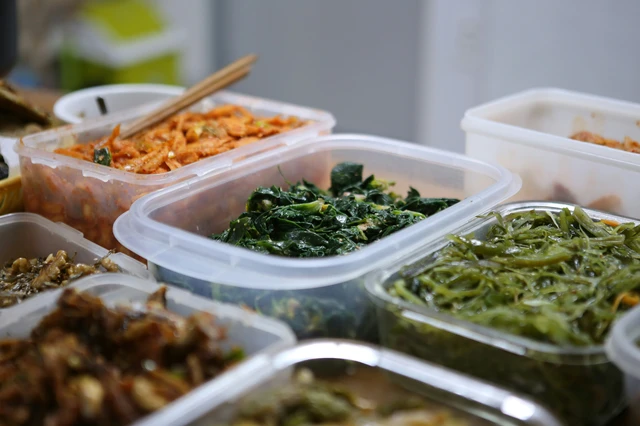
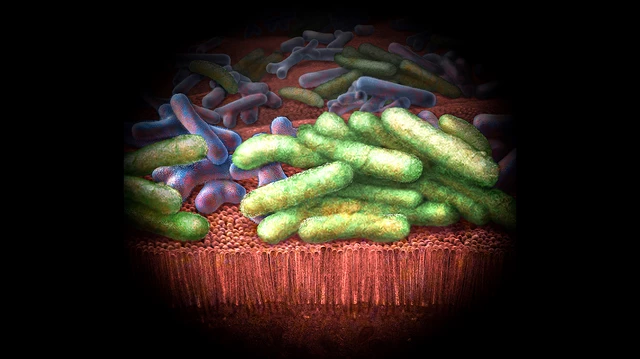
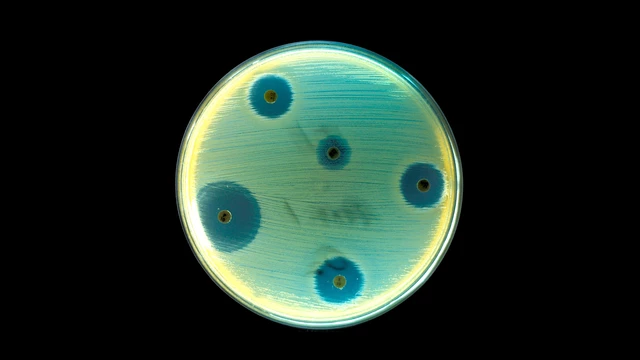
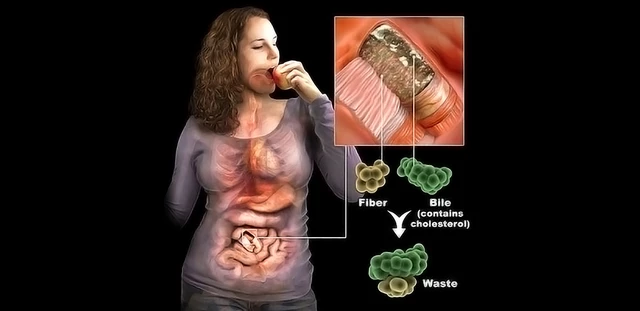
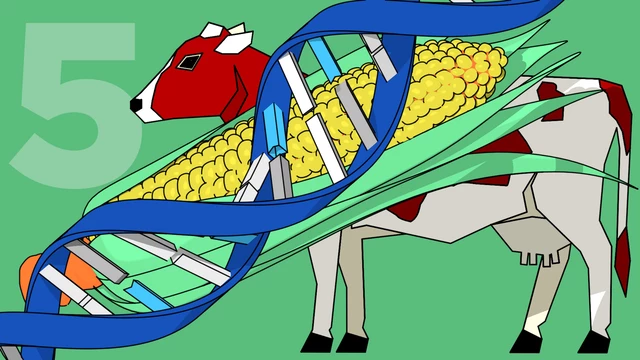
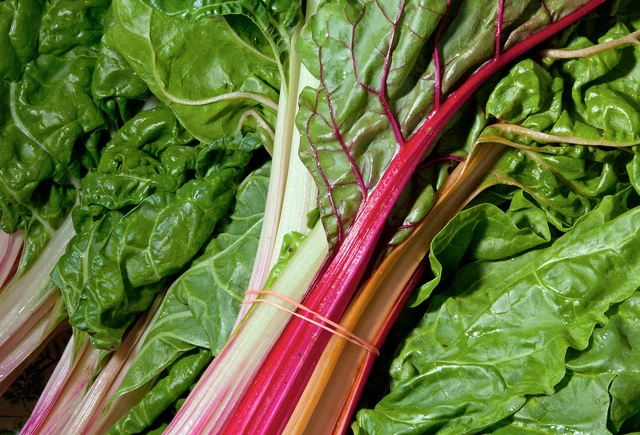
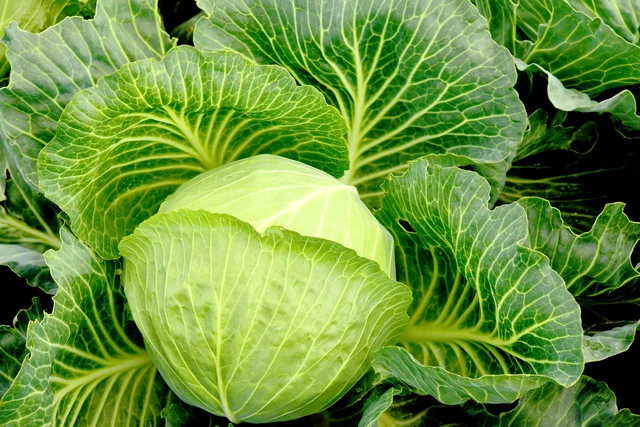
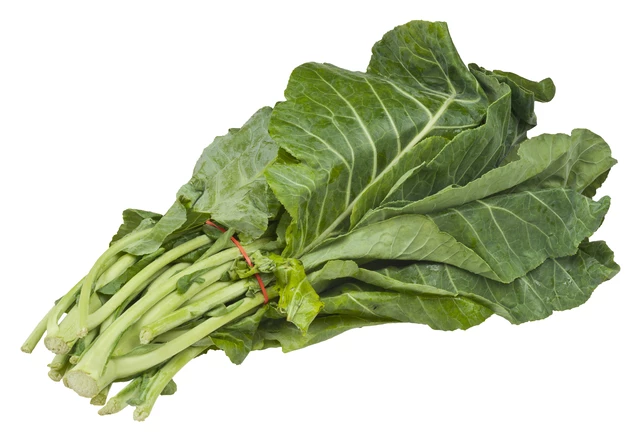
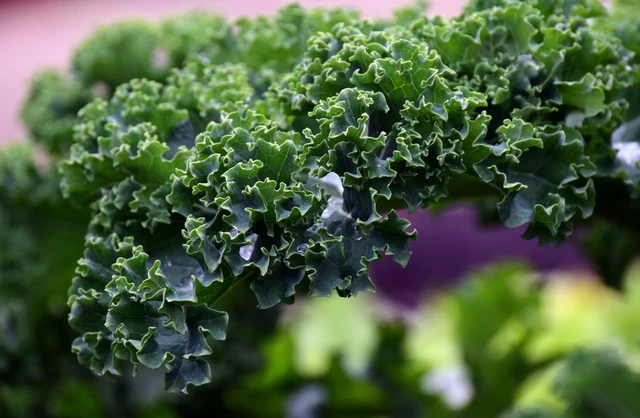
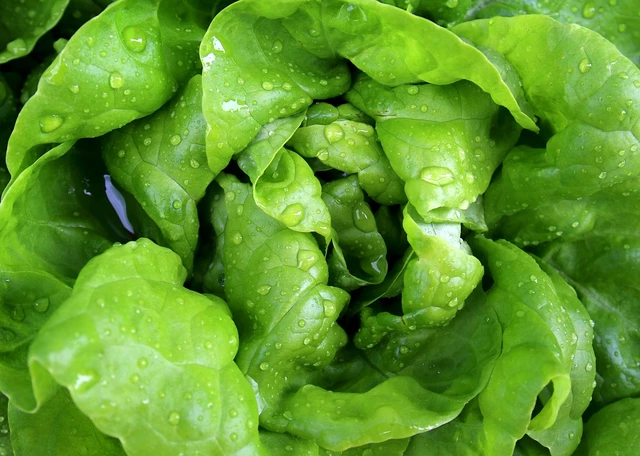
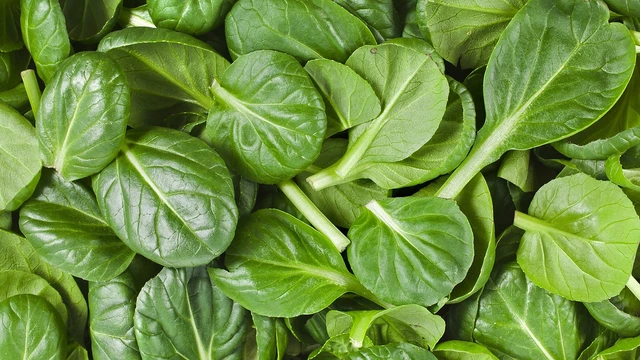
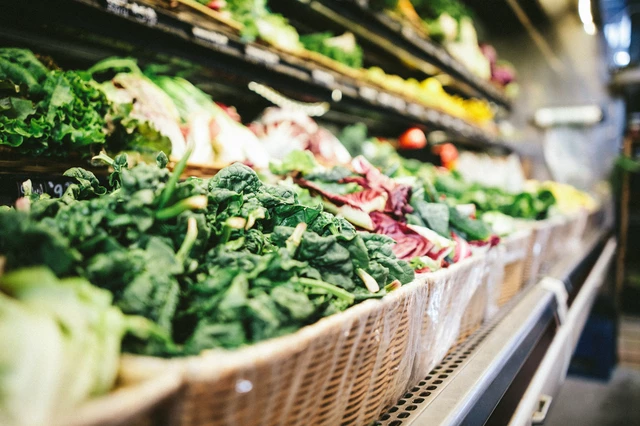
The gut microbiome is the community of bacteria and other microbes living in the digestive tract, and diet helps shape it. Topics include probiotics, dietary fiber, leafy greens, the effects of antibiotics and genetically modified (GMO) foods.

Nutrition throughout life

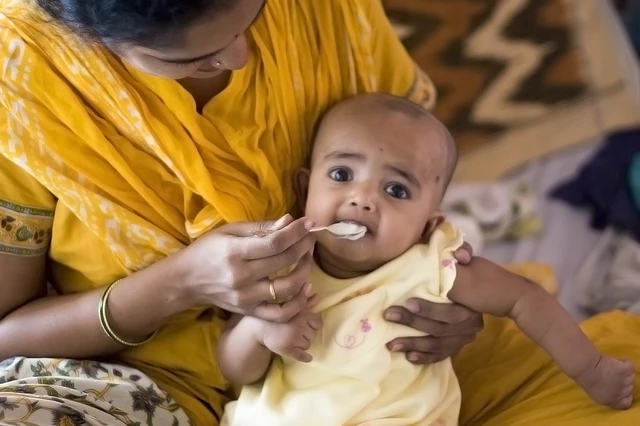
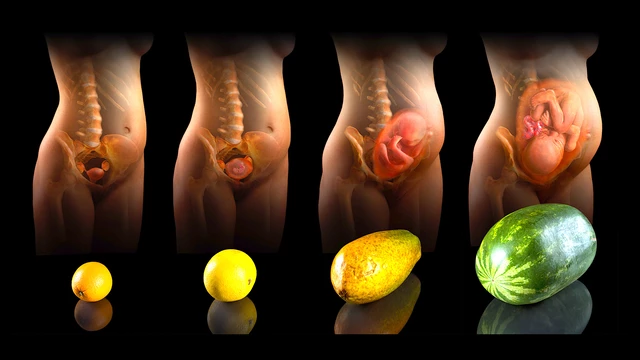
Nutrition needs change through life, from infancy and pregnancy to older age and illness. Topics include nutrition basics, infant and toddler feeding, kids and their bones, nutrition in pregnancy, malnutrition and nutrition in cancer care.

Macronutrients

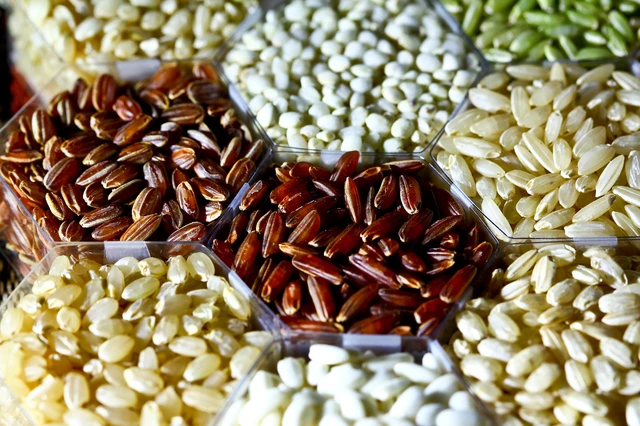
Macronutrients are the carbohydrates, proteins and fats the body needs in large amounts for energy, growth and repair. Each has its own role in nutrition and wellness, from dietary proteins and dietary fats to the carbohydrates that fuel the body.

Minerals and micronutrients

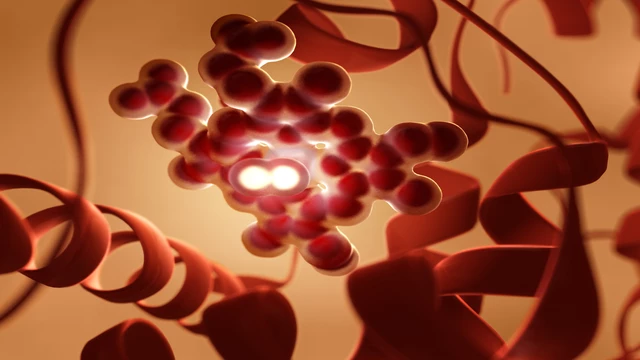
Minerals and other micronutrients are nutrients the body needs in small amounts, from major minerals such as calcium to trace elements. Topics include calcium, iron, magnesium, zinc, iodine and selenium, along with electrolytes and the needs of women and older adults.

Vitamins

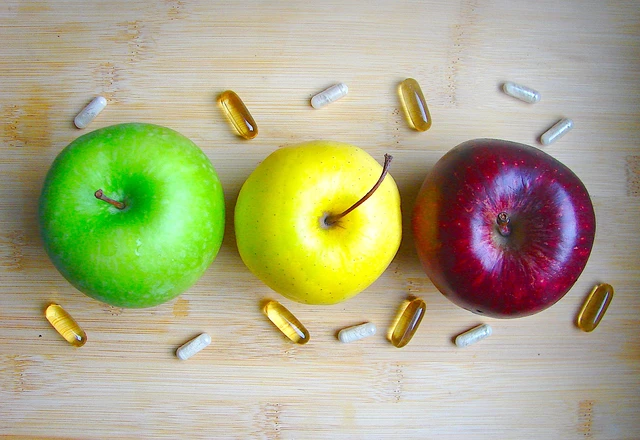
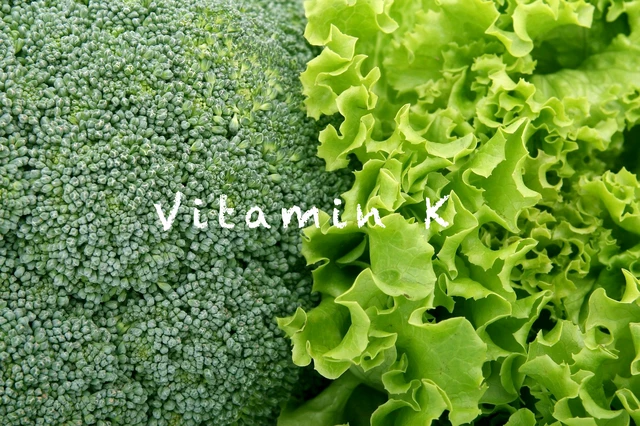
Vitamins are nutrients the body needs in small amounts to work and grow, and most come from food. They run from vitamin A to vitamin K, including the B vitamins such as folate, biotin and B12, along with the vitamins and minerals women and older adults need.

Nutritional deficiencies

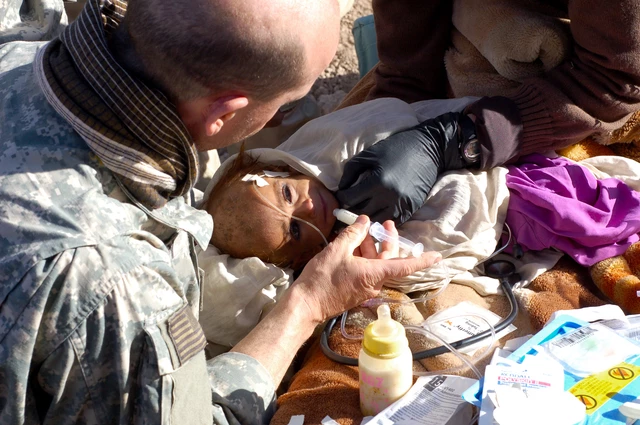
A nutritional deficiency happens when the body doesn't get or absorb enough of a nutrient, and some lead to disease. Examples include scurvy, vitamin B and D deficiency, vitamin K deficiency bleeding in newborns, iron-deficiency anemia and malnutrition.

Sugars and sweeteners

Sugars are carbohydrates found naturally in food or added to it, and sweeteners replace them with few or no calories. Topics include added sugars, soft drinks and other sugary drinks, high-intensity sweeteners, carbohydrates and the glycemic index and glycemic load.

Healthy eating

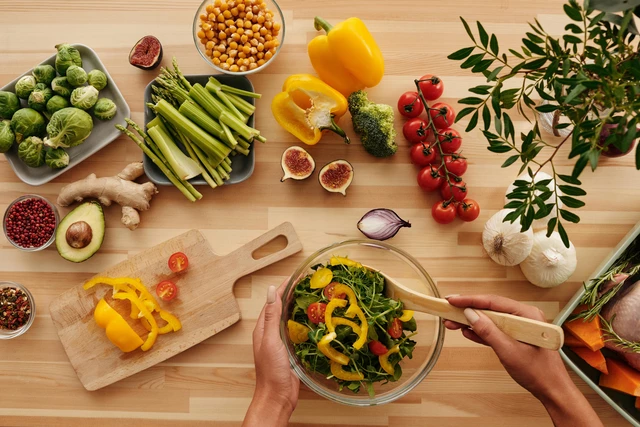
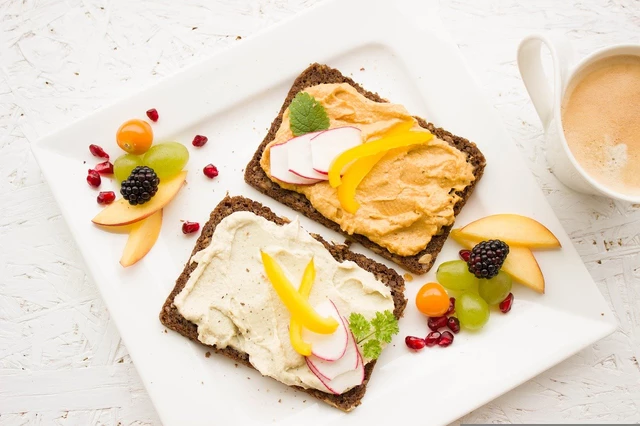
Healthy eating means a varied diet in sensible portions, with needs that change from infancy to older age. Topics include healthy eating for infants, toddlers, kids, women and older adults, heart-healthy foods, food portions and the dietary guidelines.

Water and hydration

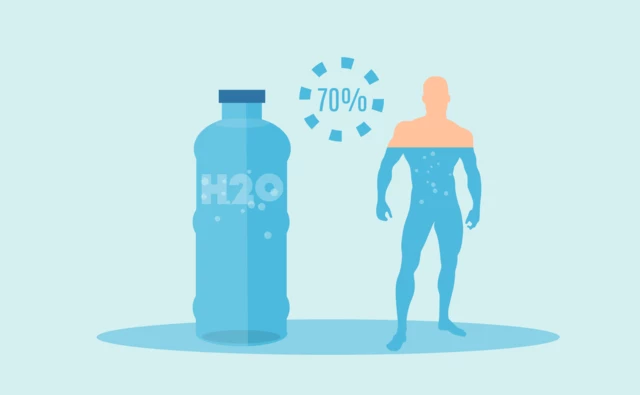
Water is essential to every part of the body, and losing more of it than is taken in leads to dehydration. Topics include water's role in nutrition and wellness, hydration, drinking water safety and the signs and risks of dehydration.

The library's building blocks

HealthJournals: immersive guides to health.

HealthJournals are visually immersive guides to a wide range of health and wellness topics, from diseases and conditions to treatments, procedures, anatomy, nutrition and more. Each is a carefully curated selection of videos, images, interactives and authoritative information that makes its topic easier to understand.

Your health, in one place

Make it your journey.

Bring your records into StoryMD, and follow Food is medicine with a companion that knows your history.