Start your free trial

152 HealthJournals

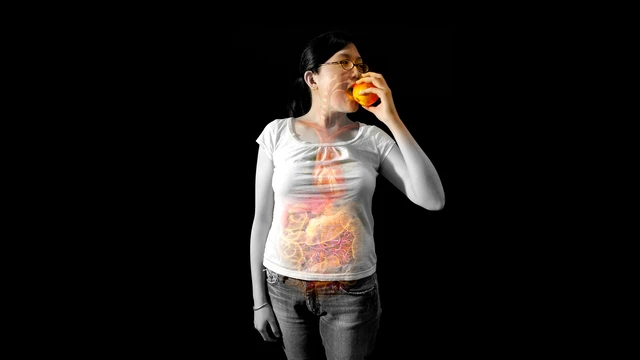
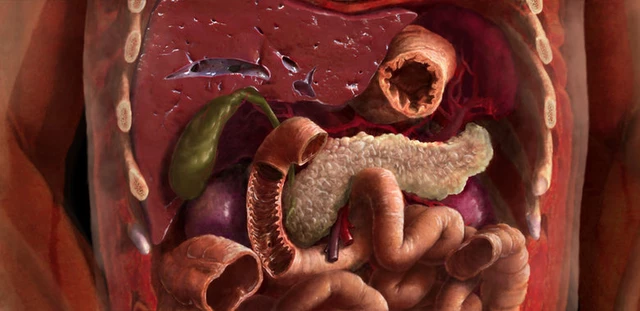
Digestive system anatomy

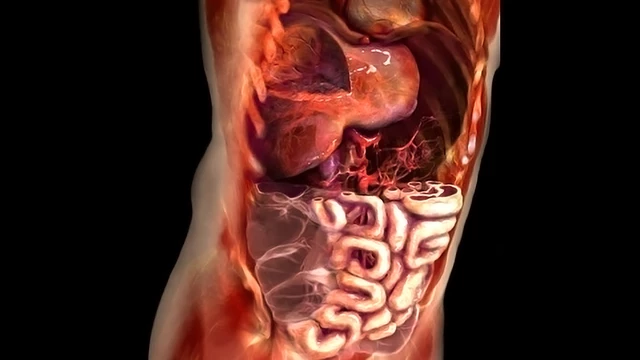
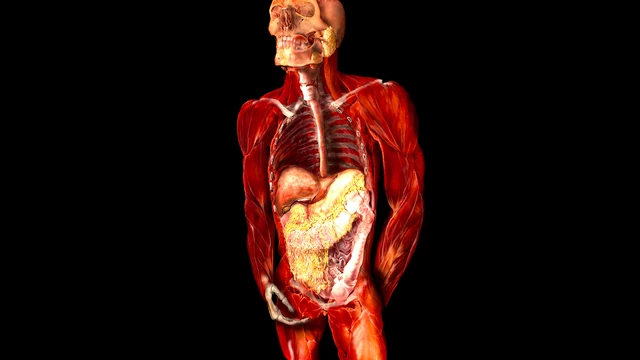
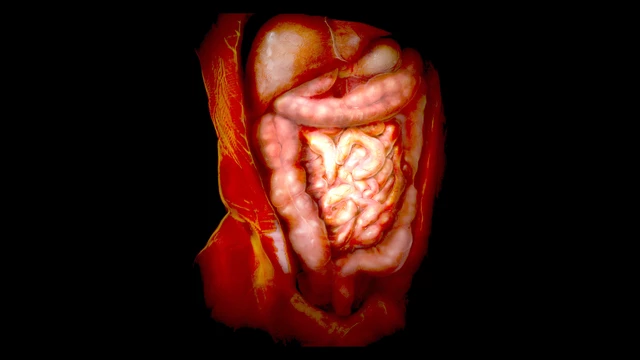
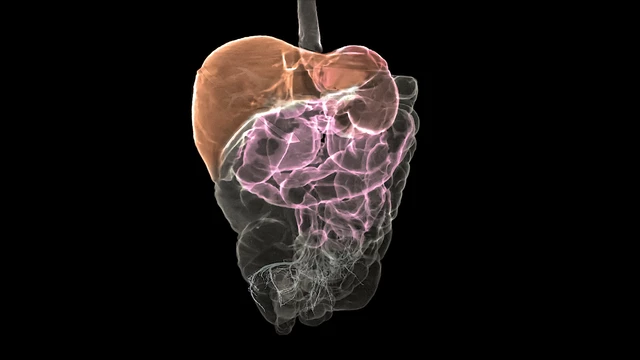
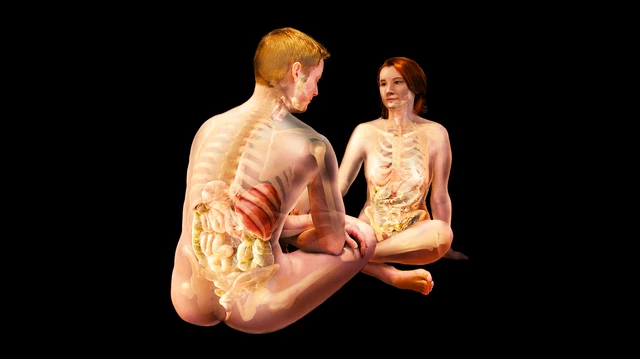
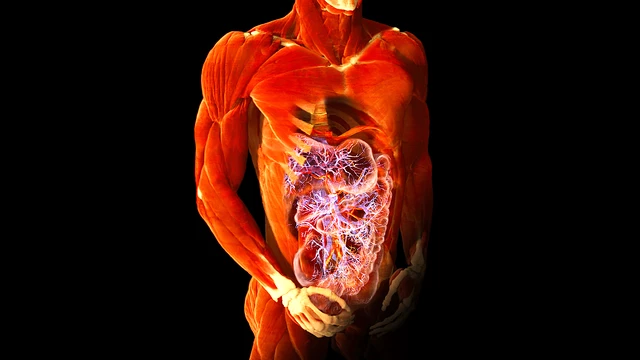
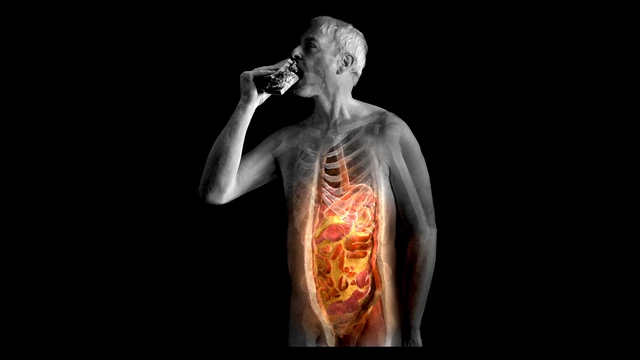
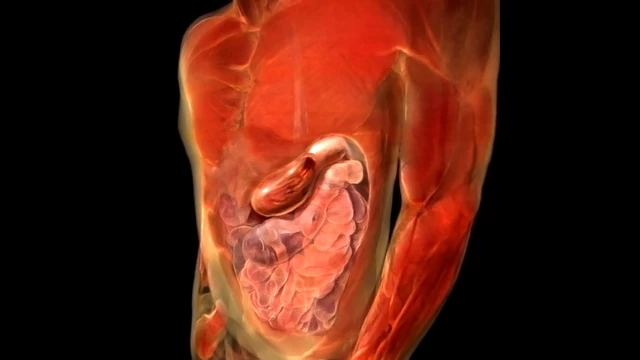
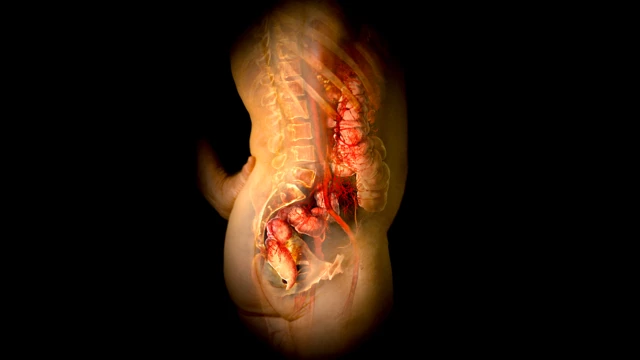
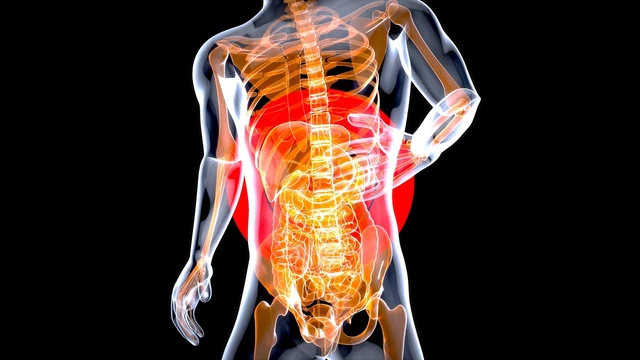
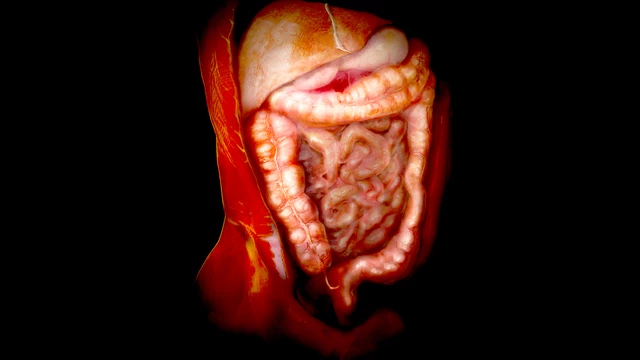
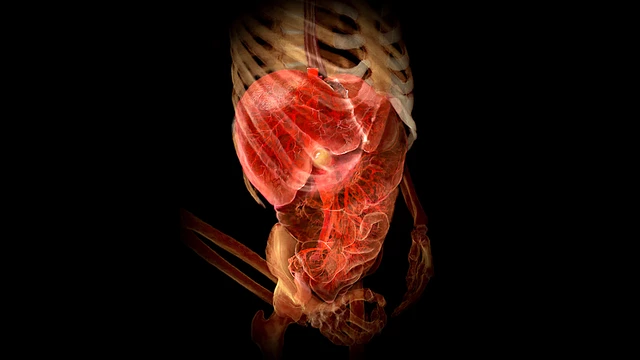
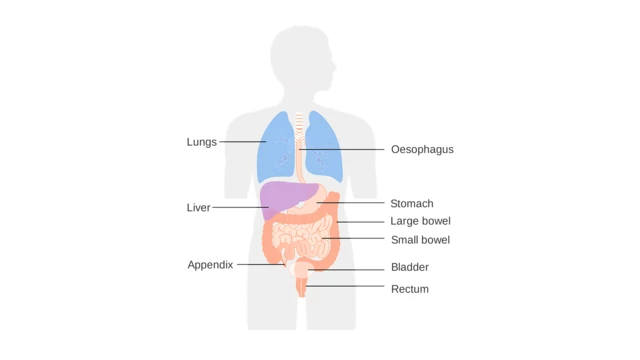
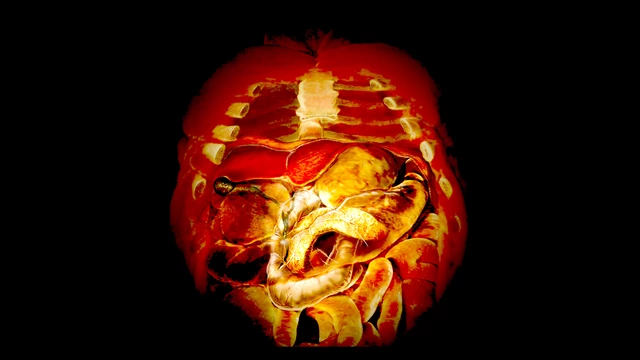
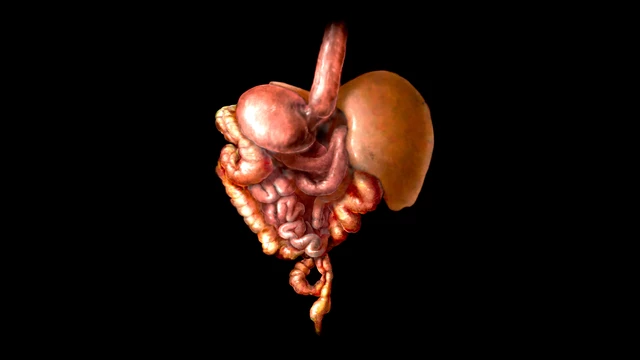
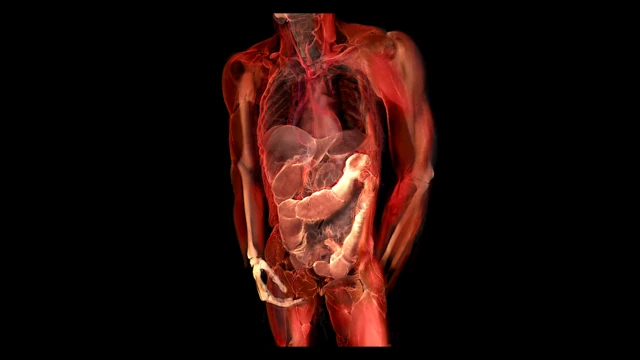
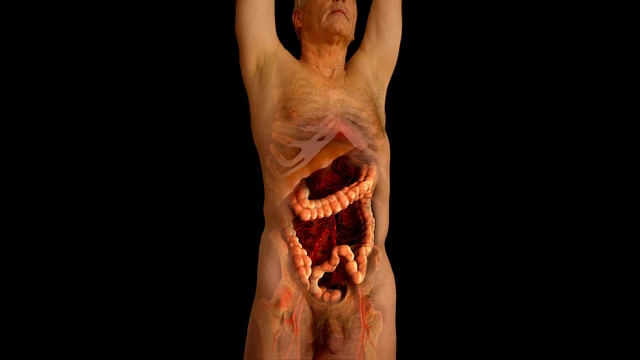
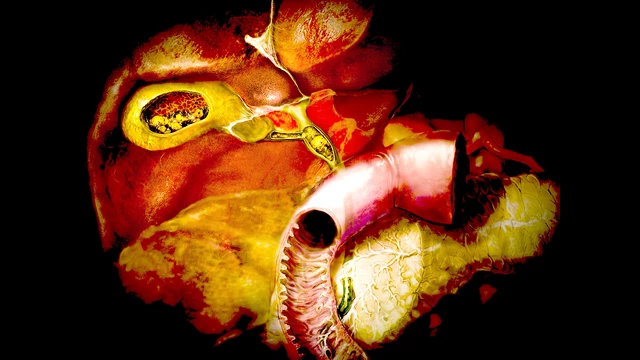
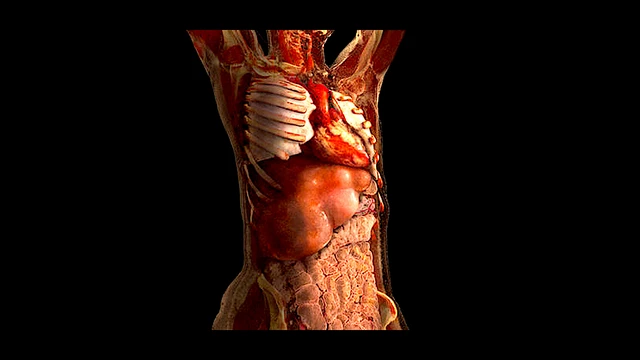
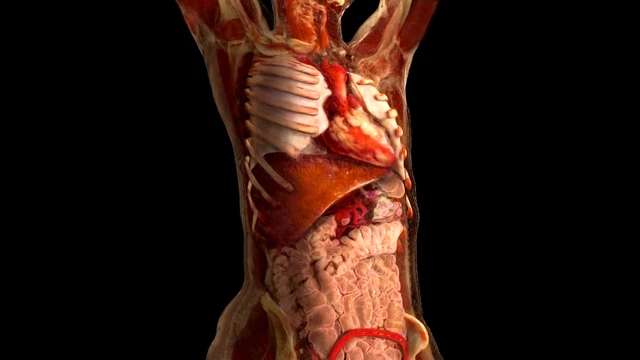
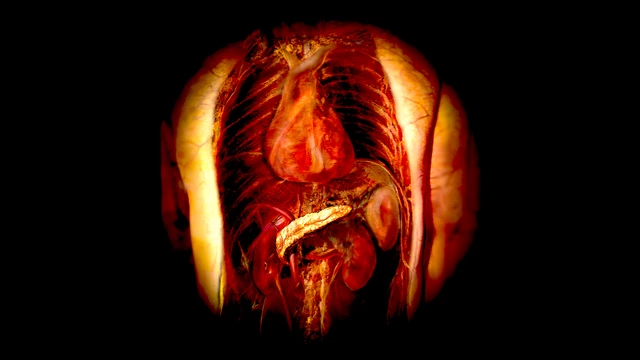
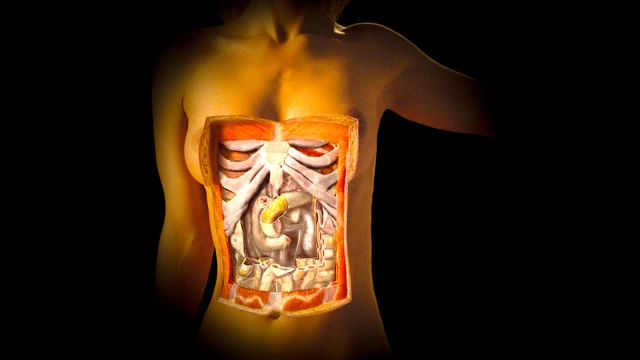
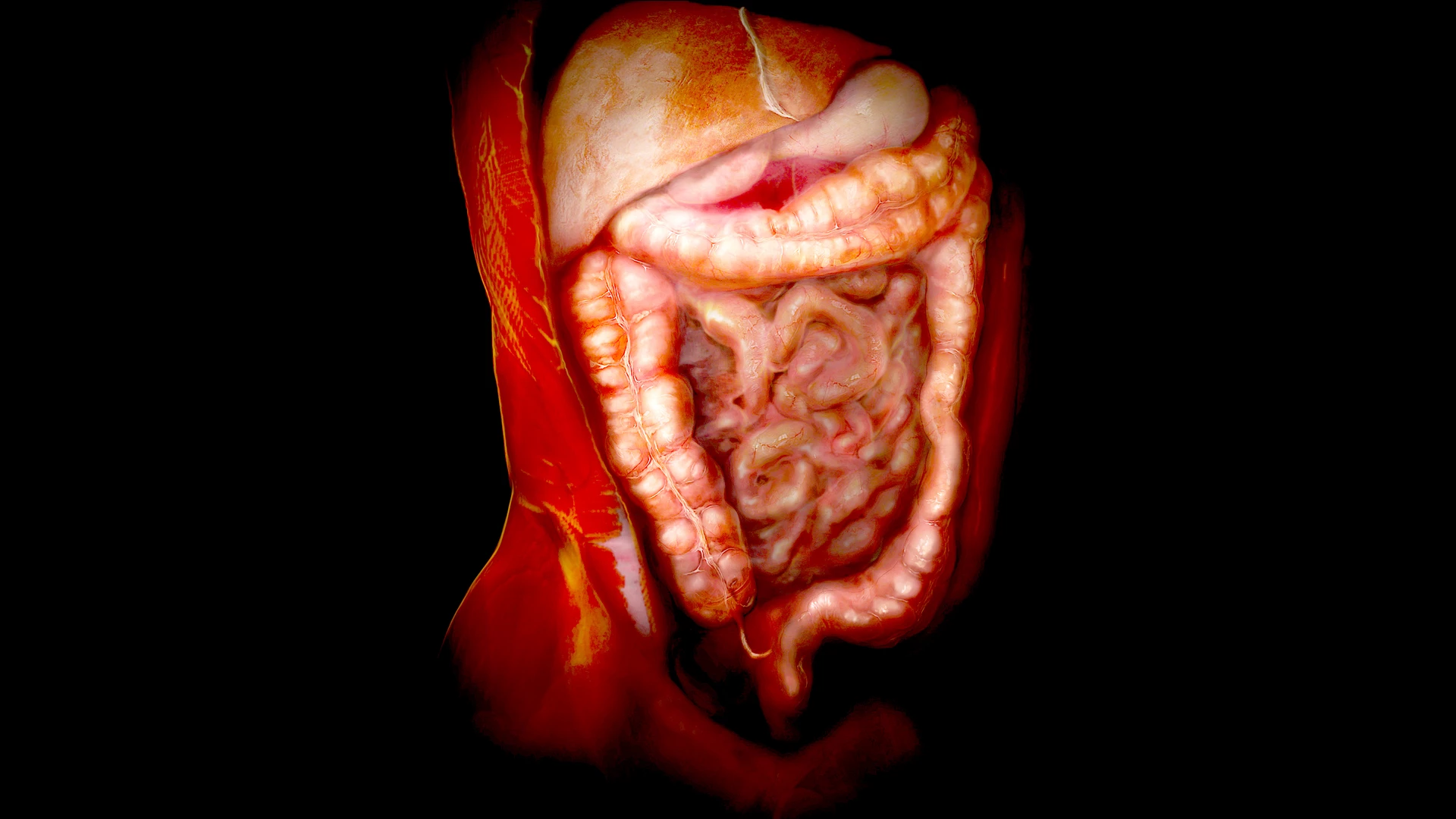
The digestive system is made up of the gastrointestinal tract (GI), liver, pancreas, and gallbladder and helps the body digest food. Digestion is important for breaking down food into nutrients, which your body uses for energy, growth, and cell repair. Learn more about how the digestive system works.

Digestive diseases and disorders

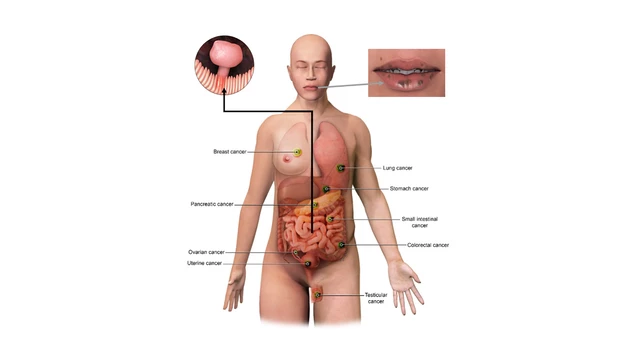
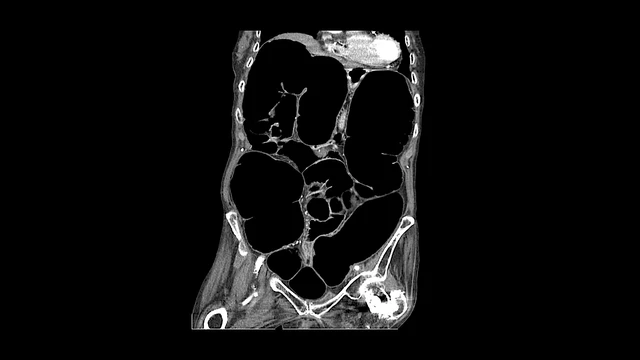
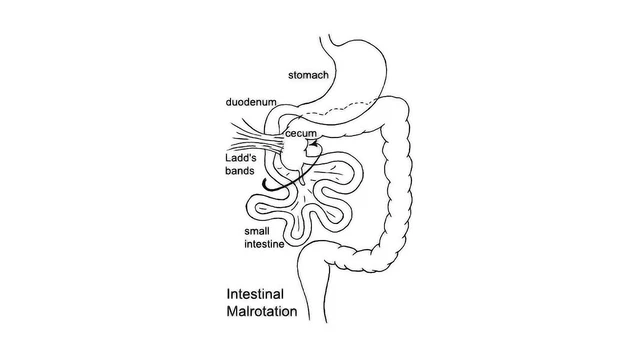
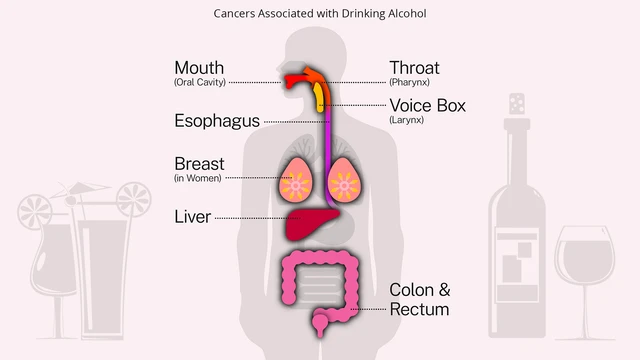
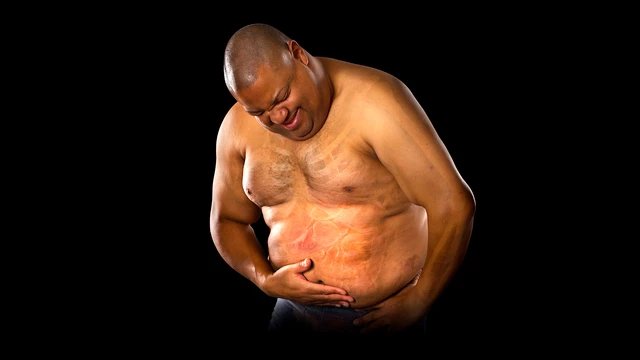
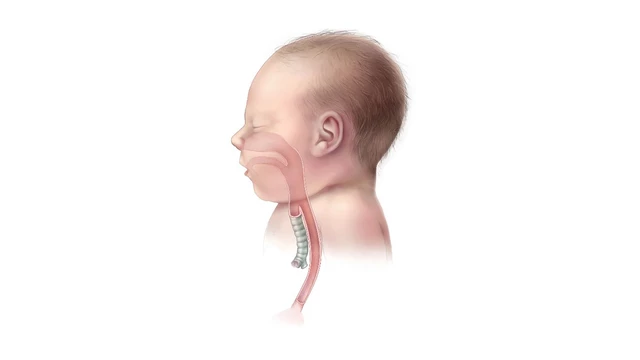
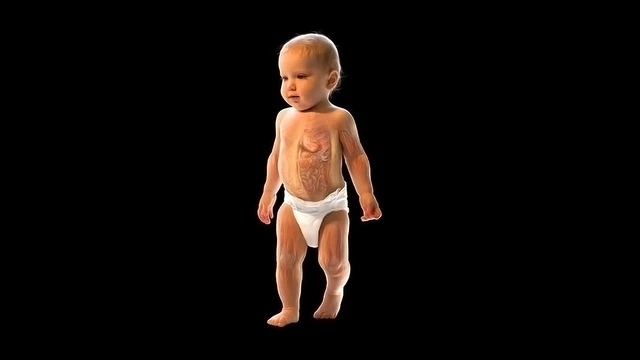
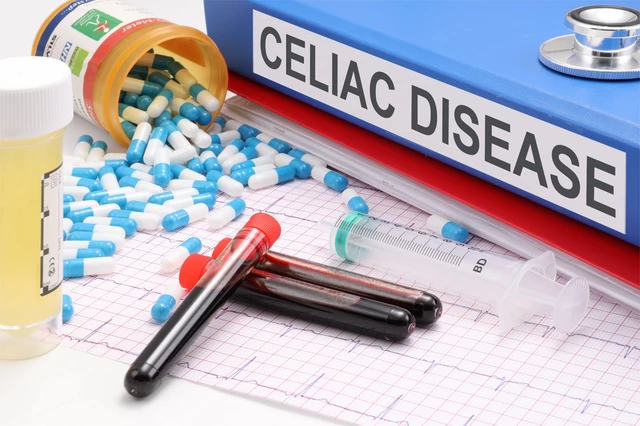
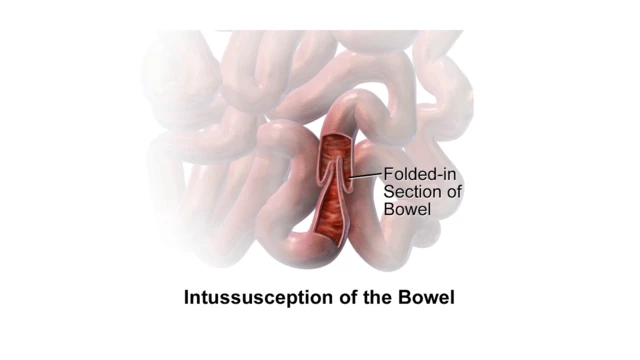
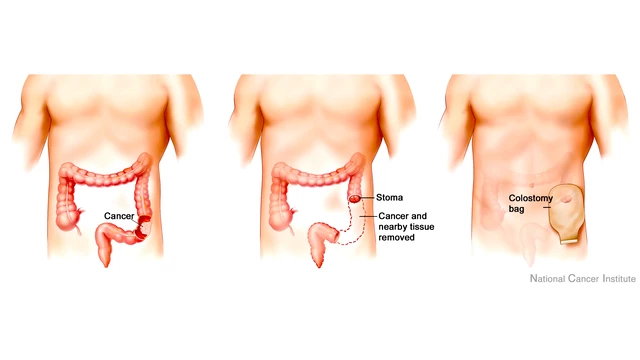
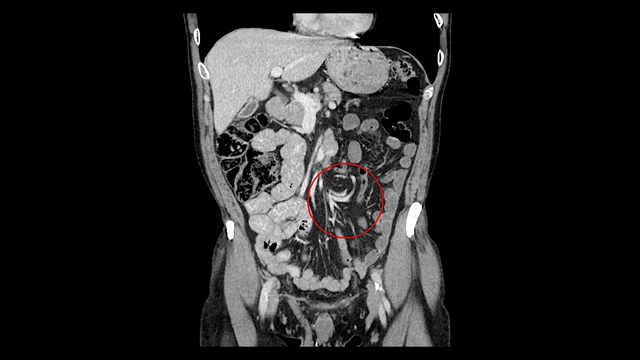
Digestive diseases affect the gastrointestinal (GI) tract, from the esophagus to the colon, and the organs that help it digest food. They range from constipation, lactose intolerance and celiac disease to GI bleeding and cancers of the esophagus, stomach, colon, liver and pancreas. Some affect infants, such as reflux and colic, or come with pregnancy.

Digestive system tests

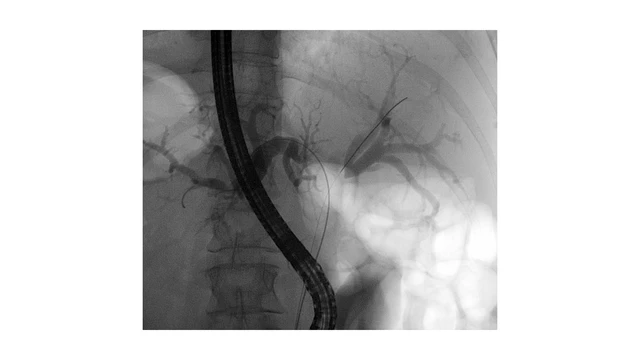
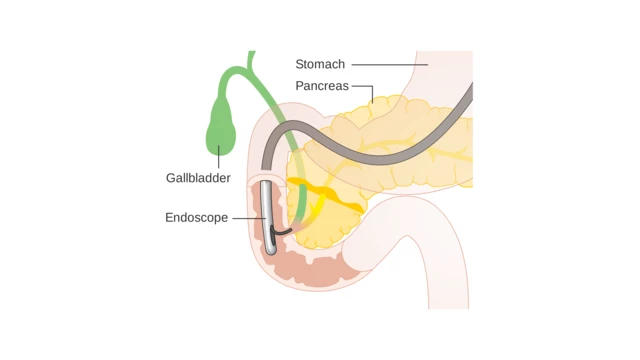
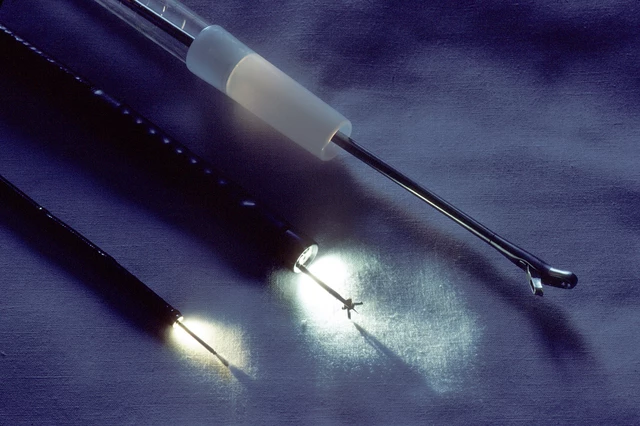
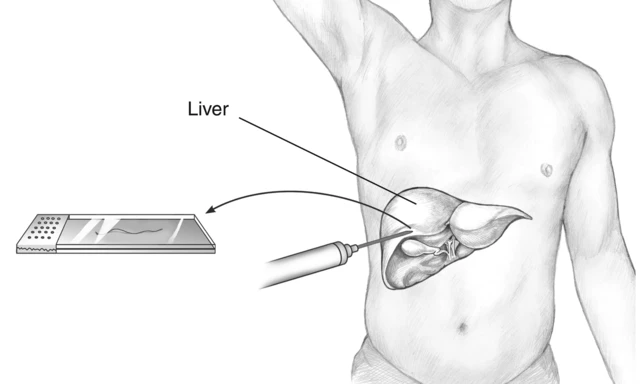
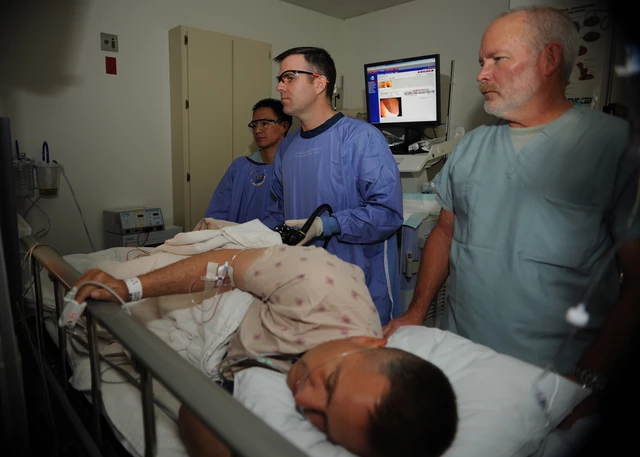
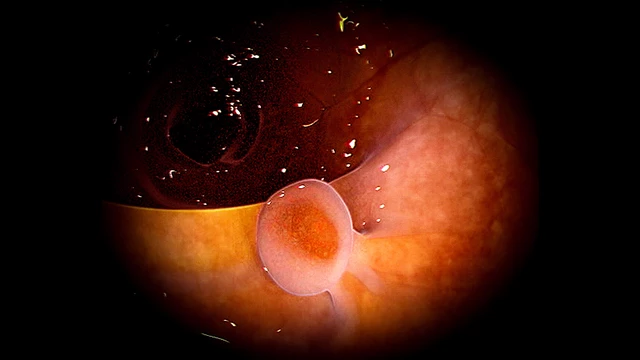
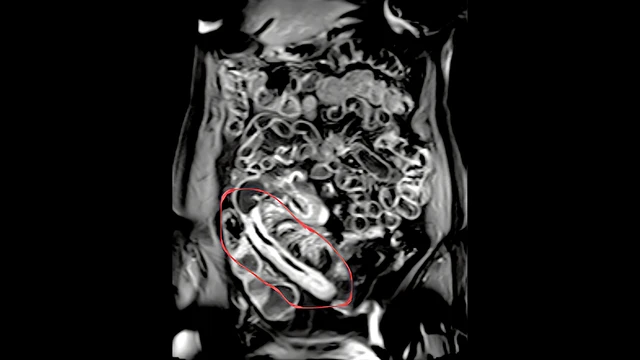
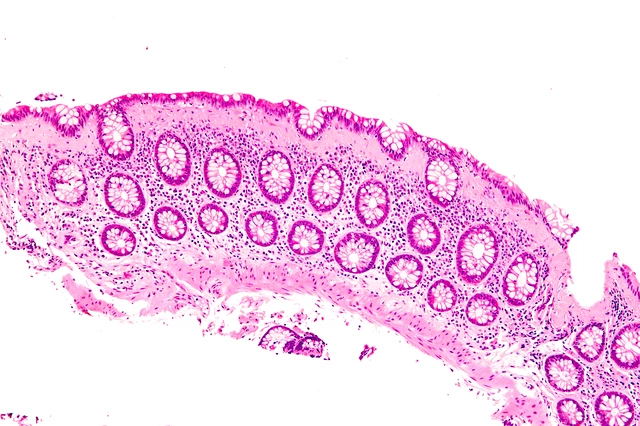
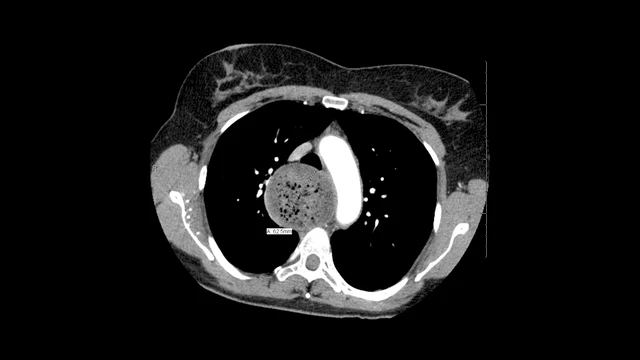
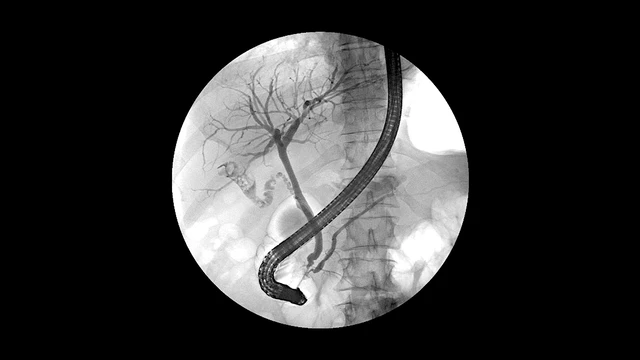
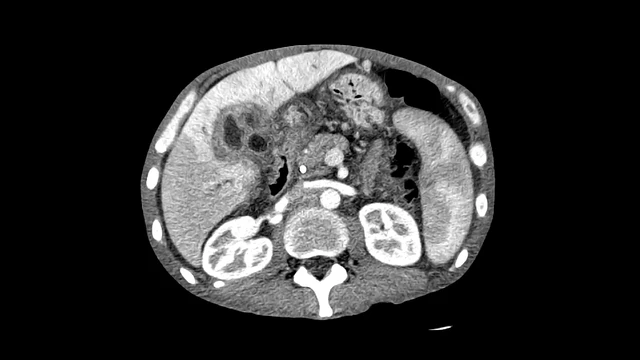
Digestive system tests look inside the GI tract and its organs to screen for disease or explain symptoms. They include colonoscopy, endoscopy, ERCP and liver biopsy, along with screening for colorectal and liver cancer and the tests that diagnose celiac disease.

Anus and rectum diseases and disorders

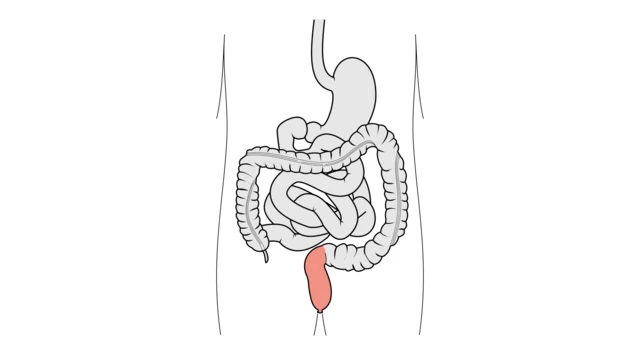
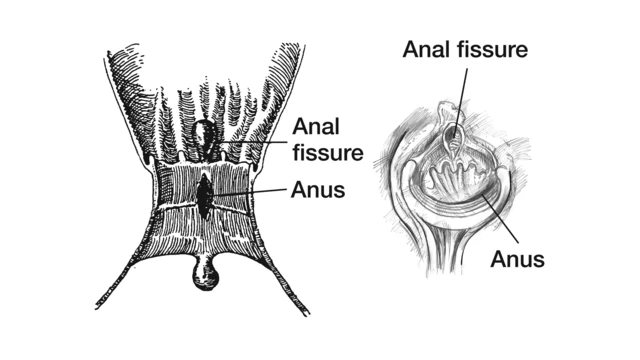
The rectum is the lower part of your large intestine. Common problems include hemorrhoids, abscesses, incontinence and cancer. The anus is the opening of the rectum through which stool passes out of your body. Anal disorders include hemorrhoids, fistulas, and abscesses.

Appendix and colon diseases and disorders

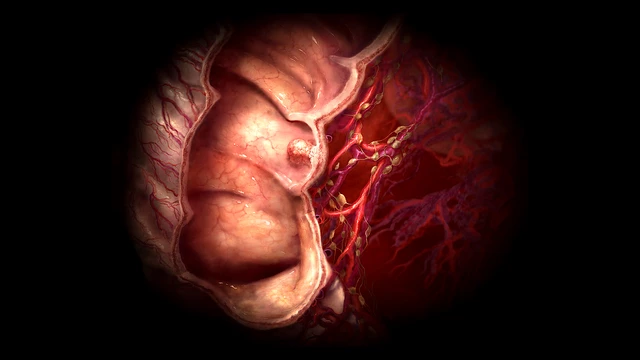
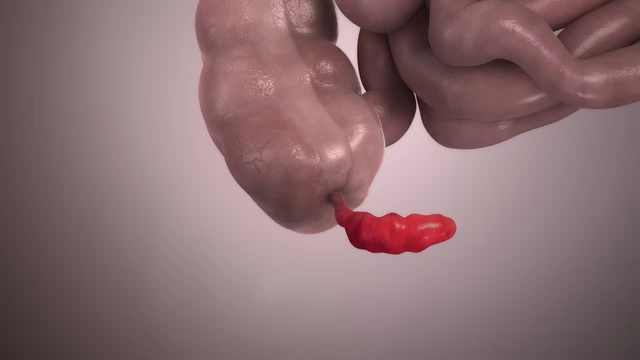
The colon, or large intestine, functions to extract water, salts, and nutrients from partially digested food and to propel the remaining contents to the rectum for expulsion as feces. The appendix is a small, tube-like organ attached to the first part of the large intestine. Learn about conditions like colonic polyps and appendicitis.

Esophagus diseases and disorders

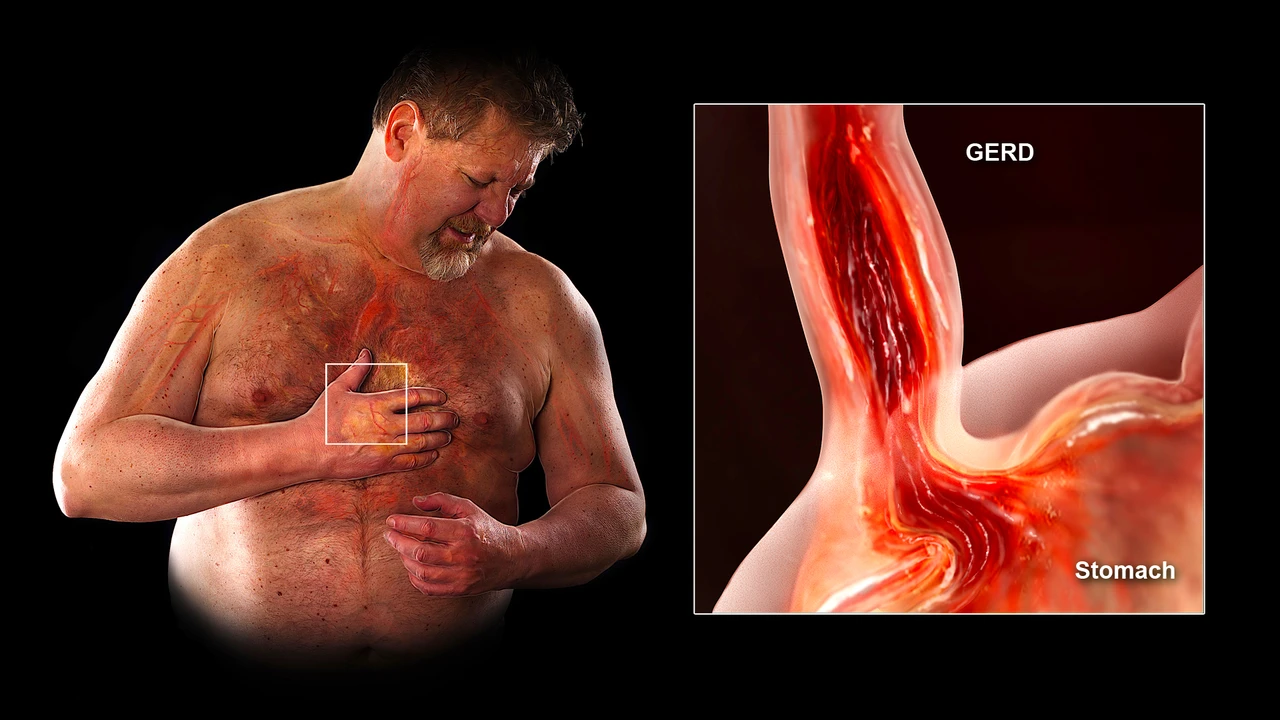
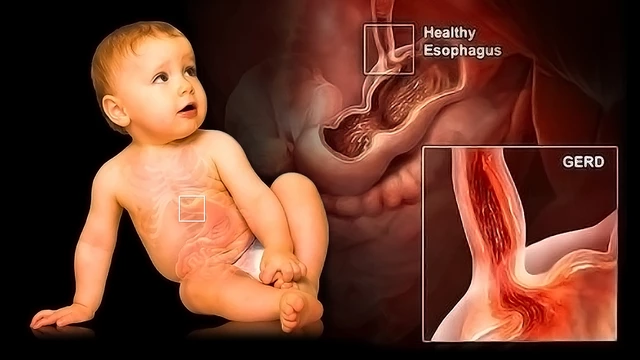
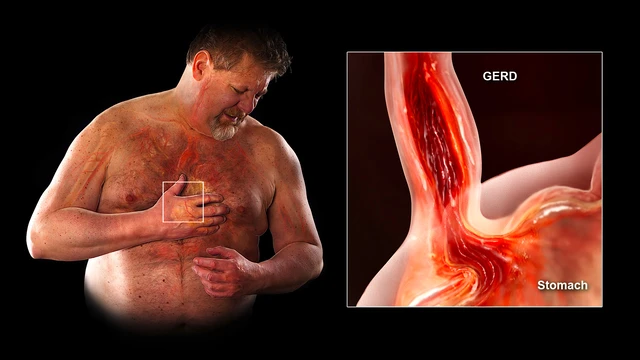
The esophagus is a muscular tube that carries food and liquids from your throat to your stomach. The most common esophagus problem is Gastroesophageal Reflux Disease (GERD).

Gallbladder and bile duct diseases and disorders

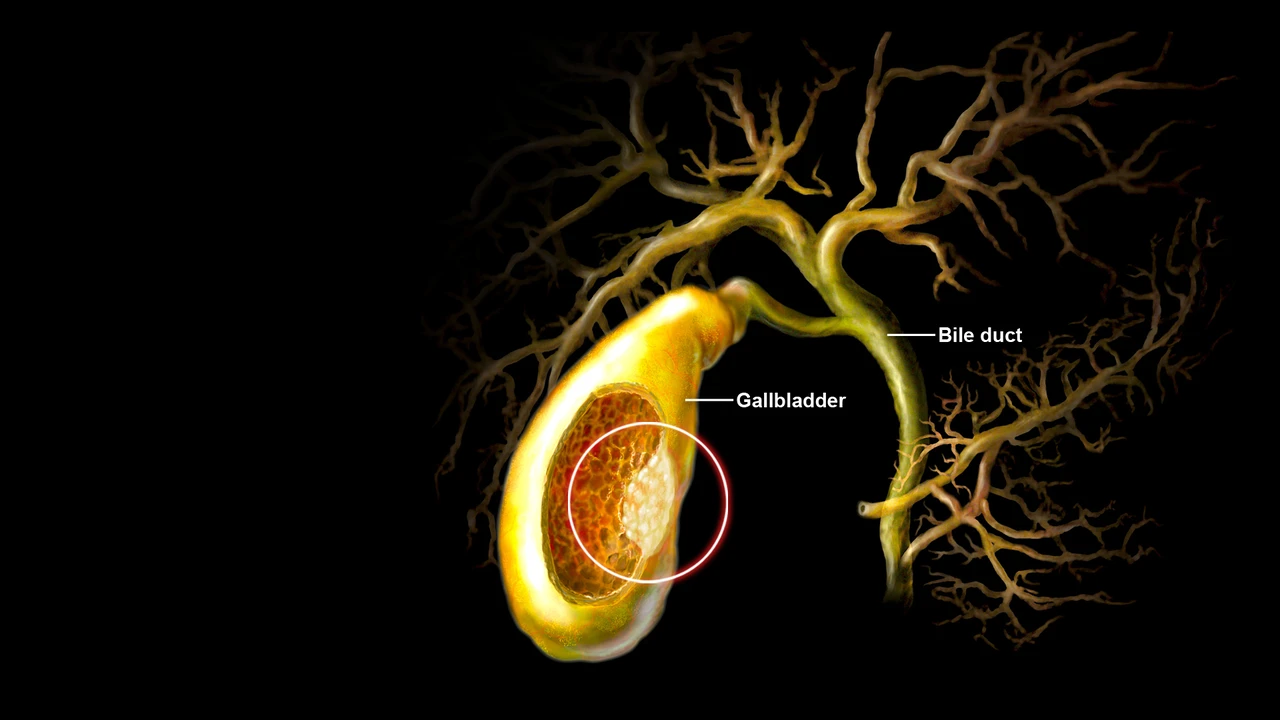
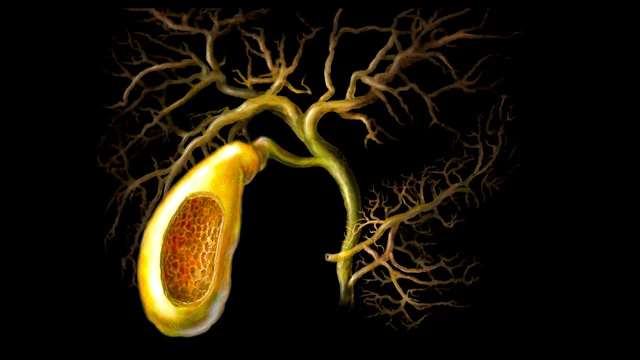
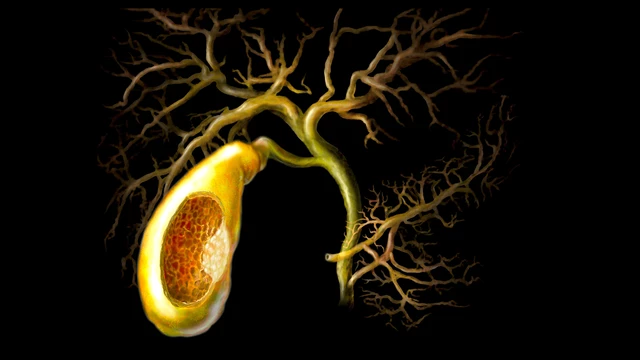
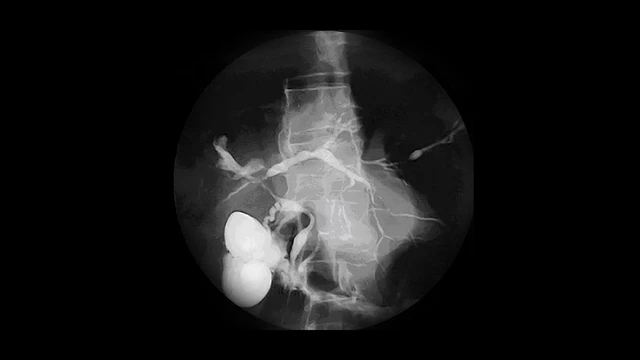
The gallbladder is a muscular sac nested in a shallow area under the liver. It stores, concentrates, and, when stimulated, propels the bile into the duodenum via the common bile duct. Infections, gallstones, and cancer can result in bile duct problems.

Liver diseases and disorders

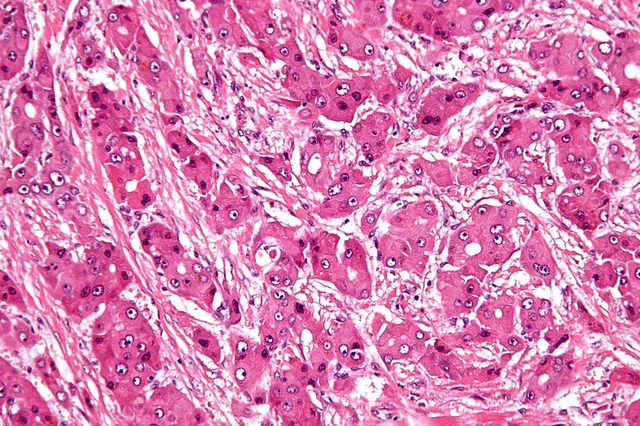
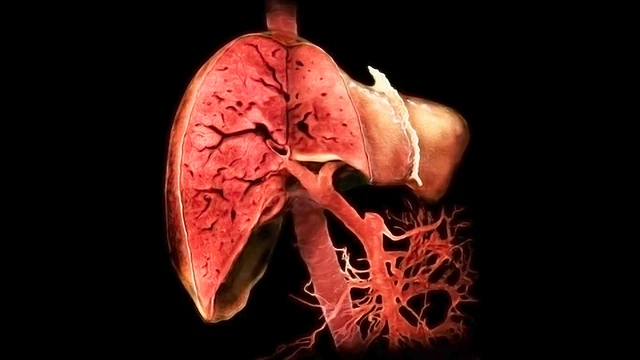
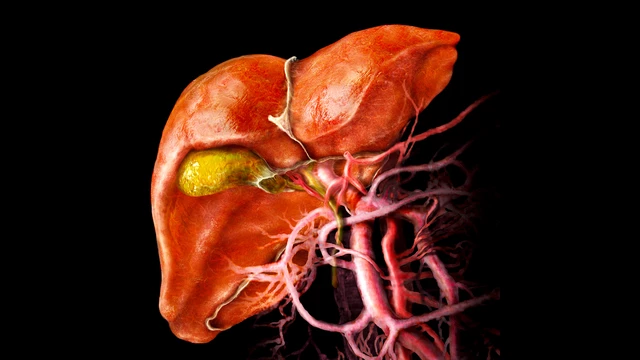
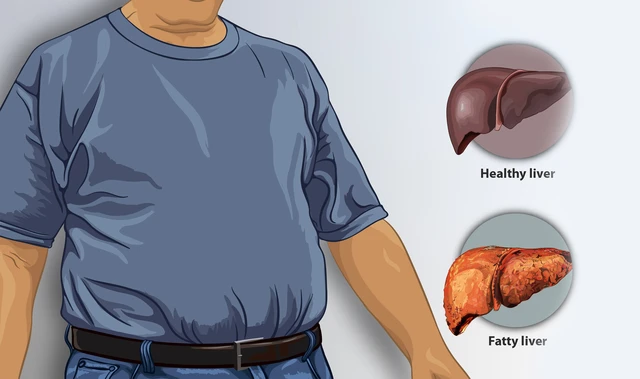
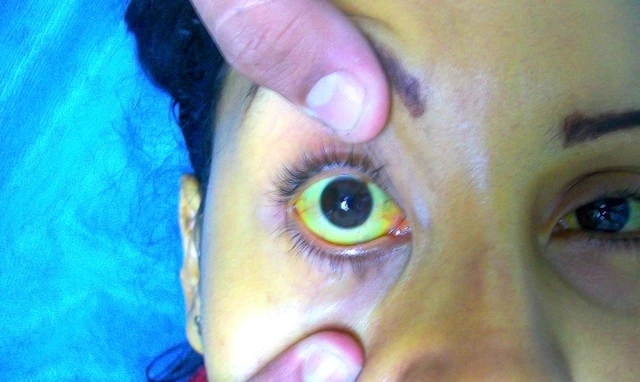
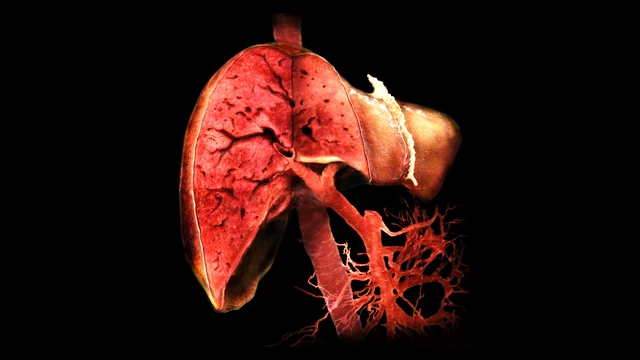
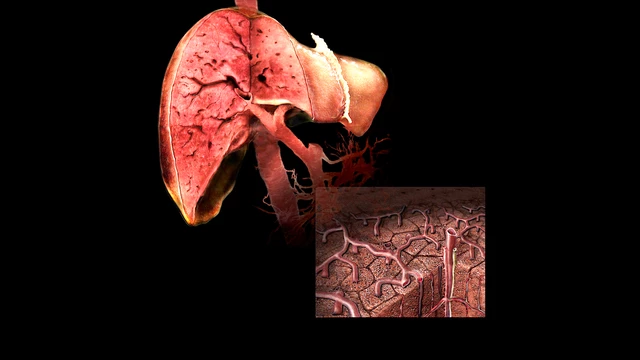
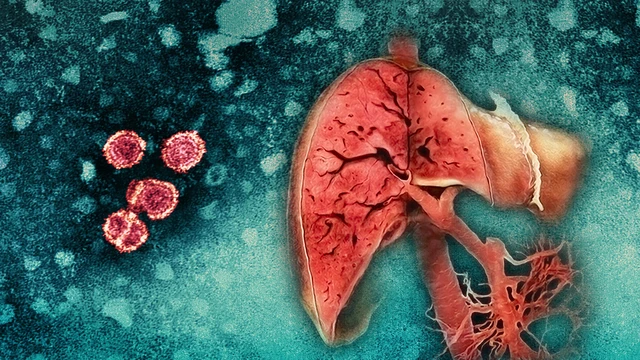
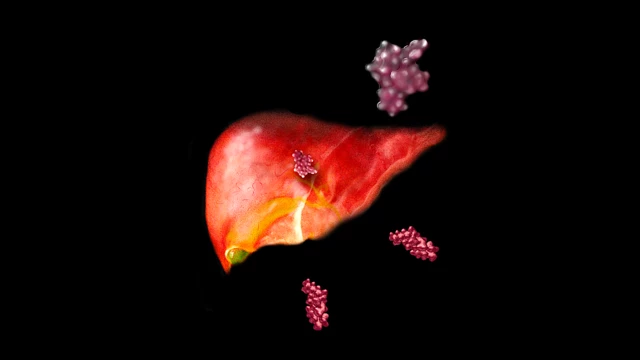
Your liver is the largest organ inside your body. It helps your body digest food, store energy, and remove poisons. There are many kinds of liver diseases, such as hepatitis, cancer, and cirrhosis. Know your risk and what you can do to prevent liver problems.

Pancreas diseases and disorders

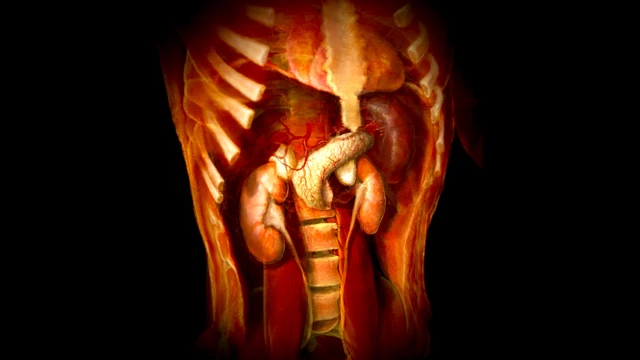
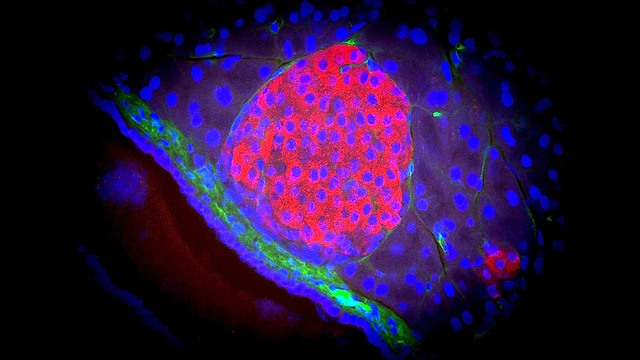
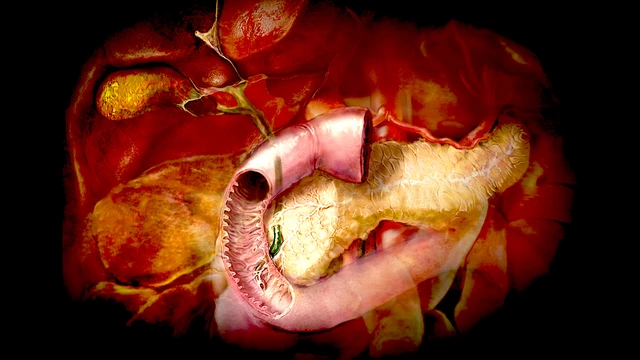
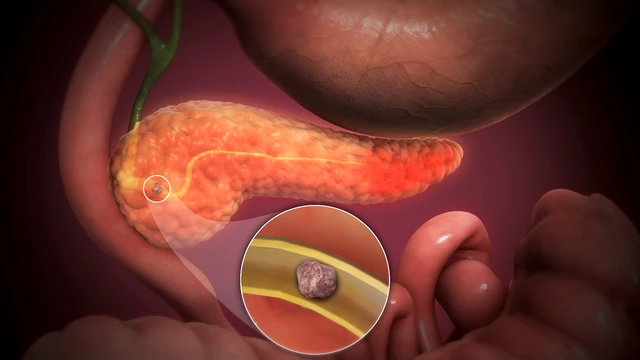
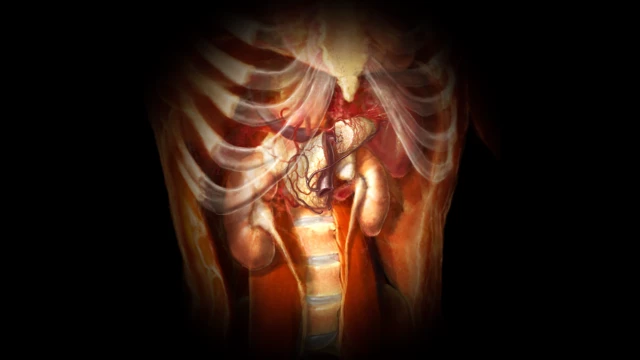
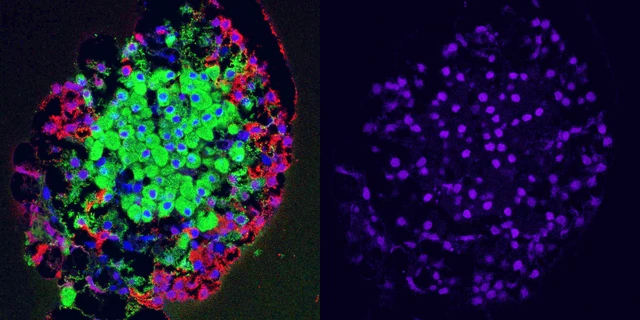
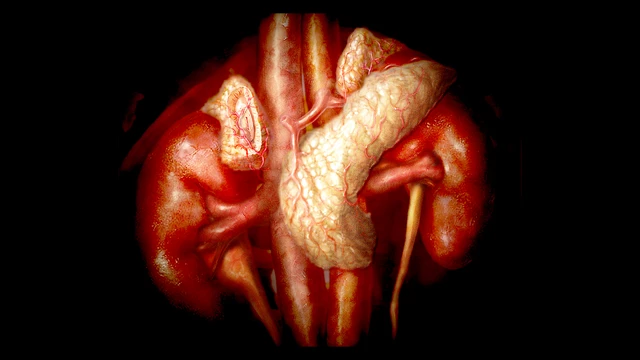
The pancreas is a long slender organ that lies behind your stomach and is surrounded by the intestines, liver, and gallbladder. The pancreas produces a variety of enzymes to help break down the carbohydrates, proteins, and fats in your diet. Pancreatic diseases include pancreatitis, pancreatic cancer, and cystic fibrosis.

Small intestine diseases and disorders

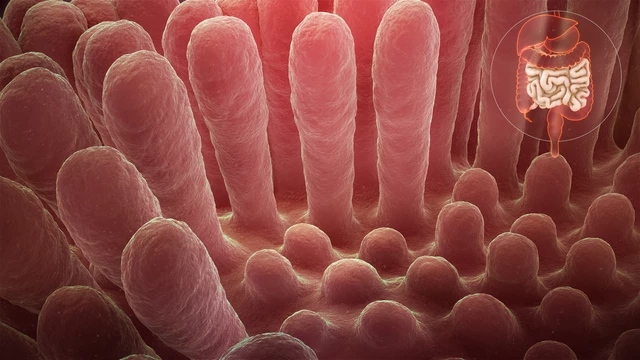
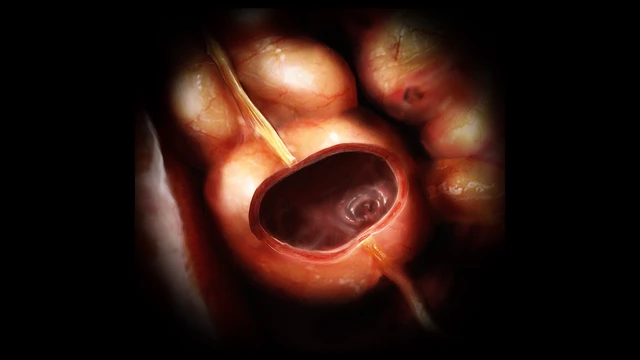
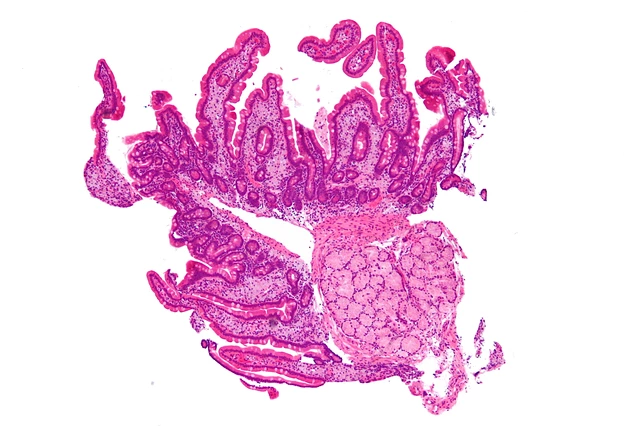
Your small intestine is the longest part of your digestive system - about twenty feet long! It connects your stomach to your large intestine and folds many times to fit inside your abdomen. Problems with the small intestine can include bleeding, Crohn's disease, and irritable bowel syndrome. Learn more.

Stomach diseases and disorders

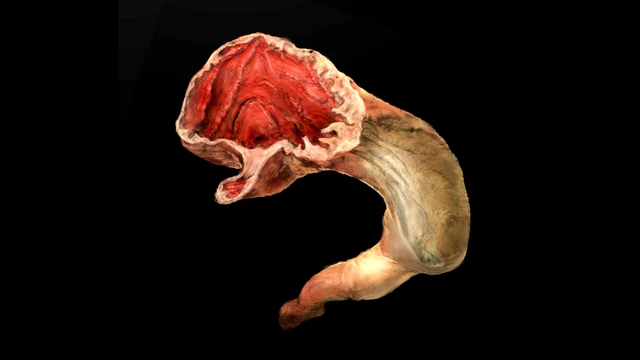
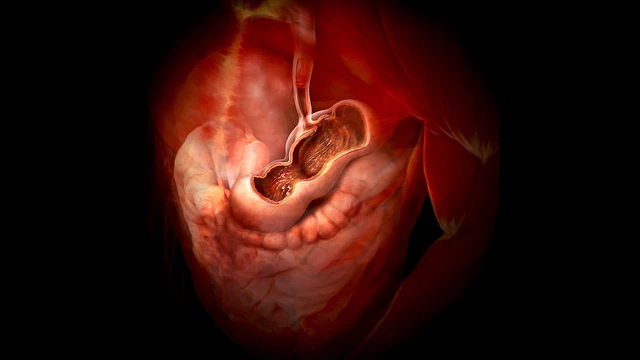
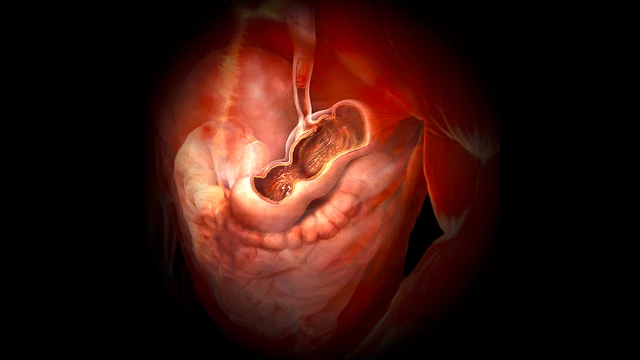
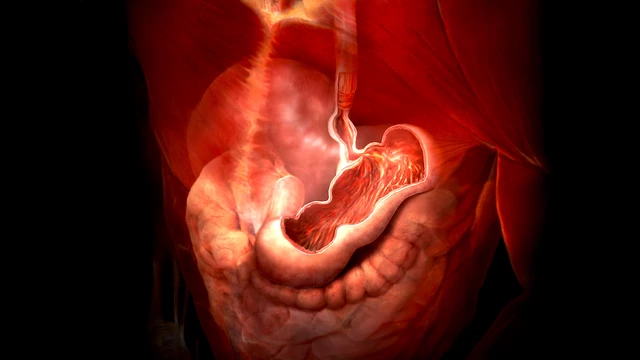
The stomach, which receives food from the esophagus, is located in the upper left quadrant of the abdomen. Conditions that can affect the stomach include gastroenteritis, stomach cancer, and peptic ulcers. Read more.

The library's building blocks

HealthJournals: immersive guides to health.

HealthJournals are visually immersive guides to a wide range of health and wellness topics, from diseases and conditions to treatments, procedures, anatomy, nutrition and more. Each is a carefully curated selection of videos, images, interactives and authoritative information that makes its topic easier to understand.

Your health, in one place

Make it your journey.

Bring your records into StoryMD, and follow Digestive health with a companion that knows your history.