Featured HealthJournal
Healthy Bones
Our bones support us and allow us to move. They also protect our brain, heart, and other organs from injury. Find out more about the important role of bones in your body, and what you can do to protect them.
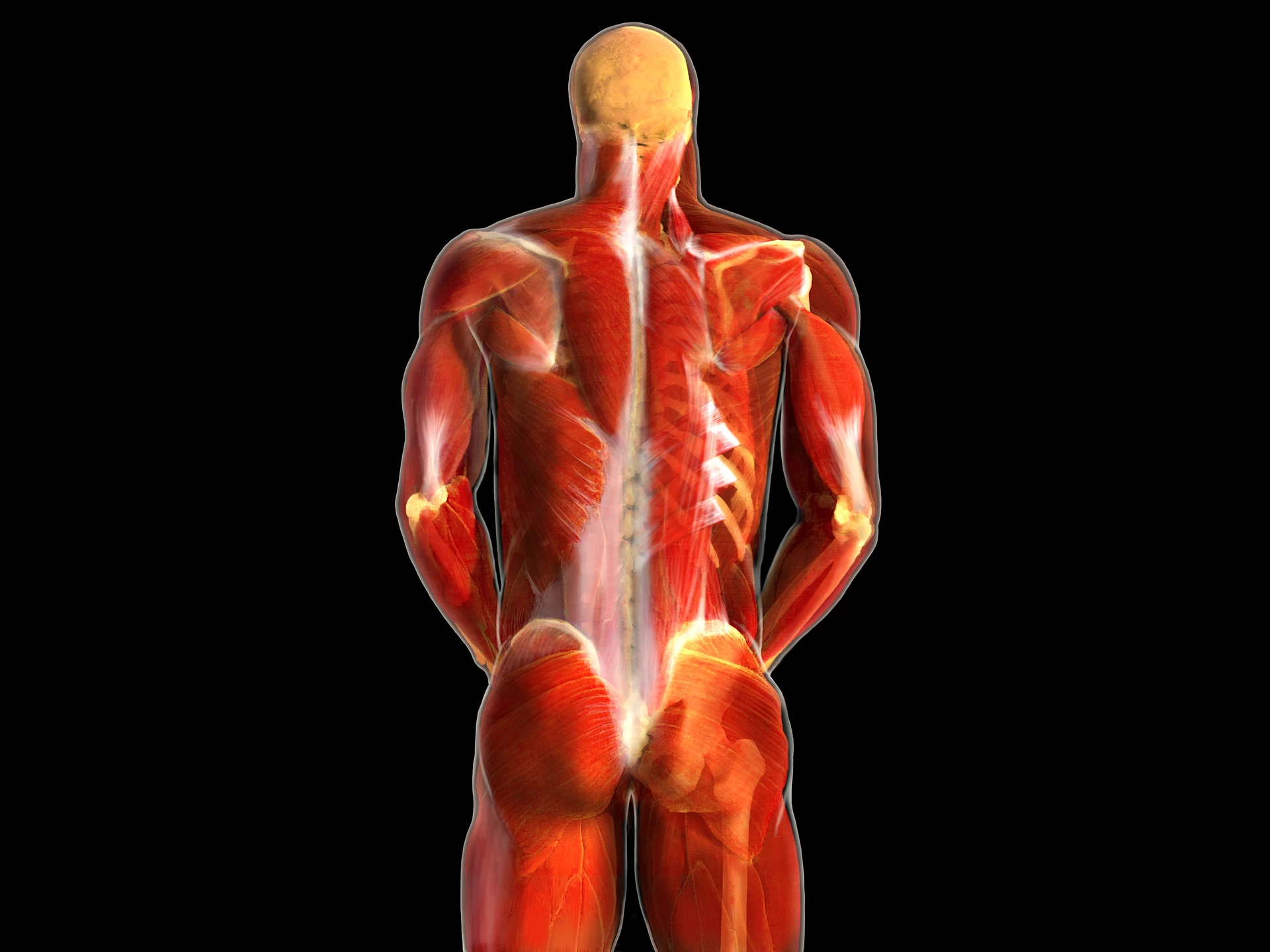
How bones, joints, muscles, tendons and cartilage work, and the injuries, fractures, growth disorders, bone cancers and diseases that affect them.
262 HealthJournals
Our bones support us and allow us to move. They also protect our brain, heart, and other organs from injury. Find out more about the important role of bones in your body, and what you can do to protect them.
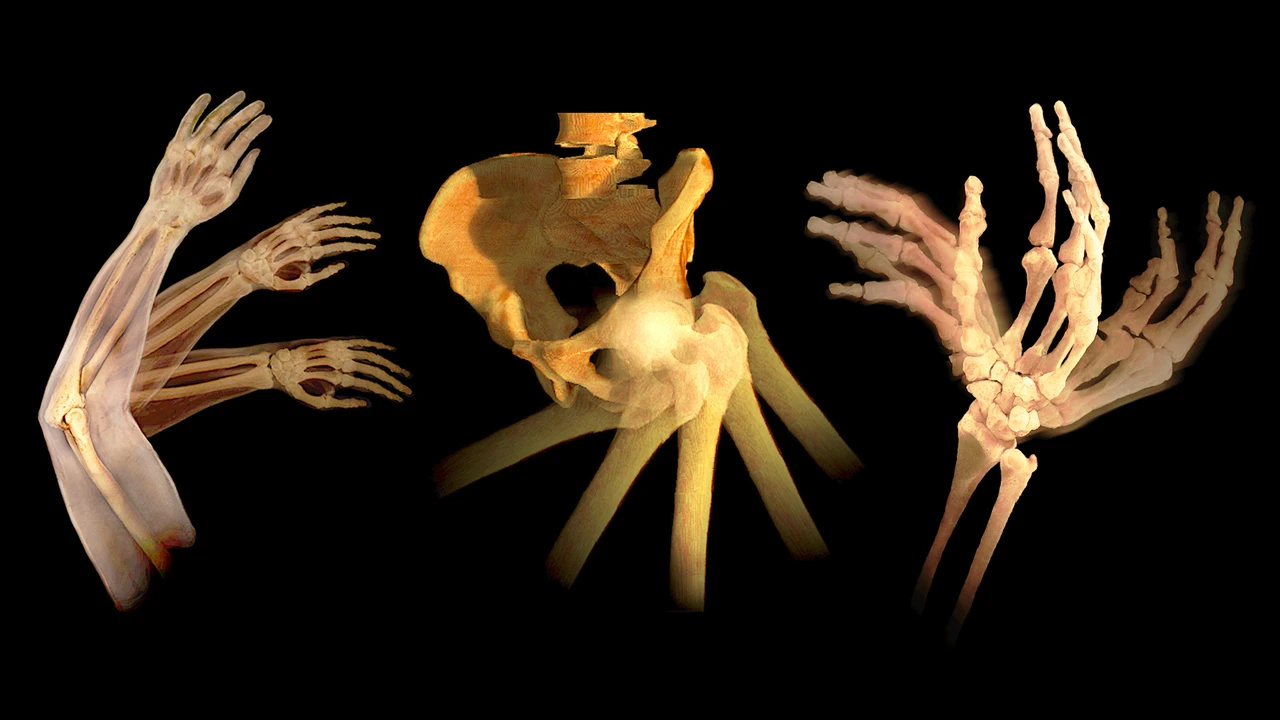
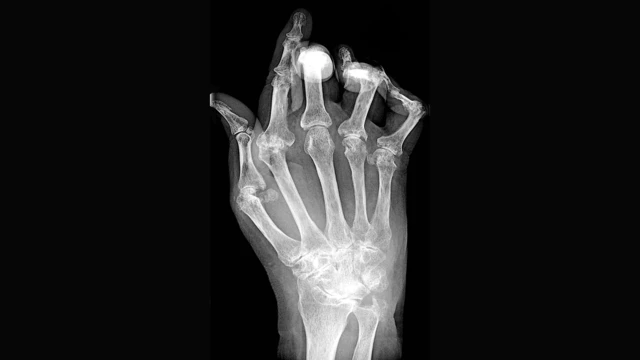
A joint is where two or more bones join together. Over time, your joints can suffer from wear and tear or be affected by conditions like arthritis and gout. Keeping your joints healthy will allow you to run, walk, play sports, and do all the things you like to do. Learn more about joints, common conditions, and how to keep them healthy.
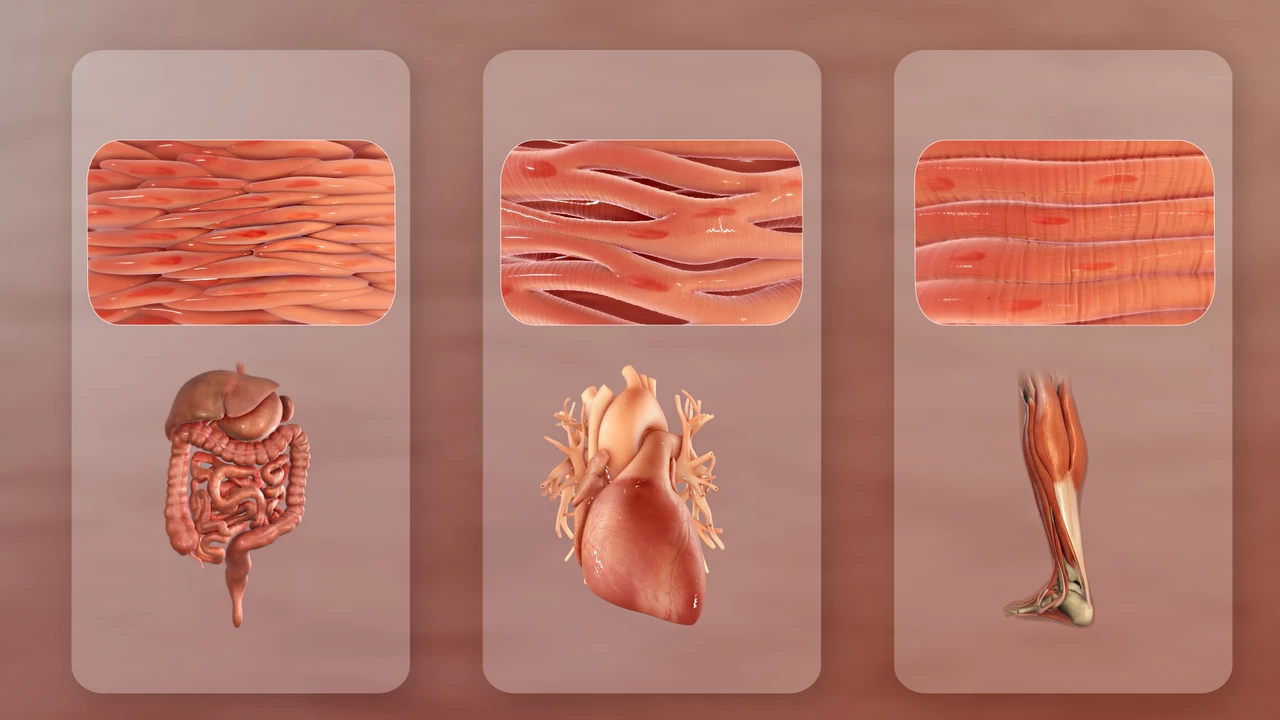
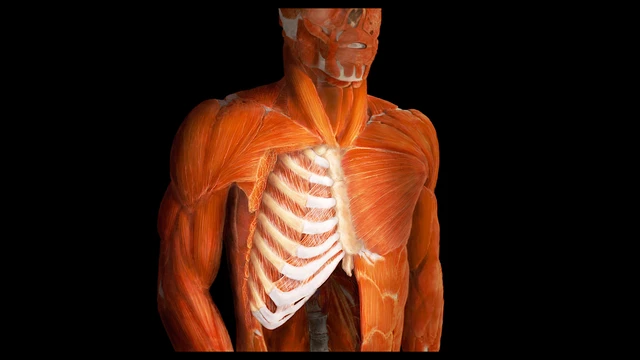
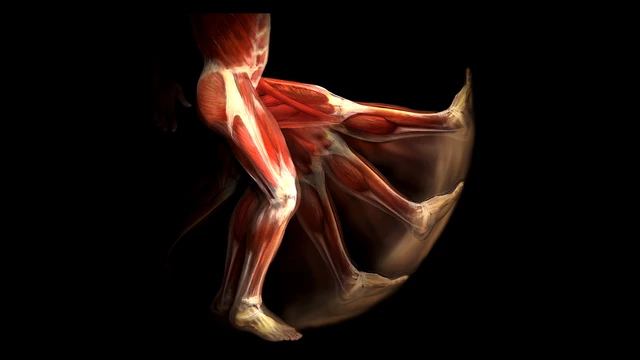
Did you know you have more than 600 muscles in your body? These muscles help you move, lift things, pump blood through your body, and even help you breathe. By keeping your muscles strong and able, you can stay independent longer as you age. Learn all about the muscular system and how to keep your muscles healthy and strong.
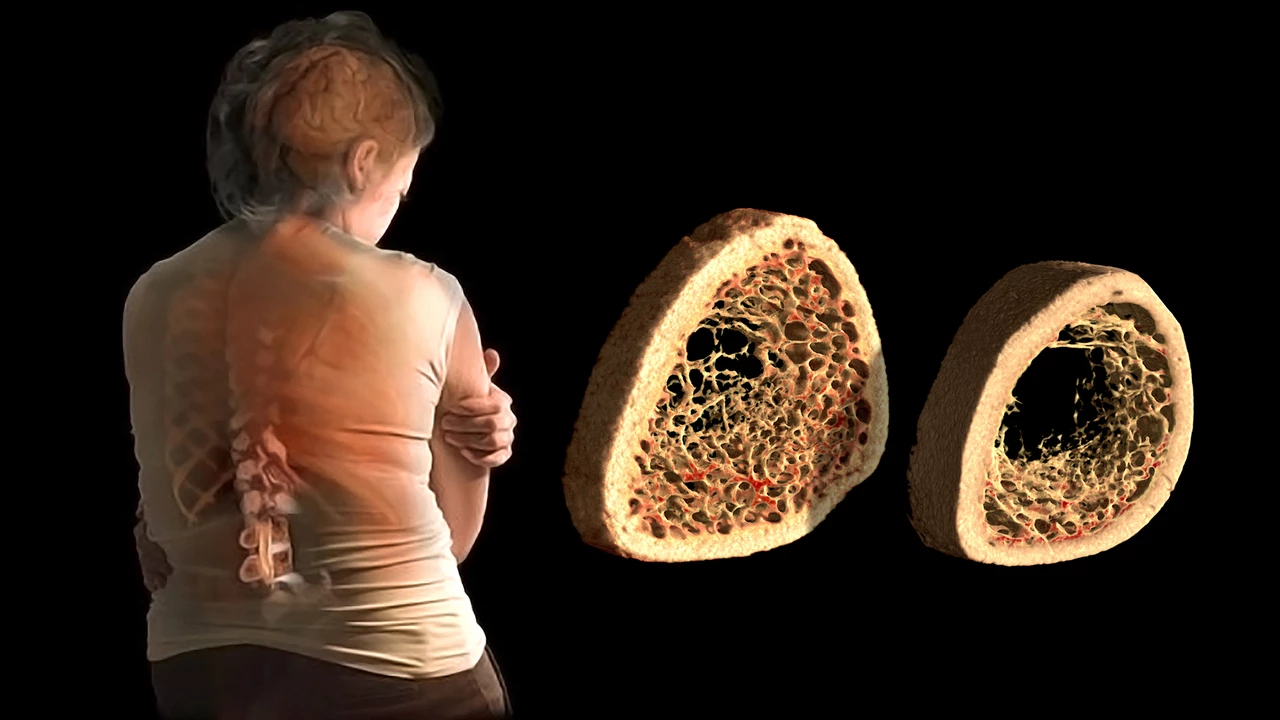
You might think fragile bones are a concern for your future, older self. But bones can start to deteriorate at an early age in women. Find out why women need to pay attention to their bones earlier to keep them healthy and strong.
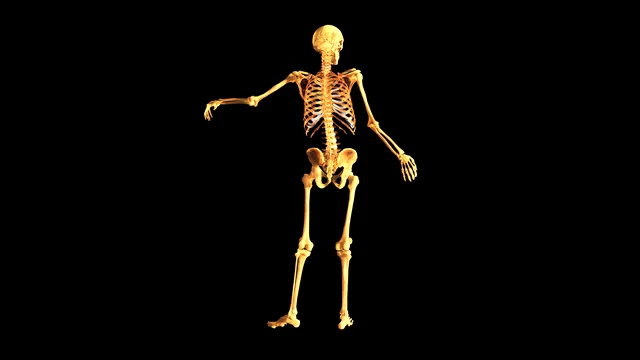
Bones, joints and muscles give the body its shape, protect its organs and let it move. Their anatomy runs from bone structure and bone marrow to the skull, spine and pelvis, and from cartilage, tendons and ligaments to healthy muscles and good posture.
 Skeletal System
 Bones
 Vertebral Column
 Bone Structure
 Cartilage
 Bone Classification
 Axial Skeleton
 Appendicular Skeleton
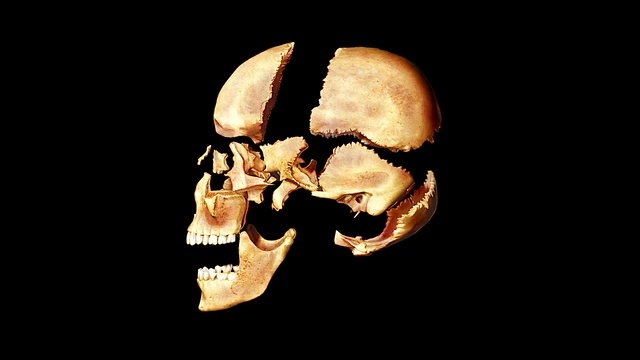 Skull
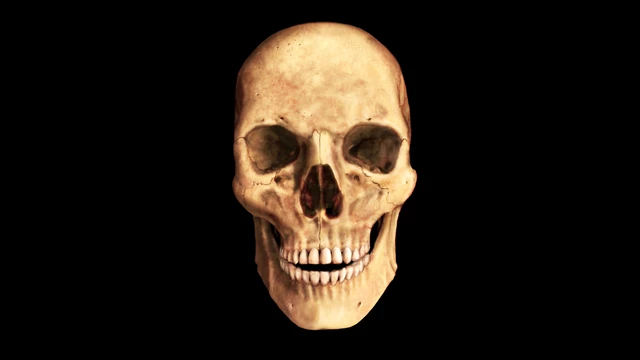 Skull and Facial Bones
 Pelvic Girdle and Pelvis
 Pelvic Floor
 Maxilla
 Joints Fibrous Joints
 Synovial Joints
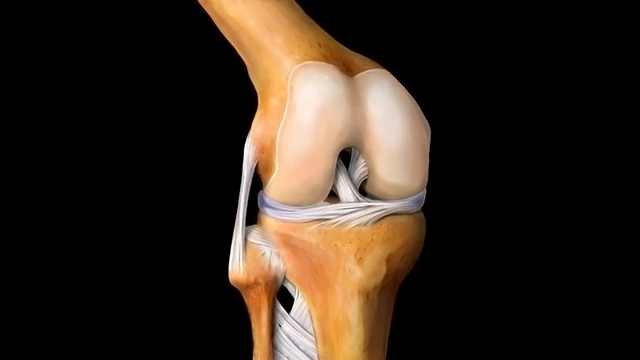 Cartilaginous Joints
 Kids and Their Bones
 Calcium
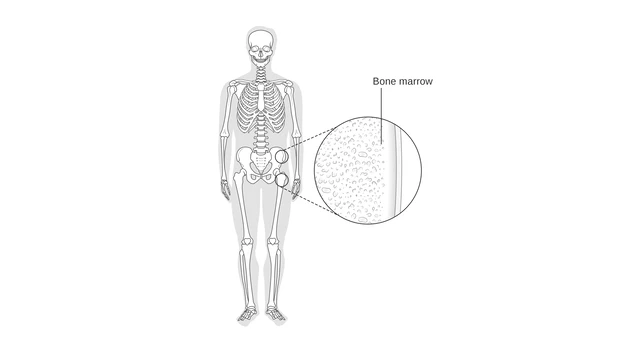 Bone Marrow
 Muscle Anatomy and Physiology
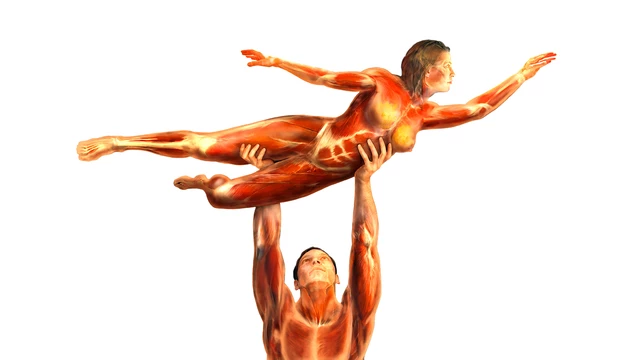 Skeletal Muscle System
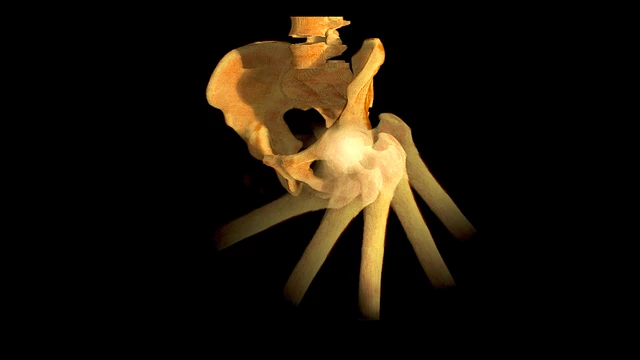 Hips
 Pectoral Girdle
 Ankle and Foot Joints
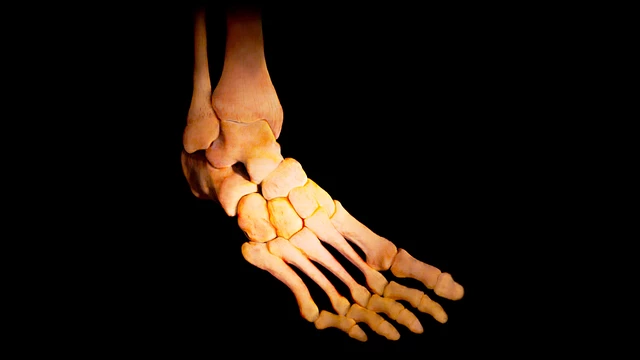 Foot Anatomy
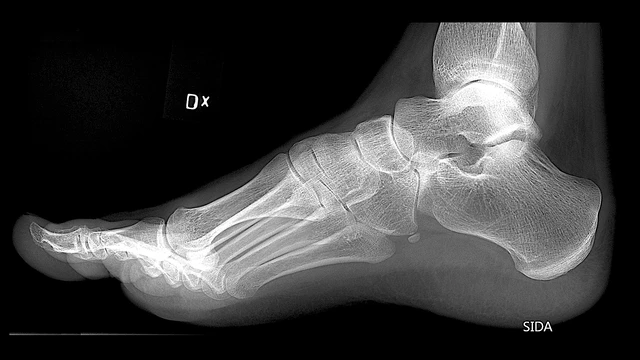 Foot Health
 Thoracic Cage
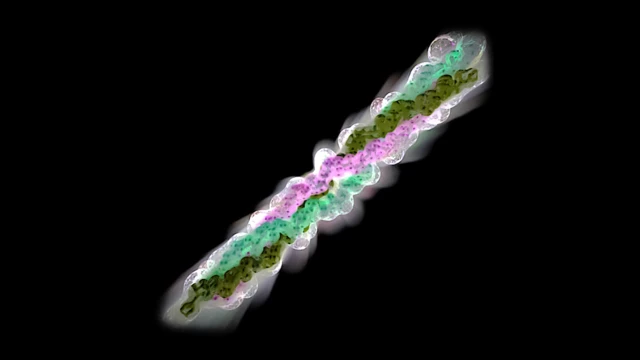 Collagen
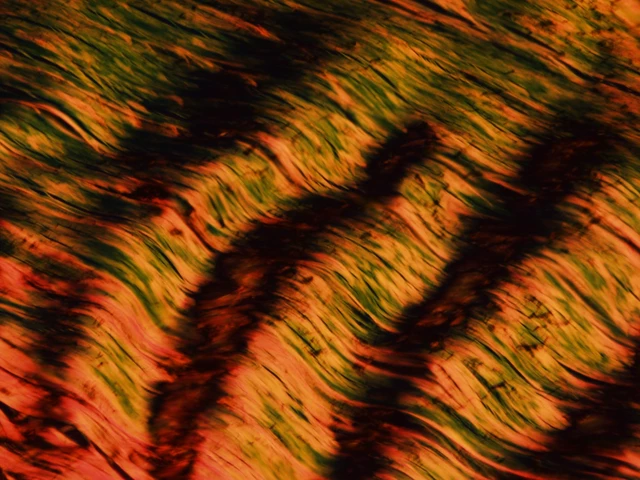 Connective Tissue
 Knees
 Tendon
 Ligaments
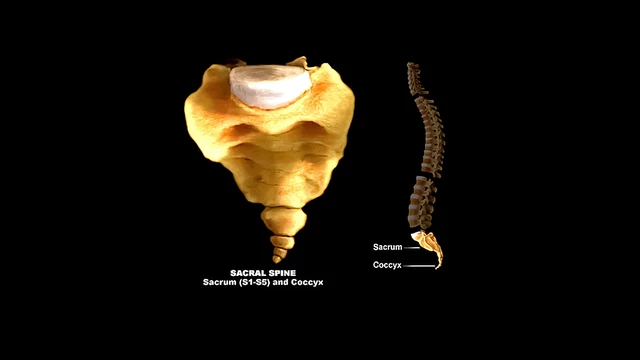 Sacrum and Coccyx
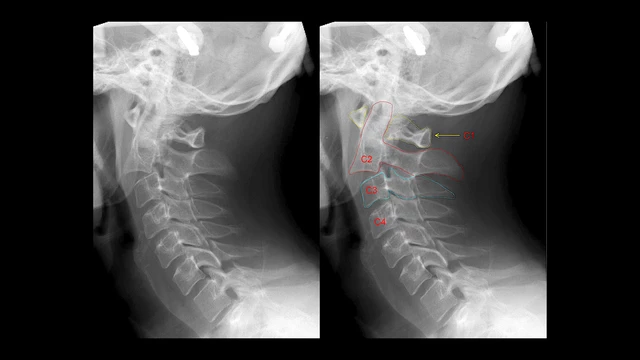
 Cervical Vertebrae
 Ergonomics
 Guide to Good Posture
 Healthy Muscles
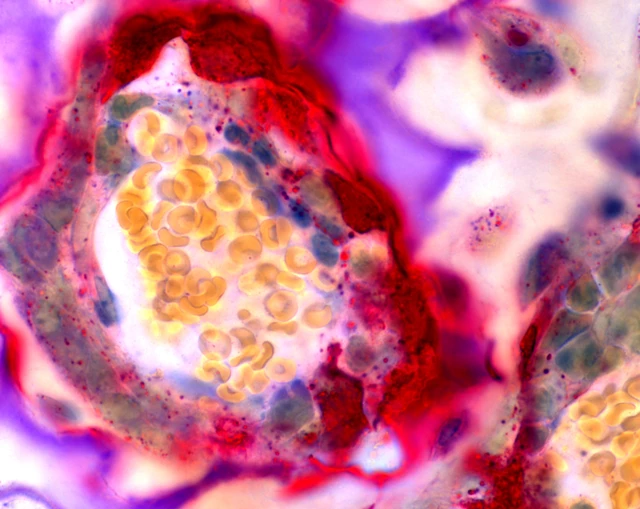
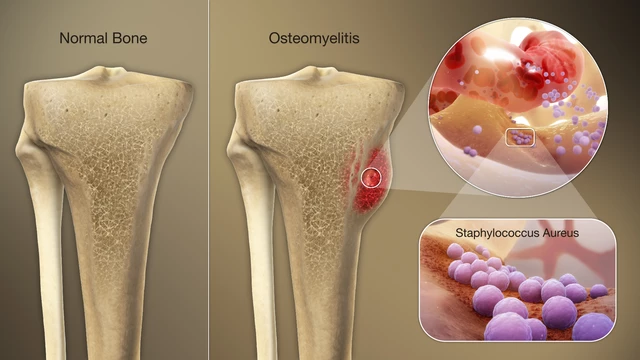
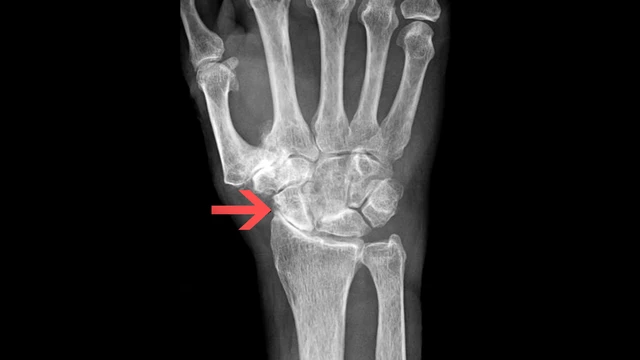
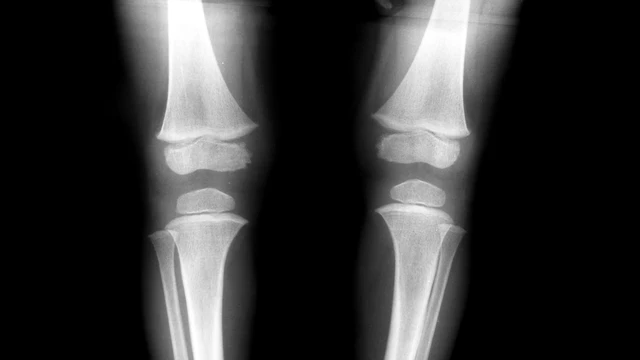
Your bones help you move, give you shape and support your body. Bone diseases can make bones easy to break. Learn about different kinds of bone problems and how genetics can play a role.
 Bone Diseases
 Bone Infections Osteopetrosis
 Osteopenia
 Rickets
 Osteomalacia
 Joint Disorders
 Joint Replacement
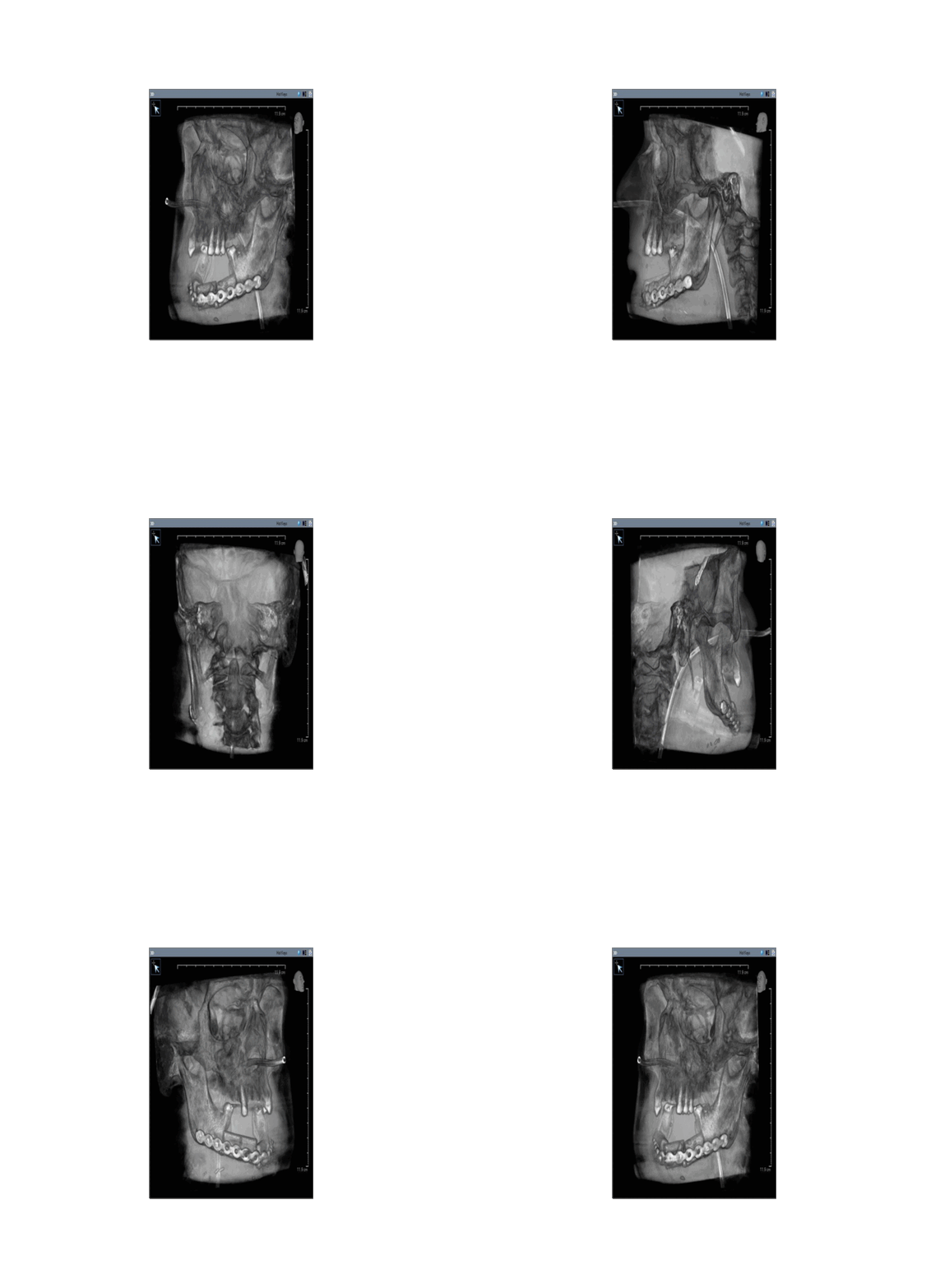 Bone Grafts
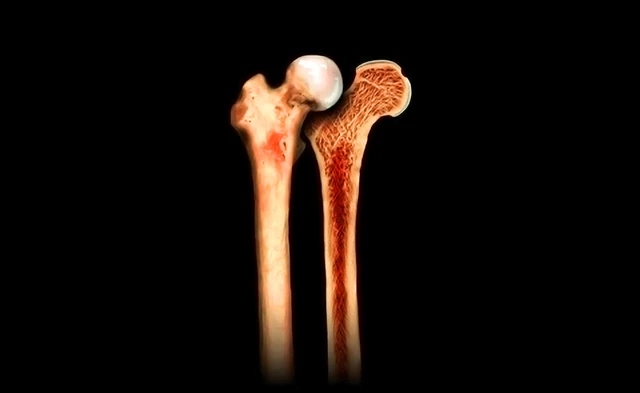 Bone Marrow Transplantation
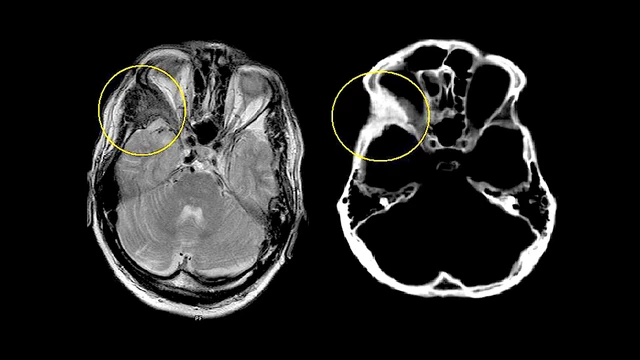 Fibrous Dysplasia
 Osteonecrosis
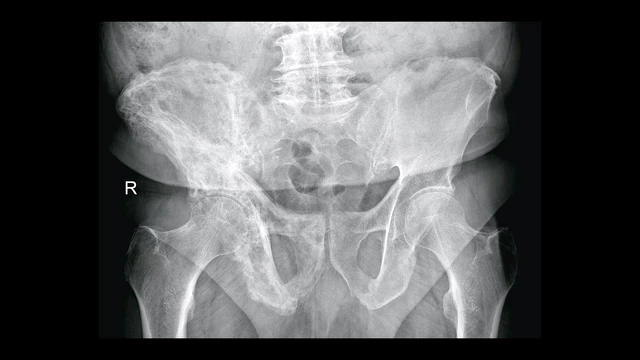 Paget's Disease of Bone
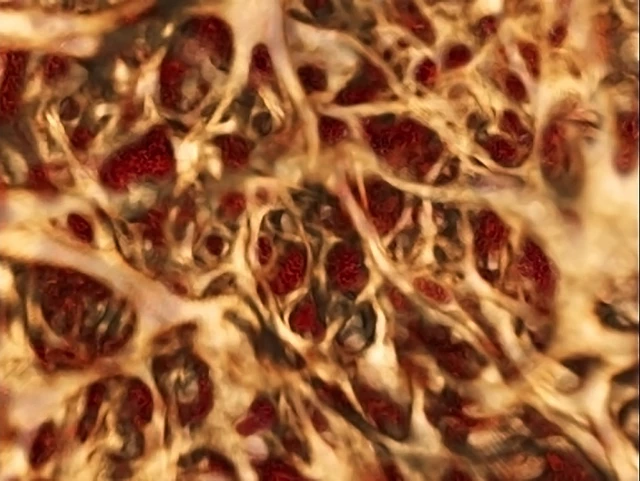 Bone Marrow Necrosis
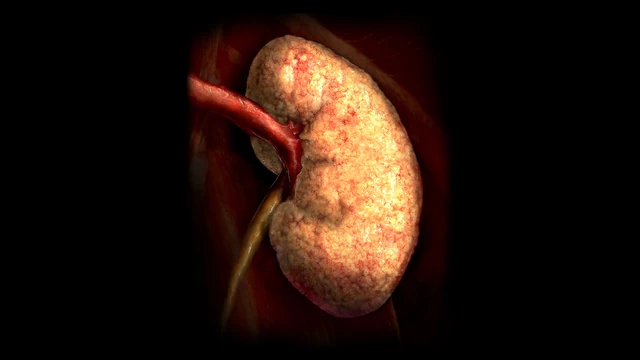 Mineral and Bone Disorder in Chronic Kidney Disease
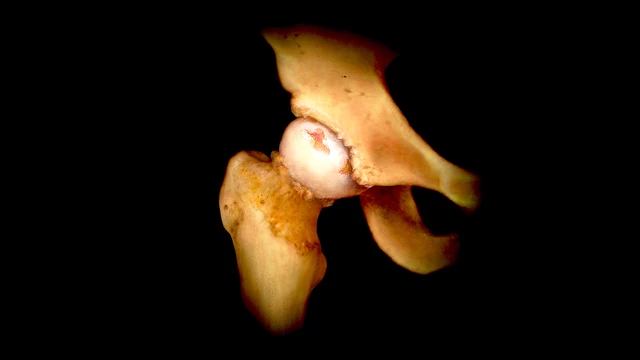
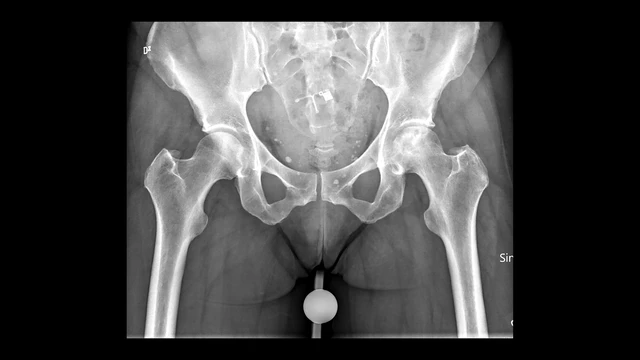 Avascular Necrosis of the Femoral Head
 Bursitis
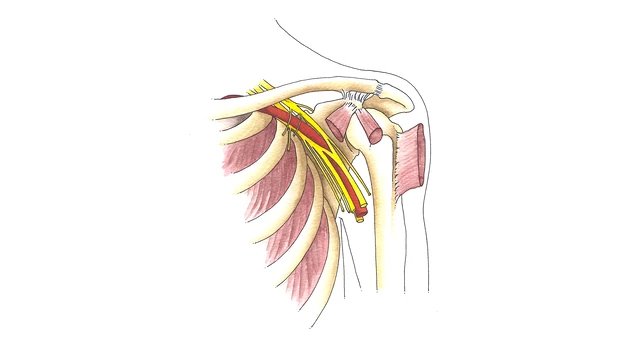
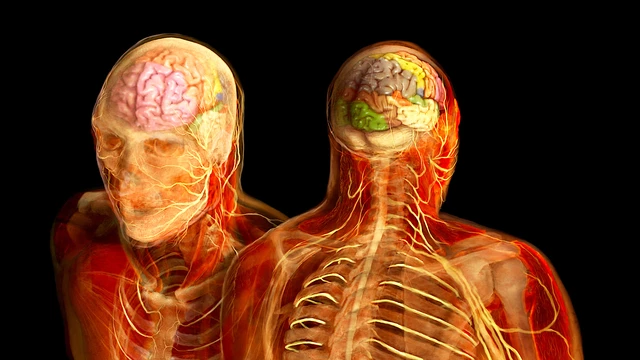 Thoracic Outlet Syndrome
 Sports Injuries
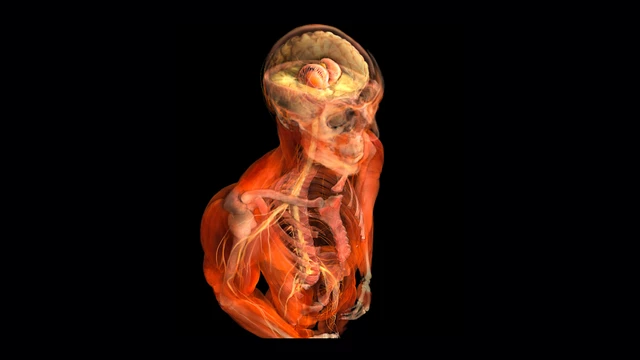 Brachial Plexus Injury
 Osteogenesis Imperfecta
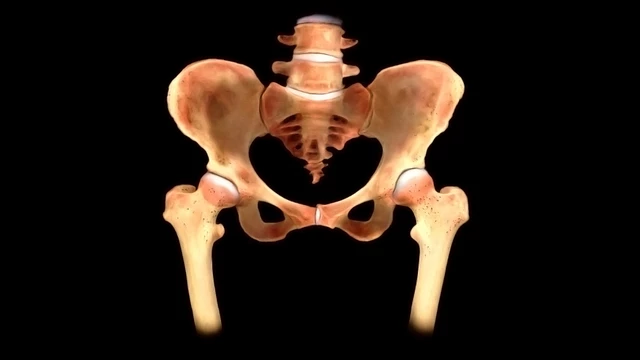 Osteomesopyknosis
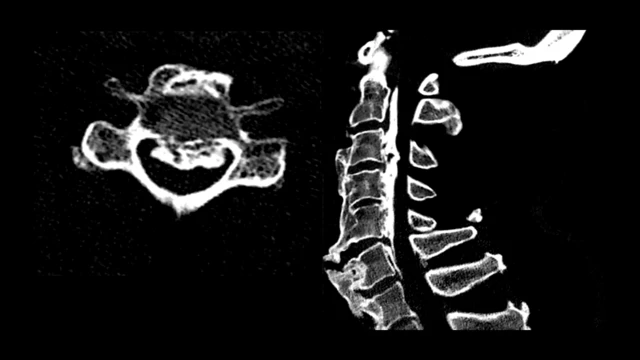 Diffuse Idiopathic Skeletal Hyperostosis
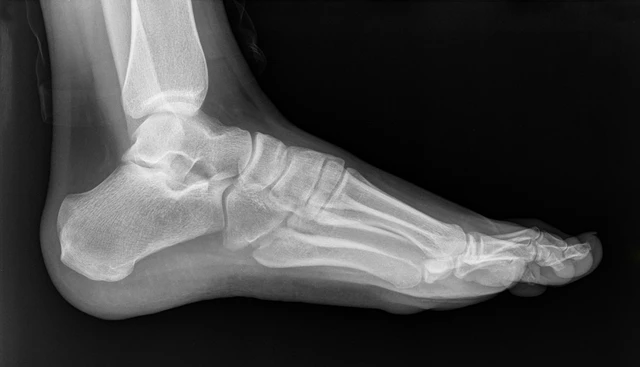 Flat Feet
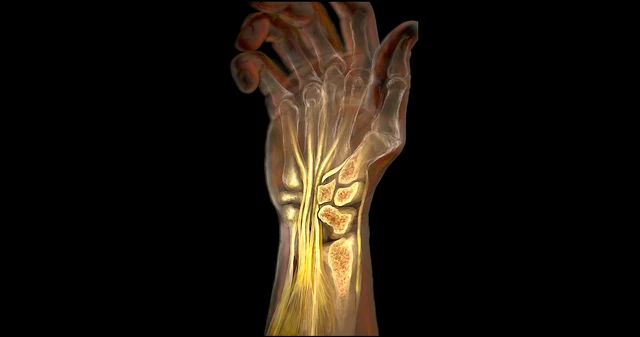 Kienbock Disease
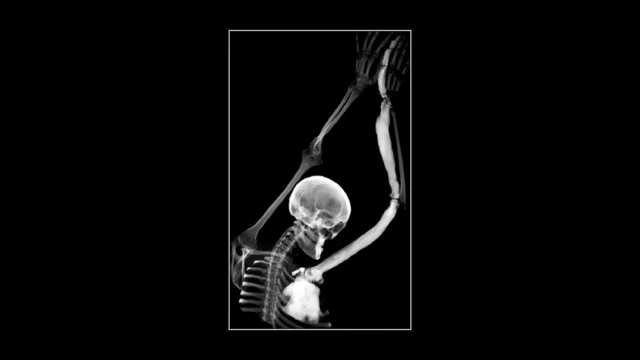 Melorheostosis
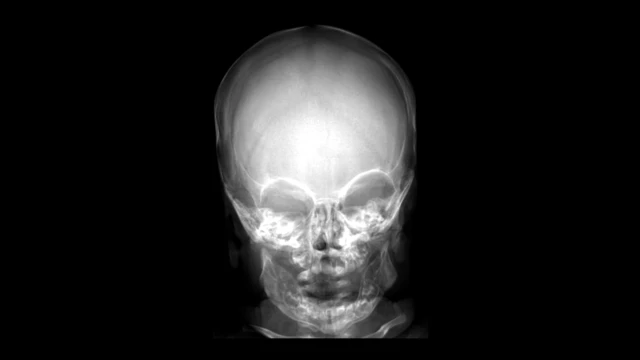 Caffey Disease
 Achondroplasia
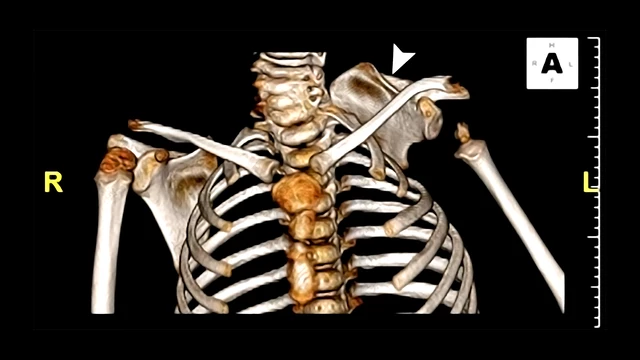 Klippel-Feil Syndrome
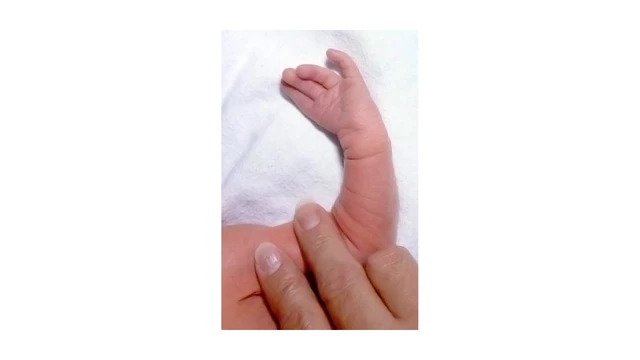 Holt-Oram Syndrome
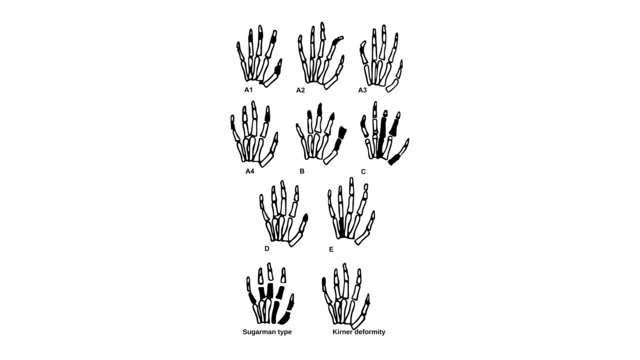 Floating-Harbor Syndrome
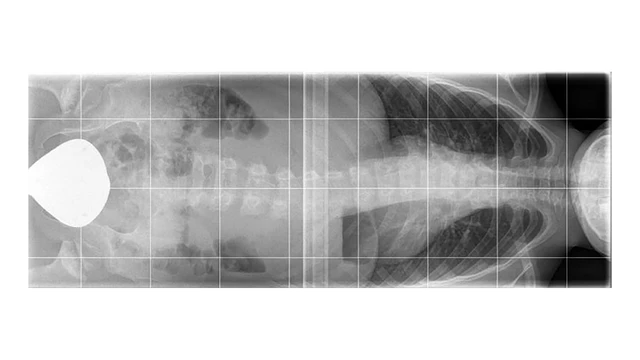 Axial Spondylometaphyseal Dysplasia
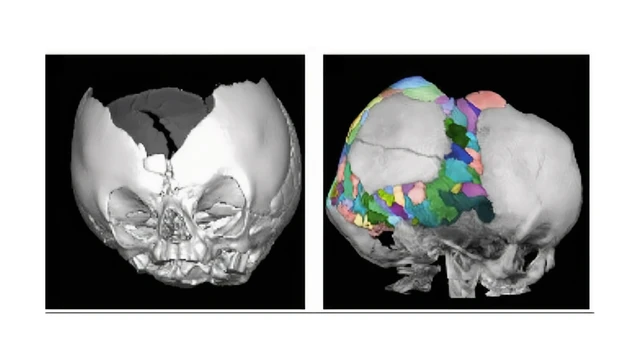 Carpenter Syndrome
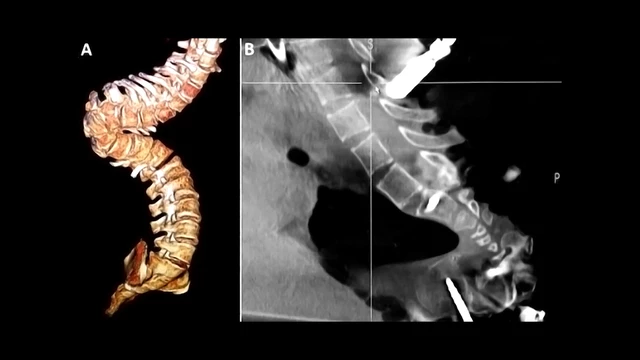 Kyphoscoliotic Ehlers-Danlos Syndrome
 Adolescent Idiopathic Scoliosis
 McCune-Albright Syndrome
 X-Linked Chondrodysplasia Punctata 1
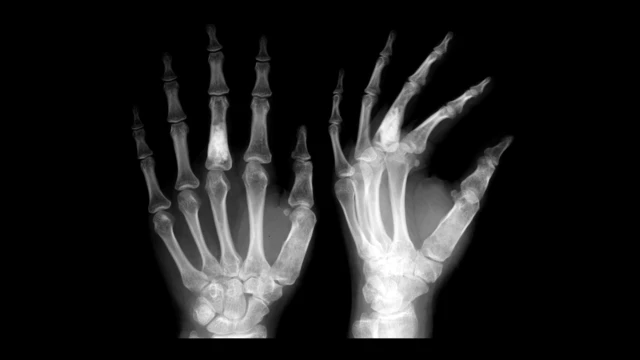 Maffucci Syndrome
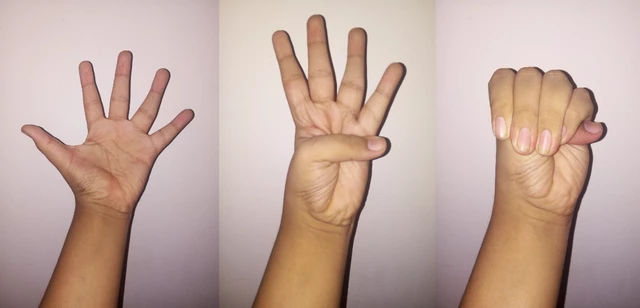 Congenital Contractural Arachnodactyly
 Baller-Gerold Syndrome
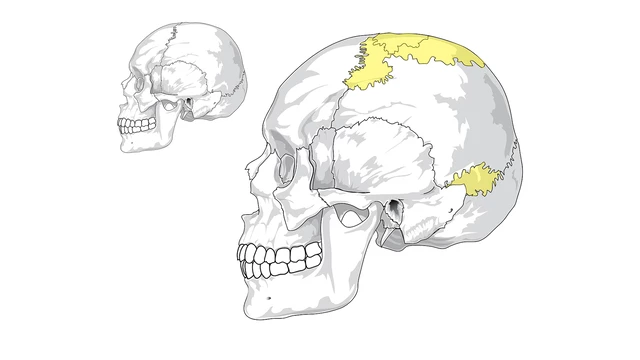 Hypophosphatasia
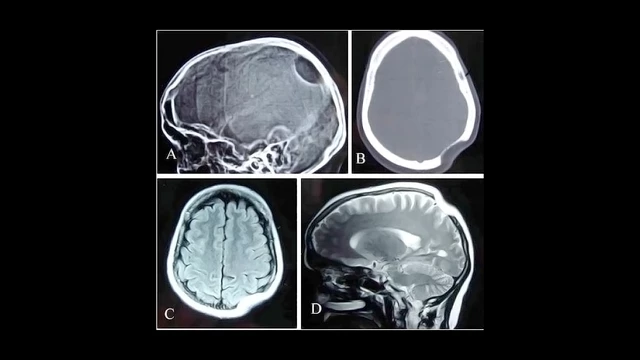 Gorham's Disease
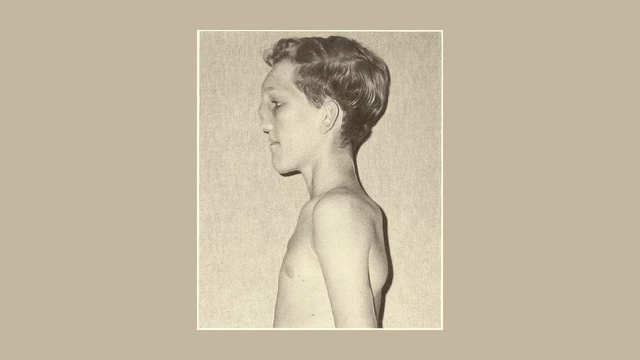 Craniometaphyseal Dysplasia, Autosomal Dominant
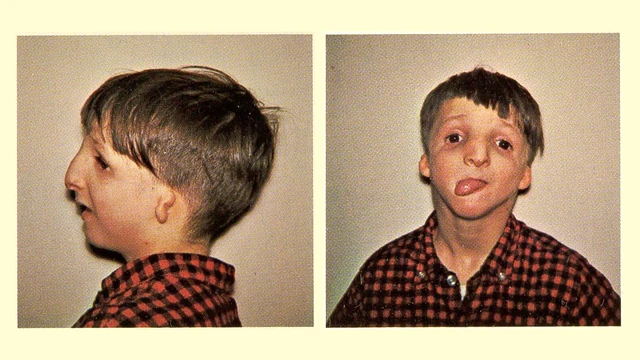 Treacher Collins Syndrome
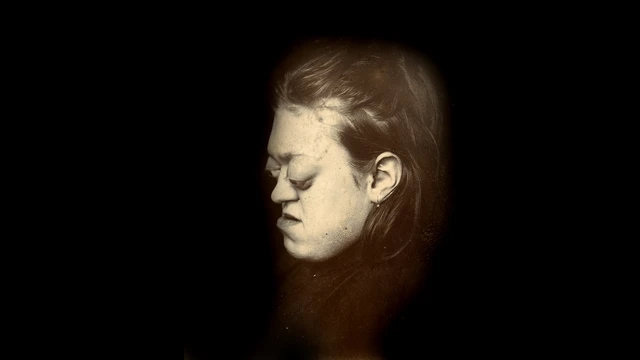 Pfeiffer Syndrome
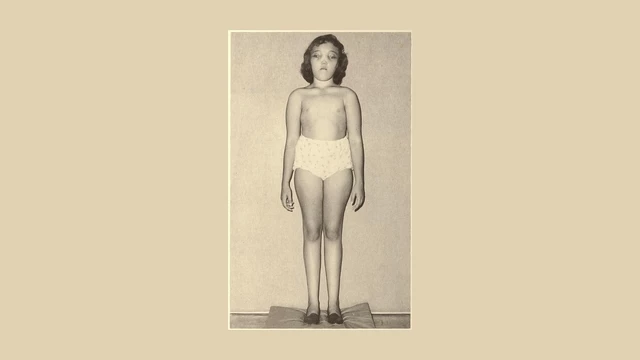 Craniometaphyseal Dysplasia
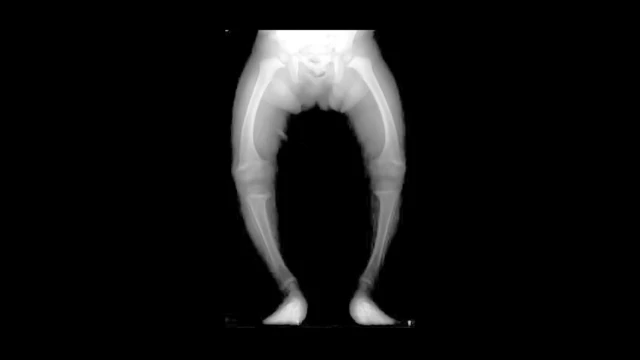 Hypophosphatemic Rickets
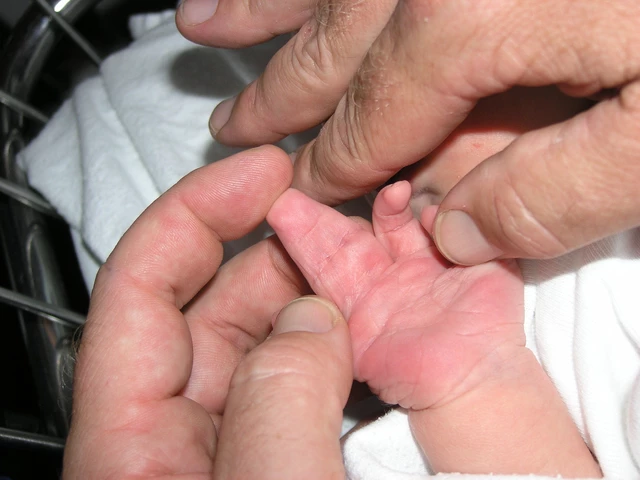 Syndactyly
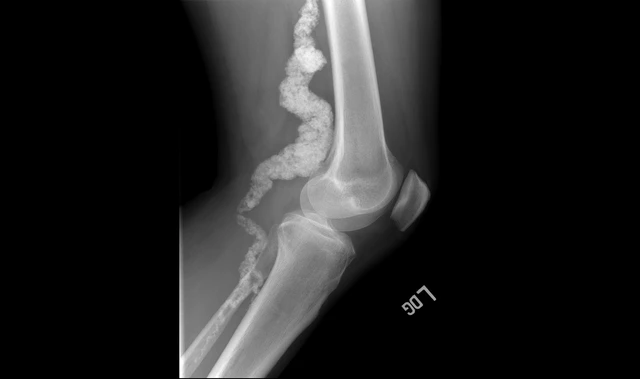 ACDC
 Windblown Hand
 Split Hand Foot Malformation
 Ectrodactyly-Ectodermal Dysplasia-Cleft Lip/Palate Syndrome
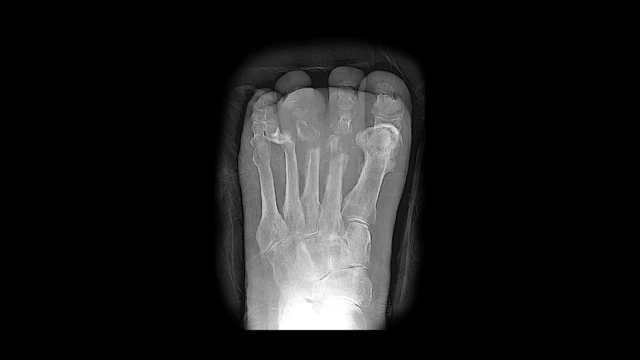 Majeed Syndrome
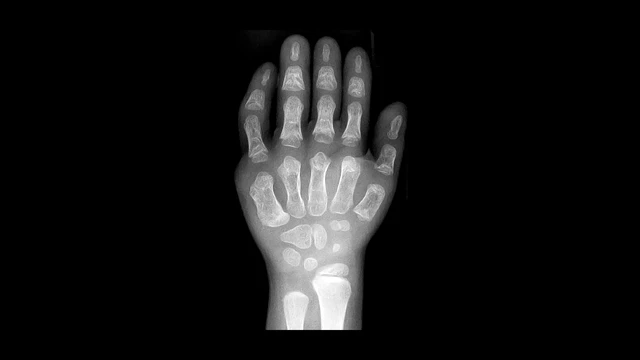 Ellis-Van Creveld Syndrome
 Apert Syndrome
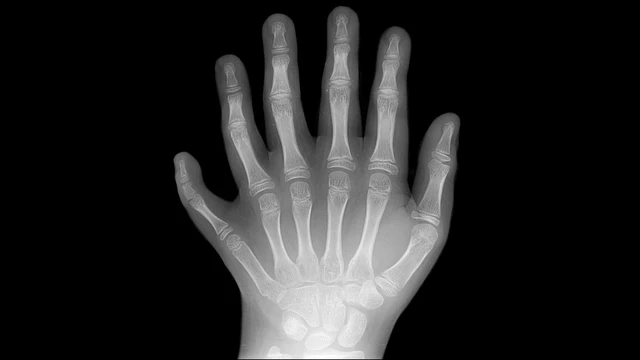 Congenital Anomalies
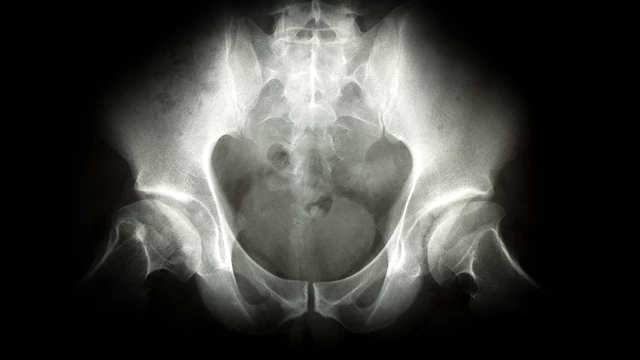 Legg-Calvé-Perthes Disease
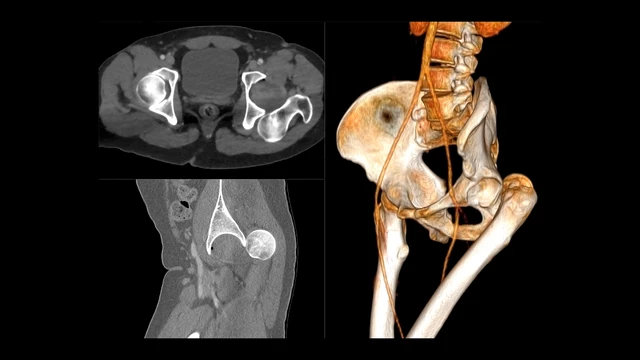 Arthrochalasia Ehlers-Danlos Syndrome
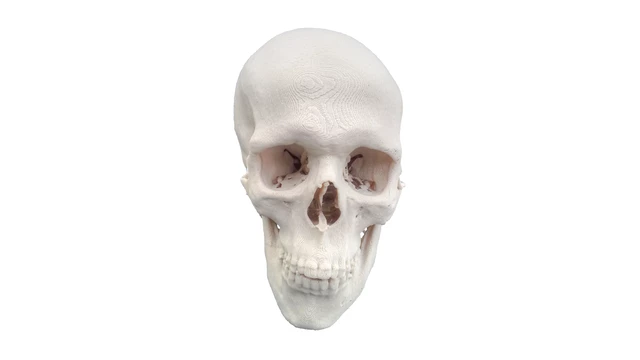 Craniofrontonasal Syndrome
 Craniofacial Abnormalities
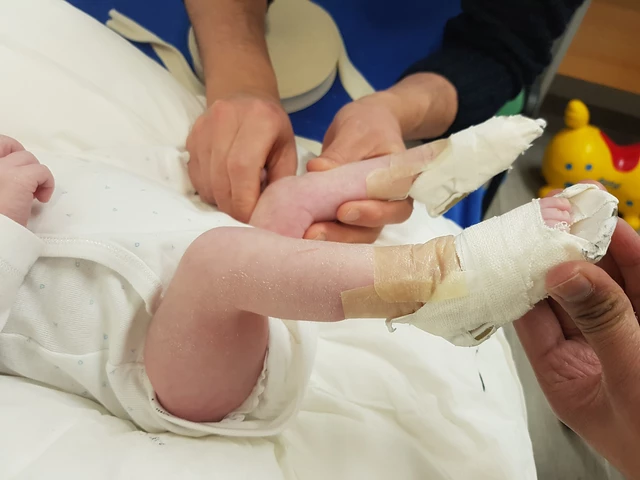 Clubfoot
 Ollier Disease
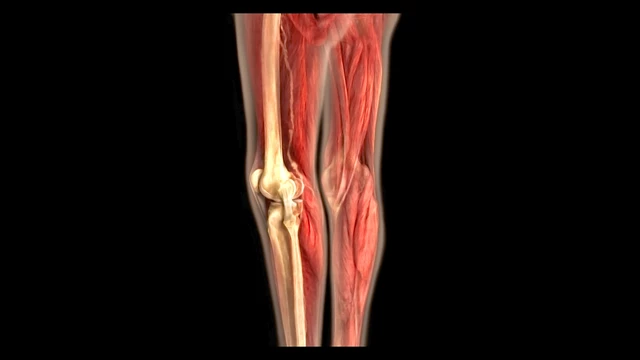 Miyoshi Myopathy
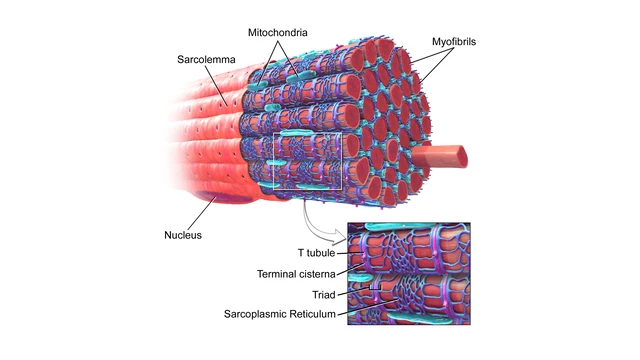 Myostatin-Related Muscle Hypertrophy
 Cleft Lip and Palate
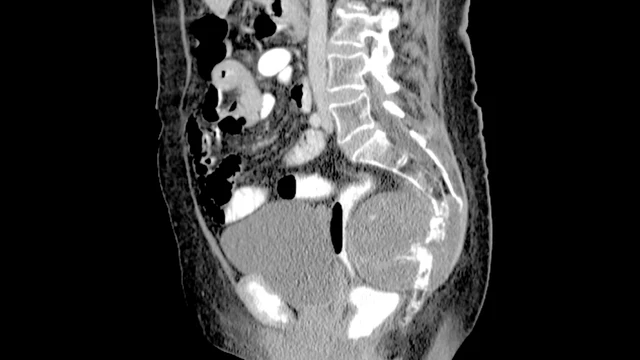 Chordoma
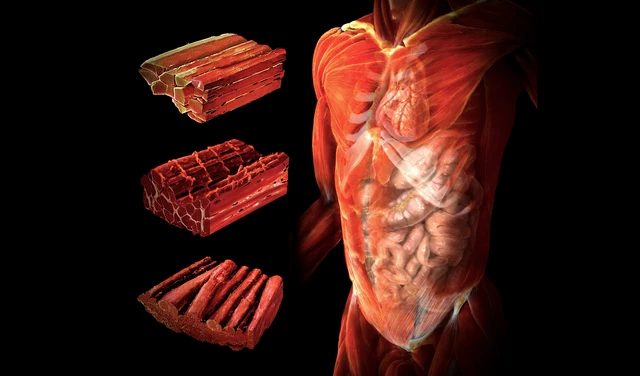 Rippling Muscle Disease
 Dwarfism
 Rubinstein-Taybi Syndrome
 Familial Calcium Pyrophosphate Deposition
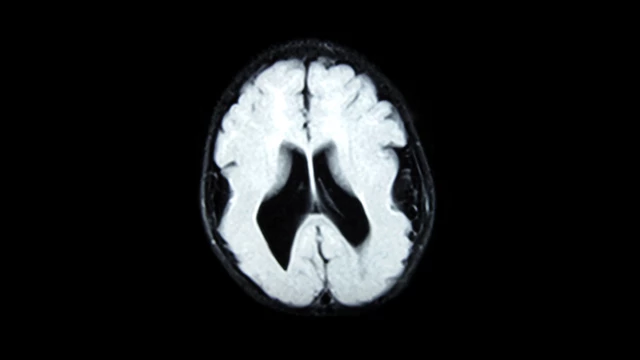 Muscle Eye Brain Disease
 Becker Muscular Dystrophy
 Duchenne Muscular Dystrophy
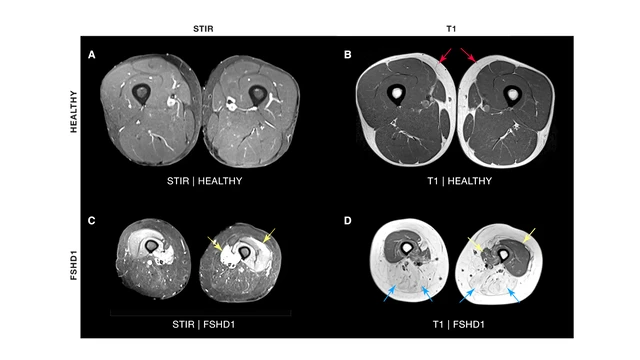 Facioscapulohumeral Muscular Dystrophy
 Oculopharyngeal Muscular Dystrophy
 Limb Girdle Muscular Dystrophy
Your muscles help you move and help your body work. Muscle disorders can cause weakness, pain or even paralysis. Read more about muscle disorders.
 Muscle Disorders Limb Girdle Muscular Dystrophy
 Neuromuscular Disorders
 Muscle Cramps
 Muscular Dystrophy
 Sarcopenia
 Chronic Fatigue Syndrome Connective Tissue Disorders
 Multiple Sclerosis
 Intermittent Claudication
 Inflammatory Myopathies
 Dermatomyositis
 Polymyositis
 Post-Polio Syndrome
 Paralysis
 Motor Responses
 Ullrich Congenital Muscular Dystrophy Duchenne Muscular Dystrophy
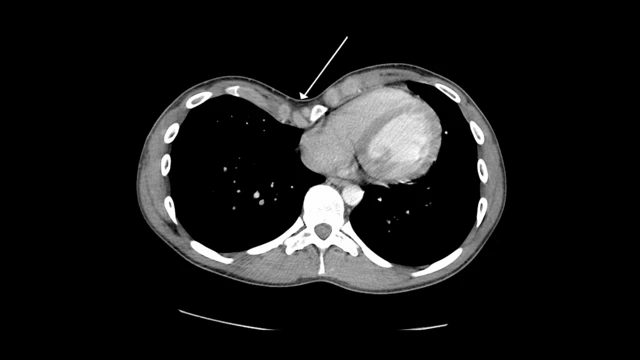
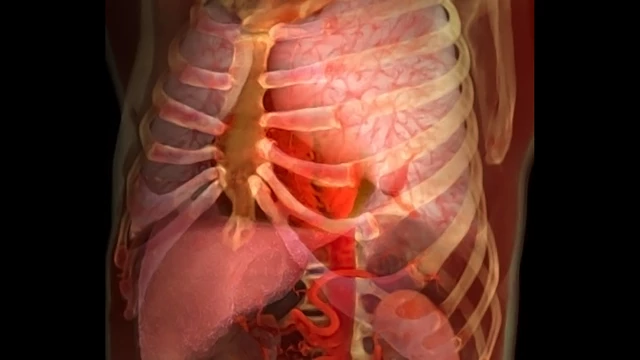
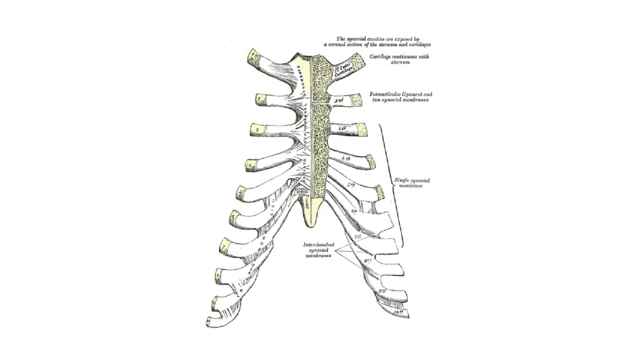
The ribs and sternum, or breastbone, form the thoracic cage that protects the heart and lungs. Problems here include rib fractures, chest injuries and costochondritis, an inflammation of rib cartilage, along with differences present at birth such as funnel chest and asternia.
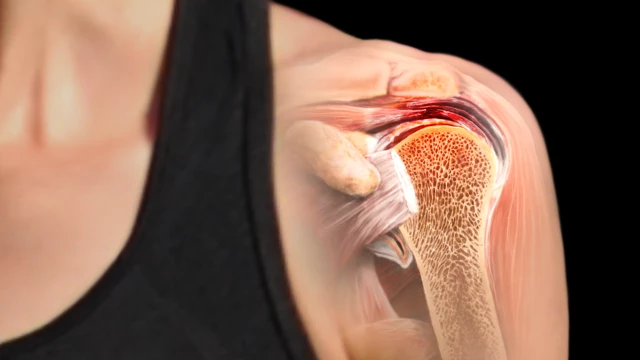
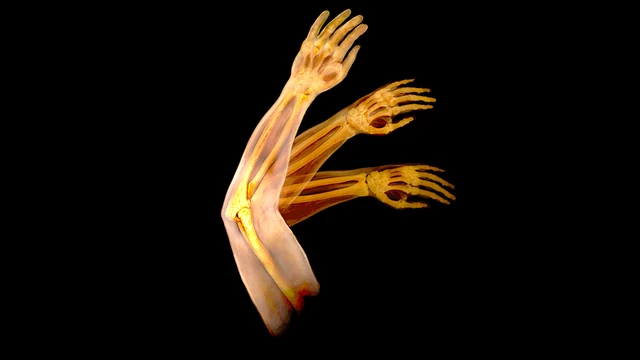
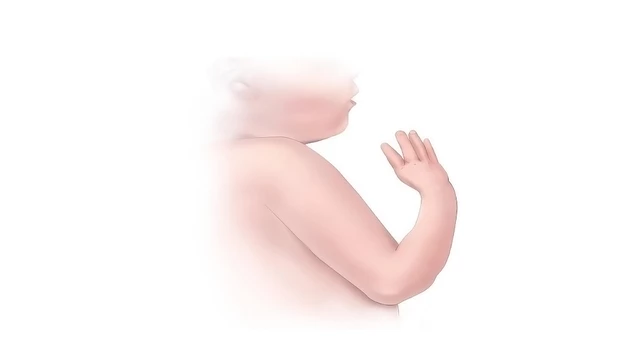
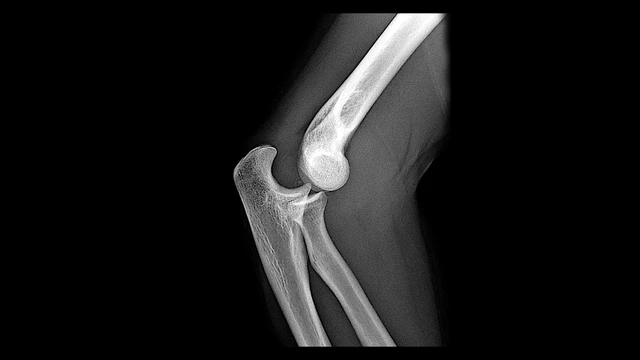
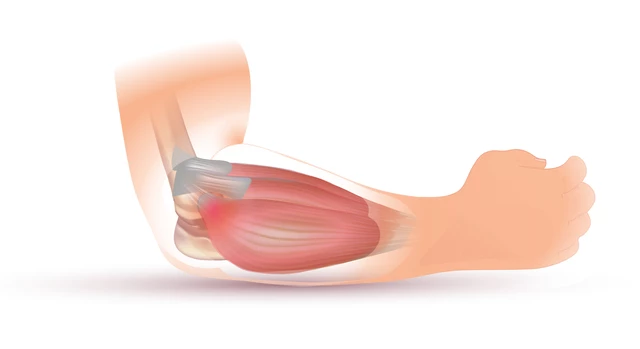
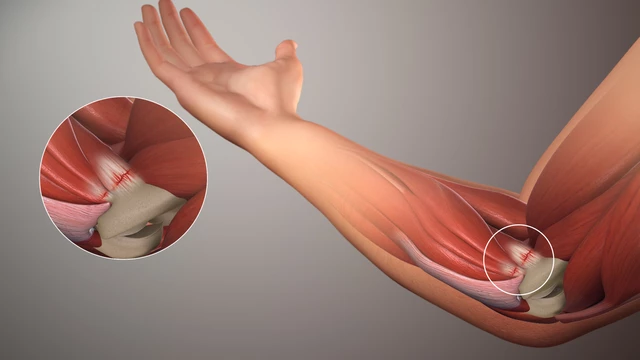
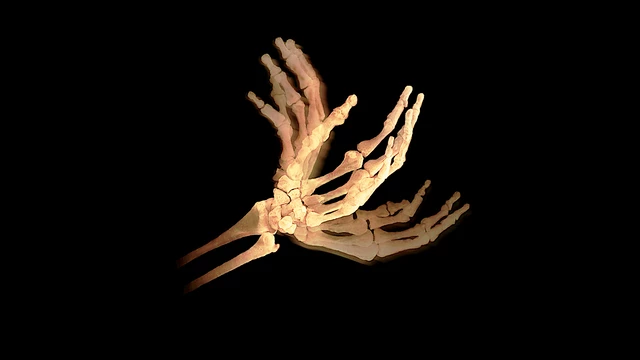
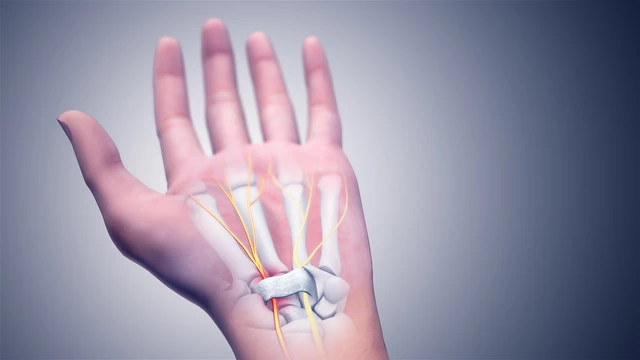
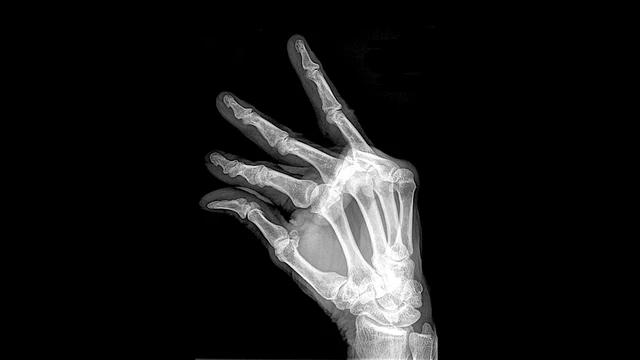
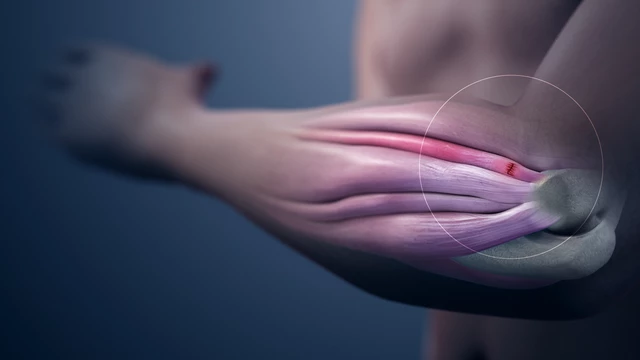
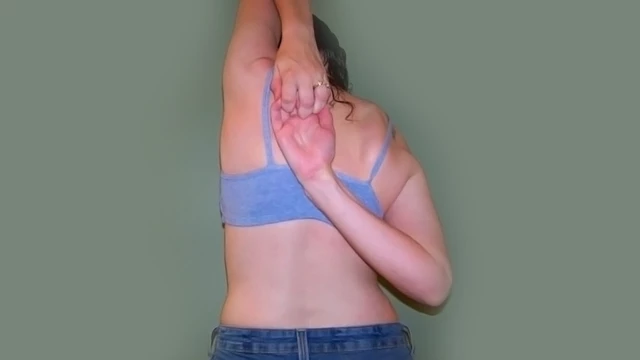
The shoulder, arm, elbow, wrist and hand let people reach, lift and grip. Their problems range from frozen shoulder, rotator cuff injuries and dislocations to tennis elbow, carpal tunnel syndrome and Dupuytren contracture, along with hand differences present at birth such as syndactyly.
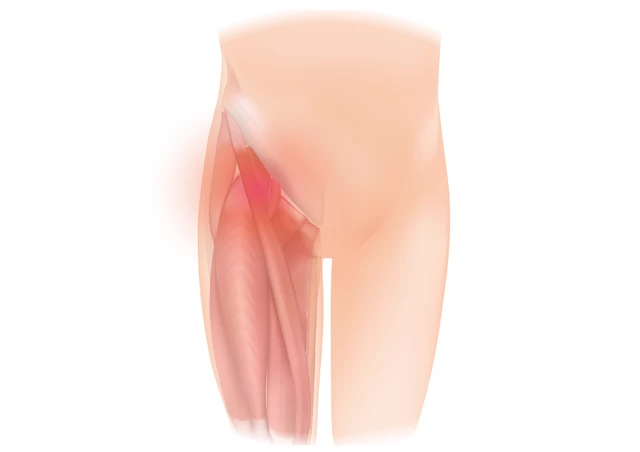
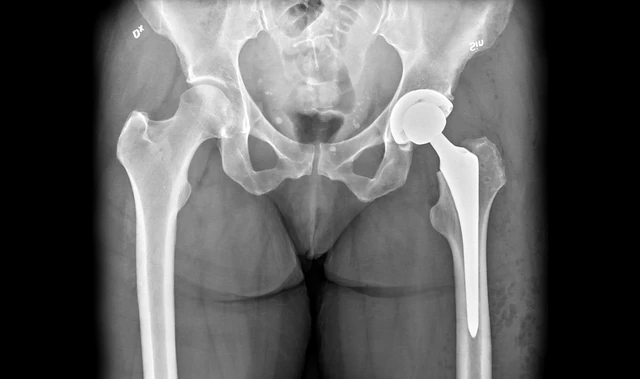
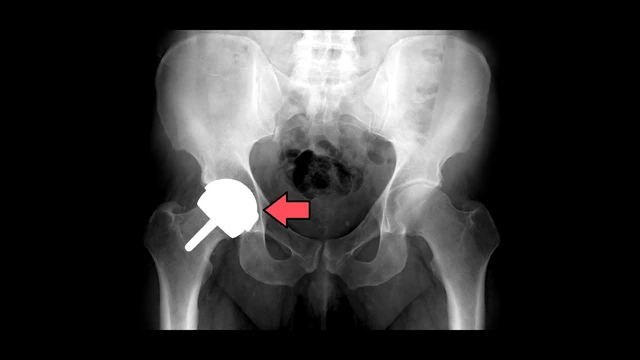
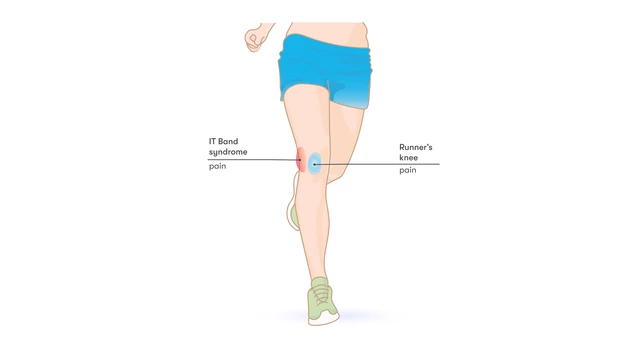
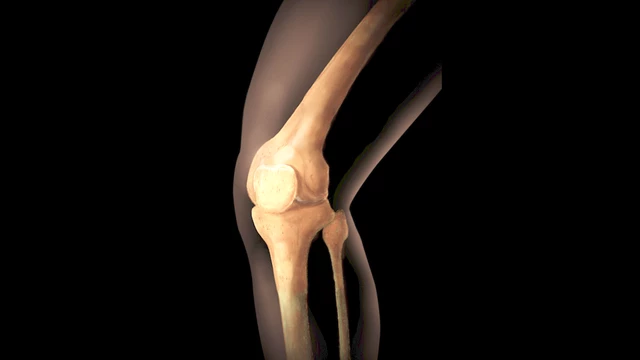
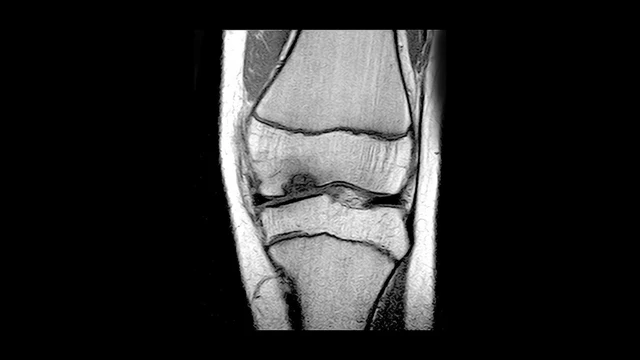
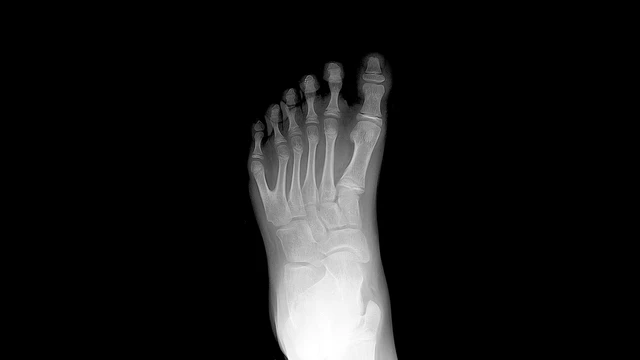
The hips, knees, legs and feet carry the body's weight. Their problems range from hip pain, ACL injuries and kneecap dislocation to restless legs syndrome, bunions, hammer toe and clubfoot, and some lead to hip or knee replacement surgery.
 Foot Injuries and Disorders Foot Health Foot Anatomy Ankle and Foot Joints
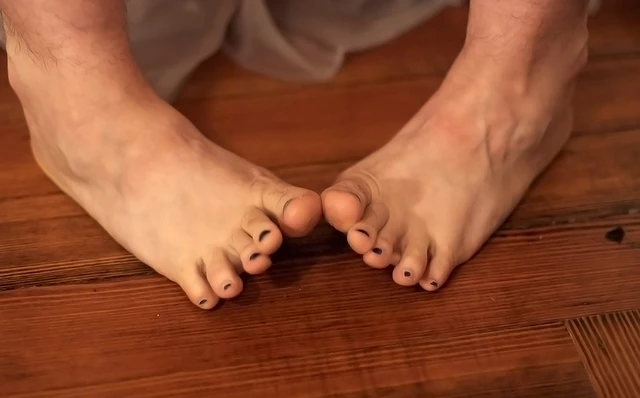 Metatarsus Adductus
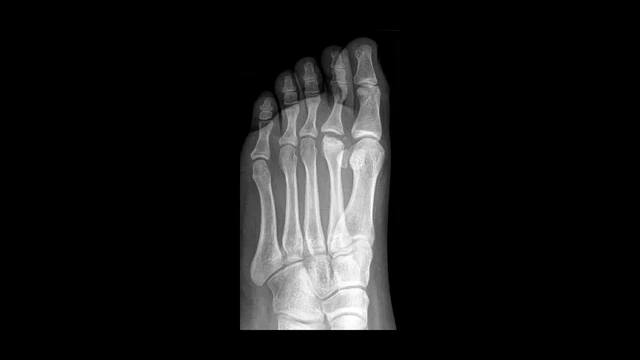 Kohler Disease Syndactyly
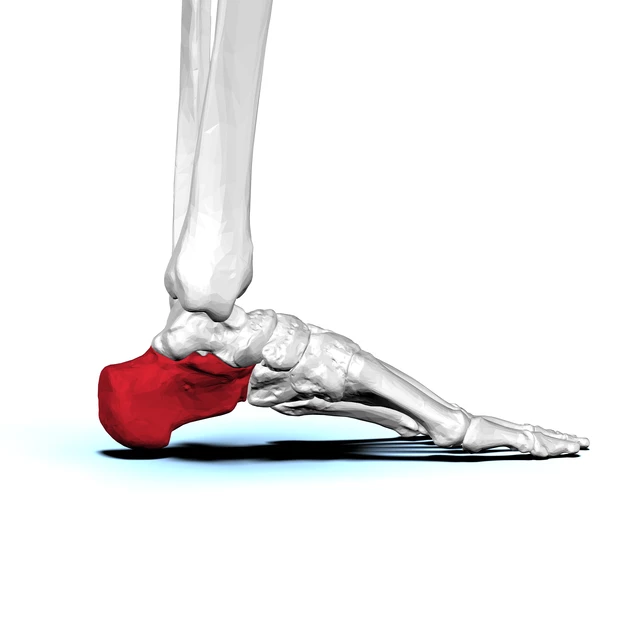 Heel Injuries and Disorders
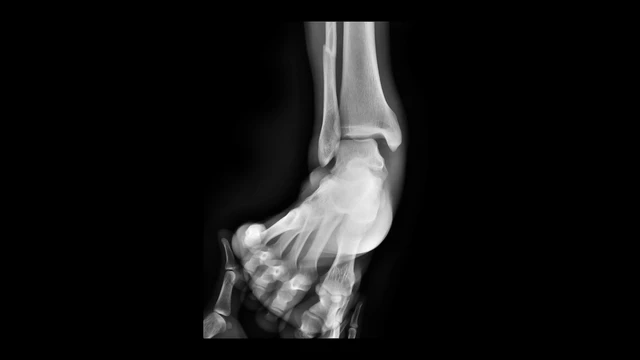 Ankle Injuries and Disorders
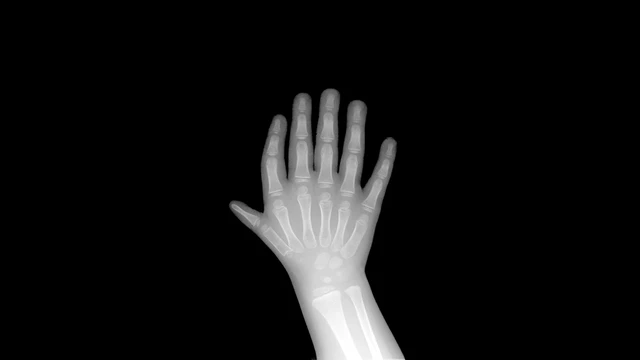 Polydactyly and Syndactyly
 Twenty-Nail Dystrophy
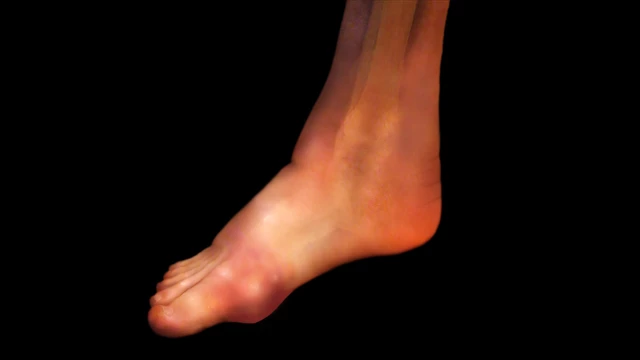 Gout
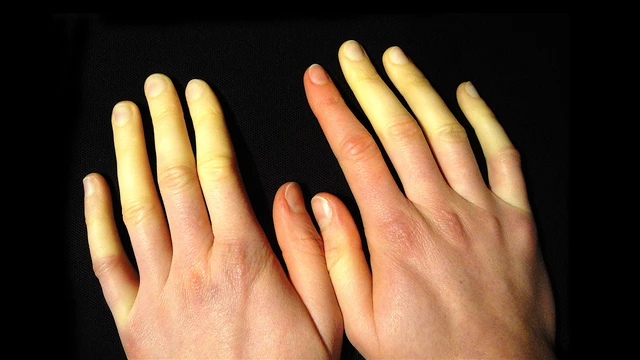 Raynaud's Disease
 Hammer Toe
 Toe Injuries and Disorders
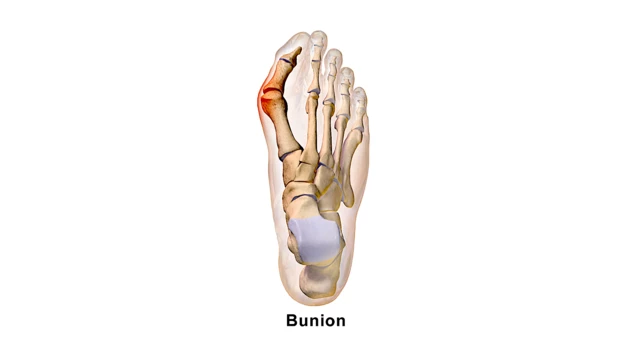 Bunion Clubfoot
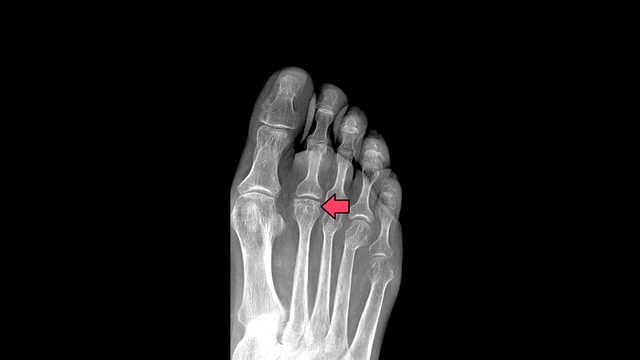 Freiberg Disease
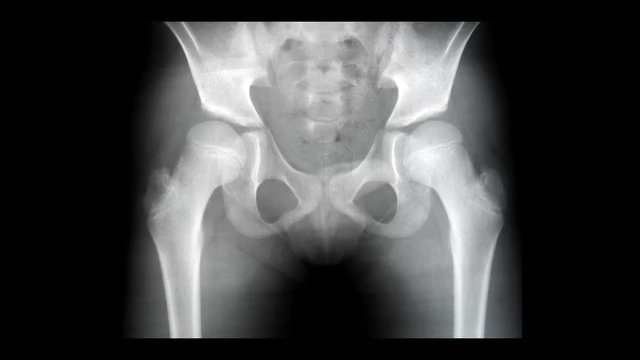
The pelvis is the ring of bones at the base of the spine, and the pelvic floor is the layer of muscles that supports the bladder, bowel and uterus. Pelvic disorders include pelvic pain, weak pelvic support and pelvic organ prolapse, and Kegel exercises work the pelvic floor muscles.
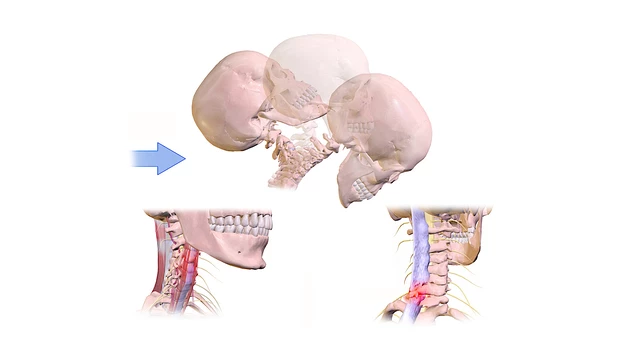
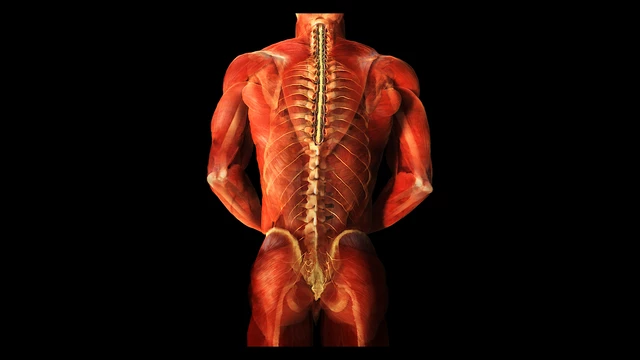
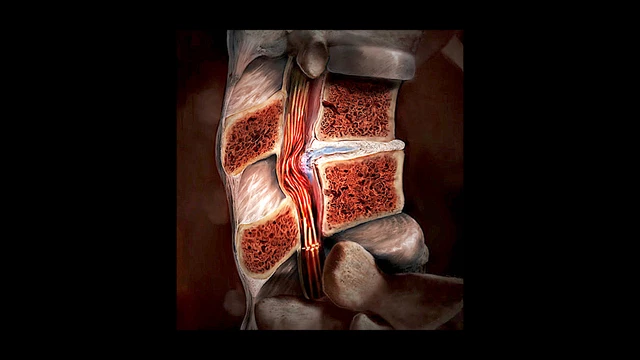
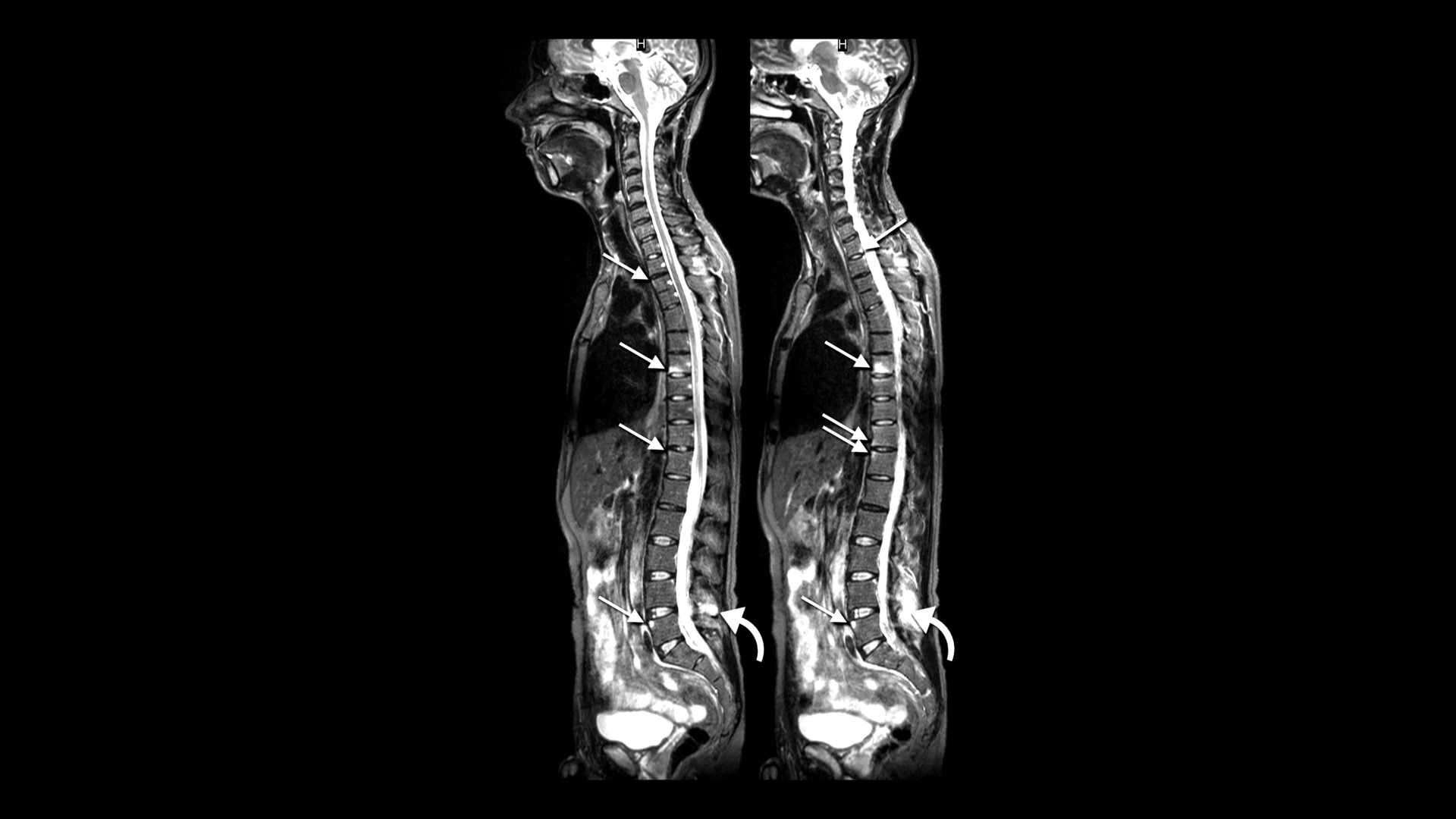
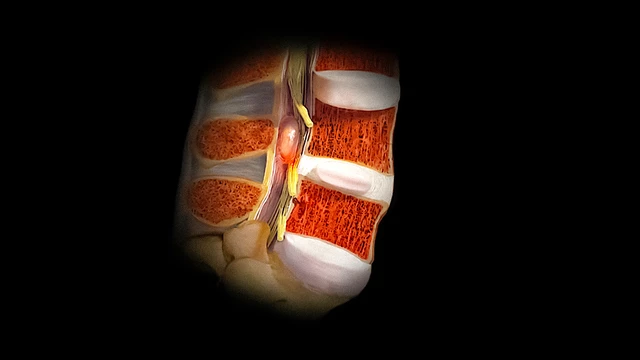
The spine, or vertebral column, supports the body and protects the spinal cord. Its problems range from low back pain, herniated disks and scoliosis to spinal stenosis and compression fractures, and in the neck, from neck pain to whiplash.
Vertebral Column  Spine Injuries and Disorders
 Vertebral Compression Fractures
 Back Injuries
 Low Back Pain
 Back Pain
 Herniated Disk
 Scoliosis Adolescent Idiopathic Scoliosis
 Intervertebral Disc Disease Kyphoscoliotic Ehlers-Danlos Syndrome
 Tarlov Cysts
 Prevent Back Pain Sacrum and Coccyx
 Ankylosing Spondylitis
 Spinal Stenosis Chordoma
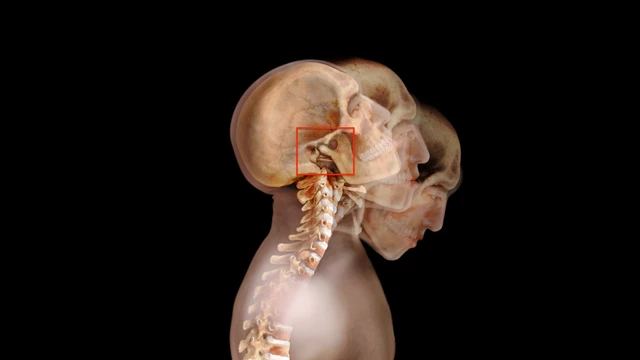
The skull and facial bones protect the brain and shape the face, and the jaw lets people chew and speak. Problems here range from head, facial and nose injuries to temporomandibular disorders of the jaw and differences present at birth, such as cleft lip and palate.
Skull Skull and Facial Bones  Head Injuries
 Facial Injuries and Disorders
 Nose Injuries and Disorders
 Temporomandibular Disorders
 Jaw Injuries and Disorders
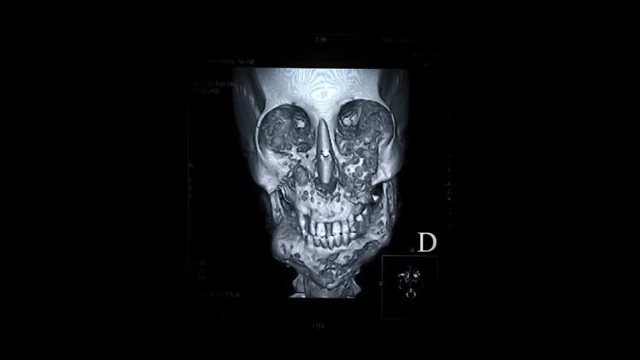 Cherubism Florid Cemento-Osseous Dysplasia Craniofrontonasal Syndrome Craniofacial Abnormalities Morgagni-Stewart-Morel Syndrome Cleft Lip and Palate
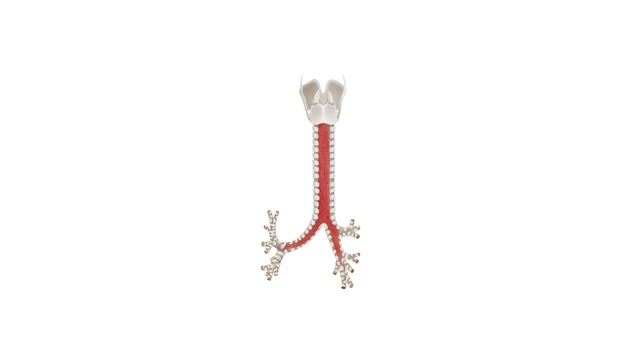
Cartilage is the firm, flexible tissue that cushions the joints and gives shape to the ears, nose and airways. Its disorders include chondromalacia patellae, which softens the cartilage under the kneecap, osteochondritis dissecans, relapsing polychondritis, Tietze syndrome and tracheomalacia.
Tendons attach muscles to bones, and ligaments hold bones together at the joints. Their injuries and disorders include sprains and strains, tendinitis, rotator cuff and Achilles tendon injuries, tennis elbow and ganglion cysts.
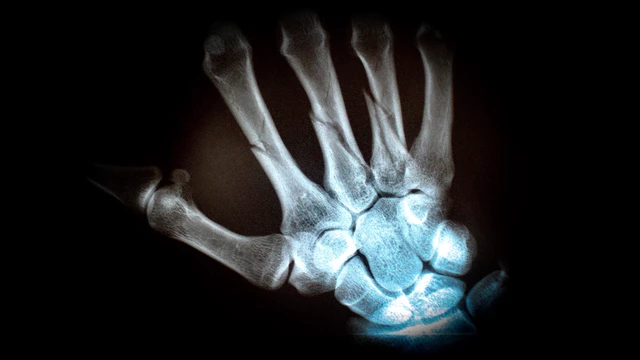
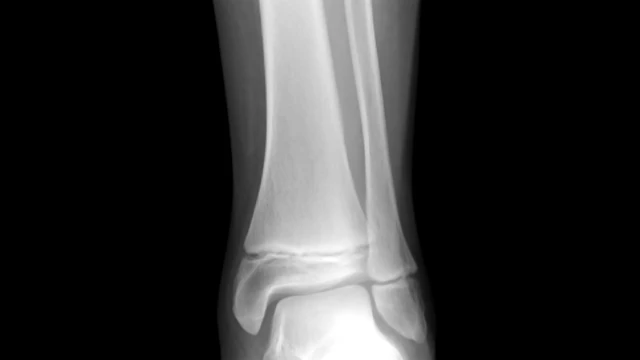
A fracture is a broken bone, and a dislocation is a joint forced out of place; both often follow falls and sports injuries. They range from rib, nose and spinal compression fractures and growth plate injuries in children to dislocated shoulders and kneecaps.
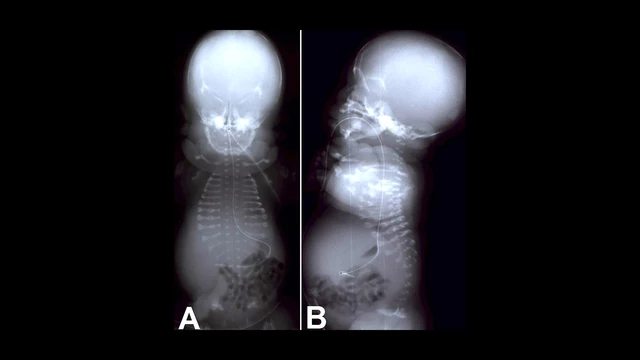
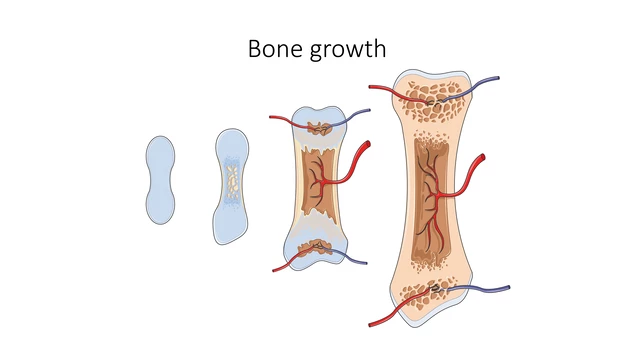
Bone growth disorders change how the skeleton grows, in some cases before birth. They include growth plate injuries, which can disturb how a child's bones grow, dwarfism, and rare inherited skeletal conditions such as achondrogenesis and hypochondrogenesis.
Movement disorders are nervous system conditions that cause unwanted, slowed or uncontrolled movement. They include Parkinson's disease, dystonia, essential tremor, Tourette syndrome and progressive supranuclear palsy, as well as walking problems.
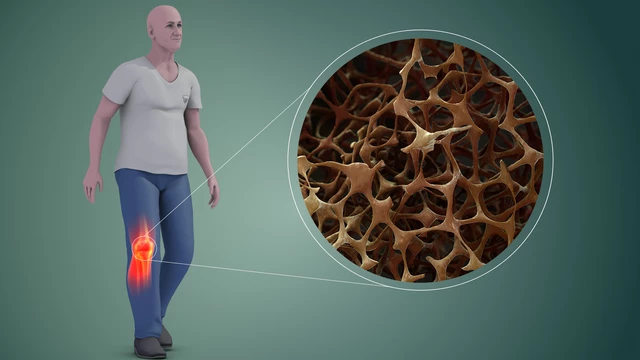
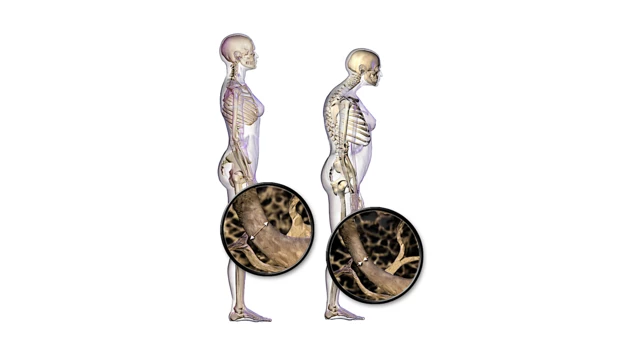
Osteoporosis makes bones weak and brittle, so they break more easily. It can affect women, men and even children, and it often follows osteopenia, or low bone density. Bone density screening can find it before a bone breaks, and a few forms are inherited.
Bone cancers start in the bones or the tissue around them, and some, like osteosarcoma and Ewing sarcoma, most often affect children and young adults. Other types include chondrosarcoma, chordoma, adamantinoma and ameloblastoma, a tumor of the jaw.
No HealthJournal in this journey matches. Try another word, or all collections.
HealthJournals are visually immersive guides to a wide range of health and wellness topics, from diseases and conditions to treatments, procedures, anatomy, nutrition and more. Each is a carefully curated selection of videos, images, interactives and authoritative information that makes its topic easier to understand.
Bring your records into StoryMD, and follow Bones, joints and muscles with a companion that knows your history.