Start your free trial

30 HealthJournals

Colorectal cancer basics

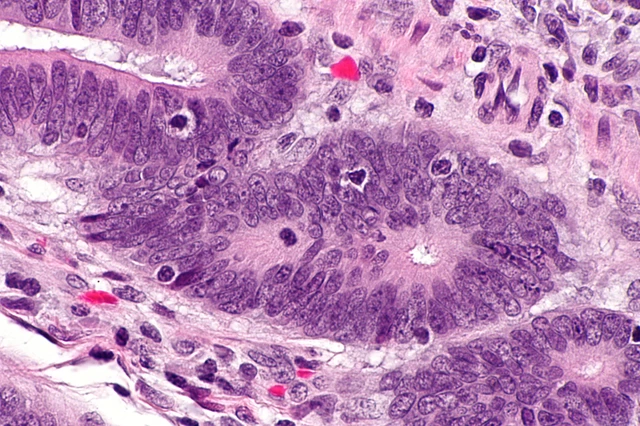
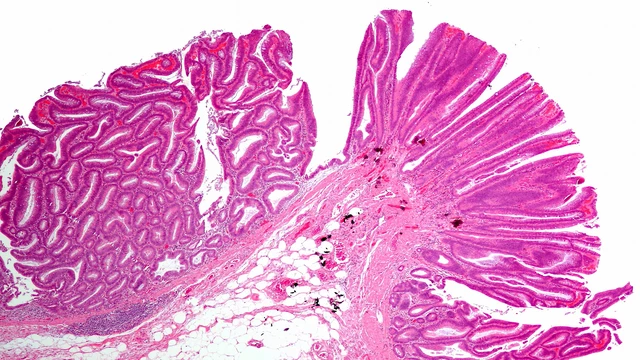
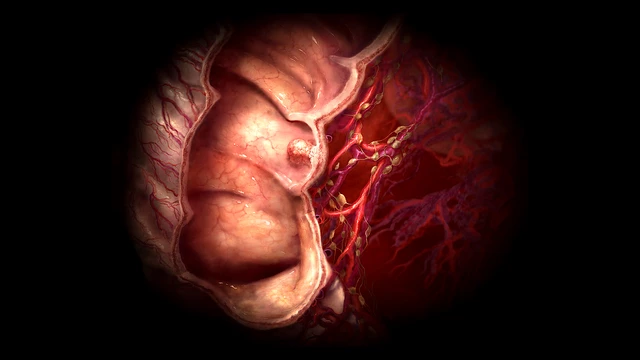
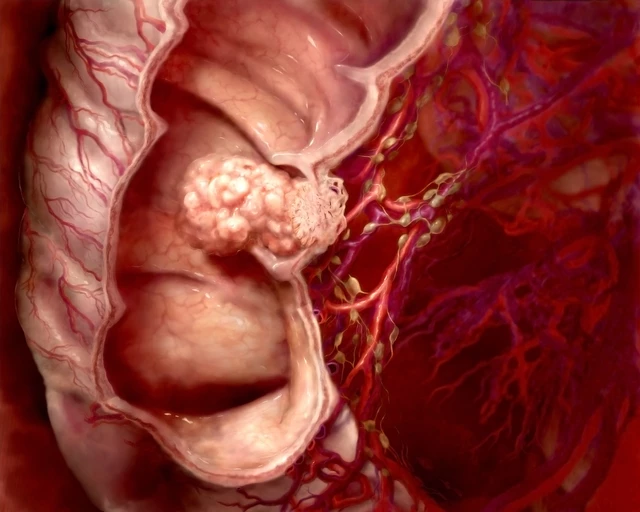
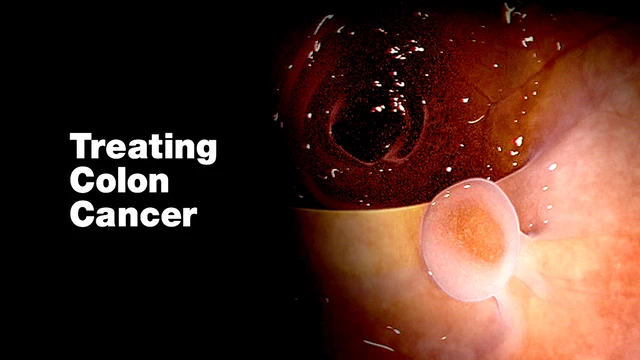
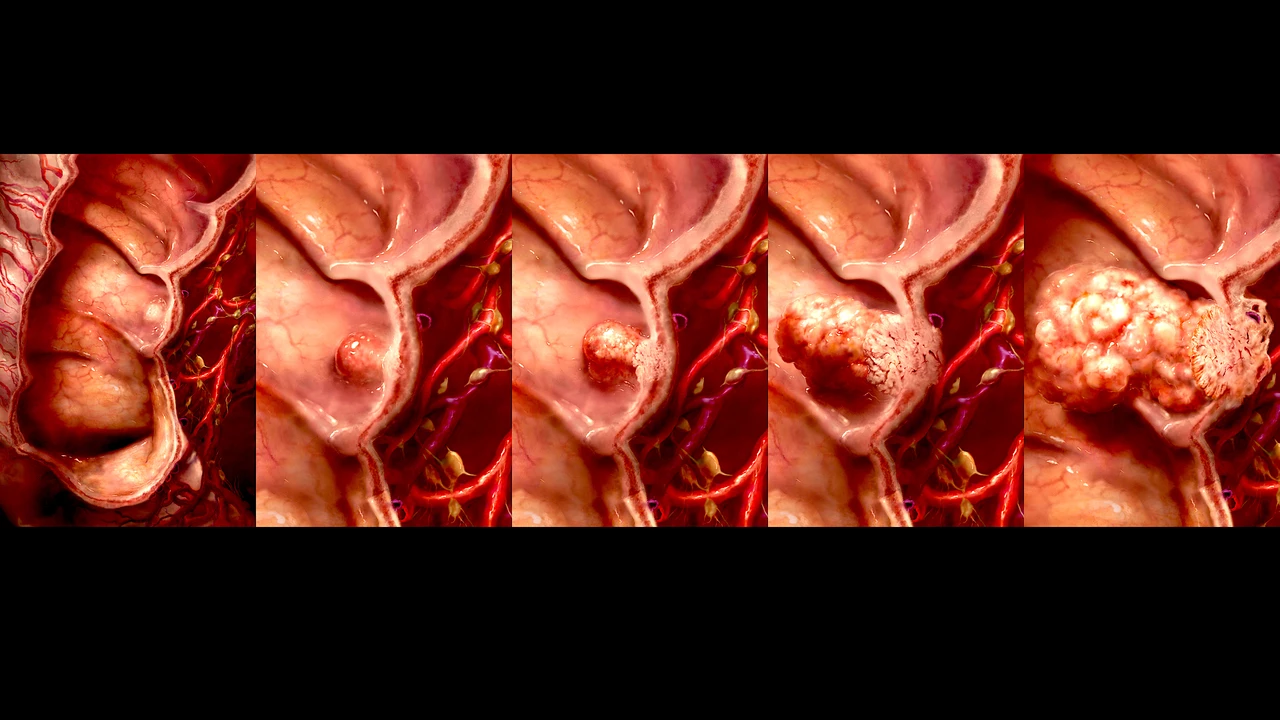
Colorectal cancer, sometimes called colon cancer, occurs when tumors form in the lining of the colon or rectum. The risk for colorectal cancer increases after age 45. If you're over 45, screening is important and includes colonoscopy. Learn more about screening, symptoms, risk factors, and treatments.

Colorectal anatomy

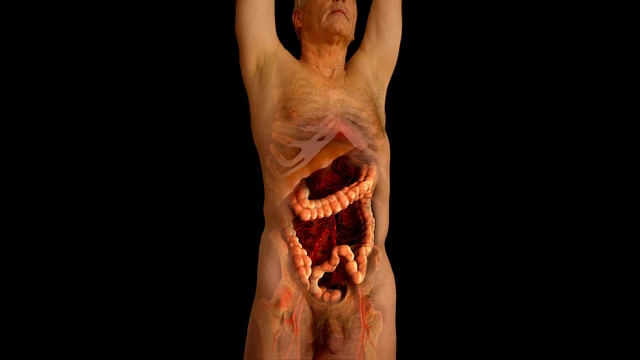
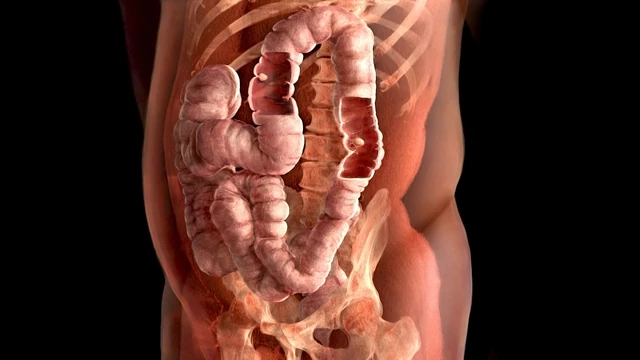
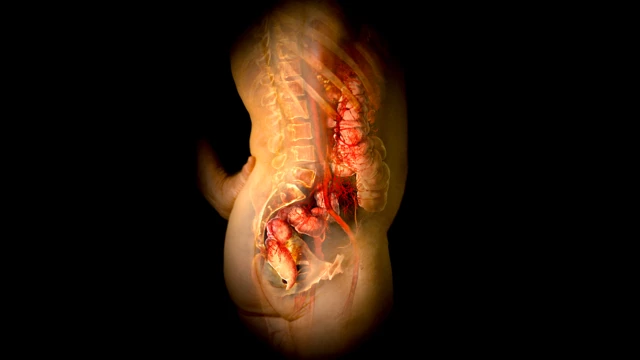
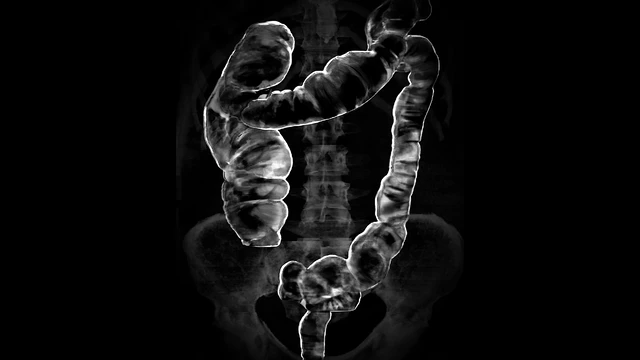
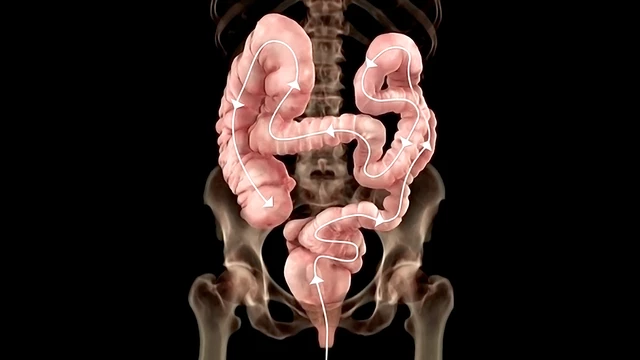
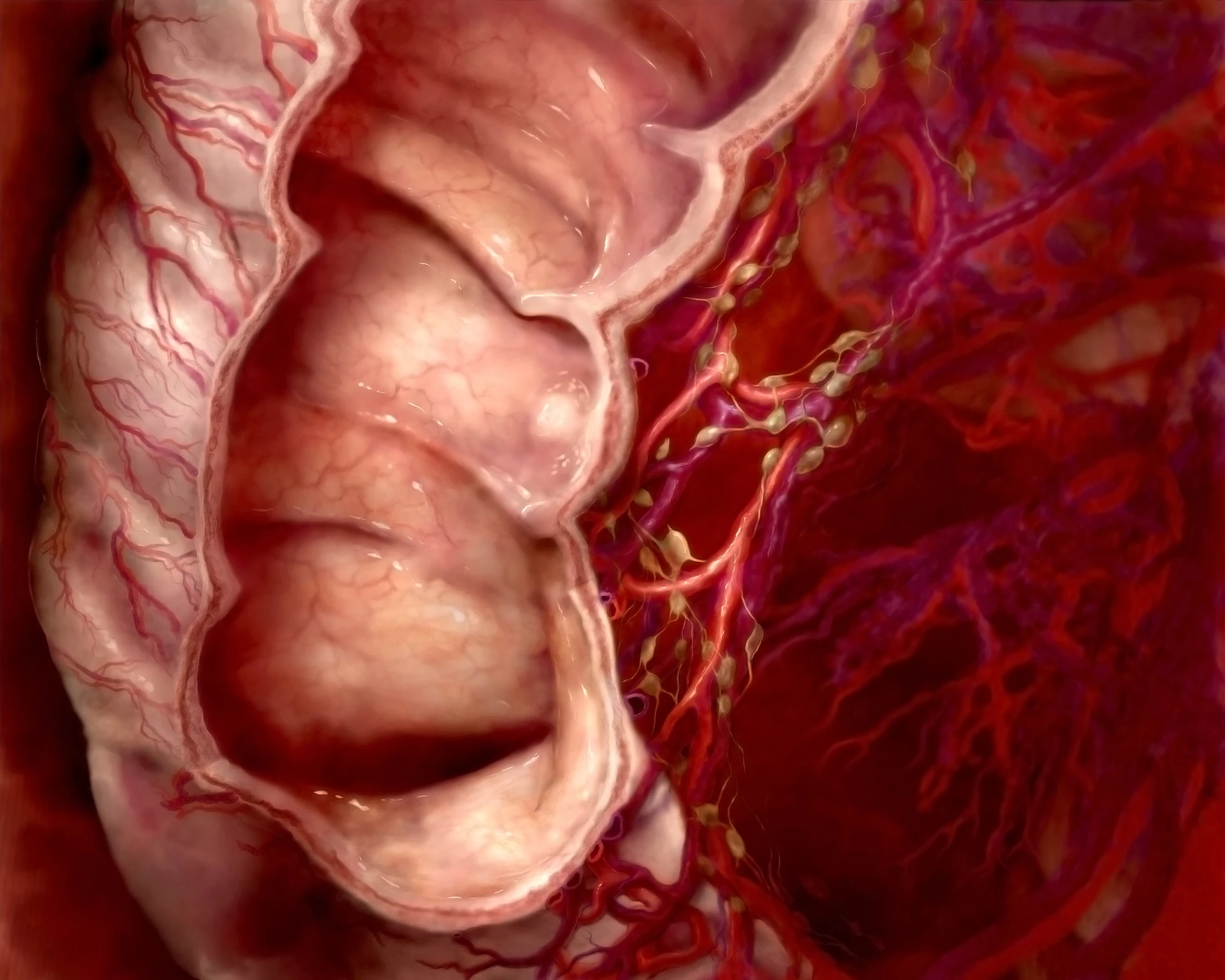
The colon, or large intestine, is made up of four sections: the ascending colon, the transverse colon, the descending colon, and the sigmoid colon. The rectum is the lower end of the large intestine leading to the anus. The anus is a 1-inch opening at the end of your digestive tract through which stool leaves your body. Learn more.

Colorectal cancer prevention

Colorectal cancer is the third leading cause of death from cancer in the U.S. Avoiding known risk factors, such as alcohol use and cigarette smoking, and increasing protective factors, such as having a healthy lifestyle, taking aspirin, and removing polyps, may help prevent cancer. Learn more about risk and protective factors for colorectal cancer.

Colorectal cancer screening and diagnosis

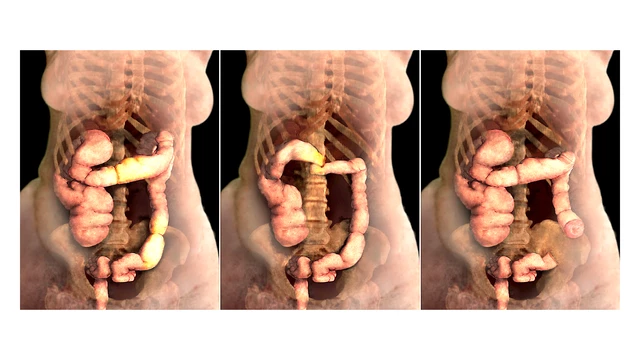
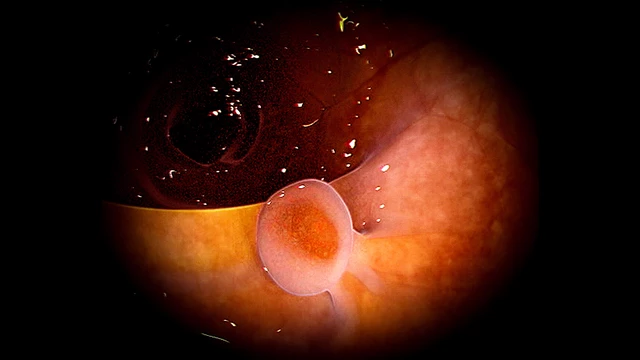
Colorectal cancer screening can find polyps and cancer early, when it is easier to treat, and removing polyps can prevent it. The tests range from stool tests to colonoscopy and virtual colonoscopy, and genetic testing for Lynch syndrome finds an inherited cause of colorectal cancer.

Colorectal cancer treatment

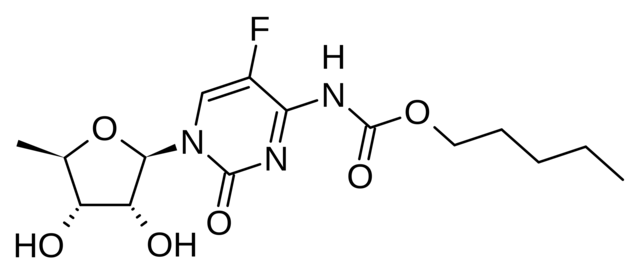
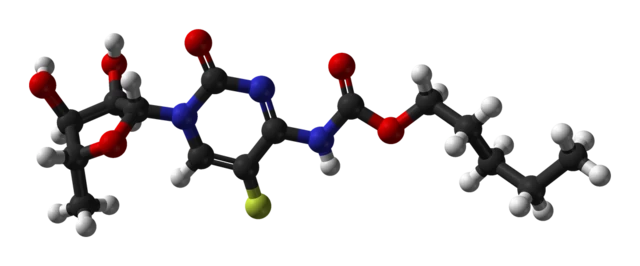
Colorectal cancer is often treated with chemotherapy combinations named for the initials of their drugs. They include FOLFOX, XELOX, XELIRI and FU-LV, and FOLFIRI alone or with bevacizumab or cetuximab, each with its drugs, schedule and common side effects.

Colorectal cancer research

Colorectal cancer research covers the work under way to better prevent, screen for and treat colorectal cancer. It follows what recent studies have found about the disease and how researchers are turning those findings into new screening tests and treatments.

Colorectal cancer for health professionals

Clinician summaries of colorectal cancer, written for health professionals. They cover the genetics of colorectal cancer, its screening and prevention and the treatment of colon cancer and of rectal cancer, each summarized separately.

The library's building blocks

HealthJournals: immersive guides to health.

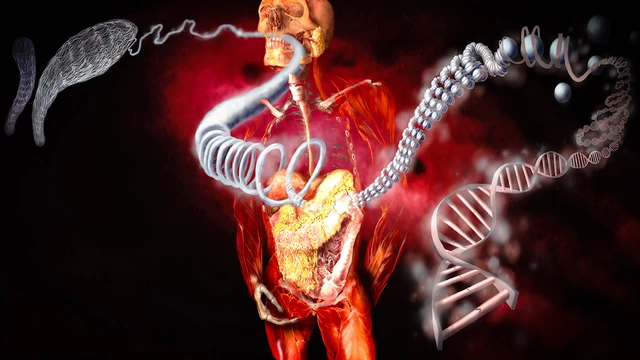
HealthJournals are visually immersive guides to a wide range of health and wellness topics, from diseases and conditions to treatments, procedures, anatomy, nutrition and more. Each is a carefully curated selection of videos, images, interactives and authoritative information that makes its topic easier to understand.

Your health, in one place

Make it your journey.

Bring your records into StoryMD, and follow Colorectal cancer with a companion that knows your history.