
Start your free trial

297 HealthJournals

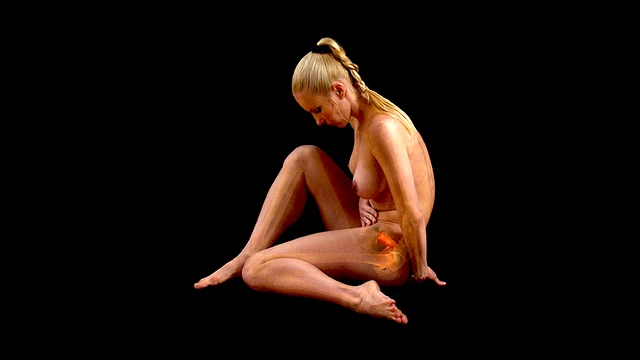
Female anatomy

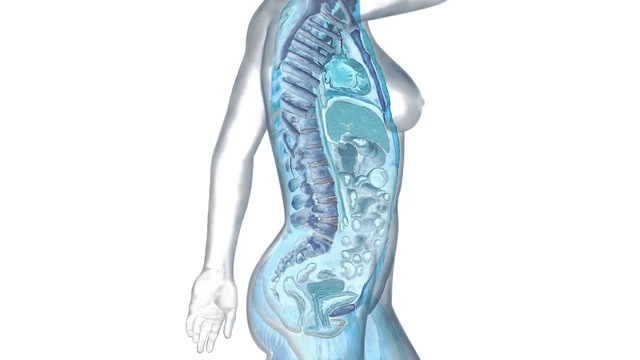
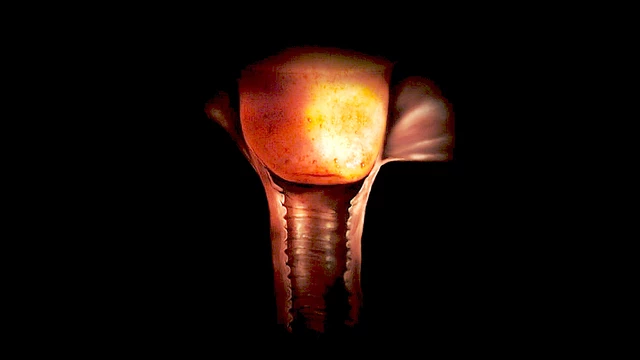
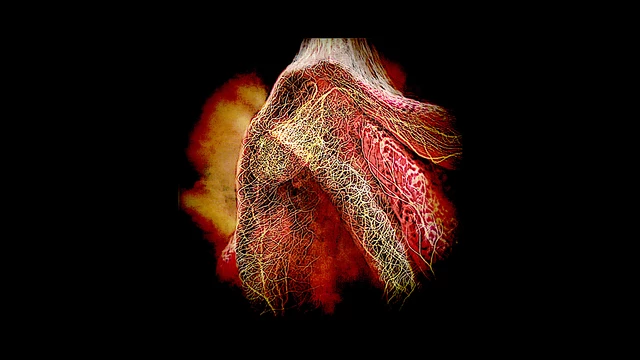
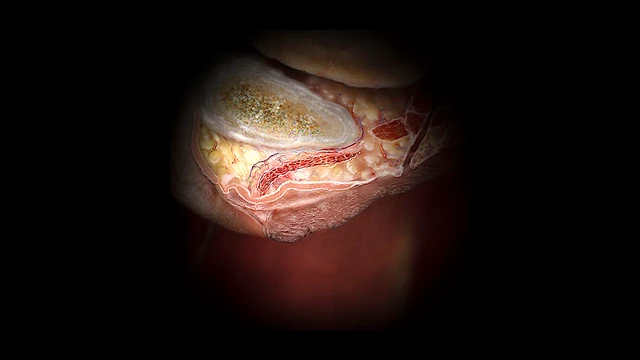
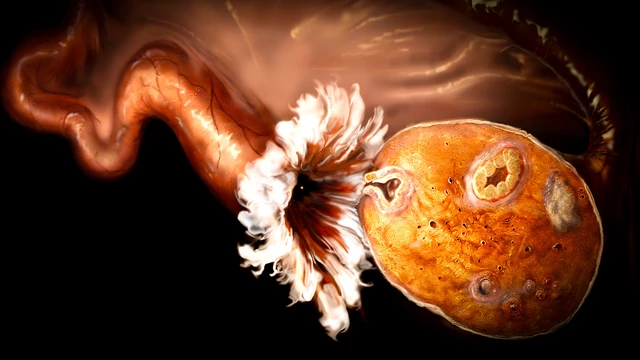
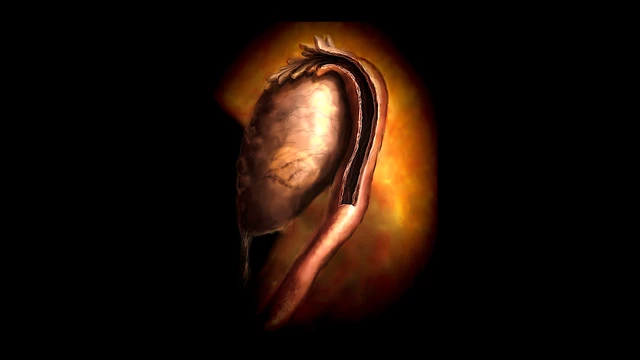
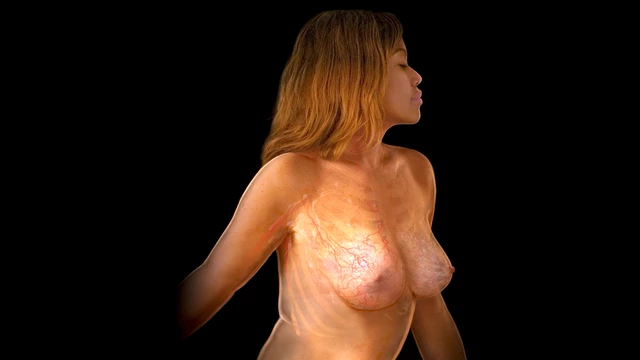
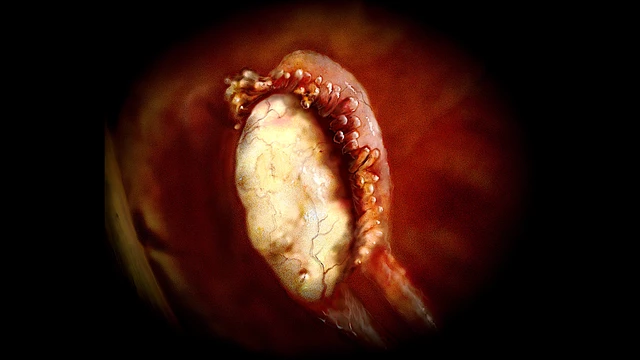
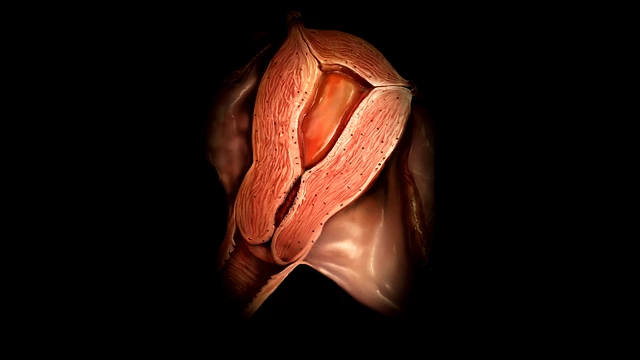
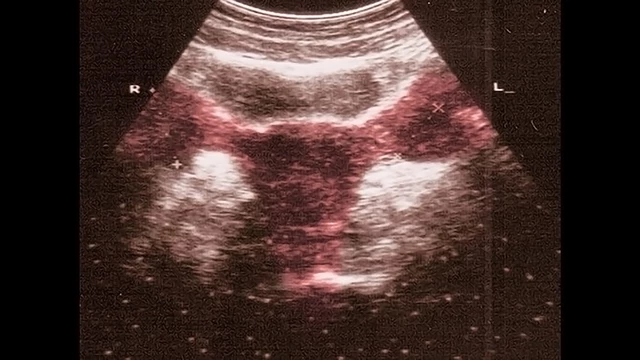
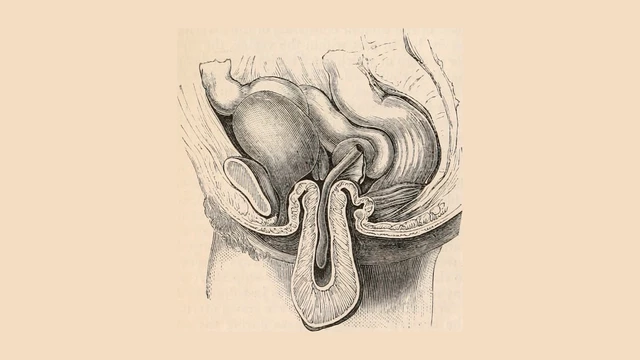
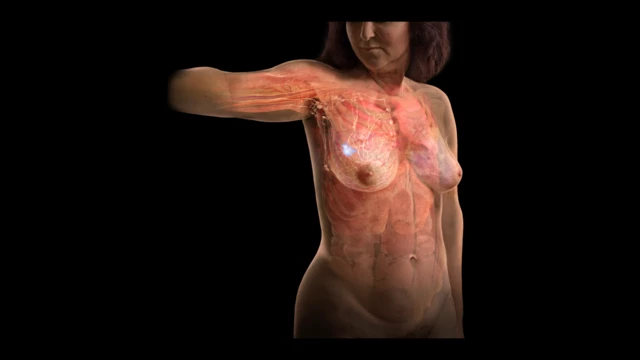
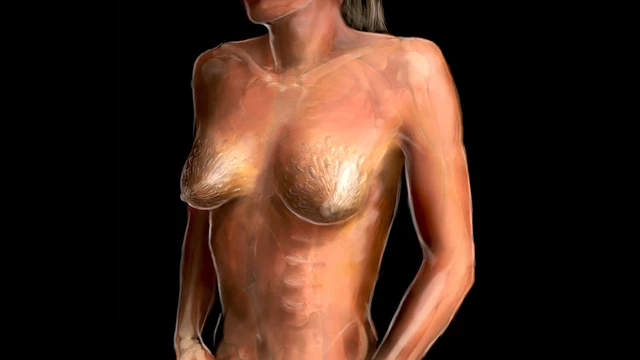
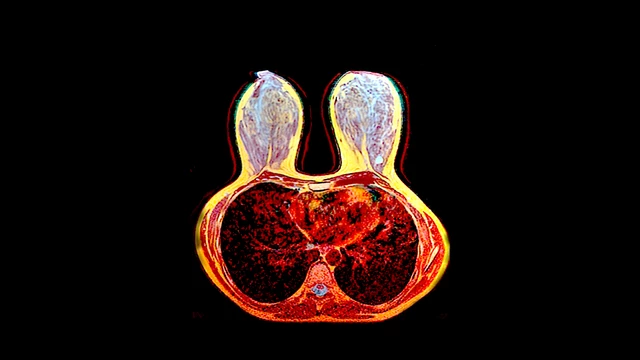
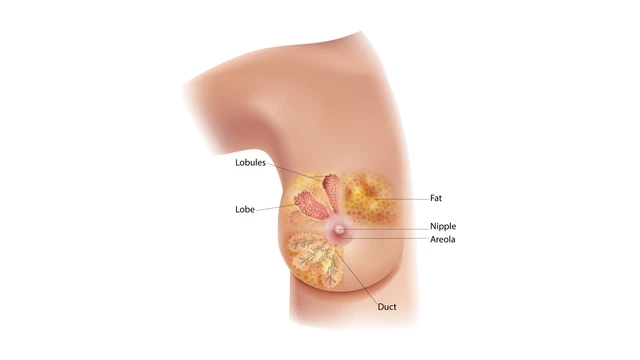
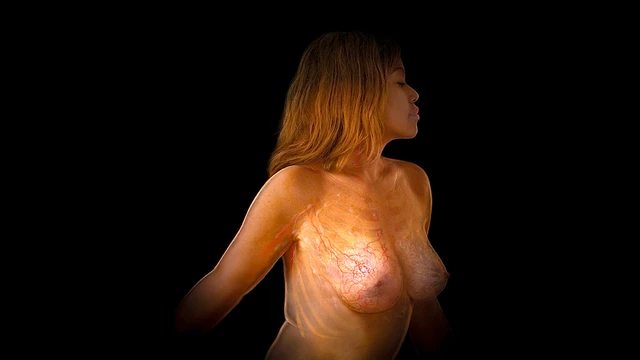
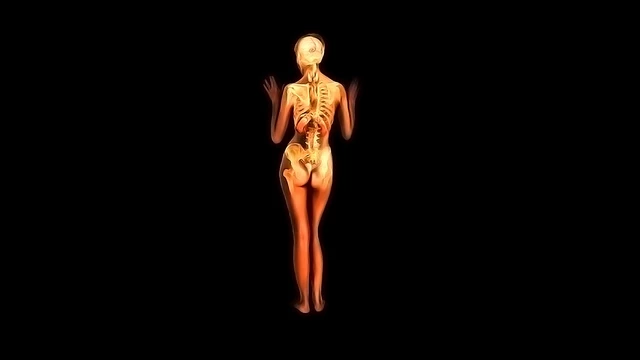
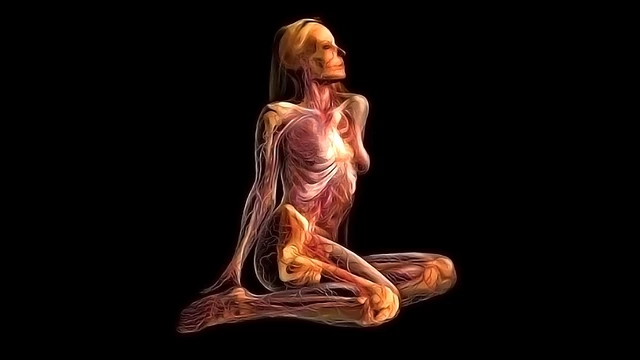
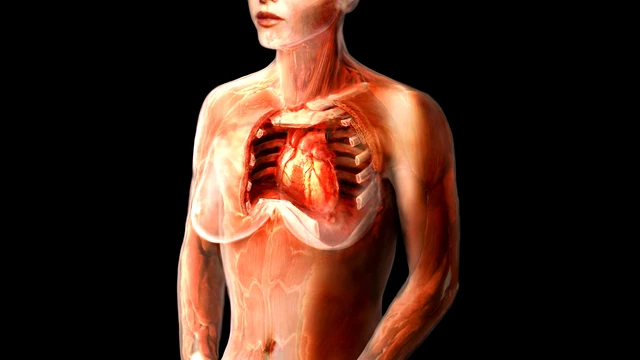
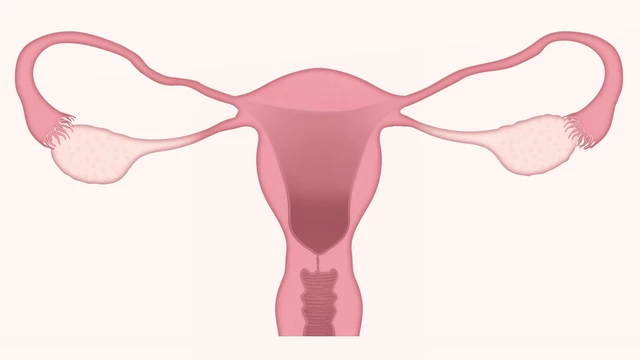
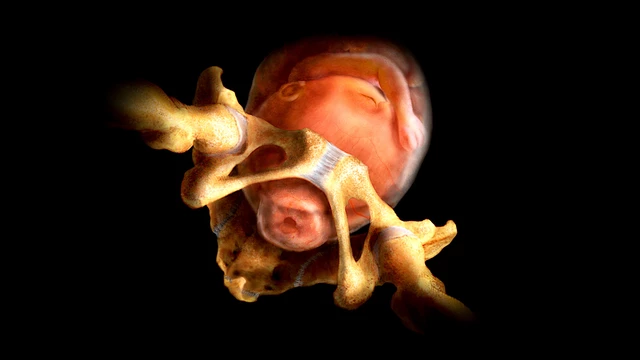
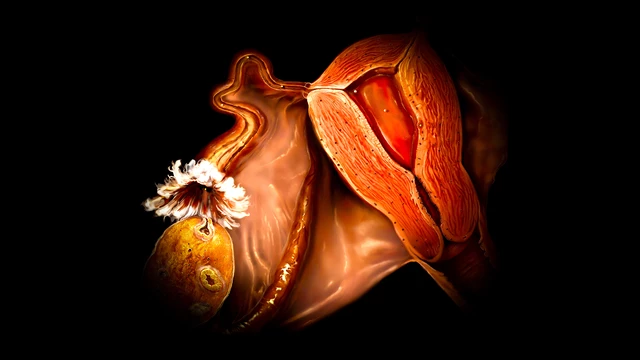
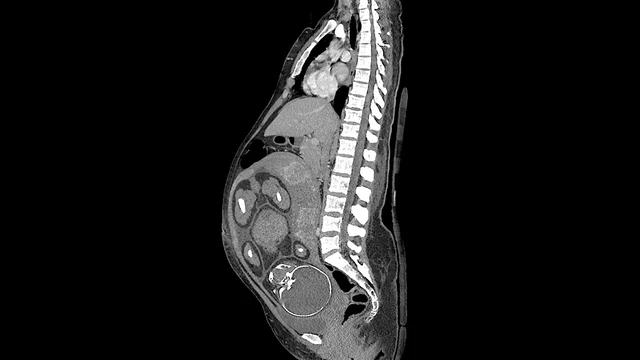
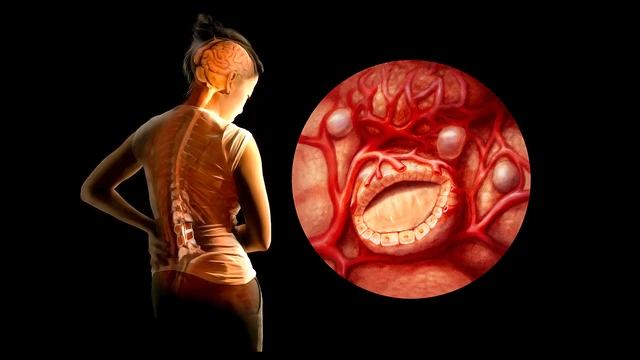
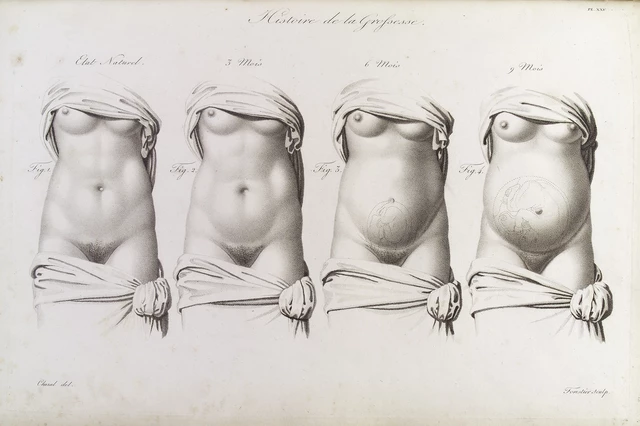
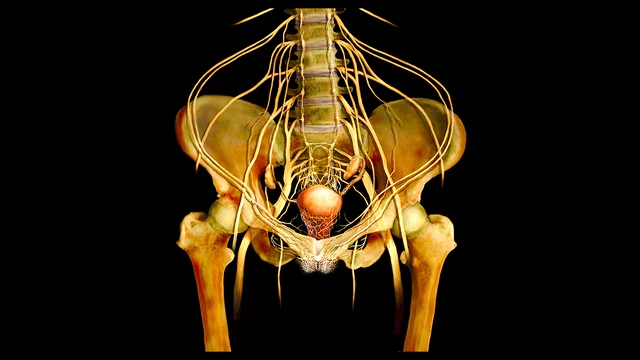
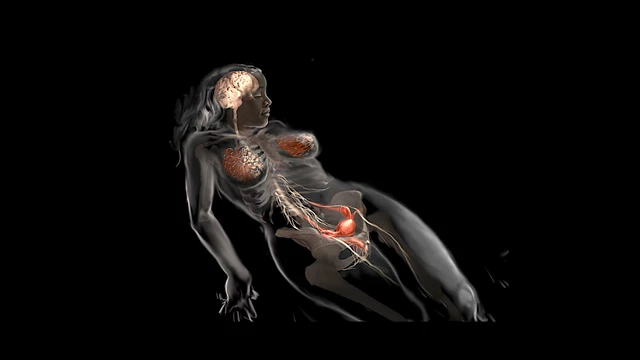
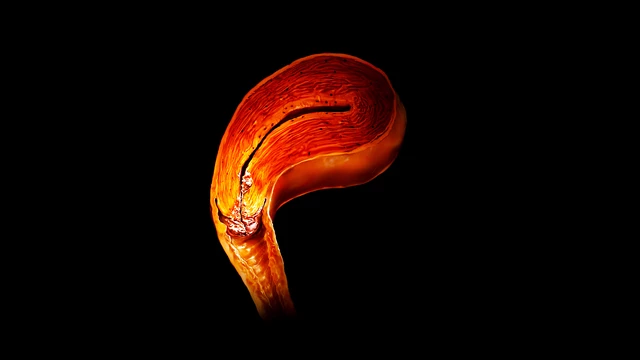
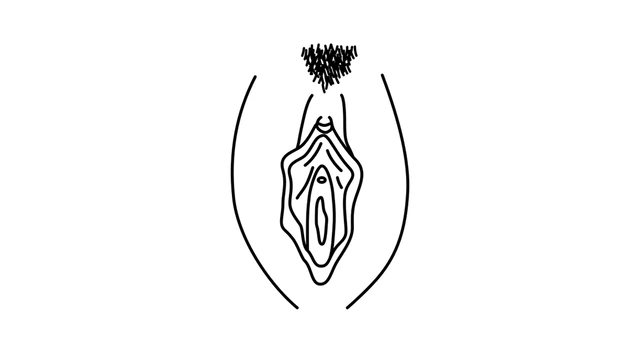
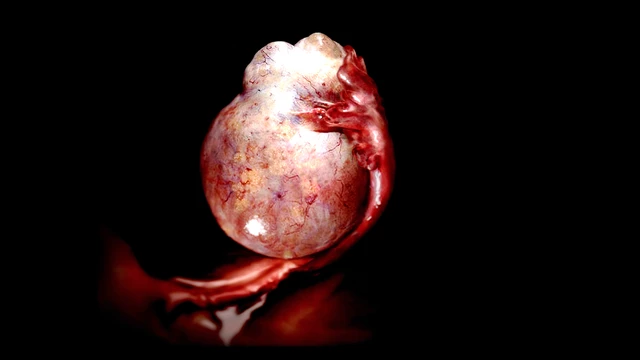
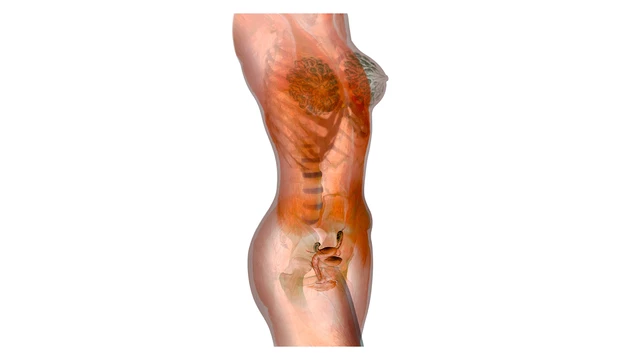
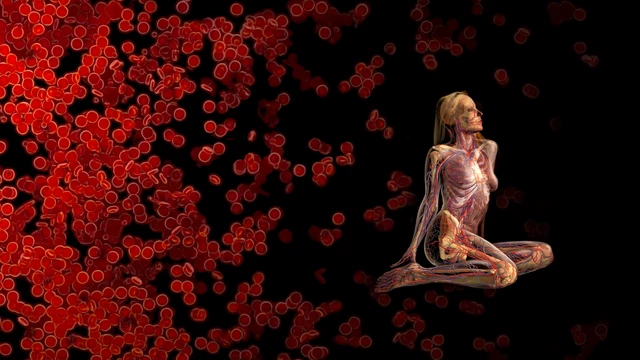
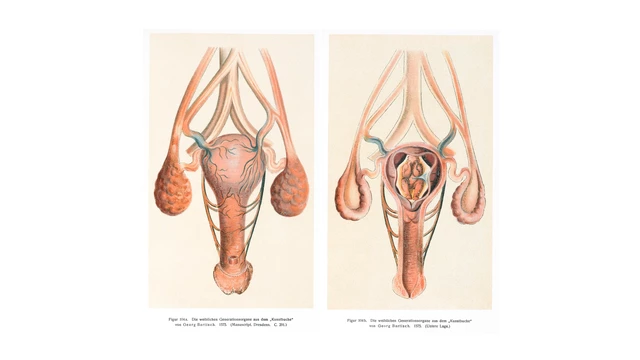
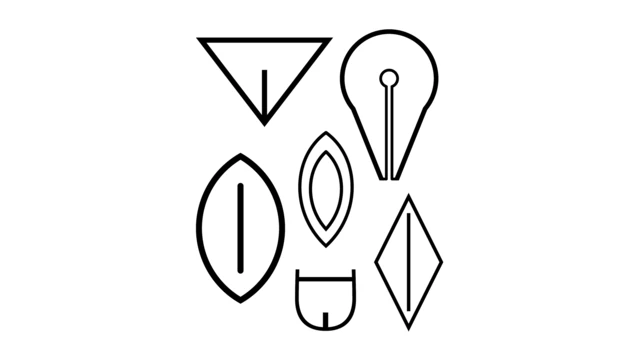
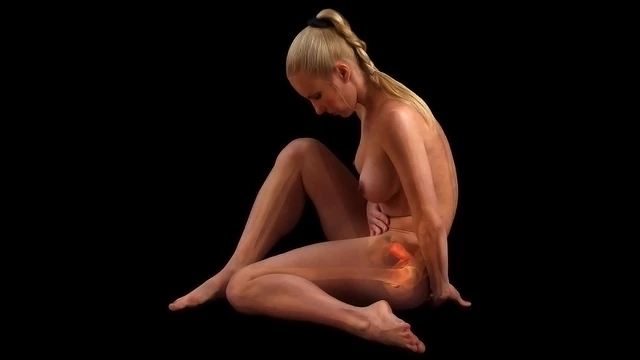
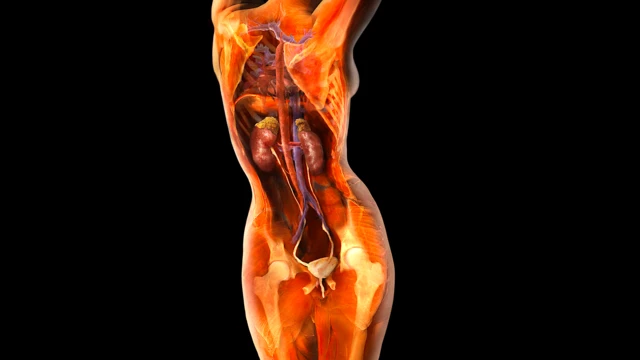
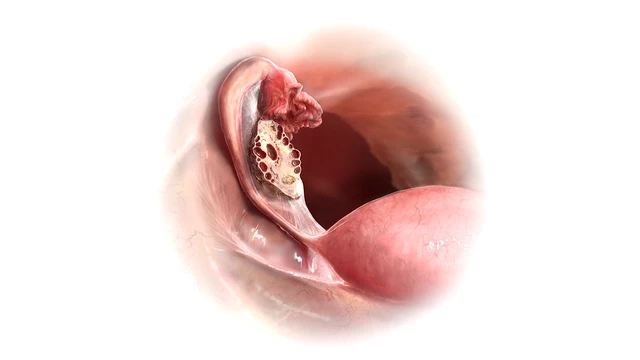
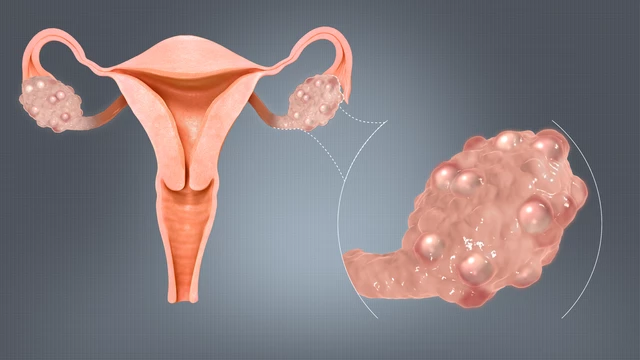
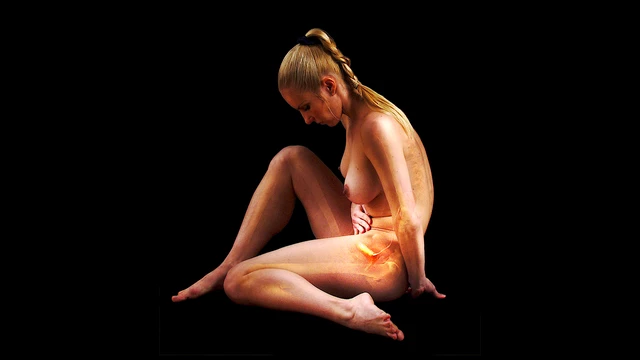
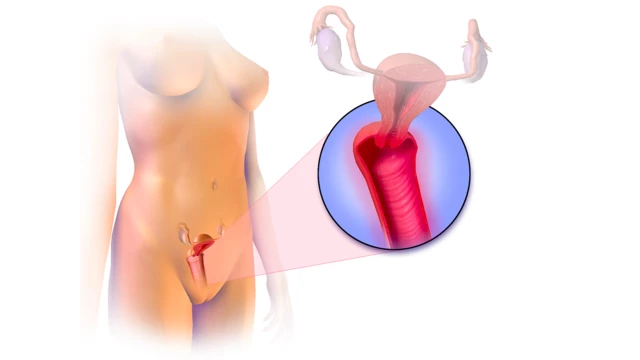
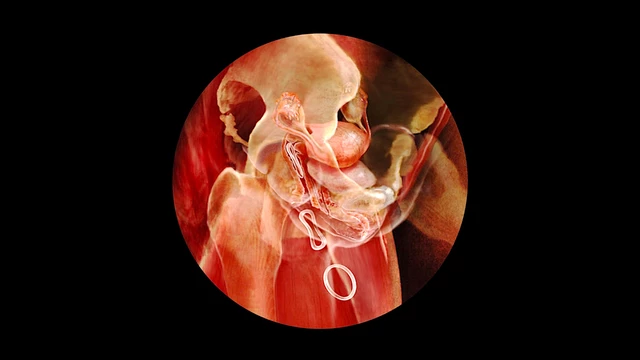
Female anatomy includes internal reproductive organs like the ovaries and uterus, as well as external genitals like the vulva, and accessory organs like the breasts. These body parts work together to perform a variety of functions like menstruation, reproduction, and having sex.

Women's checkups and tests

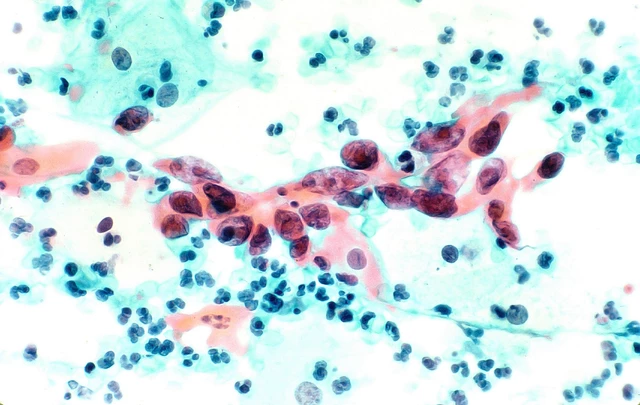
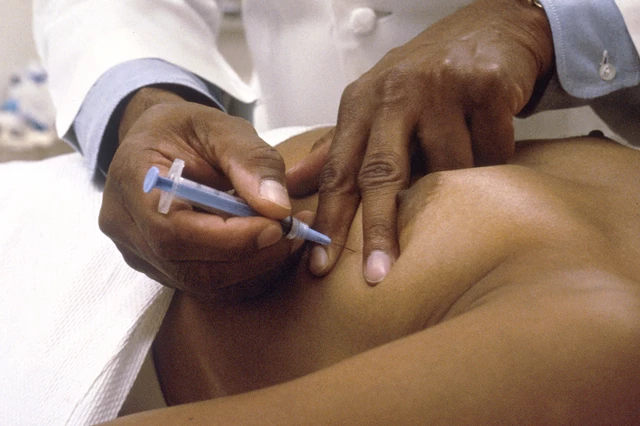
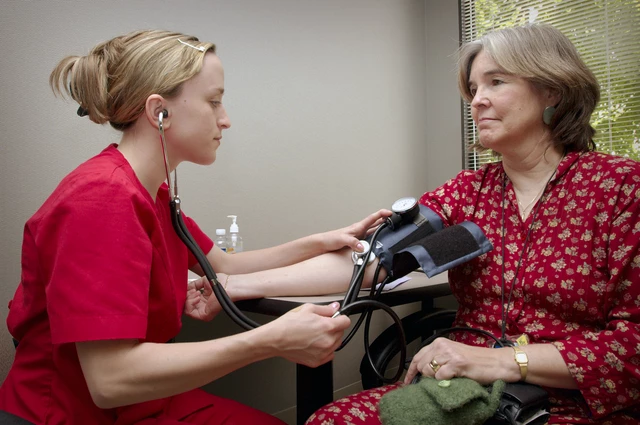
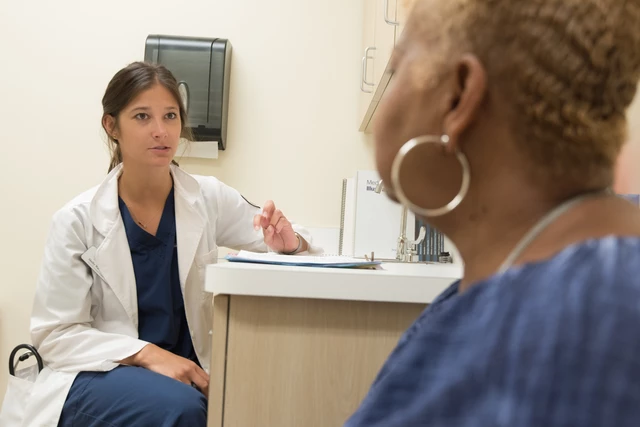
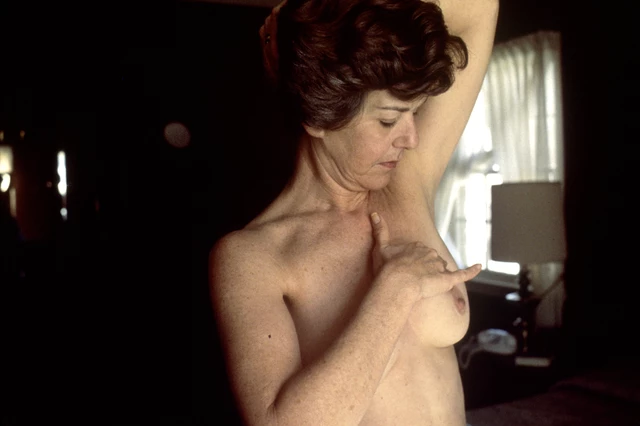
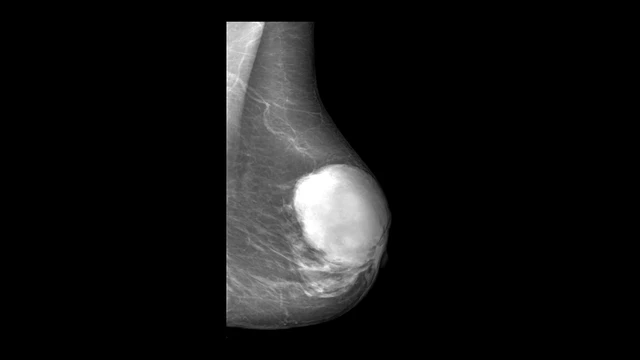
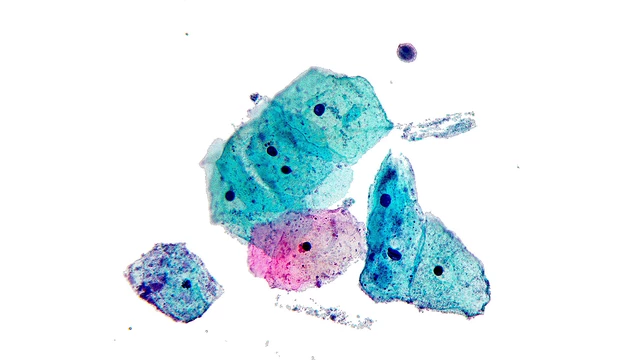
Checkups and screening tests can catch health problems in women early, including cancers. They include the women's health checkup, cervical cancer screening and cervical dysplasia, mammography, breast changes and breast biopsy, and endometrial cancer screening.

Women's mental health

Women's mental health is shaped in part by hormones, pregnancy and life events. It covers depression in women, perinatal and postpartum depression, bipolar disorder, body image and body dysmorphic disorder, eating disorders such as anorexia, bulimia and binge eating, and intimate partner violence.

Women's reproductive health

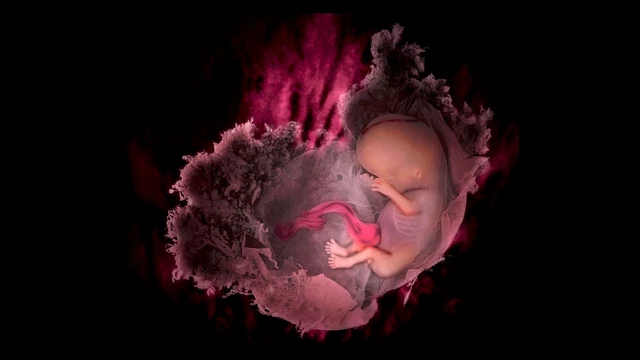
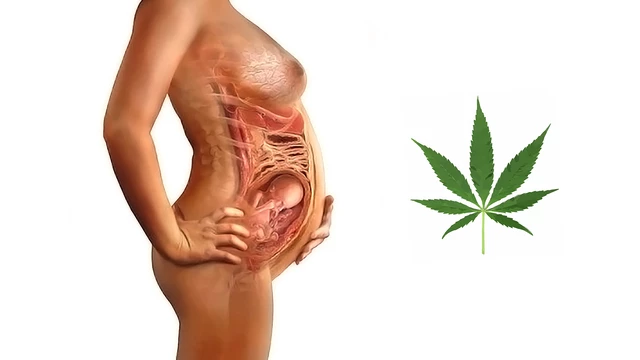
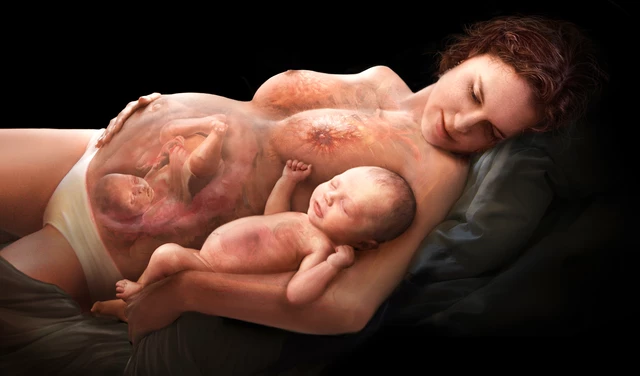
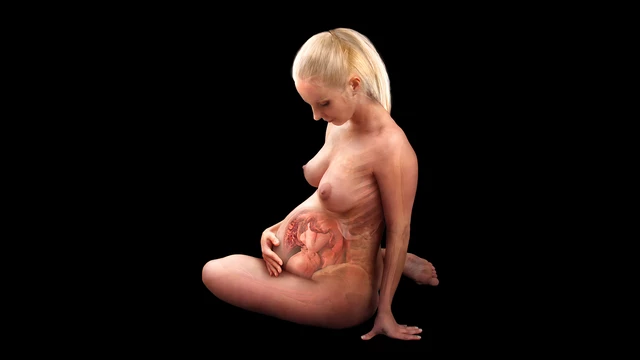
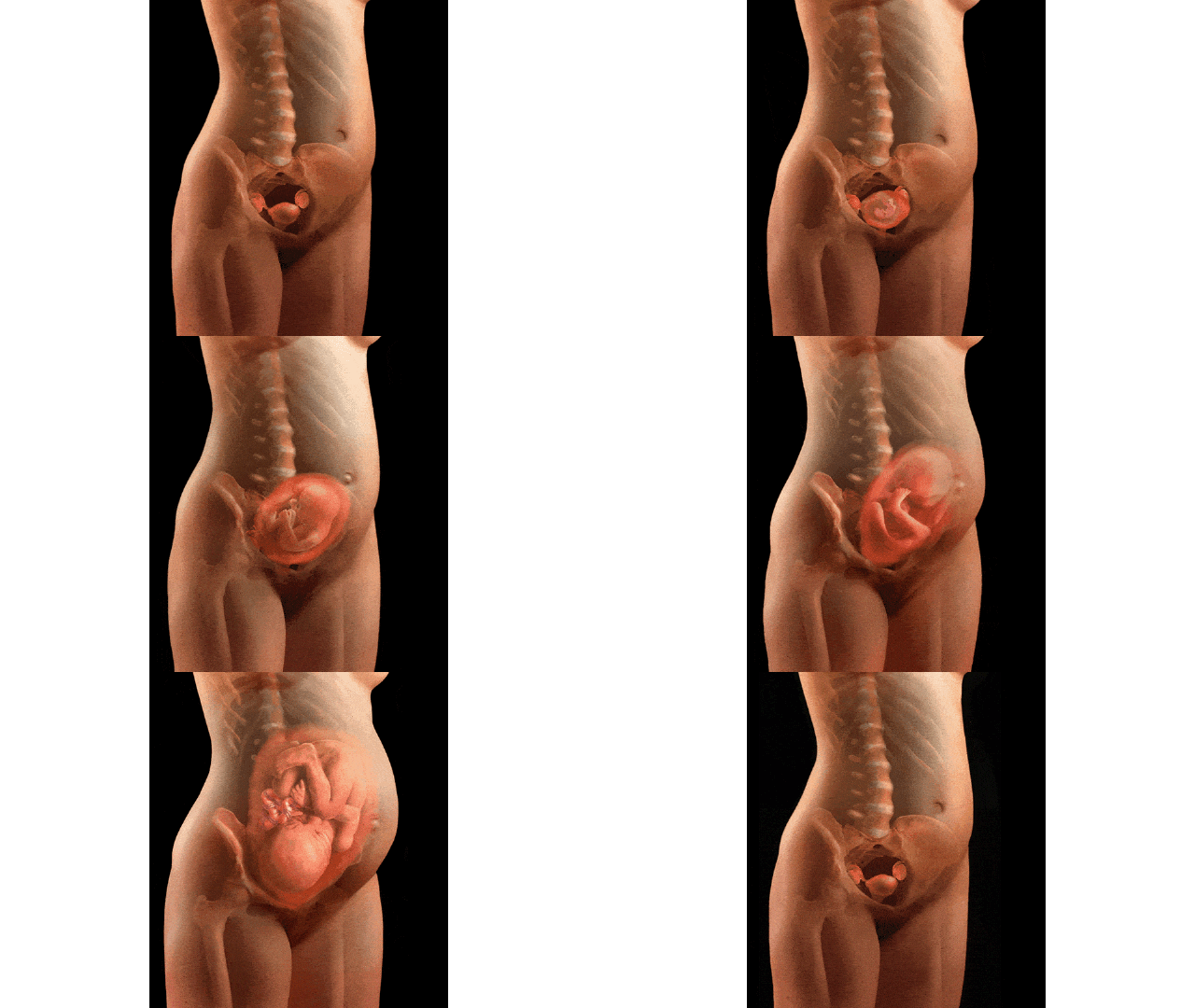
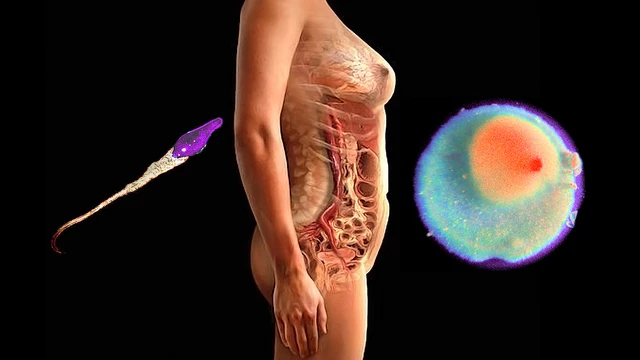
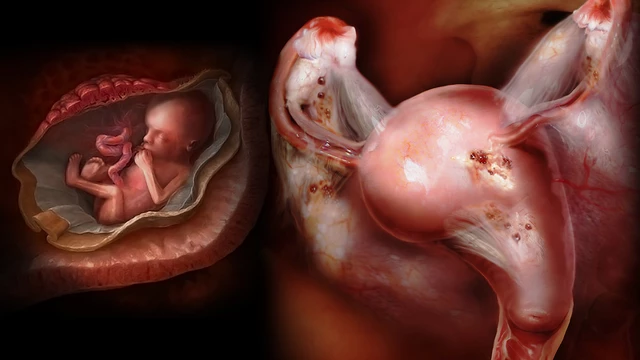
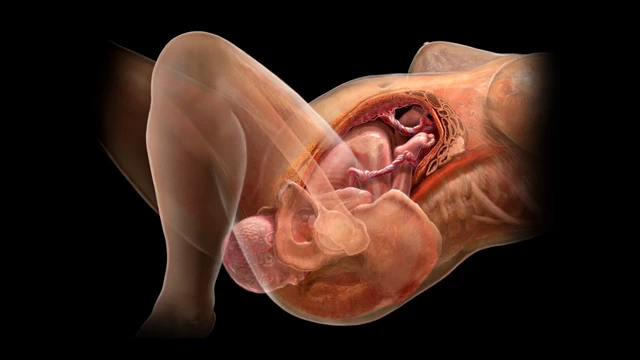
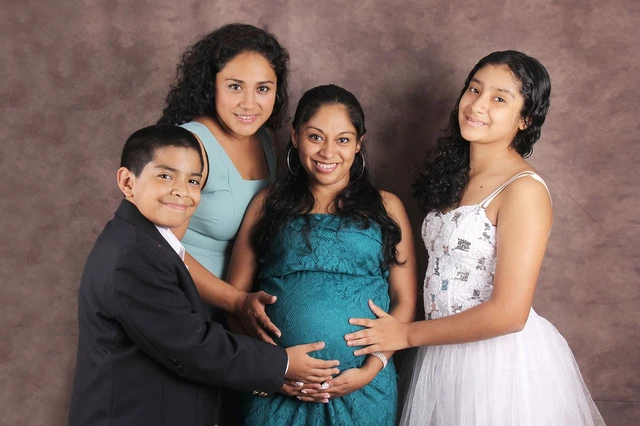
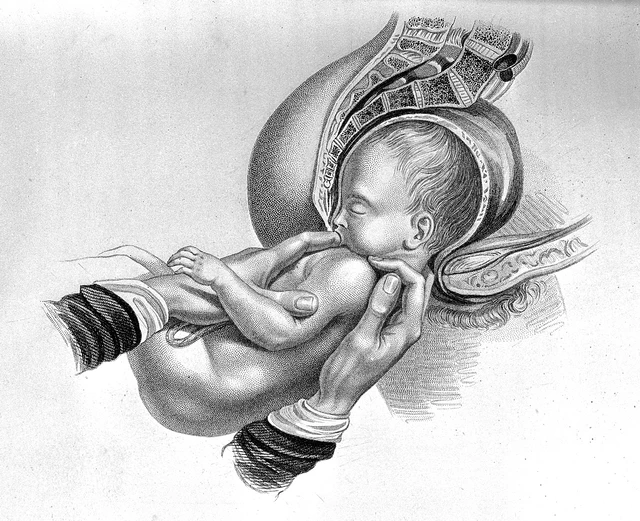
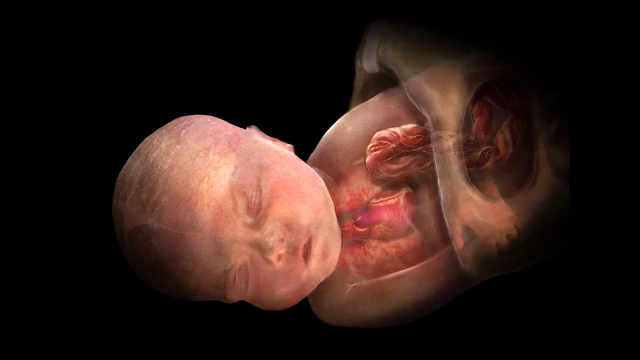
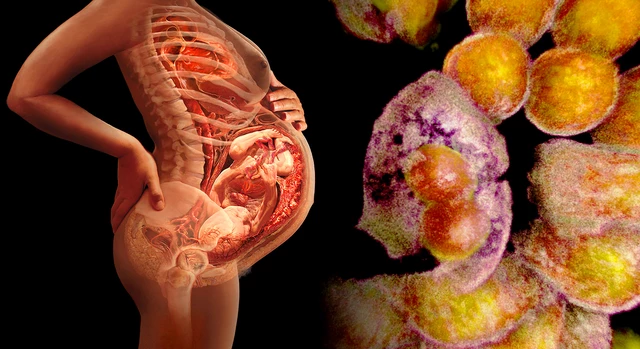
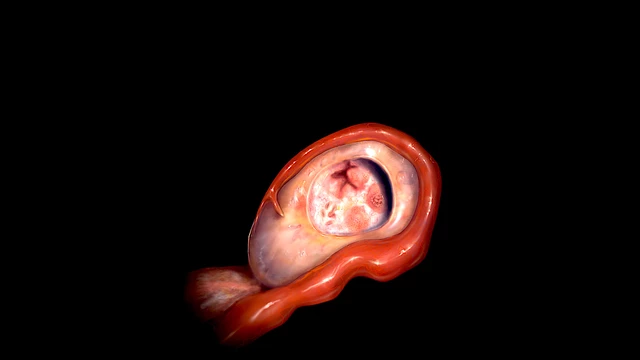
Women's reproductive health spans the menstrual cycle, contraception, pregnancy and birth. It covers periods, PMS and heavy bleeding, birth control methods, healthy pregnancy, labor and cesarean section, postpartum care, and complications such as endometriosis, ectopic pregnancy and preeclampsia.

Women's sexual health

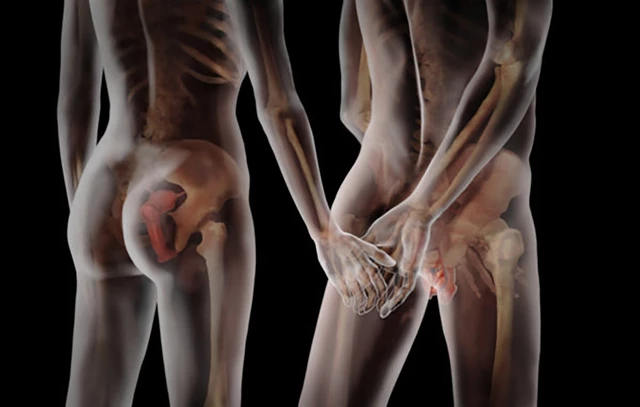
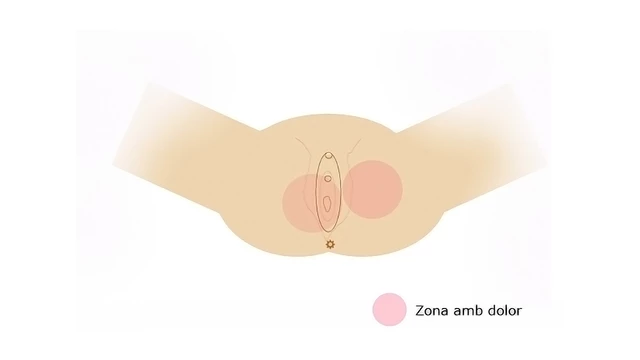
Sexual health in women spans how sex works, consent and well-being at every stage of life. It covers sexual problems in women and their solutions, teen sexuality, safer sex, sexual health after cancer and with diabetes, menopause and sexuality, and female circumcision.

Assault and trauma in women

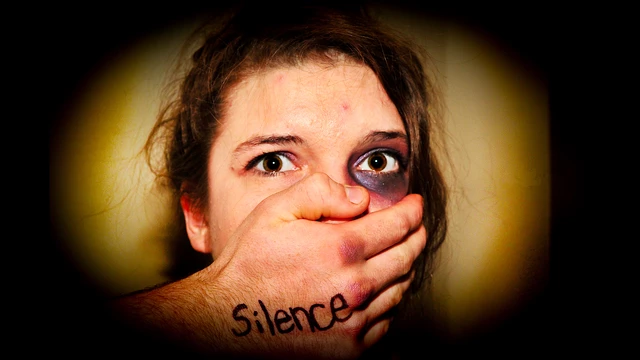
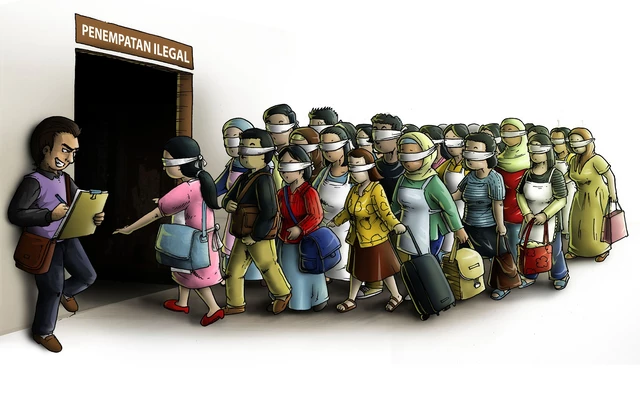
Sexual violence against women takes many forms, and trauma can follow. It covers sexual assault and rape, sexual coercion, date rape drugs, sexual consent, stalking, harassment and human trafficking, and coping with traumatic events.

Women's diseases and disorders

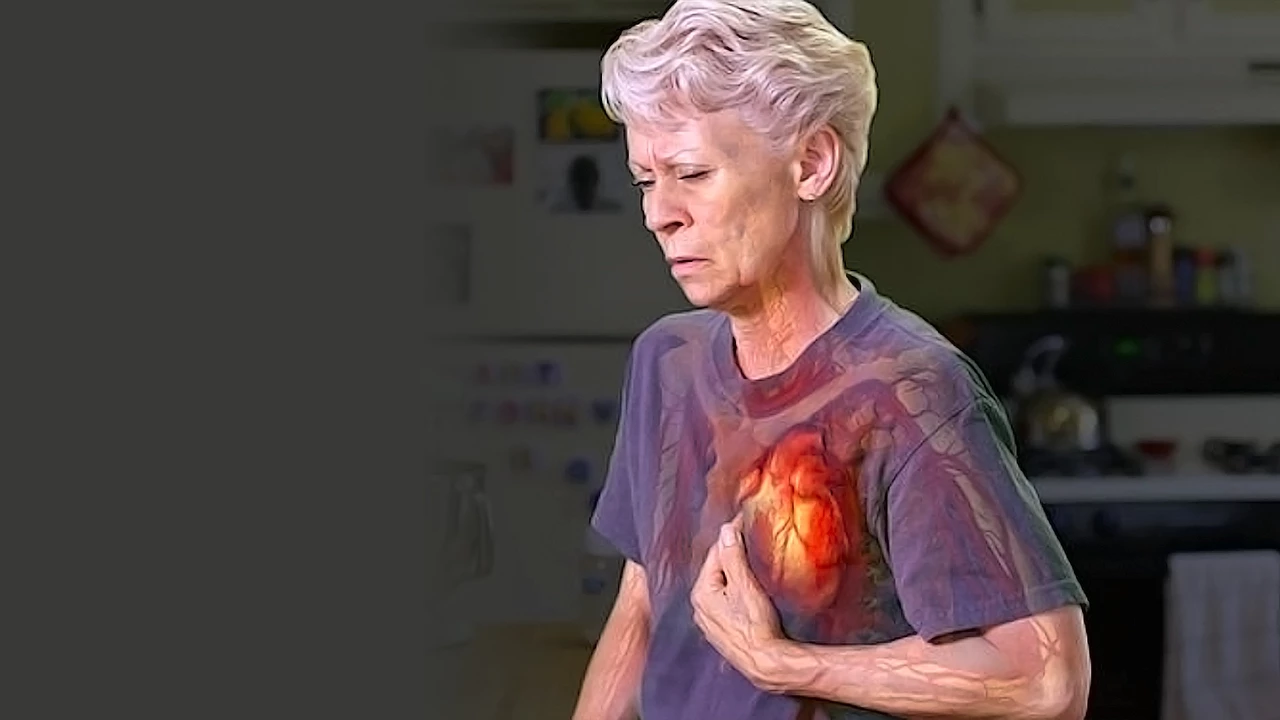
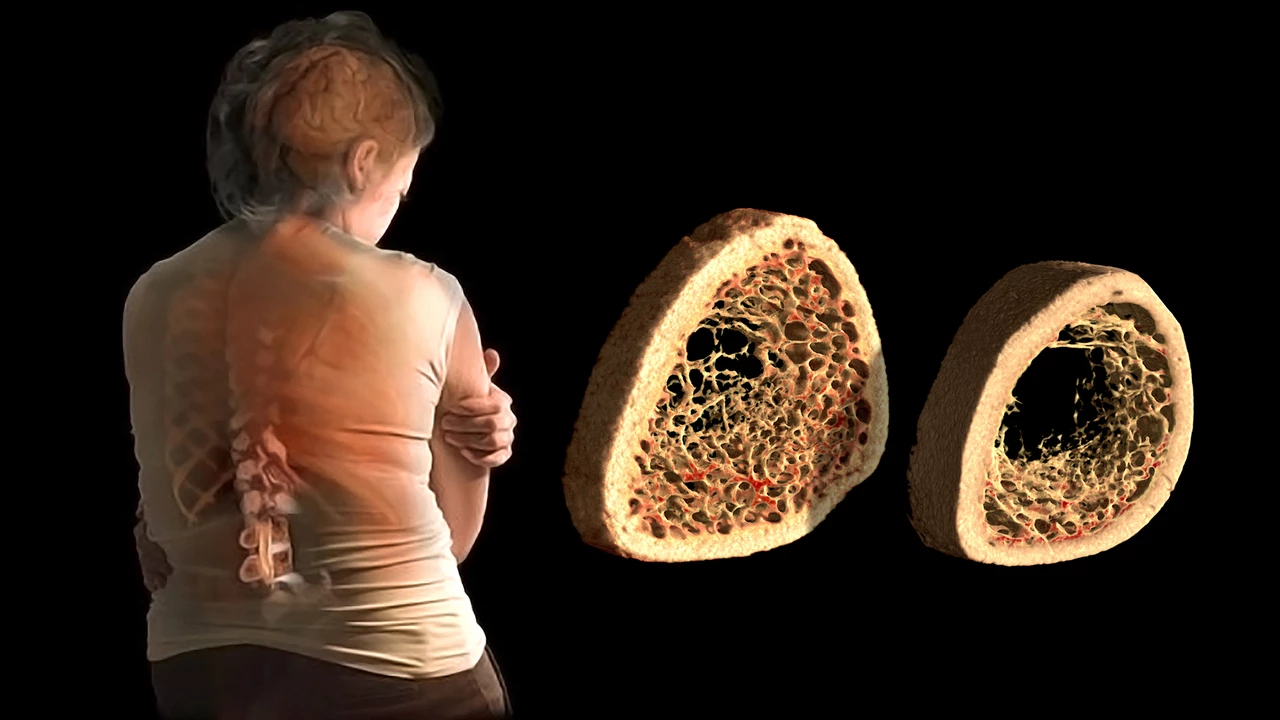
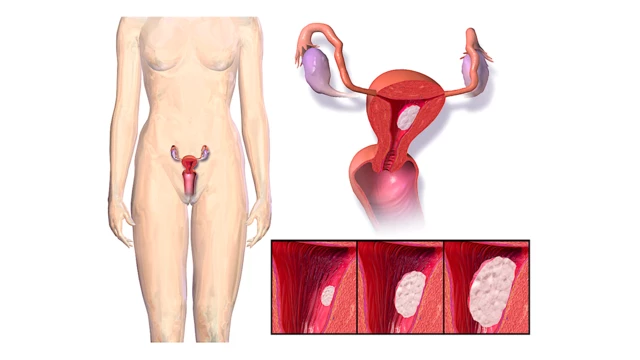
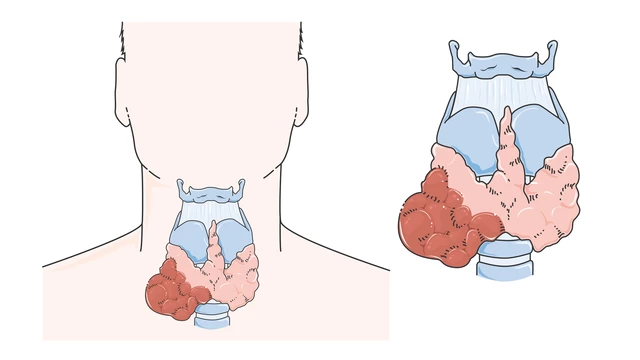
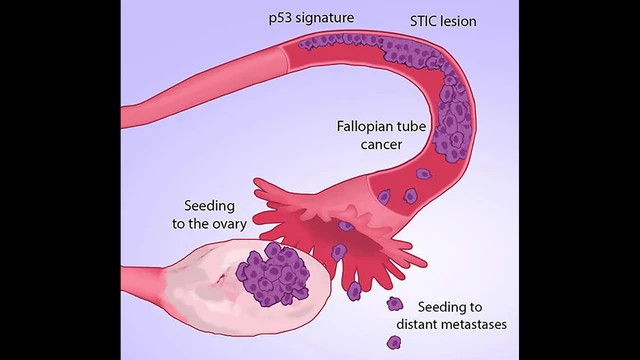
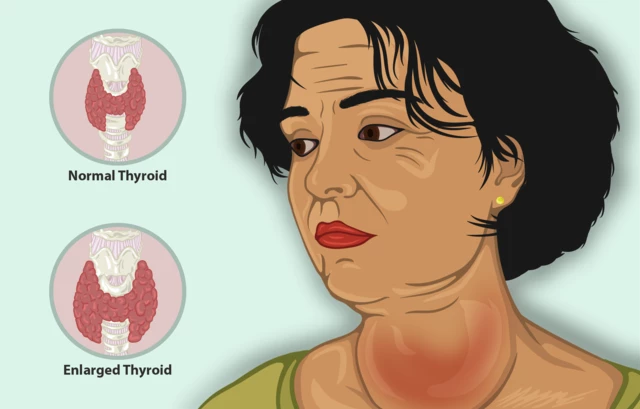
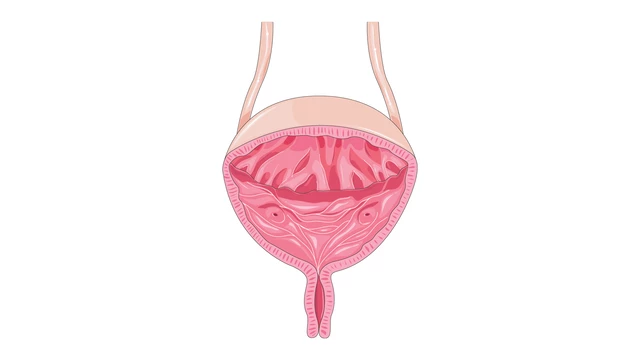
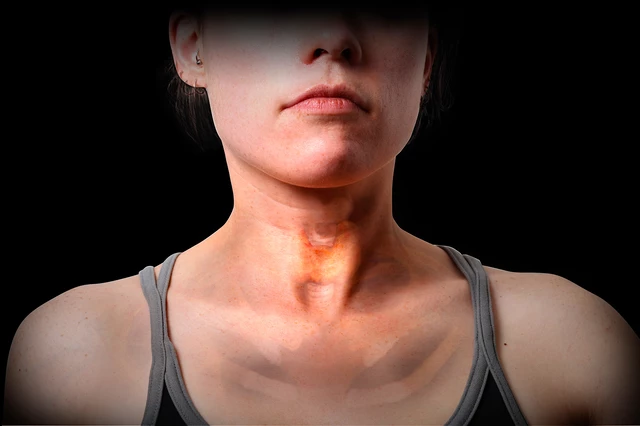
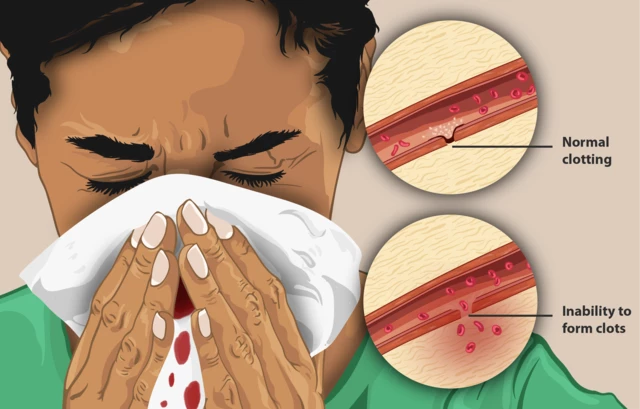
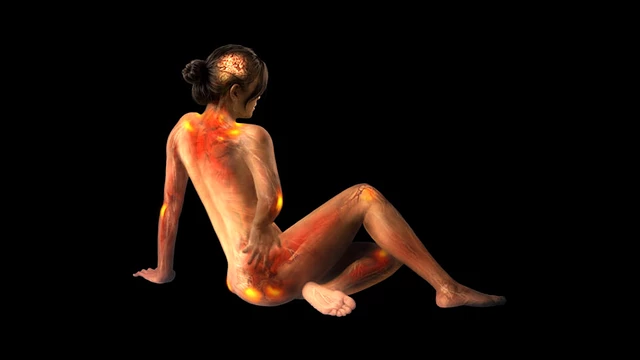
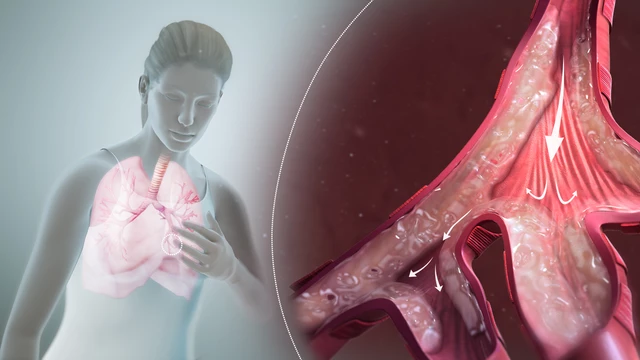
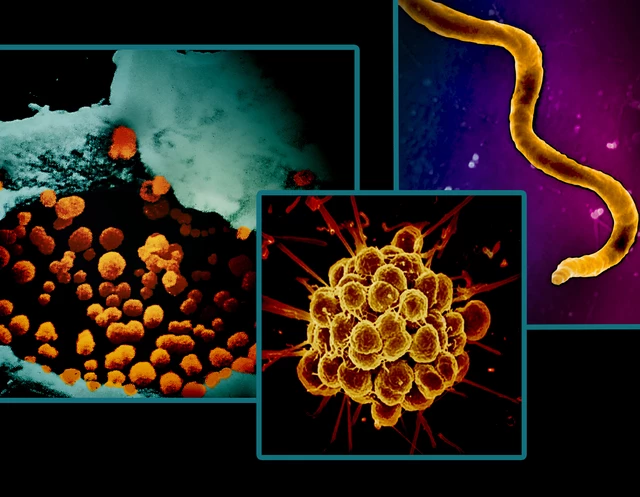
Diseases and disorders in women include conditions of the female organs and others that affect women in particular ways. They range from endometriosis, uterine fibroids and urinary incontinence to thyroid and autoimmune diseases, migraine and fibromyalgia, and infections such as UTIs, yeast infections and STIs.

Menopause

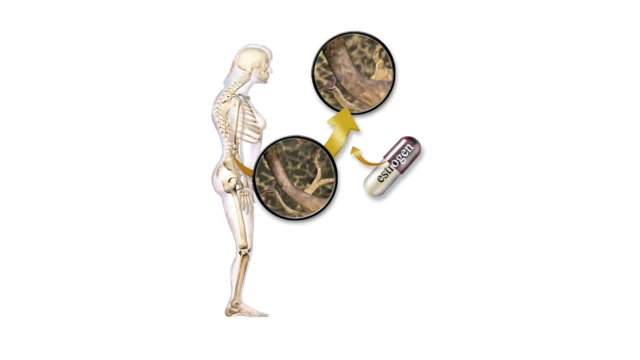
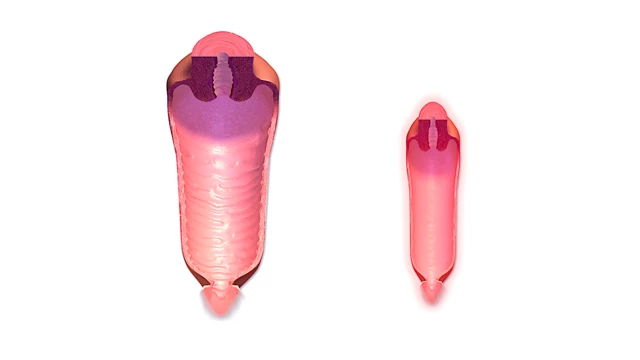
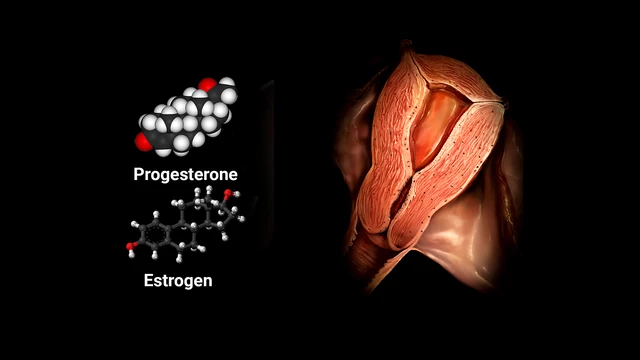
A woman is considered to be in menopause when she has not had a period for 12 consecutive months; this natural and vital process, usually occurring between the ages of 45 and 55, signifies the end of estrogen and progesterone production by the ovaries, and is the end of a women's reproductive years. Learn more about the changes that happen during menopause.

Maternal health disparities

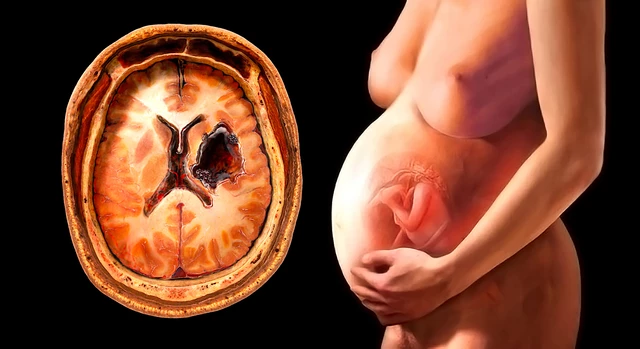
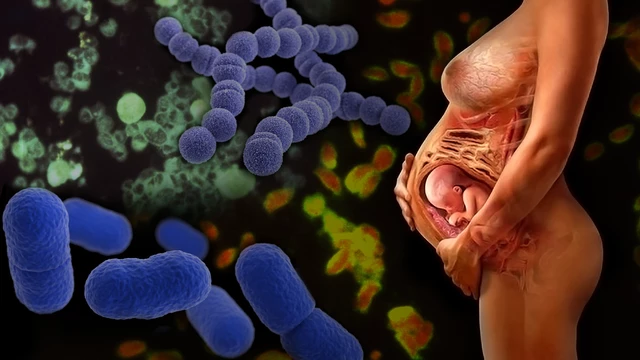
Maternal health disparities are differences in pregnancy and birth outcomes between groups of women, and health equity is the work of closing them. Topics include maternal morbidity and mortality, the social determinants of health behind these gaps and breast cancer in Black women.

The library's building blocks

HealthJournals: immersive guides to health.

HealthJournals are visually immersive guides to a wide range of health and wellness topics, from diseases and conditions to treatments, procedures, anatomy, nutrition and more. Each is a carefully curated selection of videos, images, interactives and authoritative information that makes its topic easier to understand.

Your health, in one place

Make it your journey.

Bring your records into StoryMD, and follow Women's health with a companion that knows your history.